Crafting the Ultimate Spain and Italy Itinerary Balancing History and Leisure
Designing a two-country European vacation requires a careful equilibrium between cultural immersion and pure relaxation, ensuring that travelers absorb centuries of architectural mastery without experiencing severe travel fatigue. A su...
Designing a two-country European vacation requires a careful equilibrium between cultural immersion and pure relaxation, ensuring that travelers absorb centuries of architectural mastery without experiencing severe travel fatigue. A successful Spain and Italy itinerary harmonizes the dynamic, late-night pulse of Iberian plazas with the sun-drenched, unhurried coastal beauty of the Mediterranean, allowing you to transition effortlessly from exploring medieval fortresses to unwinding on world-renowned beaches.
Contents
Understanding the Core Philosophy: History Versus Leisure
Traveling through Spain and Italy often triggers a common psychological dilemma: the desire to see every UNESCO World Heritage site versus the human need to rest, dine slowly, and absorb the local atmosphere. When building a dual-country travel plan, the secret lies in rejecting the temptation to pack every single hour with museum tickets, guided walking tours, and intercity transit.
History in these nations is inescapable, woven directly into the fabric of daily life. You do not need to spend eight hours inside a gallery to understand the Renaissance or the Moorish conquests; sometimes, sitting on a marble terrace in Florence or a stone bench in Seville provides a profound connection to the past. Leisure should not be viewed as wasted time, but rather as the foundational pacing mechanism that makes historical exploration sustainable.
To achieve this balance, seasoned travelers divide their days into two distinct phases. The morning hours are dedicated to active exploration—visiting cathedrals, archaeological ruins, and royal palaces when temperatures are cooler and crowds are manageable. The afternoon and evening are strictly reserved for leisure, encompassing long lunches, afternoon strolls, and unstructured downtime.
Establishing Geographic Boundaries and Realistic Pacing
Attempting to cover the entirety of both Spain and Italy in a standard two-week vacation is a logistical mistake that leads to exhaustion rather than enjoyment. To maintain a balance between history and leisure, you must select two or three anchor regions per country rather than attempting a cross-continental sprint.
The Ideal Two-Week Geographic Split
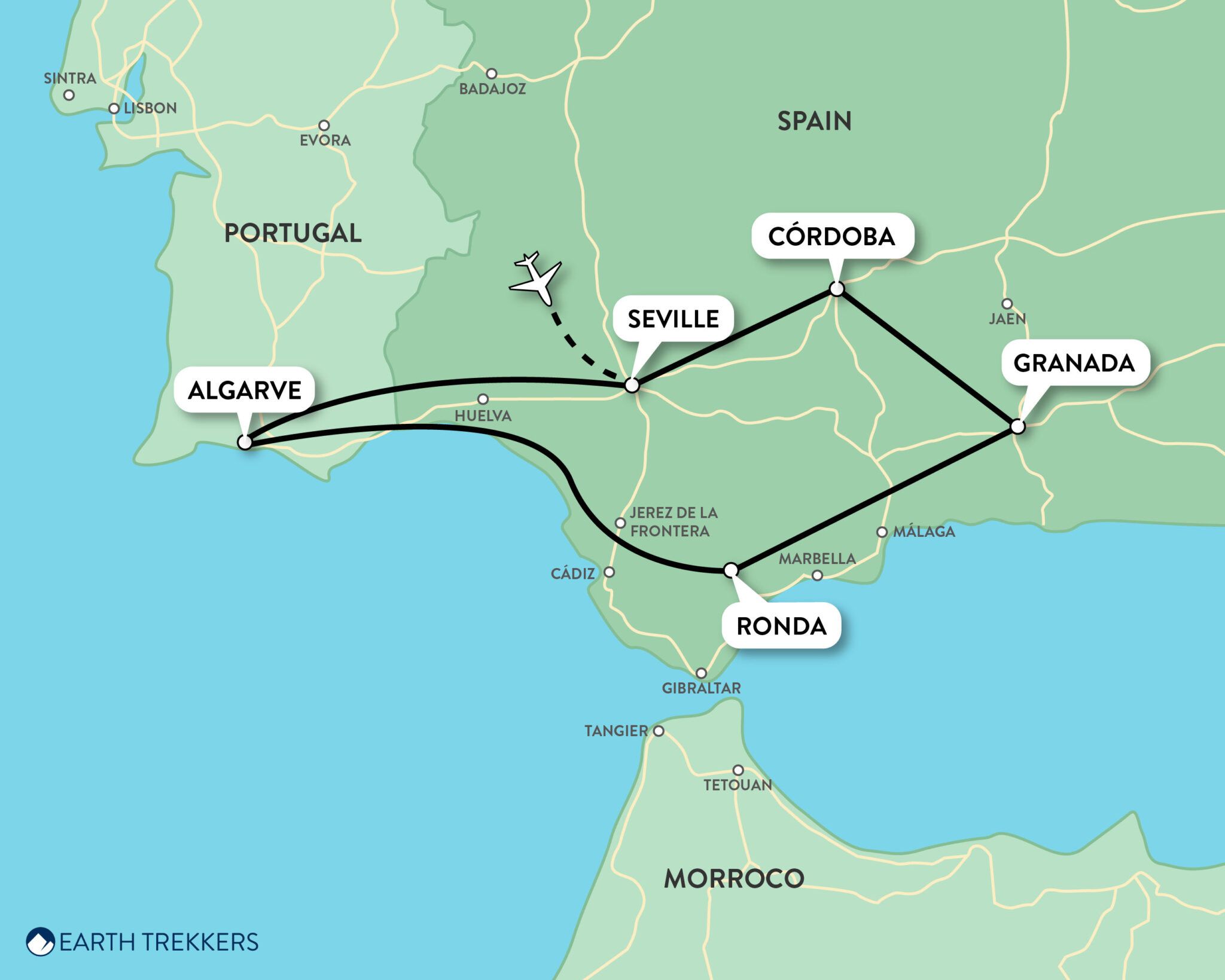
- Spain (7 Days): Focus on one major cultural capital paired with a distinct leisure region. A classic pairing is Madrid (history, art, royal heritage) combined with Andalusia (Seville and a coastal or countryside escape) or Barcelona paired with the Costa Brava.
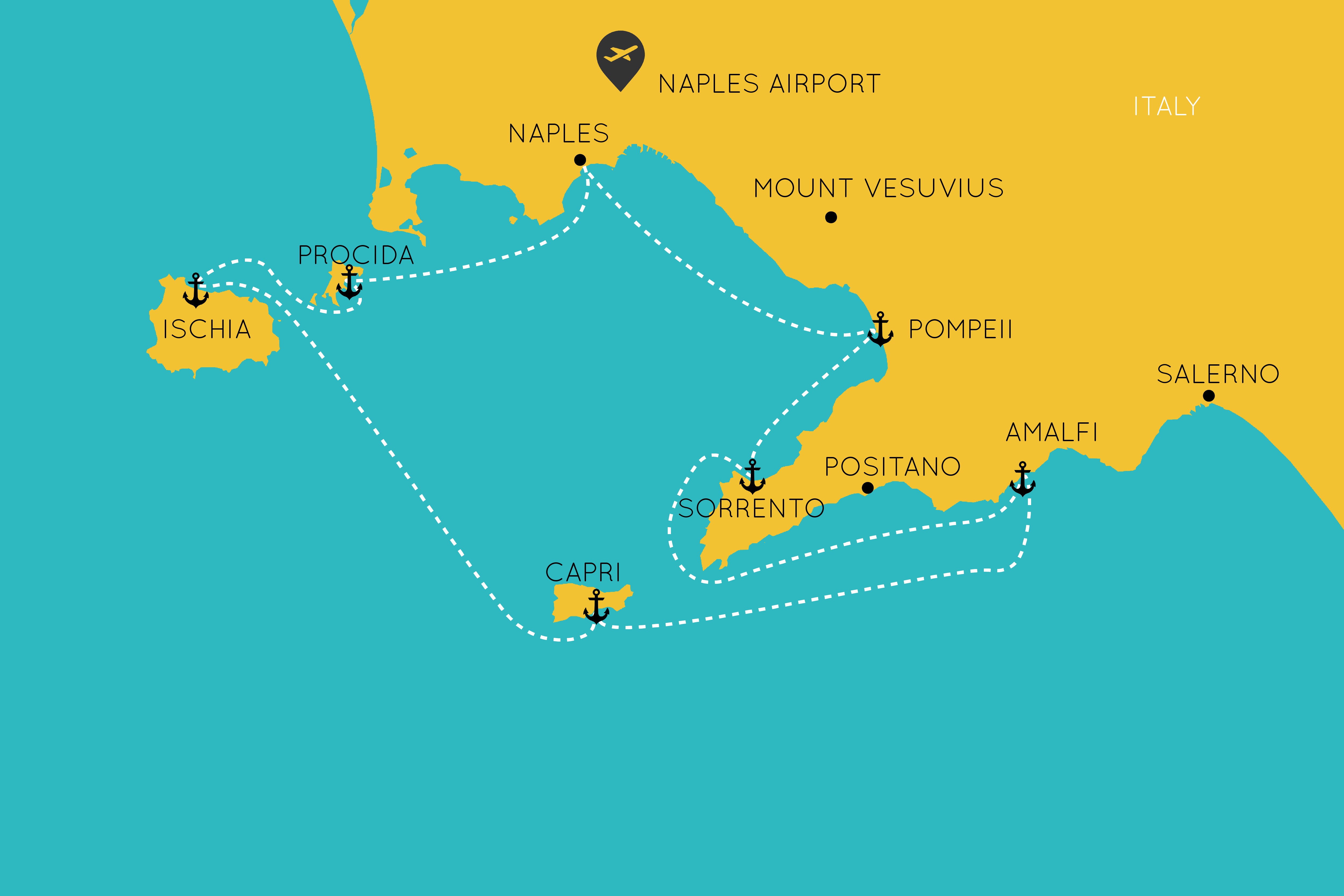
- Italy (7 Days): Pair a historical powerhouse with a restorative landscape. Rome or Florence combined with the Amalfi Coast, Tuscany's rolling hills, or the Italian Lakes offers an optimal mix.
A common pitfall is underestimating intercity transit times. High-speed rail networks like Spain's AVE and Italy's Frecciarossa make travel between major cities efficient, but regional connections often require slower trains or domestic flights. Factoring in hotel check-in times, security lines at airports, and luggage transit means a travel day consumes at least half of your waking hours. Limit major relocations to every three or four days to protect your leisure time.
Sample 14-Day Itinerary: Balancing Cultural Depth and Relaxation
The following structured two-week itinerary demonstrates how to alternate high-density historical exploration with restorative leisure days across Spain and Italy.
| Day | Location | Primary Focus | Activity Breakdown |
|---|---|---|---|
| Days 1–3 | Madrid, Spain | Imperial History & Urban Leisure | Explore the Royal Palace and Prado Museum in the morning; enjoy tapas and park strolls in El Retiro by afternoon. |
| Days 4–5 | Seville, Spain | Moorish Architecture & Slow Living | Tour the Real Alcázar and Seville Cathedral, followed by evening riverside relaxation and traditional flamenco. |
| Days 6–7 | Costa del Sol or Mallorca | Coastal Leisure | Unwind by the Mediterranean Sea, enjoy fresh seafood, and disengage from dense tourist schedules. |
| Days 8–10 | Rome, Italy | Ancient History & City Walks | Walk through the Colosseum and Roman Forum; spend afternoons relaxing in neighborhood piazzas with gelato. |
| Days 11–12 | Florence & Tuscany | Renaissance Art & Countryside | Visit the Uffizi Gallery and Florence Cathedral, then escape to a countryside villa for wine tasting. |
| Days 13–14 | Amalfi Coast or Lake Como | Ultimate Leisure & Departure | Dedicate the final days entirely to boat tours, cliffside dining, and scenic rest before departure. |
Maximizing Historical Immersion Without Burnout
To appreciate the historical weight of Spain and Italy without turning your vacation into a forced march, you must curate your historical sites strategically. Quality always supersedes quantity.
Instead of trying to visit every church, castle, and museum in a city, select one major landmark per day and explore it deeply. For instance, in Rome, prioritize the Vatican Museums and St. Peter's Basilica on one morning, and leave the rest of the day completely open for wandering through the Trastevere neighborhood. This prevents museum fatigue—a well-documented psychological state where visual and intellectual overload diminishes your ability to appreciate art and architecture.
Furthermore, booking timed-entry passes and skip-the-line tickets for major attractions such as the Alhambra in Granada or the Colosseum in Rome is non-negotiable. Standing in a three-hour ticket queue under the Mediterranean sun drains your physical energy and directly sabotages the leisure balance of your trip.
Integrating True Leisure into Your Daily Routine
Leisure in Spain and Italy is not merely a lack of activity; it is a cultural practice. Adopting local habits will help you pace your journey and integrate seamlessly into the rhythm of daily life.
- Embrace the Afternoon Pause: In southern Spain and rural Italy, businesses traditionally slow down or close during the mid-afternoon. Use this time to rest at your hotel, read, or enjoy a quiet drink out of the direct sun.
- Dine Deliberately: Meals in these countries are social rituals, not quick fuel stops. Allow at least two hours for dinner, particularly in Italy, where multi-course dining is designed to be conversational and unhurried.
- Incorporate Drift Time: Schedule empty blocks on your itinerary labeled simply as "drift." Walk without a map through residential neighborhoods away from major monuments to discover local artisan shops, quiet courtyards, and neighborhood cafes.
Logistical Considerations: Transport, Timing, and Accommodation
A seamless vacation relies heavily on pre-trip planning regarding logistics. Getting the infrastructure right protects your leisure time from administrative stress.
Navigating Intercity Transit
When traveling between Spain and Italy, you will likely rely on a short intra-Europe flight (typically lasting 2 to 3 hours). When booking flights, always account for travel time to and from peripheral airports, baggage drop procedures, and security checks. For travel within each country, prioritize high-speed rail. Trains deliver passengers directly to city centers, eliminating the transit friction associated with major airports.
Selecting Strategic Accommodations
Where you sleep dictates how easily you can balance history and leisure. In historical cities, staying in the hyper-touristic center places you steps away from monuments, but it also exposes you to constant noise and crowds. Consider accommodations located in adjacent, vibrant neighborhoods—such as Testaccio in Rome or Gràcia in Barcelona. These districts offer authentic local life, quieter evenings, and easy access to historical sites via public transit.
Frequently Asked Questions
How many cities should I visit in a two-week Spain and Italy trip?
Limiting your trip to four or five distinct locations across the two weeks is ideal. Trying to visit more than that turns your vacation into a continuous cycle of packing, checking out, transiting, and checking in, leaving virtually no room for leisure.
Is it better to fly between Spain and Italy or take the train?
Flying is practically mandatory for a Spain-to-Italy leg due to the geographic distance and the barrier of the Mediterranean Sea or the Alps. Direct flights connect major hubs like Madrid or Barcelona to Rome, Milan, and Florence daily. Reserve trains strictly for travel within each individual country.
How do I handle the intense summer heat while balancing history and leisure?
Summer temperatures in southern Spain and central Italy frequently exceed 35°C (95°F). Schedule all heavy historical sightseeing for the early morning hours (8:00 AM to 11:30 AM). Retreat indoors or to shaded coastal areas during peak sun intensity between 1:00 PM and 5:00 PM, and resume outdoor leisure activities in the cooler evening hours.
What is the best way to avoid tourist traps when dining?
Avoid restaurants with multi-language photographic menus displayed on the street directly adjacent to major historical monuments. Walk three to four blocks away into residential streets where menus are written exclusively in the local language and patrons are predominantly local residents.
Can I do this itinerary using only public transportation?
Yes. Both Spain and Italy possess world-class public transit infrastructures. High-speed rail networks, regional trains, underground metro systems, and urban buses connect all major historical centers and coastal leisure regions efficiently, eliminating the need to rent a car for city-to-city travel.
Final Recommendations for Your Journey
Balancing history and leisure across Spain and Italy requires discipline in saying "no" to secondary sights so you can fully enjoy primary experiences. Secure your key historical bookings months in advance, prioritize high-speed rail for domestic legs, and protect your afternoons for rest and unstructured exploration. By honoring the local pace of life, you will return home feeling culturally enriched rather than travel-worn.
Image Gallery