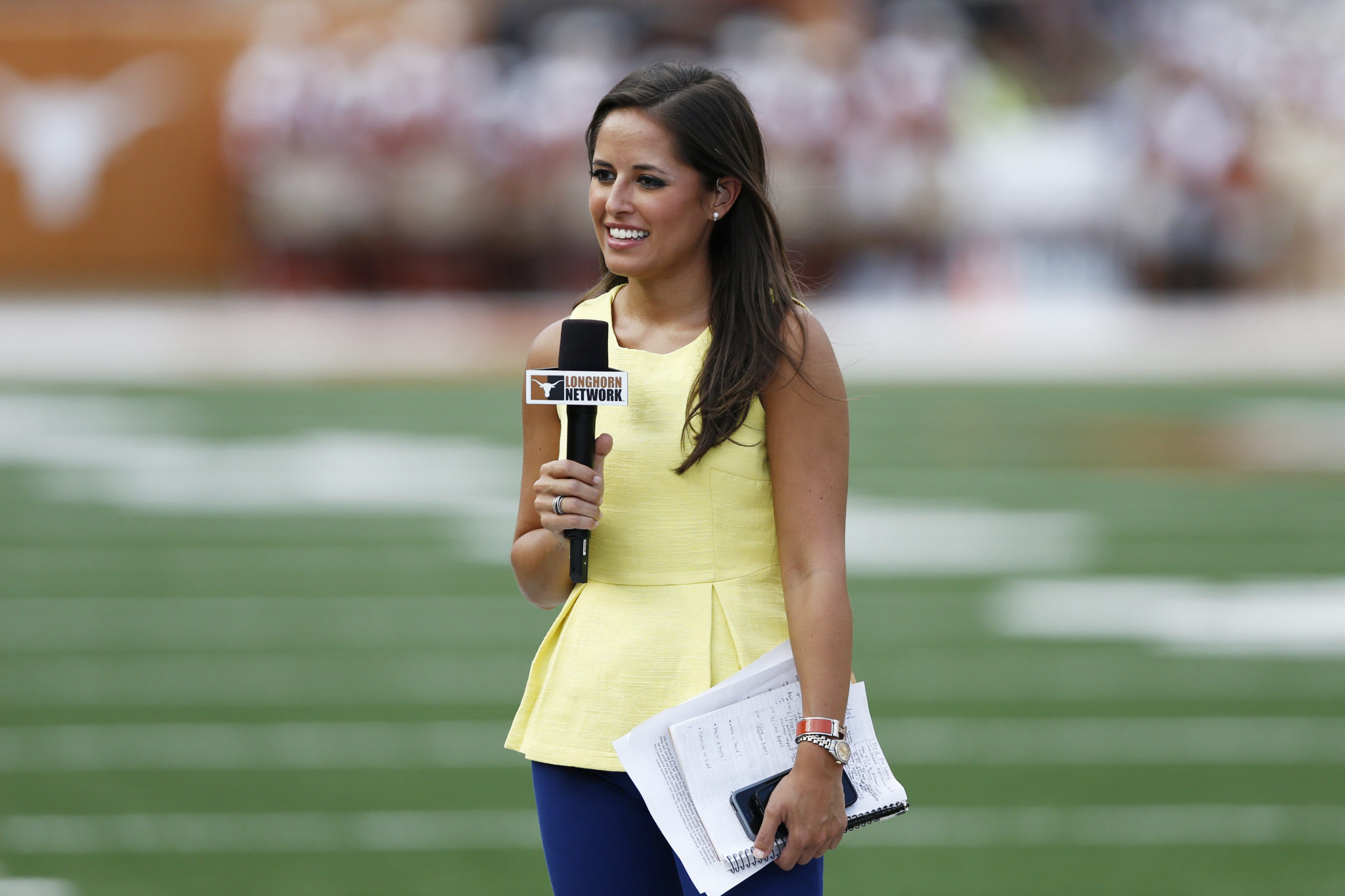
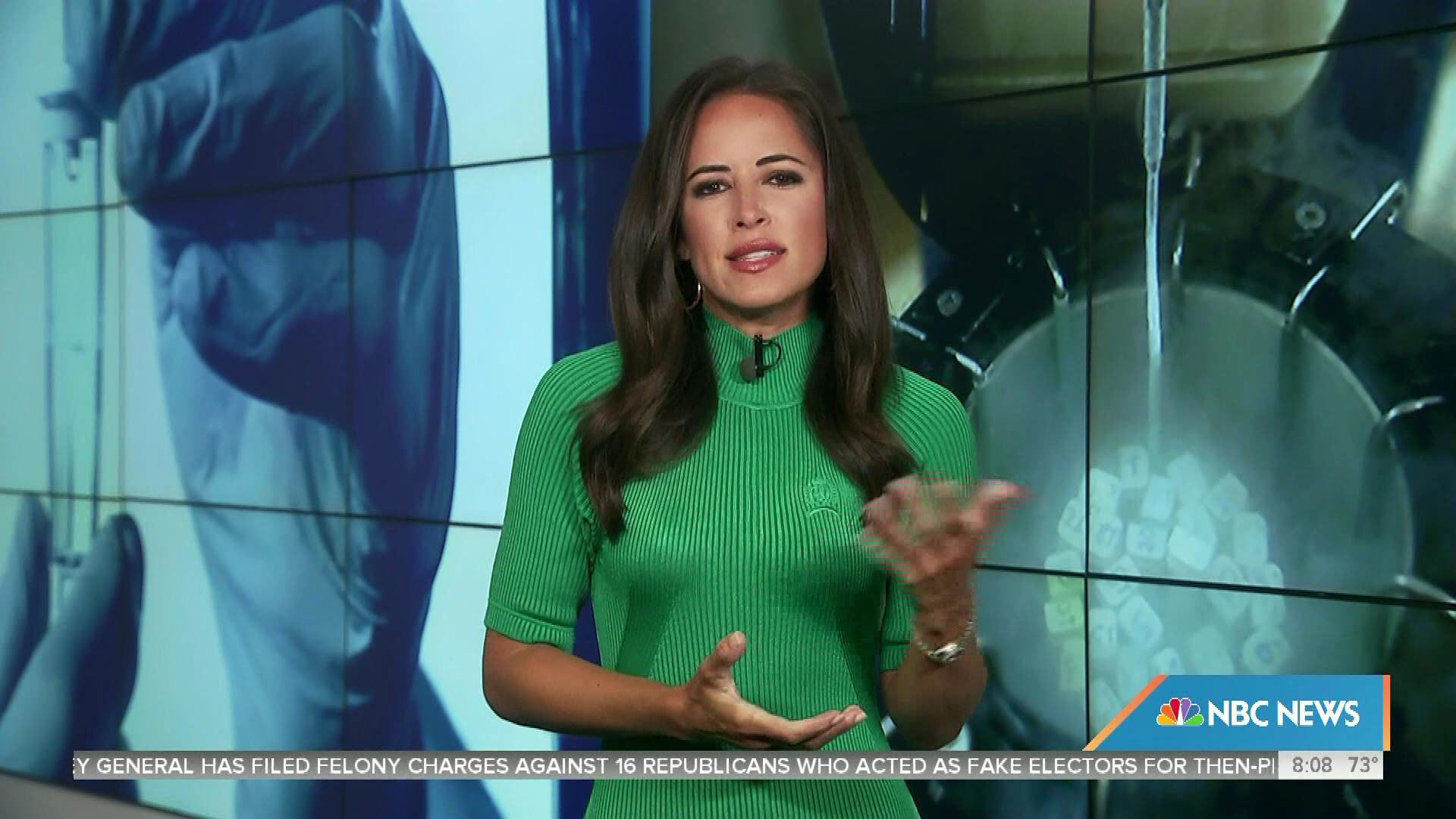
Kaylee Hartung Eye Surgery 2023: Facts, Viewer Speculation, and Ocular Health Context
Despite widespread search interest and online viewer speculation during the 2023 football season, there is no official record or public statement confirming that broadcast journalist Kaylee Hartung underwent eye surgery in 2023. The tr...
Despite widespread search interest and online viewer speculation during the 2023 football season, there is no official record or public statement confirming that broadcast journalist Kaylee Hartung underwent eye surgery in 2023. The trending queries primarily stemmed from social media commentary regarding minor visual variations caused by high-definition stadium lighting, harsh studio environments, and grueling travel schedules.
Contents
Clarifying the 2023 Rumors Surrounding Kaylee Hartung
Kaylee Hartung is a prominent American sports reporter and national news correspondent widely recognized for her work on Amazon Prime Video’s Thursday Night Football, NBC’s Today Show, and prior roles at ESPN and CNN. During the 2023 National Football League (NFL) season, viewer searches spiked regarding whether the veteran reporter had undergone an ocular procedure, such as corrective laser surgery or cosmetic eyelid surgery.
Publicly available biographical records, official press disclosures, and broadcast reporting confirm that Hartung has never announced undergoing eye surgery in 2023 or any other period. Historically, Hartung has maintained high transparency regarding major health events throughout her career. For instance, in March 2020, while working as a correspondent for ABC News, she was one of the earliest high-profile broadcast journalists to share her diagnosis of COVID-19 to educate the public on symptom progression and recovery protocols.
Given her documented willingness to address significant medical personal news publicly, the absence of any medical disclosure, social media statement, or secondary confirmation from broadcast partners indicates that the 2023 eye surgery rumors were unsubstantiated. The surge in online queries reflects a widespread modern media phenomenon: online viewers misinterpreting minor physical variations on high-definition television broadcasts as evidence of medical or cosmetic intervention.
Causes of On-Air Visual Changes in Broadcast Journalism
Broadcast journalists operating in live sports and national news face intense environmental challenges that frequently affect their physical appearance, particularly around the eyes. High-definition (4K HDR) camera equipment, paired with aggressive lighting setups, magnifies subtle ocular changes that would remain completely imperceptible in daily face-to-face interaction.
- Dense Screen & Arena Lighting + Frequent Jet Lag / Dry Cabin Air
- Transient Ocular Strain & Redness
- High-Definition (4K) Camera Magnification
- Social Media & Search Engine Speculation
1. Frequent Air Travel and Dry Eye Syndrome
Sideline reporters on national sports broadcasts follow demanding travel itineraries, often flying across multiple time zones in a single week. Aircraft cabins maintain humidity levels below 20%, significantly accelerating tear film evaporation. This continuous exposure leads to keratoconjunctivitis sicca (dry eye syndrome), characterized by:
- Scleral redness and irritation.
- Superficial punctate keratitis (microscopic corneal surface inflammation).
- Increased blood vessel prominence in the conjunctiva.
For an on-air personality, persistent dry eye can lead to localized inflammation, excessive blinking, or uneven tear production, which viewers often mistake for post-surgical swelling or healing.
2. High-Intensity Stadium Floodlights and Studio LEDs
Live stadium reporting requires standing beneath high-intensity discharge (HID) floodlights and powerful LED broadcast panels designed to pierce outdoor darkness. These intense light sources can trigger photophobia (light sensitivity), causing eye squinting, lacrimation (tearing), or temporary ocular surface injection (bloodshot eyes). When combined with rapid pupil contraction, shadows cast by overhead light rigs can alter the perceived contour of the eyelid or eyebrow area.
3. Cosmetic Makeup and Shadowing Artifacts
Broadcast makeup for 4K television relies on heavy concealment, color correction, and contouring around the periocular region. Minor variations in makeup application between broadcast segments—or lighting adjustments made by production crews between pre-game and post-game coverage—can create visual illusions of asymmetry, tightness, or inflammation around the eyes.
Ophthalmic Procedures Frequently Speculated in Media Personalities
When viewers notice changes in a television journalist's eyes, they typically speculate on a small group of common corrective or aesthetic ophthalmic surgeries. Understanding these procedures clarifies why viewers suspect them and how their actual clinical presentation compares to temporary broadcast fatigue.
- Speculated Ocular Interventions
- Refractive Corrective (LASIK/PRK)
- Corrects Myopia/Astigmatism
- Rapid Visual Recovery
- Aesthetic & Functional (Blepharoplasty)
- Removes Excess Eyelid Skin
- Requires Weeks of Bruising Recovery
- Refractive Corrective (LASIK/PRK)
Corrective Refractive Surgeries (LASIK, PRK, and ICL)
Refractive procedures correct vision errors such as myopia (nearsightedness), hyperopia (farsightedness), and astigmatism, enabling broadcast professionals to read teleprompters or distant field monitors without glasses or contact lenses.
- LASIK (Laser-Assisted in Situ Keratomileusis): Involves creating a thin corneal flap, reshaping the underlying corneal tissue with an excimer laser, and repositioning the flap. Recovery is exceptionally rapid, often allowing individuals to return to regular duties within 24 to 48 hours. Temporary side effects include transient subconjunctival petechiae (small red spots on the white of the eye) and temporary dry eye symptoms.
- PRK (Photorefractive Keratectomy): Reshapes the surface of the cornea after removing the outer epithelial layer. PRK requires a longer initial recovery period (usually three to five days before functional vision returns), during which on-camera work is impractical due to bandage contact lens wear and sensitivity.
- Phakic ICL (Implantable Collamer Lens): An artificial lens surgically placed between the natural lens and the iris. It is typically reserved for high prescriptions where corneal laser surgery is contraindicated.
Aesthetic and Functional Eyelid Surgeries
Viewers who comment on changes in eyelid appearance often assume a surgical alteration of the periocular skin:
- Blepharoplasty: A surgical procedure to remove excess skin, muscle, or adipose (fat) tissue from the upper or lower eyelids. Functional blepharoplasty alleviates hooded eyelids that obstruct peripheral vision, while cosmetic blepharoplasty restores a refreshed visual contour. Surgical recovery involves notable bruising, edema (swelling), and visible suture lines lasting 10 to 14 days, during which live on-camera broadcast reporting is standardly avoided.
- Ptosis Repair: Corrects drooping of the upper eyelid caused by weakness or detachment of the levator palpebrae superioris muscle. Repairing ptosis restores symmetrical eyelid height relative to the pupil.
Non-Surgical Clinical Events: Subconjunctival Hemorrhage
A very common cause of abrupt visual changes on camera is a subconjunctival hemorrhage. This condition occurs when a tiny microvascular vessel breaks beneath the clear surface of the eye (the conjunctiva), trapping blood over the white sclera.
Subconjunctival hemorrhages can be caused by simple actions like coughing, sneezing, wearing tight collars, heavy lifting, or mild eye rubbing associated with travel fatigue. While visually dramatic on a high-definition broadcast, the condition is harmless, painless, requires no surgery, and resolves naturally within 7 to 14 days.
Comparing Speculated Ocular Conditions vs. Actual Clinical Realities
The table below summarizes the key features, recovery expectations, and factual status regarding ocular conditions often referenced in public speculation around broadcast media figures:
| Condition / Procedure | Primary Visual Characteristics | Typical Trigger or Purpose | Recovery / On-Camera Downtime | Confirmed Status for Kaylee Hartung (2023) |
|---|---|---|---|---|
| Subconjunctival Hemorrhage | Bright red patch over the white sclera; painless | Microvascular rupture from coughing, rubbing, or pressure | 7–14 days for natural absorption; no downtime required | Unconfirmed; common cause of sudden visual redness |
| Dry Eye Syndrome (Keratoconjunctivitis) | Scleral redness, watery eyes, frequent blinking | High-definition lights, low cabin humidity, screen strain | Ongoing management; no broadcast downtime needed | Highly probable environmental factor for active reporters |
| LASIK / PRK Surgery | Normal appearance, optional transient blood spots | Correction of nearsightedness, astigmatism, or farsightedness | 24 hours (LASIK) to 7 days (PRK) | No official record or statement |
| Blepharoplasty (Eyelid Surgery) | Reduced upper lid skin fold, altered crease line | Cosmetic rejuvenation or resolving obstructed vision | 10–14 days of notable edema and bruising | No official record or statement |
| Ptosis Repair | Elevated upper lid margin, increased pupil exposure | Correcting congenital or age-related muscle weakness | 10–21 days of post-op healing | No official record or statement |
Media Scrutiny and Public Figure Health Privacy
The persistent searches surrounding Kaylee Hartung's appearance highlight broader trends in media consumption and digital search dynamics.
High-Definition Camera Resolution and Viewer Perceptions
The transition of live sports broadcasting to high-definition (HD) and 4K HDR streams on digital platforms like Amazon Prime Video has dramatically altered how viewers experience live television. Details that were completely hidden in standard-definition broadcasts—such as slight scleral redness, contact lens edges, localized eye irritation, or cosmetic touch-ups—are now fully visible to millions of concurrent viewers.
Search Engine Feedback Loops
When an on-air personality experiences minor eye redness or subtle changes in lighting during a high-profile broadcast, thousands of viewers simultaneously perform casual online searches (e.g., "what happened to Kaylee Hartung's eye"). Search engines aggregate this rapid spike in query volume, generating automated suggestions and trending keyword topics. Content aggregators and social media accounts then re-publish these speculative keywords, creating a self-reinforcing loop of unverified rumors despite the absence of any medical facts.
Health Privacy and Journalistic Professionalism
Unless a medical condition directly affects an on-air journalist’s ability to perform their professional duties, public figures maintain full privacy regarding their personal health decisions. While journalists frequently share major personal milestones or health awareness stories voluntarily, unsourced public speculation regarding physical appearance remains unverified online commentary rather than factual reporting.
Frequently Asked Questions
Did Kaylee Hartung confirm having eye surgery in 2023?
No. Kaylee Hartung has made no public announcement, confirmation, or statement indicating that she underwent any eye surgery in 2023. Search engine interest was driven entirely by unverified social media viewer speculation.
Why did viewers search about Kaylee Hartung’s eyes during Thursday Night Football?
Viewers often notice transient physical changes on camera, such as eye redness, dryness, or shifting light shadows during live 4K HDR sports broadcasts. Demanding travel schedules, bright stadium lights, and dry air frequently cause minor eye irritation that viewers mistake for surgical recovery.
Has Kaylee Hartung spoken publicly about other health experiences?
Yes. Kaylee Hartung spoke openly about her health in March 2020 when she contracted COVID-19 while reporting for ABC News. She used her broadcast platform to inform viewers about initial symptoms, diagnostic testing, and isolation guidelines.
What causes a red spot on an on-air reporter's eye?
A bright red patch on the white of the eye is typically a subconjunctival hemorrhage. This harmless condition occurs when a tiny blood vessel breaks under the eye's surface due to coughing, eye rubbing, or air pressure changes during travel. It heals naturally without surgery within one to two weeks.
How quickly do television journalists recover from corrective procedures like LASIK?
Recovery from modern LASIK laser eye surgery is very rapid, with most patients achieving clear vision and returning to routine work within 24 to 48 hours. However, temporary post-operative dry eye or mild redness can persist for several weeks.
Summary and Key Takeaways
When evaluating reports regarding public figures and unconfirmed medical procedures, readers should rely on verified primary sources rather than social media speculation or automated search trends:
- Fact Check First: There is no confirmed factual evidence, medical record, or public statement showing that Kaylee Hartung underwent eye surgery in 2023.
- Consider Environmental Factors: Broadcast journalists undergo extreme physical demands, including constant air travel, dry cabin air, long screen time, and intense stadium lighting—all of which cause temporary eye redness and fatigue.
- Understand Visual Technology: Modern high-definition 4K HDR broadcasts magnify tiny physical nuances that are entirely routine and non-surgical in nature.
- Rely on Official Disclosures: Reputable health reporting relies on direct public statements or authenticated documentation, rather than online viewer commentary.
Image Gallery