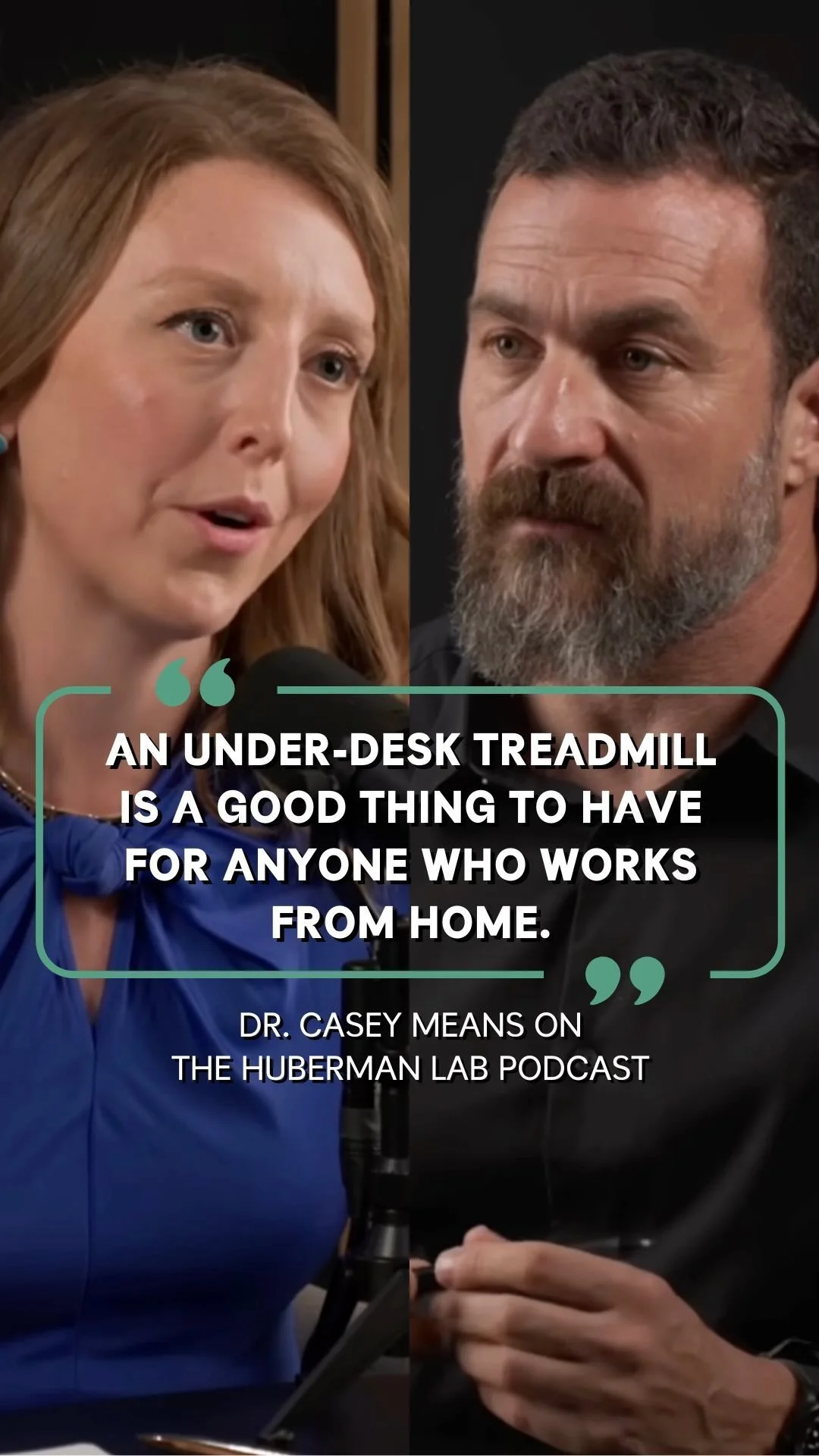
Dr. Casey Means: A Comprehensive Look at Her Background in Health Tech and Metabolic Innovation
Dr. Casey Means is a Stanford-trained physician, co-founder of the health technology company Levels, and a leading advocate for metabolic health. Her background in health tech is defined by her transition from traditional surgery to th...
Dr. Casey Means is a Stanford-trained physician, co-founder of the health technology company Levels, and a leading advocate for metabolic health. Her background in health tech is defined by her transition from traditional surgery to the development of bio-wearable software designed to track glucose levels in real-time. By leveraging data from Continuous Glucose Monitors (CGMs), she has pioneered a shift toward personalized, proactive metabolic monitoring for the general population.
Contents
Academic Foundations and Medical Training
The trajectory of Dr. Casey Means’ career in health tech began with an elite academic foundation at Stanford University. She completed both her undergraduate degree and her Medical Degree (MD) at Stanford University, an institution known for its proximity to Silicon Valley’s technological ecosystem. During her time at Stanford, she was exposed to a culture that blends rigorous scientific inquiry with entrepreneurial innovation, a combination that would later define her professional output.
Following medical school, Dr. Means entered a residency in Head and Neck Surgery (Otolaryngology) at the Oregon Health & Science University (OHSU). It was during these years of clinical practice that her perspective on the American healthcare system began to shift. As a surgeon, she frequently treated inflammatory conditions—such as chronic sinusitis and thyroid issues—with procedures and prescriptions. However, she began to observe a recurring pattern: many of the conditions she was operating on were downstream manifestations of systemic, metabolic dysfunction and chronic inflammation.
This realization was the catalyst for her departure from traditional surgical practice. She recognized that while surgery could address the symptoms, it did little to rectify the underlying physiological causes. This "root cause" philosophy became the cornerstone of her entry into the health tech sector, where she sought to build tools that could intervene earlier in the disease process.
The Founding of Levels: Bridging Wearable Tech and Metabolic Health
In 2019, Dr. Casey Means co-founded Levels, a health tech company that has since become synonymous with the "metabolic health movement." Alongside co-founders Josh Clemente (a former SpaceX engineer), Sam Corcos, David Flinner, and Andrew Conner, Dr. Means sought to solve a specific problem: the lack of real-time feedback regarding how food, sleep, and exercise affect an individual’s internal biochemistry.
The Role of Continuous Glucose Monitoring (CGM)
Before the emergence of companies like Levels, Continuous Glucose Monitors were almost exclusively reserved for individuals with Type 1 or advanced Type 2 diabetes. Dr. Means and her team recognized that glucose variability is a critical marker for health even in non-diabetic individuals. Her background in health tech involves the "democratization" of this medical hardware by pairing it with a sophisticated software layer.
The Levels app functions as a biometric dashboard. It translates raw glucose data into "Zone Scores" and "Metabolic Scores," allowing users to see exactly which foods cause their blood sugar to spike and which lifestyle choices help maintain stability. By providing this immediate feedback loop, the technology facilitates behavioral change in a way that annual blood tests or generic dietary advice cannot.
Scaling Personalized Data Insights
As the Chief Medical Officer of Levels during its formative years, Dr. Means was instrumental in bridging the gap between clinical data and consumer-friendly insights. Her work focused on ensuring that the software provided actionable intelligence based on peer-reviewed metabolic science. By 2026, the dataset collected by Levels has become one of the largest repositories of metabolic data from non-diabetic individuals in the world, a feat that Dr. Means frequently cites as essential for updating our understanding of "normal" versus "optimal" health ranges.
Philosophical Pivot: Why She Left Traditional Surgery for Health Tech
Dr. Means’ move into health tech was not merely a career change but a philosophical stand against what she calls the "sick-care system." In her view, the traditional medical model is incentivized to treat disease after it has already progressed to a symptomatic stage. Her background in health tech is an extension of her belief that the most powerful tool a patient can have is their own data.
In her public discourse and technical writing, Dr. Means emphasizes that 88% of Americans were metabolically unhealthy even before the turn of the decade. She argues that the healthcare industry's reliance on "intermittent data"—such as a single fasting glucose test once a year—is insufficient for managing the complexities of modern metabolic health. By moving into the technology space, she was able to build a "continuous data" model that empowers the individual rather than the institution.
This pivot also involved a deep dive into mitochondrial health. Dr. Means posits that most chronic illnesses—ranging from Alzheimer's and heart disease to infertility and depression—share a common denominator: cellular energy failure. Her health tech initiatives are designed to help users optimize mitochondrial function by maintaining stable blood sugar levels, thereby reducing oxidative stress and systemic inflammation.
Key Contributions to the Health Tech Landscape
Dr. Means has influenced the health tech landscape in several distinct ways:
- Consumerization of Medical Devices: She played a pivotal role in making CGMs a lifestyle and wellness tool, moving them beyond the confines of the clinic.
- Data-Driven Nutrition: Through her work at Levels, she has championed the idea that there is no "one-size-fits-all" diet. Her tech background emphasizes that biochemical individuality means a banana might cause a massive glucose spike in one person while being perfectly fine for another.
- Preventative Advocacy: She has utilized her platform to advocate for "metabolic awareness," influencing how other health tech startups approach product design, focusing on biofeedback rather than just tracking (e.g., steps or calories).
- Scientific Communication: Dr. Means has bridged the gap between complex endocrinology and the general public, making the science of metabolic health accessible through podcasts, articles, and her software's user interface.
Comparative Analysis: Dr. Casey Means' Approach vs. Traditional Medicine
The following table highlights the differences between the traditional medical approach Dr. Means was trained in and the health tech-driven approach she advocates for today.
| Feature | Traditional Medical Model (Surgical/Reactive) | Health Tech/Metabolic Model (Proactive) |
|---|---|---|
| Primary Goal | Symptom management and disease treatment. | Optimizing cellular function and prevention. |
| Data Frequency | Intermittent (Annual labs, occasional visits). | Continuous (Real-time biometric monitoring). |
| Technology Use | Diagnostic imaging and surgical hardware. | Bio-wearables, AI-driven data analysis, and apps. |
| Patient Role | Passive recipient of expert advice/intervention. | Active participant utilizing real-time biofeedback. |
| Nutritional Focus | Generic guidelines (USDA MyPlate, etc.). | Personalized nutrition based on glucose response. |
| Incentive Structure | Volume-based (Fee-for-service). | Outcome-based (Health optimization). |
Authorship and Media: "Good Energy" and Public Advocacy
Beyond the software and hardware of the health tech world, Dr. Means has cemented her influence through her 2024 book, Good Energy: The Surprising Connection Between Metabolism and Limitless Health. The book serves as a manifesto for her transition into health tech, detailing the scientific evidence for why metabolic health is the foundation of all wellness.
In the book and her subsequent media appearances through 2026, she discusses the "Six Biomarkers of Metabolic Health," providing a framework for individuals to evaluate their own health using data. Her background in tech is evident in the way she structures her health advice—treating the human body as a complex system that requires high-quality "data inputs" (food, light, movement) to produce high-quality "outputs" (energy, clarity, longevity).
She has also been a vocal critic of the influence of the processed food industry and the pharmaceutical industry on public health policy. Her advocacy often points to the need for "tech-enabled transparency," where consumers can use tools to see how specific products from the "Big Food" industry immediately impact their biology.
Future Outlook and the 2026 Landscape of Metabolic Tech
As of 2026, the field of metabolic health technology has expanded significantly, largely following the trail blazed by Dr. Means and her contemporaries. We are seeing the integration of multi-sensor wearables that track not only glucose but also ketones, lactate, and hormones. Dr. Means’ background positioned her as a visionary in this space, predicting a future where "metabolic health" is a standard metric in every electronic health record.
The current landscape sees a shift toward "closed-loop" wellness systems, where wearable data automatically influences personalized grocery lists, meal deliveries, and even lighting environments to optimize circadian rhythms. Dr. Means remains at the forefront of this evolution, advising various startups and participating in large-scale research initiatives that aim to prove the cost-effectiveness of metabolic monitoring in reducing the long-term burden of chronic disease on the global economy.
FAQ
What is Dr. Casey Means’ medical specialty?
Dr. Casey Means was trained in Head and Neck Surgery (Otolaryngology). She completed her residency at Oregon Health & Science University after graduating from Stanford Medical School. However, she eventually transitioned away from surgery to focus on metabolic health and preventative medicine through technology.
Why did Dr. Casey Means co-found Levels?
She co-founded Levels to address the lack of real-time metabolic data available to the general public. She believed that providing people with access to their own biometric data, specifically through Continuous Glucose Monitors (CGMs), would empower them to make better dietary and lifestyle choices to prevent chronic disease.
What is the main argument of her book "Good Energy"?
The central thesis of Good Energy is that metabolic dysfunction is at the root of most modern chronic diseases. Dr. Means argues that by focusing on cellular energy production and maintaining stable blood sugar levels, individuals can improve almost every aspect of their health, from mental clarity to physical longevity.
Is Dr. Casey Means still a practicing surgeon?
No, Dr. Means left her surgical practice to focus entirely on health technology, metabolic health advocacy, and education. She believes she can have a greater impact on public health by helping millions of people prevent disease through data-driven lifestyle changes than by performing surgeries on individuals who have already become ill.
How does Levels technology differ from traditional blood sugar testing?
Traditional blood sugar testing, like a fasting glucose test at a doctor's office, provides a single data point in time. Levels uses Continuous Glucose Monitors (CGMs) that provide 24/7 data, revealing how glucose levels fluctuate in response to specific meals, stress, sleep, and exercise, offering a much more comprehensive view of metabolic health.
What are the "Six Biomarkers" Dr. Means emphasizes?
While specific lists can vary in her talks, she generally emphasizes: Fasting Glucose, Triglycerides, HDL Cholesterol, Hemoglobin A1c, Blood Pressure, and Waist Circumference. She advocates for these to be in "optimal" ranges rather than just "normal" ranges.
Practical Recommendation
For those interested in following Dr. Casey Means’ approach to health tech, the most effective next step is to perform a personal metabolic audit. This does not necessarily require a CGM immediately. Begin by requesting a full metabolic panel from your healthcare provider, including fasting insulin and uric acid (two markers Dr. Means often cites as overlooked). Compare your results not to the "standard laboratory range," which is based on an increasingly unhealthy average population, but to "optimal" ranges defined by metabolic health specialists. Use these data points as a baseline before integrating wearable technology like CGMs to see how your daily habits move these markers over time.
Image Gallery