Navigating Cancer Malpractice Revealed: Identifying Delayed Diagnoses and Pursuing Accountability
When a patient hears the words "you have cancer," their world shifts instantly, but the shock deepens into devastation when they later discover the disease could have been caught months or years earlier. Cancer malpractice revealed ref...
When a patient hears the words "you have cancer," their world shifts instantly, but the shock deepens into devastation when they later discover the disease could have been caught months or years earlier. Cancer malpractice revealed refers to the painful process of uncovering that a medical provider's negligence—such as a misread biopsy, a delayed diagnostic test, or a dismissed symptom—allowed a malignancy to progress unchecked. For patients and their families, understanding how these failures occur, what constitutes actionable negligence, and how to navigate the complex legal and medical landscape is essential for seeking accountability and securing the resources needed for ongoing care.
Contents
Understanding Cancer Malpractice and Misdiagnosis
Medical malpractice in the context of oncology is not merely a bad outcome or a treatment that failed to work; medicine is inherently uncertain, and not every cancer can be cured. Instead, cancer malpractice centers on a breach of the standard of care—what a reasonably competent medical professional would have done under similar circumstances. When a doctor deviates from this standard through carelessness, haste, or incompetence, and that deviation harms the patient, legal liability may arise.
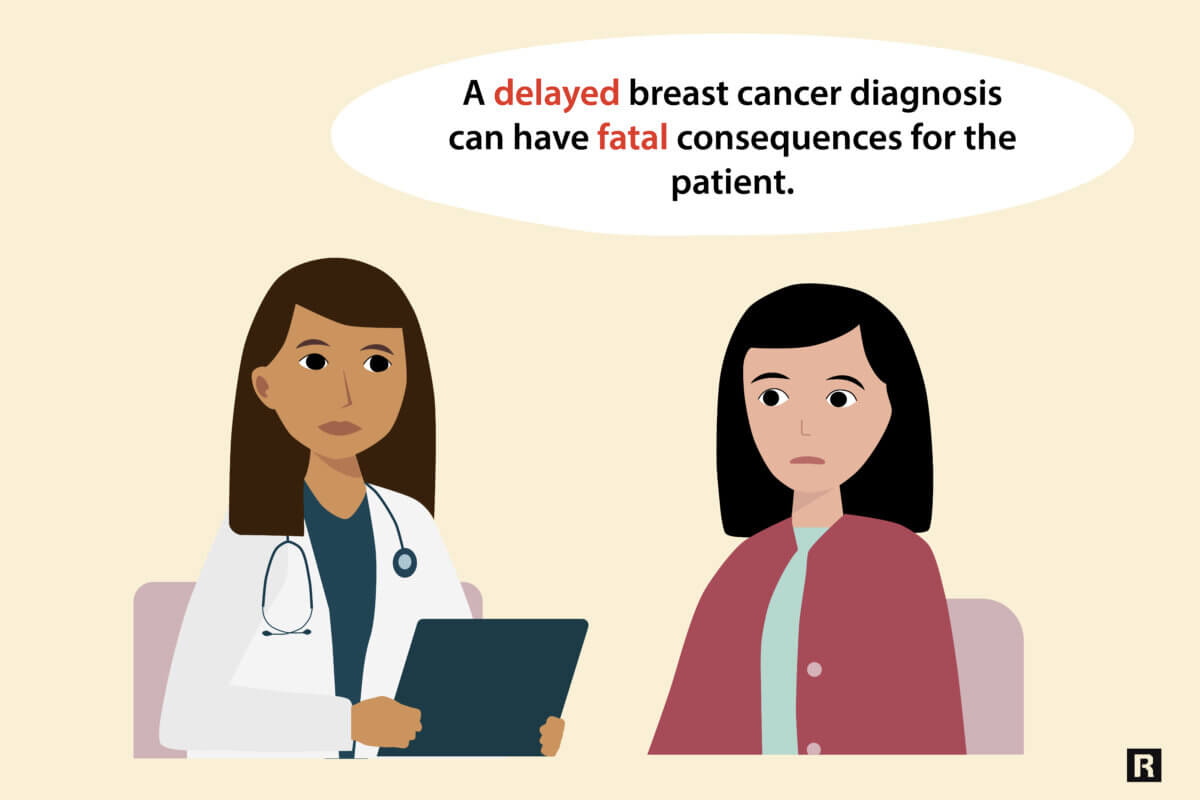
The most common manifestation of cancer malpractice is a delayed diagnosis or a complete misdiagnosis. Because early detection is often the single most critical factor in successful cancer treatment, a delay of even a few months can transform a localized, highly treatable stage into an advanced, aggressive, or terminal condition. To establish a valid claim, a plaintiff must demonstrate four core elements:
- A doctor-patient relationship existed, establishing a legal duty of care.
- The healthcare provider breached that duty by failing to meet the accepted standard of care.
- The breach directly caused injury, such as reduced life expectancy or the need for more radical, disfiguring treatments.
- The patient suffered tangible damages, including medical bills, lost wages, and pain and suffering.
Common Pathways to Diagnostic Errors
Uncovering malpractice often begins with a second opinion or a forensic review of medical records by independent oncology experts. Errors typically occur at distinct junctures within the diagnostic pipeline, ranging from initial primary care consultations to specialized pathology laboratories.
Primary Care and Screening Failures
Many cancer malpractice claims originate in primary care settings where symptoms are misattributed to benign conditions. A persistent cough in a nonsmoker might be treated endlessly as bronchitis without ordering a chest X-ray; rectal bleeding in a young patient might be blamed entirely on hemorrhoids without recommending a colonoscopy or a referral to a gastroenterologist. Failing to order standard screening mammograms, Pap smears, or prostate-specific antigen (PSA) tests when clinically indicated also represents a breach of preventive care standards.
Radiology and Imaging Misinterpretations
Radiologists play a pivotal role in spotting anomalies, but errors are frequent. A radiologist might miss a small pulmonary nodule on a CT scan, mischaracterize a suspicious breast mass as a benign cyst, or fail to communicate incidental findings clearly to the ordering physician. A common point of failure occurs when a radiologist notes a suspicious finding in a report but fails to explicitly recommend immediate follow-up imaging or biopsy, leaving the primary physician to overlook the note.
Pathology and Laboratory Mishaps
Pathology is the definitive gold standard for cancer diagnosis, yet errors still plague laboratories. A pathologist might misread a biopsy slide, confusing malignant cells with benign tissue, or vice versa. Administrative errors can also prove catastrophic, such as mislabeling tissue samples, mixing up patient biopsy slides, or failing to report critical laboratory values to the treating physician in a timely manner.
Evaluating the Impact: Timely Diagnosis vs. Delayed Intervention
The consequences of diagnostic delays are frequently quantified in terms of cancer staging and metastasis. Understanding the difference between catching a malignancy early versus late illustrates why these legal claims are fiercely contested.
| Cancer Stage at Initial Presentation | Standard Treatment Approach | Potential Impact of a 6-Month Delay | Typical Prognosis Implications |
|---|---|---|---|
| Stage 0 / Stage I (Localized) | Minimally invasive surgery, targeted local radiation. | Tumor grows, invades surrounding tissue, or spreads to local lymph nodes. | May progress from highly curable to systemic disease requiring chemotherapy. |
| Stage II (Localized to regional tissue) | Surgery combined with localized radiation or adjuvant therapy. | Micro-metastases spread via bloodstream or lymphatic system to distant organs. | Drastic reduction in 5-year survival rates; increased recurrence risk. |
| Stage III (Regional spread) | Aggressive multimodality therapy (surgery, chemo, radiation). | Extensive regional spread or metastasis to liver, lungs, or bones. | Transition from curative intent to palliative or life-prolonging care. |
| Stage IV (Distant metastasis) | Systemic therapies, immunotherapy, clinical trials. | Rapid functional decline, organ failure, increased symptom burden. | Severe shortening of life expectancy and diminished quality of life. |
Legal Requirements and Procedural Hurdles
Pursuing a cancer malpractice claim is legally and procedurally demanding. Courts and legislatures have established stringent safeguards to prevent frivolous lawsuits, which simultaneously create significant hurdles for genuinely injured patients.
Certificate of Merit and Expert Testimony
In most jurisdictions, a plaintiff cannot simply file a lawsuit and present their story to a jury. State laws frequently require a "Certificate of Merit" or affidavit from a qualified medical expert—typically a practicing oncologist, radiologist, or pathologist—certifying that there is reasonable cause to believe malpractice occurred. Because medical professionals are often reluctant to testify against colleagues, securing a reputable expert witness is frequently the most challenging phase of litigation.
Statutes of Limitations and Repose
Time is of the essence in medical malpractice cases. Every state enforces a statute of limitations, which dictates the strict deadline—often one to three years—from the date of the injury or the discovery of the negligence to file a lawsuit. In cancer cases, the "discovery rule" often applies, meaning the clock starts ticking when the patient discovered, or reasonably should have discovered, that a misdiagnosis occurred. However, many states also enforce a statute of repose, setting an absolute outer limit (e.g., five years) regardless of when the error was discovered, which can extinguish claims before they are brought to light.
Steps to Take When Suspecting Malpractice
If you or a loved one suspects that a delayed cancer diagnosis or medical error occurred, approaching the situation methodically helps protect your health and preserve your legal rights.
- Prioritize Medical Care: Immediately establish care with an independent oncology team at a comprehensive cancer center to get an accurate diagnosis and begin appropriate treatment. Your health is the absolute priority.
- Request Complete Medical Records: Obtain every piece of documentation related to your care, including physician notes, nursing charts, pathology reports, laboratory results, and imaging disks (DICOM files) from hospitals and outpatient clinics.
- Seek a Second Opinion: Ask an independent specialist to review your original imaging and biopsy slides alongside your current scans to determine if the cancer was visible on earlier dates.
- Consult a Specialized Attorney: Speak with a qualified medical malpractice attorney who has a proven track record of handling oncology-related claims and access to credible medical experts. Avoid general practitioners for this specialized litigation.
- Preserve Evidence and Journals: Keep a detailed journal documenting symptoms, conversations with healthcare providers, physical and emotional pain, and the financial impacts of the delayed care.
Frequently Asked Questions
How do I know if my cancer diagnosis was delayed due to negligence?
Determining negligence requires a forensic review of your medical records by an independent medical expert. If an earlier scan or biopsy showed clear signs of cancer that a competent specialist should have identified, and failing to do so allowed the disease to progress, you likely have grounds for a malpractice claim.
What damages can be recovered in a cancer malpractice lawsuit?
Recoverable damages typically include economic losses such as past and future medical bills, lost wages, and diminished earning capacity, as well as non-economic damages like pain, suffering, emotional distress, and loss of consortium. In wrongful death cases, surviving family members may also recover funeral expenses and loss of financial support.
How long do I have to file a cancer malpractice lawsuit?
Statutes of limitations vary significantly by jurisdiction, often ranging from one to three years. While the discovery rule may extend the deadline until the error is uncovered, strict statutes of repose may cap the filing window entirely. It is vital to consult an attorney promptly to avoid missing these deadlines.
Will I have to go to trial?
Most medical malpractice lawsuits do not go to trial; the vast majority are resolved through settlement negotiations or mediation before ever reaching a courtroom. However, preparing the case as if it will go to trial is essential for securing a fair settlement.
Can I sue if the cancer was ultimately cured, but the treatment was harder?
Yes. If a delay in diagnosis forced you to undergo radical, invasive, or disfiguring treatments—such as a full organ removal or harsher chemotherapy regimens—that could have been avoided with a timely diagnosis, you may still recover damages for the physical and emotional toll of those extra interventions.
Conclusion and Next Actions
Uncovering cancer malpractice is an overwhelming experience that merges personal health crises with complex legal realities. If you suspect that medical negligence contributed to delayed cancer treatment, do not attempt to navigate the system alone. Focus fiercely on your medical treatment, gather your comprehensive records, and consult with an experienced medical malpractice attorney who can secure expert evaluations and help you pursue the accountability and compensation you deserve.
Image Gallery