How Old Is Professor Griff? The Life and Legacy of Public Enemy’s Minister of Information
As of 2026, Professor Griff is 66 years old. Born Richard Griffin on January 31, 1960, in Roosevelt, New York, he is best known as the "Minister of Information" for the legendary hip-hop group Public Enemy and the leader of the S1W sec...
As of 2026, Professor Griff is 66 years old. Born Richard Griffin on January 31, 1960, in Roosevelt, New York, he is best known as the "Minister of Information" for the legendary hip-hop group Public Enemy and the leader of the S1W security force.
Contents
Professor Griff remains one of the most polarizing and intellectually significant figures in the history of rap music. To understand his age is to understand the timeline of political hip-hop itself, as his career spans the genre's transition from local New York block parties to a global platform for social and political activism. His presence in Public Enemy provided the group with a disciplined, paramilitary aesthetic and a philosophical backbone that challenged the status quo of the late 1980s and early 1990s.
The Early Years and the Formation of Public Enemy
Richard Griffin’s journey began in Roosevelt, Long Island, a community that played a pivotal role in the development of hip-hop culture. Growing up in the 1960s and 70s, Griffin was immersed in the sociopolitical shifts of the era, which heavily influenced his worldview. Before the world knew him as Professor Griff, he was a member of the Spectrum City mobile DJ crew alongside Carlton Ridenhour (Chuck D) and William Drayton (Flavor Flav).
In the mid-1980s, as Public Enemy was coming together under the Def Jam label, Griffin took on a role that was unprecedented in music: the Minister of Information. This wasn't a musical role in the traditional sense; he didn't rap or produce beats. Instead, he was responsible for the group's ideological direction, public relations, and the management of the S1W (Security of the First World) dancers and security personnel.
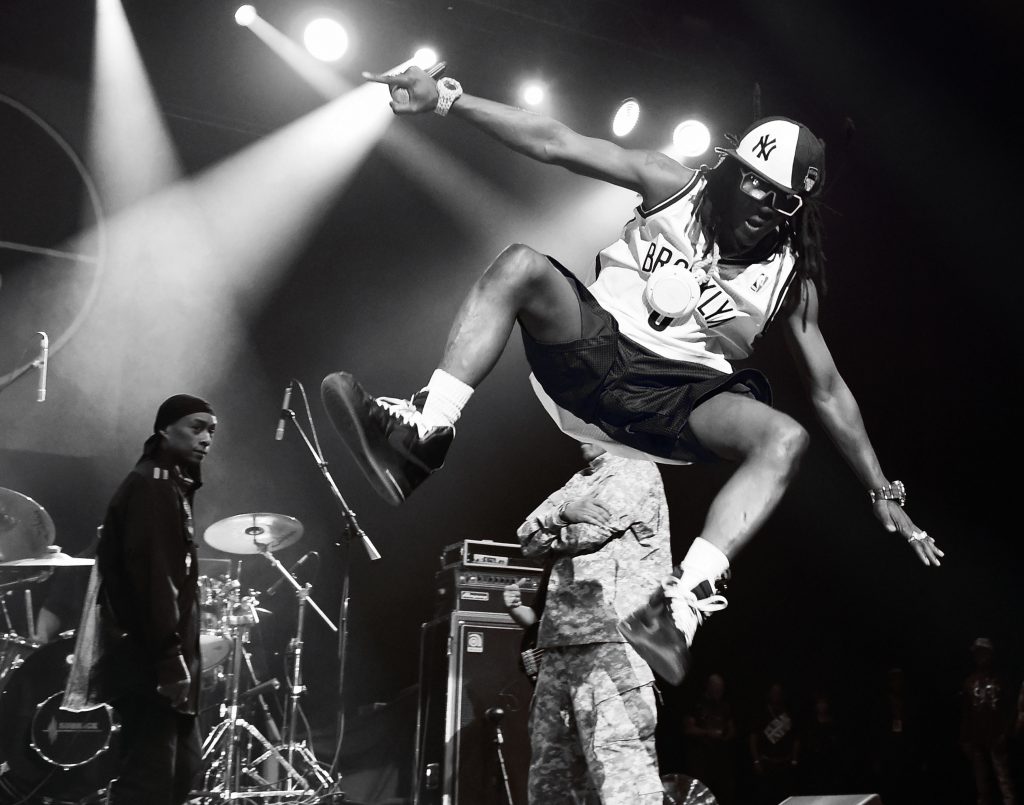
The S1W force, under Griffin’s leadership, became an iconic symbol of Public Enemy. Dressed in military fatigues and carrying Uzi-style water guns (later discarded for martial arts stances), they represented a sense of discipline and black empowerment that resonated deeply with urban youth. This aesthetic helped Public Enemy stand out in a crowded marketplace, signaling that they were more than just a musical group—they were a movement.
The S1W and the Philosophy of the "First World"
One cannot discuss Professor Griff’s legacy without diving into the concept of the S1W. The name "Security of the First World" was a deliberate reversal of geopolitical terminology. While the West often referred to developing nations as "Third World" countries, Griffin and Chuck D argued that African civilizations were the "First World" of human history.
Griffin’s role involved training the S1W members in choreography that combined military drills with traditional African movements and martial arts. This visual representation served a dual purpose:
- Protection: In the early days of hip-hop touring, venues could be volatile. The presence of a disciplined security team ensured the group’s safety.
- Education: The S1Ws were living embodiments of the "Minister of Information’s" teachings on self-respect, history, and community defense.
In 2026, looking back at the 40-year history of Public Enemy, the S1W remains one of the most recognizable "crews" in hip-hop, influencing later groups like Wu-Tang Clan and Dead Prez who adopted similar themes of brotherhood and militant organization.
The 1989 Controversy and Departure
The most significant turning point in Professor Griff’s career occurred in May 1989. During an interview with the Washington Times, Griffin made a series of anti-Semitic remarks that sparked an immediate and intense backlash. The comments created a firestorm of media scrutiny for Public Enemy, particularly as they were preparing to release their seminal album Fear of a Black Planet.
The fallout was immense. Under pressure from the media and the record label, Chuck D initially announced the disbandment of Public Enemy, only to later clarify that Griffin had been dismissed from the group. This period was marked by internal strife and public debate over the limits of artistic expression and the responsibilities of political leaders within the hip-hop community.
Griffin eventually returned to the group for the recording of Fear of a Black Planet, but the relationship remained complicated. Over the ensuing decades, he would leave and rejoin the group multiple times. Despite the controversy, his influence on the group’s early albums—Yo! Bum Rush the Show and It Takes a Nation of Millions to Hold Us Back—is undeniable. These projects are frequently cited as some of the greatest hip-hop albums of all time.
Transition to Authorship and Public Speaking
Following his most active years with Public Enemy, Professor Griff transitioned into a career as an author, lecturer, and independent artist. His focus shifted from the stage to the podium, where he began exploring complex theories regarding the music industry, secret societies, and the psychological impact of media on the African American community.
In his 2026 context, Griff is recognized as a veteran voice in the alternative media space. He has authored several books that dive deep into these subjects, including:
- The Psychological Covert War on Hip Hop: A book that argues the music industry is used as a tool for social engineering and the suppression of revolutionary thought.
- Anarchy After Left: An exploration of political systems and their failure to serve marginalized populations.
Griffin’s lectures often draw large crowds at universities and community centers. He uses his platform to bridge the gap between hip-hop culture and historical scholarship, often challenging his audience to look beyond the surface of popular culture. While some of his theories remain controversial or fringe, his dedication to the "Minister of Information" title has never wavered.
Professor Griff’s Solo Discography and Creative Works
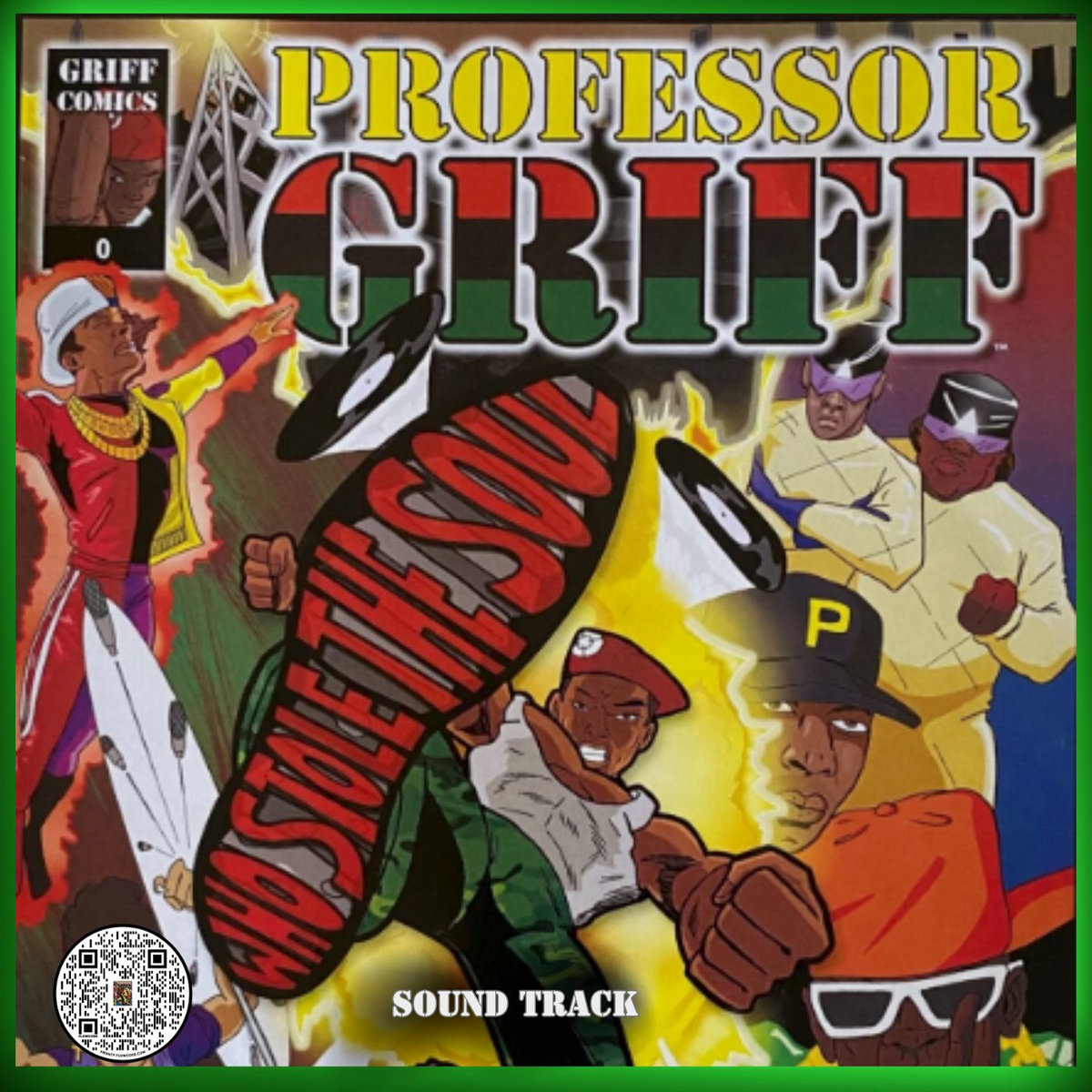
While not as commercially dominant as Public Enemy’s catalog, Griff’s solo musical output provided a direct outlet for his specific ideological views. These albums are often characterized by dense lyricism and a focus on geopolitical issues.
| Year | Title | Notable Themes |
|---|---|---|
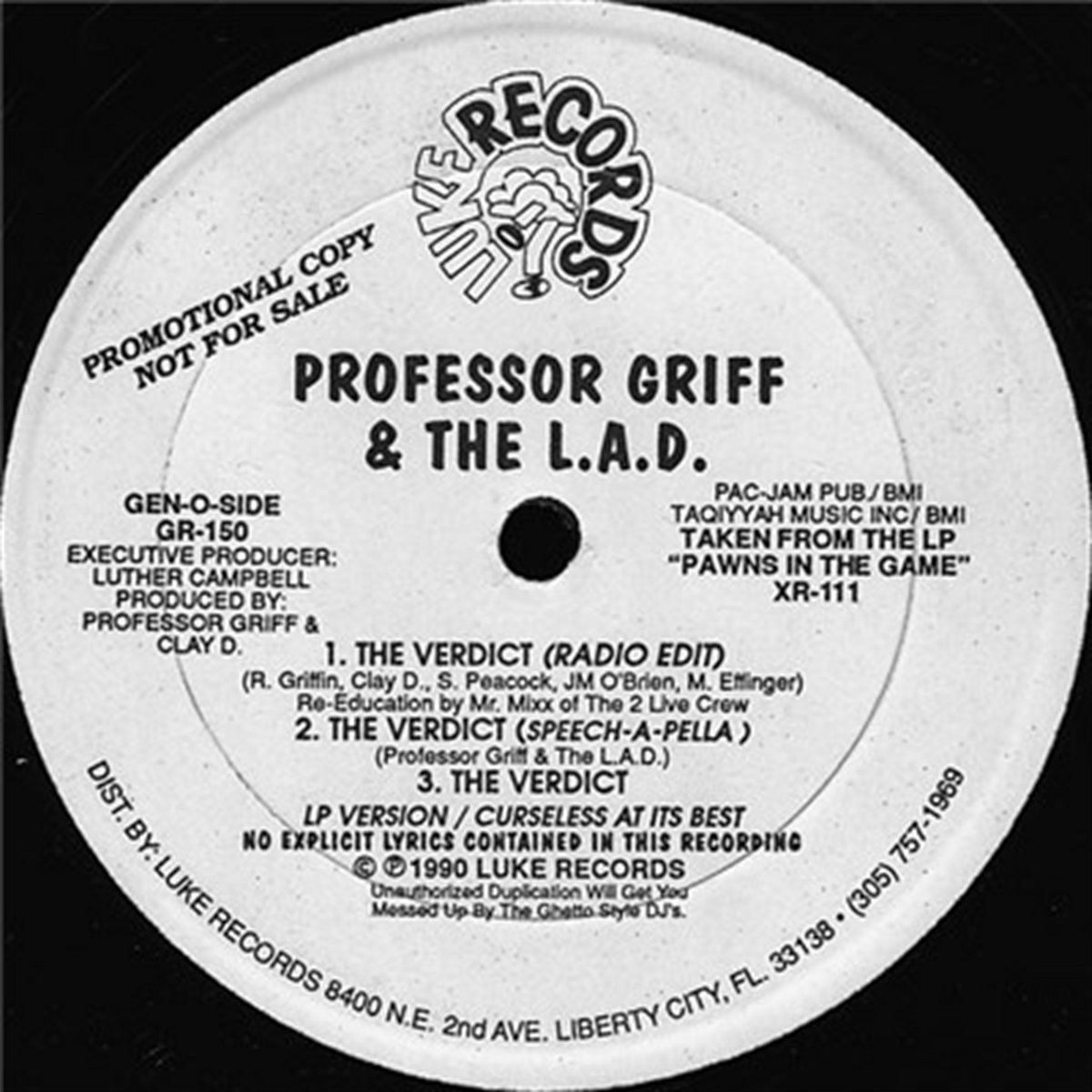
| 1990 | Pawns in the Game | The first solo effort following the 1989 controversy, focusing on media manipulation. |
| 1991 | Kao's II Vizion | A deeper dive into global conspiracies and historical revisionism. |
| 1998 | Blood of the Prophet | A collaboration with the group 7th Octave, blending rap with industrial and rock elements. |
| 2001 | And the Word Became Flesh | A more spoken-word oriented project emphasizing spiritual and mental growth. |
| 2020s | Independent Lectures | Recent years have seen him release direct-to-fan digital content and recorded seminars. |
In 2026, these works are studied by hip-hop historians as examples of the "Protest Rap" subgenre that flourished in the wake of the Golden Era. They serve as a bridge between the militant sound of the late 80s and the underground revolutionary rap of the 2000s.
The Lasting Impact on Political Hip-Hop
Professor Griff’s impact on the culture cannot be measured solely by record sales or age. He served as the intellectual catalyst for a generation of artists who realized that hip-hop could be used as a "CNN for Black people," a phrase famously coined by Chuck D.
By integrating the teachings of leaders like Malcolm X and the Black Panther Party into the framework of a rap group, Griff helped elevate the genre from entertainment to a form of social pedagogy. In 2026, as the music industry continues to grapple with issues of ownership, AI-generated content, and political censorship, Griffin’s warnings about the "covert war on hip hop" have gained renewed interest among younger artists seeking to maintain their creative and intellectual independence.
Public Enemy’s induction into the Rock and Roll Hall of Fame in 2013 further solidified Griffin's place in music history. Despite the friction over the years, the core members—Chuck D, Flavor Flav, and Professor Griff—are collectively recognized for changing the trajectory of popular music.
Frequently Asked Questions
Why was Professor Griff called the "Minister of Information"?
The title was inspired by the organizational structure of the Black Panther Party. In Public Enemy, Griffin was responsible for research, educating the group and the fans on political issues, and managing the S1W security team. He was the "eyes and ears" regarding the sociopolitical climate surrounding the group.
Is Professor Griff still a member of Public Enemy?
His status has changed several times over the decades. While he was a founding member and a key part of the group's "classic" lineup, he has been in and out of the group due to personal and ideological differences. However, his legacy is permanently tied to the group's most influential era.
What are Professor Griff’s most famous books?
His most prominent work is The Psychological Covert War on Hip Hop. It explores his theories on how the music industry operates and its effects on society. He has also written extensively on the "Seven Seals" and various historical topics from an Afrocentric perspective.
Where is Professor Griff now in 2026?
In 2026, Richard Griffin continues to be active as a public speaker, author, and cultural commentator. He frequently appears on podcasts and independent news outlets to discuss the intersection of hip-hop, politics, and global events, maintaining a dedicated following of those interested in alternative history and media analysis.
What was the S1W?
The S1W (Security of the First World) was a group of individuals who provided security and performed synchronized, military-style choreography for Public Enemy. They were led by Professor Griff and were essential to the group's powerful stage presence.
The Path Forward: Engaging with the Legend
For those looking to understand the full scope of Professor Griff’s contributions, the best next step is to explore the primary sources. Listening to Public Enemy’s It Takes a Nation of Millions to Hold Us Back while reading his literary works provides a comprehensive view of how he integrated music with activism.
Whether you agree with his perspectives or not, Professor Griff’s 66 years have been defined by a refusal to be silent. His role in hip-hop remains a testament to the power of a single individual to influence the branding, message, and legacy of an entire cultural movement. As we navigate the complexities of 2026, the "Minister of Information" reminds us that information is, indeed, the most powerful tool in any revolution.
Image Gallery