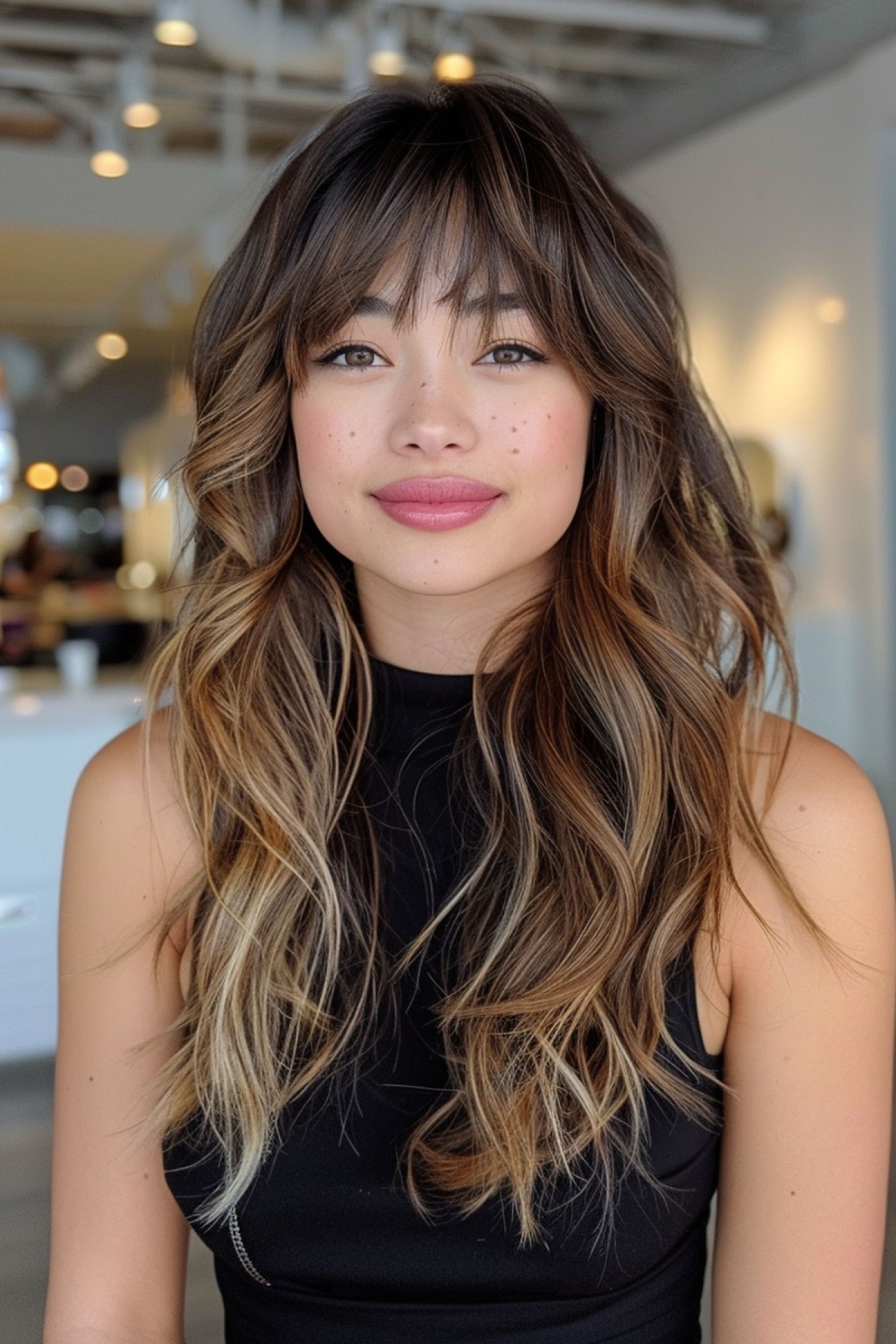
The Ultimate Guide to Achieving and Maintaining Choppy Layers in Long Hair for 2026
The trend of choppy layers in long hair continues to dominate the aesthetic landscape of 2026, shifting away from the uniform, blunt cuts of previous seasons toward a more dynamic, textured, and personalized approach. This style utiliz...
The trend of choppy layers in long hair continues to dominate the aesthetic landscape of 2026, shifting away from the uniform, blunt cuts of previous seasons toward a more dynamic, textured, and personalized approach. This style utilizes a strategic graduation of lengths to create movement, volume, and an edgy visual interest while preserving the desired overall length of the hair. Whether you are aiming for a rock-inspired shaggy look or a refined, modern face-framing effect, the technical execution remains paramount.
Contents
Understanding the Technical Architecture of Choppy Layering
At its core, a choppy layer is a vertical or diagonal cutting technique that removes weight from the mid-lengths and ends rather than creating a smooth, blended transition. Unlike traditional "feathered" layers that aim for a seamless melt, choppy layers embrace distinct separation. By using point-cutting shears or specialized texturizing razors, a stylist can create a jagged, uneven perimeter that mimics natural bedhead volume.
In 2026, the focus has shifted toward "Internal Structural Texturizing." This method involves cutting sections of hair while they are elevated at specific angles to ensure the weight is removed from the interior of the hair shaft. This provides a structural base that supports the "choppy" aesthetic without leaving the hair looking thin or brittle.
Comparative Analysis of Layering Techniques for Long Hair
When deciding on a haircut in 2026, it is vital to understand the difference between standard layering and the specific choppy aesthetic. The following table illustrates the key technical variances between these approaches.
| Technique | Primary Goal | Weight Distribution | Recommended Hair Texture |
|---|---|---|---|
| Uniform Layers | Even volume/Shape | Distributed evenly | Medium, Straight |
| Choppy Layers | Texture/Movement | Heavily reduced at ends | Wavy, Coarse, Thick |
| Invisible Layers | Frizz control | Removed internally | Fine, Fragile |
| Face-Framing Layers | Facial contouring | Focused on front sections | Any |
Professional Execution and Maintenance Standards
For those seeking to achieve this look, professional consultation is non-negotiable. Because choppy layers involve removing significant volume, individuals with fine or thinning hair must approach this style with caution. In 2026, the industry standard for maintaining these layers involves a specialized "Dusting" technique every 8 to 10 weeks. This prevents the ends of the layers from splitting, which is a common failure point for highly textured, choppy cuts.
To successfully manage your layers at home, you must invest in moisture-balancing products. Choppy cuts expose more of the hair cuticle, making them susceptible to environmental dryness.
Professional Stylist Recommendations for 2026
Thermal Protection is Mandatory Because choppy layers often require the use of hot tools to define the jagged ends, applying a high-quality thermal protectant is the most effective way to prevent mid-shaft breakage.
The Importance of Texturizing Mists Moving away from heavy pomades, 2026 trends favor lightweight salt-free texturizing sprays. These products provide the necessary grip for choppy layers to hold their shape without weighing down the hair.
Strategic Styling for 2026 Trends
The current styling philosophy emphasizes "lived-in" movement. Instead of using a high-heat flat iron to achieve a sleek finish, experts suggest using a ceramic wand to create soft, irregular bends. By wrapping random sections of hair around the wand at different directions, you enhance the choppy nature of the layers.
- Start by applying a volumizing mousse to damp roots.
- Rough-dry the hair until it is 80% dry, using your fingers to lift the roots.
- Once completely dry, use a 1.25-inch curling barrel to introduce "broken" curls.
- Finish with a medium-hold dry wax to define the individual choppy tips.
Addressing Challenges with Texture and Growth
One frequent issue with choppy layering is the risk of the "mullet effect," where the top layers are cut too short relative to the bottom. In 2026, the gold standard is the "Graduated Connection." This ensures that while the layers look separate and jagged, there is a hidden, underlying length that connects the top to the bottom, maintaining the integrity of the long hair.
If your layers have become too short or the ends appear "stringy," consider a "precision point-cut" update. This service involves your stylist going back through the ends to blunt the very tip of the layers while keeping the jagged texture in the mid-lengths.
Frequently Asked Questions (FAQ)
Will choppy layers make my thin hair look even thinner?
Yes, if executed incorrectly. To avoid this, ask your stylist to focus the choppy texture only on the bottom third of your hair rather than starting the layers near the crown.
How often should I get my choppy layers trimmed?
You should schedule a trim every 8 to 10 weeks to maintain the edge of the layers. Waiting longer than 12 weeks often causes the layers to lose their shape and look messy rather than intentional.
Can I achieve this look if I have curly hair?
Absolutely, though the technique differs. Curly hair requires "dry-cutting" to ensure the layers sit correctly within the natural coil pattern of your hair.
What is the best product to define the layers?
For 2026, high-shine grooming creams and lightweight dry texture sprays are the most recommended products to define layers without causing buildup or crunch.
Do I need to use heat tools to make the layers look good?
Not necessarily. While heat tools define the look, you can achieve a natural choppy aesthetic by applying a texturizing foam to damp hair and allowing it to air-dry in two loose, twisted braids.
Consult Your Stylist for a Personalized Assessment
Before finalizing your appointment in 2026, bring visual references that showcase the specific density of your hair type. A professional stylist will assess your hair's elasticity and density to ensure the choppy layers enhance your features rather than overwhelming them. Proper communication regarding your desired maintenance level will dictate whether your stylist employs a more aggressive texturizing razor or a softer, scissor-only approach.
Image Gallery