Who Is the Owner of Urban Decay?
Urban Decay is currently owned by the L'Oréal Group, the world’s largest cosmetics and beauty company. Since its acquisition in 2012, Urban Decay has been a flagship brand within the L'Oréal Luxe division, which manages a portfolio of...
Urban Decay is currently owned by the L'Oréal Group, the world’s largest cosmetics and beauty company. Since its acquisition in 2012, Urban Decay has been a flagship brand within the L'Oréal Luxe division, which manages a portfolio of high-end prestige beauty labels including Lancôme, Yves Saint Laurent, and Kiehl’s.
Contents
The Acquisition of Urban Decay by L'Oréal
The definitive shift in Urban Decay's history occurred in late 2012. On November 26, 2012, the L'Oréal Group announced it had signed an agreement to acquire Urban Decay from its previous owner, the private equity firm Castanea Partners. The deal was finalized in early December 2012, after receiving the necessary regulatory approvals.
While the exact purchase price was not officially disclosed by L'Oréal, industry analysts at the time estimated the transaction value to be between $300 million and $400 million. For L'Oréal, the acquisition was a strategic move to strengthen its position in the "prestige" makeup market, specifically targeting a younger, trend-conscious demographic that the existing L'Oréal brands hadn't fully captured.
Urban Decay brought a unique "edgy" and "alternative" identity to the L'Oréal Luxe portfolio. At the time of the purchase, Urban Decay was one of the fastest-growing makeup brands in the United States, driven largely by the massive success of its "Naked" palette franchise and a strong digital presence.
The Evolution of Urban Decay’s Ownership
Before becoming a cornerstone of the L'Oréal empire, Urban Decay passed through several different hands. The brand's ownership history reflects the broader trends of consolidation in the beauty industry over the last three decades.
Founding and Early Years (1996–2000)
Urban Decay was founded in January 1996 by Sandy Lerner (a co-founder of Cisco Systems), Wende Zomnir, David Enani, and Patricia Holmes. The brand was born as a reaction against the sea of pink and beige that dominated the cosmetics industry in the mid-90s. With its first advertisement asking, "Does Pink Make You Puke?", the brand established itself as an independent, rebellious force in beauty.
The LVMH Era (2000–2002)
Recognizing the brand's rapid growth and cultural impact, the luxury conglomerate LVMH (Moët Hennessy Louis Vuitton) acquired Urban Decay in 2000. LVMH placed the brand under its Sephora umbrella, aiming to expand its reach. However, this period was relatively short-lived as LVMH began restructuring its beauty portfolio shortly thereafter.
Falic Fashion Group and Castanea Partners (2002–2012)
In 2002, LVMH sold Urban Decay to the Falic Fashion Group, a Florida-based company primarily known for its duty-free retail operations. Under the Falic family, the brand continued to build its cult following. In 2009, the brand saw another shift when Castanea Partners, a private equity firm specializing in consumer brands, acquired a majority stake. It was under Castanea's guidance that Urban Decay launched the original Naked Palette in 2010, which became a global phenomenon and paved the way for the L'Oréal acquisition two years later.
Urban Decay within the L'Oréal Luxe Division
As of 2026, Urban Decay continues to operate under the L'Oréal Luxe umbrella. This division is headquartered in Paris, France, but Urban Decay maintains a significant creative and operational presence in its longtime home of Southern California.
Being part of L'Oréal Luxe provides Urban Decay with several critical advantages:
- Global Distribution: L'Oréal's massive supply chain allows Urban Decay to be sold in nearly every major international market, including Europe, Asia, and the Middle East.
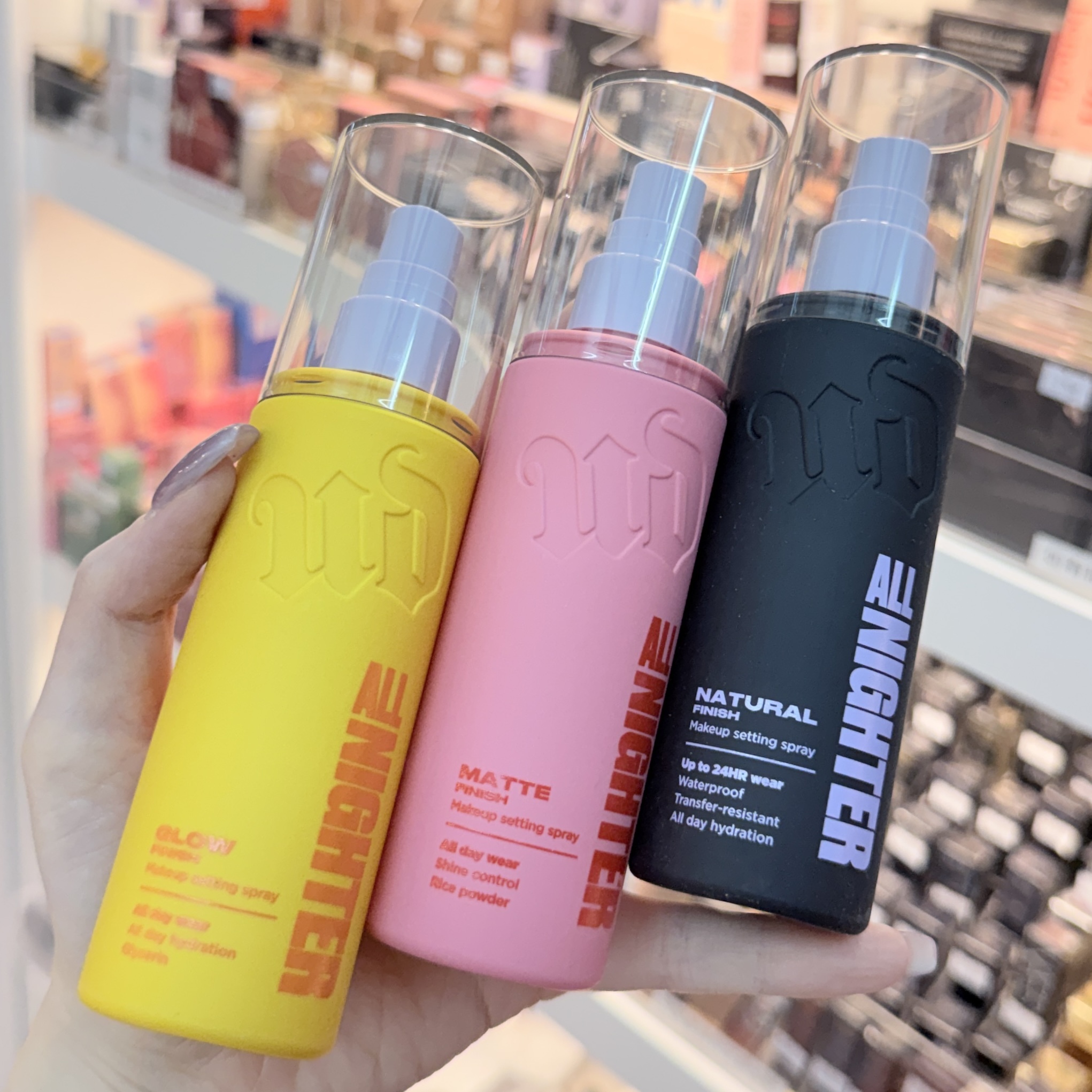
- Research and Innovation: Urban Decay has access to L'Oréal’s world-class research and development (R&D) facilities, which contribute to the formulation of their long-wear products like the All Nighter Setting Spray.
- Marketing Power: The brand benefits from the collective bargaining power and media relationships of the world’s largest advertiser.
| Era | Owner | Key Milestone |
|---|---|---|
| 1996–2000 | Founders (Sandy Lerner, Wende Zomnir, et al.) | Launch of the brand with "alternative" colors. |
| 2000–2002 | LVMH | Entry into the luxury conglomerate market. |
| 2002–2009 | Falic Fashion Group | Growth in duty-free and international retail. |
| 2009–2012 | Castanea Partners | Launch of the "Naked Palette" franchise. |
| 2012–Present | L'Oréal Group | Global expansion and digital dominance. |
Leadership and the Role of the Founders
One of the most significant aspects of the L'Oréal acquisition was the retention of key founding talent for several years post-sale. Wende Zomnir, the co-founder and face of the brand, remained as the Chief Creative Officer (CCO) for nearly a decade after the L'Oréal deal. Her involvement ensured that the brand’s "Beauty with an Edge" philosophy remained intact even under corporate ownership.
However, in 2021, Wende Zomnir officially stepped away from her daily role at Urban Decay to launch a new sustainable beauty brand, Caliray. Since her departure, the brand's leadership has transitioned to L'Oréal executives who focus on maintaining the brand's legacy while adapting to the 2026 beauty landscape, which emphasizes inclusivity, digital-first experiences, and sustainable packaging.
Ethical Stance and Ownership Transparency
A common question regarding Urban Decay's ownership by L'Oréal involves the brand's ethical commitments, particularly its cruelty-free status.
Urban Decay was founded as a cruelty-free brand and has maintained its certification from PETA. Despite being owned by L'Oréal—a company that has faced scrutiny regarding animal testing in certain global markets—Urban Decay remains firmly committed to not testing its products on animals.
L'Oréal has navigated this by allowing its subsidiary brands to maintain their individual certifications. Urban Decay does not sell its products in mainland China in ways that would require animal testing by law, a decision that supports its standing with animal rights organizations. For consumers in 2026, this distinction is vital; while the parent company manages the finances and logistics, the brand’s core ethical values are managed at the label level.
Market Positioning and 2026 Outlook
In the current market of 2026, Urban Decay occupies the "Prestige" or "Masstige" (mass-prestige) tier. It is positioned as more accessible than high-fashion brands like Chanel or Dior, but more premium than drugstore brands like Maybelline (which is also owned by L'Oréal).
The brand has evolved from its grunge-inspired roots to become a leader in the "functional glam" space. Products like the All Nighter series and the various iterations of the Naked collection remain top sellers globally. Under L'Oréal's ownership, the brand has also aggressively pursued collaborations with celebrities and pop-culture franchises to maintain its cultural relevance among Gen Z and Alpha consumers.
Frequently Asked Questions
Is Urban Decay still cruelty-free under L'Oréal ownership?
Yes, Urban Decay is certified cruelty-free by PETA. While its parent company, L'Oréal, operates in markets where animal testing may be required for certain products, Urban Decay itself does not conduct animal testing on its formulations or ingredients and maintains a strict policy against it.
Who is the CEO of Urban Decay?
As a subsidiary of L'Oréal, Urban Decay does not always have a standalone "CEO" in the traditional sense. Instead, it is managed by a Global Brand President. This executive reports to the President of the L'Oréal Luxe division. The leadership focuses on harmonizing the brand's creative identity with L'Oréal's global business objectives.
When exactly did L'Oréal buy Urban Decay?
L'Oréal announced the acquisition on November 26, 2012, and the deal was finalized in December 2012. Before this, the brand was owned by the private equity firm Castanea Partners.
Did the founders make money from the sale to L'Oréal?
While specific payouts are private, the founders and the majority shareholders (Castanea Partners) significantly profited from the sale. Wende Zomnir continued to work with the brand for years afterward, ensuring her vision continued during the integration into L'Oréal.
Does Urban Decay own other brands?
No, Urban Decay is an individual brand within a portfolio. It does not own other companies. It is a "sister brand" to other L'Oréal-owned labels like IT Cosmetics, NYX Professional Makeup, and Maybelline.
Final Recommendation for Consumers
When researching the ownership of Urban Decay, it is important to distinguish between the brand's creative identity and its corporate backing. For those who value the brand’s original "alternative" spirit, Urban Decay continues to prioritize high-pigment, long-wear products that challenge traditional beauty norms. If your purchasing decisions are based on ethical certifications, you can remain confident in their cruelty-free status, even as they operate under the L'Oréal Group's global umbrella.
Image Gallery