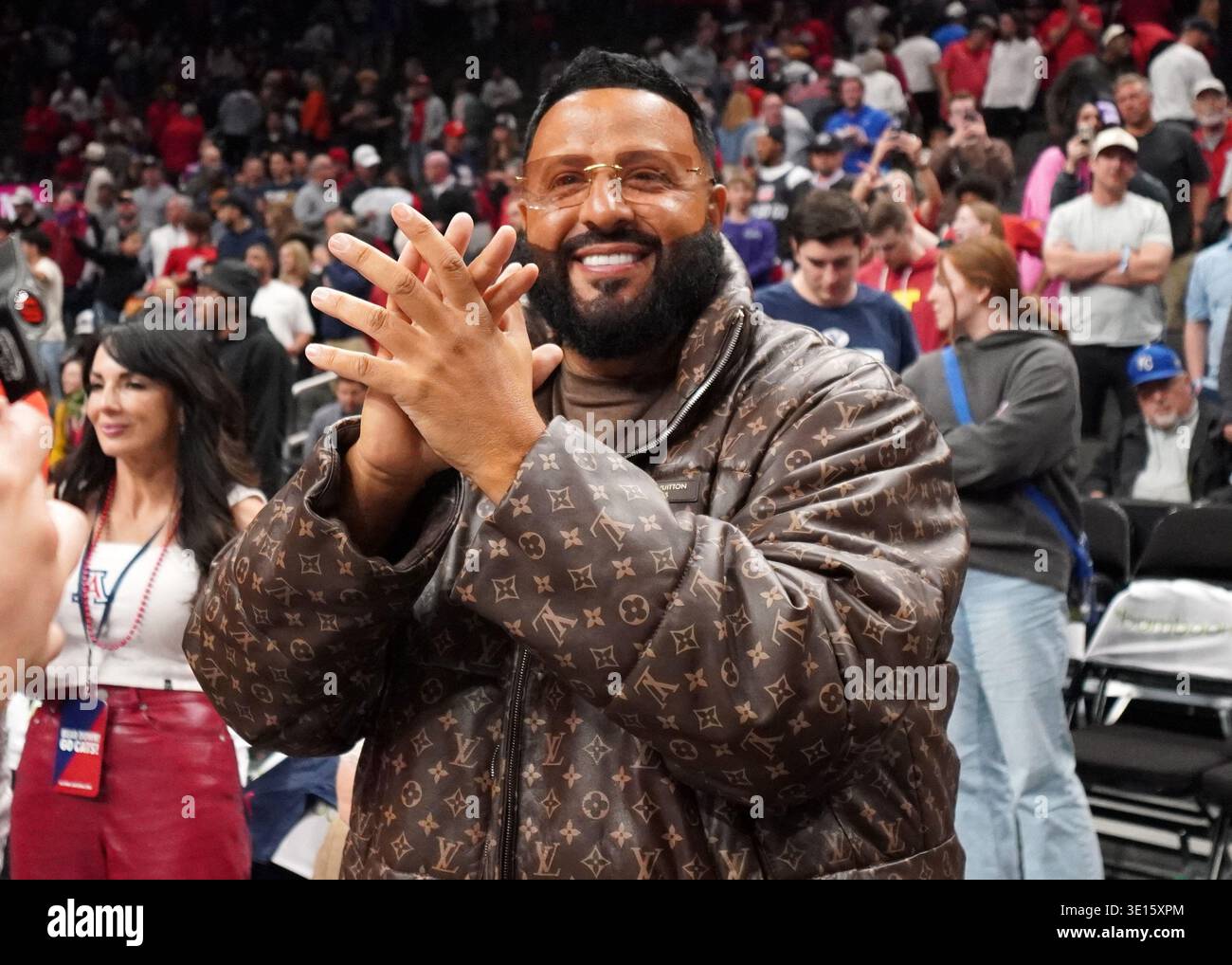
DJ Khaled in Politics for 2026: Fact-Checking Candidacy Rumors and Examining His Civic Impact
DJ Khaled is not running for political office in 2026, nor has he filed formal candidacy paperwork with the Federal Election Commission or state election boards. While internet speculation occasionally links high-profile music figures...
DJ Khaled is not running for political office in 2026, nor has he filed formal candidacy paperwork with the Federal Election Commission or state election boards. While internet speculation occasionally links high-profile music figures to public office, DJ Khaled’s political involvement remains focused on non-partisan civic engagement, youth education advocacy, and voter mobilization initiatives.
Contents
Fact Check: Is DJ Khaled Running for Political Office in 2026?
Viral social media posts and speculative online forums periodically generate rumors regarding entertainment personalities entering electoral politics. In the case of DJ Khaled (born Khaled Mohamed Khaled), there is no official record, regulatory filing, or announcement indicating a campaign for public office in 2026.
To run for federal office in the United States, such as the U.S. Senate or House of Representatives, an individual must register a principal campaign committee with the Federal Election Commission (FEC) once campaign contributions or expenditures exceed $5,000. Searchable databases maintained by the FEC contain no active statement of candidacy or organization filings for DJ Khaled for the 2026 election cycle. Similarly, state-level election authorities in Florida—where Khaled maintains his primary residence and business headquarters—show no filings for municipal, county, or state-level administrative or legislative offices.
Public commentary from Khaled has consistently prioritized his career as an executive, record producer, author, and entrepreneur. While he frequently utilizes his global brand platform to discuss economic empowerment, community upliftment, and youth education, these efforts operate strictly within philanthropic and promotional frameworks rather than political campaigning.
DJ Khaled’s History of Political and Civic Engagement
Although DJ Khaled is not an elected official or active candidate, his career includes high-visibility participation in civic campaigns, non-partisan advocacy, and government-adjacent cultural outreach. Understanding his actual relationship with public policy requires reviewing his historical interactions with political institutions and civic movements.
White House Collaborations and Executive Outreach
During the administration of President Barack Obama, the White House actively sought partnerships with influential figures in entertainment and hip-hop culture to amplify policy messaging targeted at younger demographics. In 2016, DJ Khaled was among a select group of music executives and artists invited to the White House to support the "My Brother's Keeper" initiative. Launched in 2014, this initiative focused on addressing opportunity gaps facing young men of color through mentorship, educational access, and community intervention.
Khaled participated in executive panel discussions and used his vast social media reach—particularly on Snapchat and Instagram—to broadcast messages centered on perseverance, educational achievement, and financial literacy directly from the West Wing. These engagements demonstrated how public figures can serve as communication channels for federal policy priorities without endorsing specific political candidates or holding government positions.
Voter Registration and Mobilization Efforts
In addition to federal policy outreach, Khaled has participated in non-partisan Get Out The Vote (GOTV) initiatives ahead of major mid-term and presidential elections. Organizations such as Rock the Vote and the Hip Hop Caucus have leveraged his catchphrases and public persona to encourage election participation among young voters and first-time registrants.
Rather than advocating for specific legislative proposals or partisan platforms, Khaled’s public civic messaging typically focuses on:
- Voter Awareness: Encouraging young people to register and participate in local, state, and national elections.
- Educational Equity: Partnering with organizations like Get Schooled to address high school dropout rates and promote college accessibility.
- Disaster Relief and Community Aid: Organizing charitable drives and donations through his We the Best Foundation to support underserved communities in South Florida and beyond.
The Intersection of Hip-Hop Culture and Electoral Politics
The interest surrounding potential political campaigns by music executives like DJ Khaled stems from a broader historical trend: the growing convergence of hip-hop culture, celebrity endorsements, and electoral politics.
Since the late 20th century, hip-hop has functioned as both a socio-political voice for urban communities and a powerful commercial force. Political campaigns increasingly recognize that cultural influencers possess direct communication lines to key voter demographics that traditional political advertising often fails to reach effectively.
| EVOLUTION OF HIP-HOP CIVIC ENGAGEMENT |
|---|
| 1990s: Grassroots Mobilization (e.g., Rock the Vote, Voter Education) |
| 2000s: Presidential Campaign Integration & Strategic Endorsements |
| 2010s: Direct Policy Advocacy (e.g., Criminal Justice Reform, White House Forums) |
| 2020s: High-Profile Candidacy Speculation vs. Non-Partisan Philanthropy |
Major political parties regularly enlist hip-hop artists to drive voter turnout in key metropolitan areas. However, a distinct boundary usually exists between cultural influence and direct political candidacy. While some entertainment figures have transitioned into formal political careers, the vast majority serve as external amplifiers for established political organizations or independent civic causes.
Comparative Overview: High-Profile Music Figures and Political Roles
To contextualize DJ Khaled’s civic profile alongside other prominent figures in the music industry, the following table compares different levels of political involvement, ranging from non-partisan advocacy to formal electoral candidacies.
| Public Figure | Primary Civic / Political Role | Formal Political Office Run? | Key Initiatives & Focus Areas |
|---|---|---|---|
| DJ Khaled | Non-Partisan Advocate & Philanthropist | No | Youth education (Get Schooled), voter mobilization, mentorship (My Brother's Keeper). |
| Kanye West (Ye) | Independent Political Candidate | Yes (2020 Presidential Election) | Formed the "Birthday Party"; platform focused on education, housing, and faith-based initiatives. |
| Wyclef Jean | Candidate for Foreign Public Office | Yes (2010 Haitian Presidential Election) | Earthquakes relief advocacy; candidacy was ultimately ruled ineligible due to residency rules. |
| Chance the Rapper | Local Activist & Education Advocate | No | Public school funding in Chicago, criminal justice reform, local community development. |
| Killer Mike | Political Commentator & Grassroots Activist | No | Economic empowerment for minority-owned banks, criminal justice policy, presidential endorsements. |
This comparison highlights that direct political candidacies among major recording artists remain rare exceptions. Most executives and performers prefer to operate through non-profit foundations, campaign endorsements, and grassroots activism, avoiding the legal, financial, and regulatory scrutiny associated with running for elected office.
Public Perceptions and Mechanics of Celebrity Political Speculation
Why do rumors regarding figures like DJ Khaled running for office in 2026 gain traction online? Several factors explain the persistence of celebrity political speculation in modern media ecosystems.
Social Media Amplification and Satire
Online platforms reward attention-grabbing headlines and viral content. Memes suggesting unconventional political runs are frequently created as commentary, satire, or engagement bait. Due to algorithms prioritizing high-interaction posts, satirical content often gets detached from its original context, leading casual readers to misinterpret jokes or hypothetical discussions as genuine political developments.
The Low Barrier to Speculative Reporting
In digital journalism, speculative coverage regarding potential political candidates often precedes formal declarations by months or years. Bloggers and commentators frequently generate lists of unconventional potential candidates for upcoming election cycles, such as 2026, based solely on public popularity, wealth, or charismatic appeal rather than actual political intent or campaign infrastructure.
Legal and Regulatory Requirements for Candidacy
Running a legitimate political campaign in the U.S. involves legal obligations that starkly contrast with maintaining a commercial entertainment brand. Candidates facing major elections must comply with strict statutory guidelines, including:
- Financial Disclosures: Filing comprehensive personal financial disclosures with ethics officials, detailing personal assets, investments, income sources, and liabilities.
- Campaign Finance Laws: Operating under strict limits on individual contributions, prohibition of corporate self-dealing, and detailed public reporting of every expenditure.
- Conflict-of-Interest Rules: Disentangling commercial business partnerships, brand endorsements, and corporate sponsorships from political campaign activities to avoid ethics violations.
For a multi-faceted entrepreneur with broad commercial licensing deals, endorsement contracts, and media ventures like DJ Khaled, entering formal politics would require severe restructuring of corporate holdings and public partnerships—a major disincentive for any non-career politician.
How to Verify Official Political Candidacies
In an era of rapid information sharing, verifying whether a public figure is actually running for office in 2026 requires consulting primary, official sources rather than relying on social media posts or unverified news reports.
- Unverified Online Claim / Social Media Post
- Check Official Federal or State Databases
- Federal Election Commission (FEC.gov)
- State Division of Elections (e.g., Florida Secretary of State)
- Review Verified Primary Statements
- Official Press Releases
- Direct Public Statements by Representative
- Confirm Candidate Status: Active vs. Unfounded Rumor
Step 1: Search Federal Election Commission (FEC) Records
For federal offices (President, Senate, House), visit the official Federal Election Commission Candidate Search. Search by the legal name of the individual. Every person who has filed Form 2 (Statement of Candidacy) will appear with an official Candidate ID, registered committee name, and financial summary.
Step 2: Check State Election Division Registries
For state-level offices (Governor, State Senate, Attorney General), consult the specific state’s Division of Elections website. For Florida, the Florida Department of State Division of Elections maintains a publicly accessible candidate tracking database listing all qualified and declared candidates for upcoming state election cycles.
Step 3: Review Verified Press Releases and Legal Notices
Legitimate political campaigns announce candidacies through formal press briefings, campaign launch videos, and official press releases distributed to major news wires. If a claimed candidacy appears only on entertainment blogs or social media forums without primary source documentation, it is almost certainly unfounded.
Frequently Asked Questions
Has DJ Khaled filed FEC paperwork for a 2026 campaign?
No. There are no records or statements of candidacy filed under DJ Khaled’s legal name (Khaled Mohamed Khaled) or any associated campaign committee with the Federal Election Commission for the 2026 election cycle.
Has DJ Khaled expressed interest in holding public office?
DJ Khaled has not publicly expressed a desire or intent to run for elected public office. In media interviews and public appearances, he consistently frames his long-term goals around music production, business ventures, publishing, and philanthropic work.
What is the We the Best Foundation?
The We the Best Foundation is a 501(c)(3) non-profit organization founded by DJ Khaled. It focuses on supporting underserved communities, providing educational scholarships, funding financial literacy programs, and offering emergency relief assistance. It is a philanthropic entity, not a political action committee (PAC).
Can celebrities run for office without prior political experience?
Yes. The United States Constitution establishes age, citizenship, and residency requirements for federal office (e.g., 35 years old and natural-born citizenship for the Presidency; 30 years old and 9 years citizenship for the Senate), but does not require prior military, legal, or governmental experience.
Why do celebrity political rumors surface frequently before election years?
Celebrity political rumors often surface due to online satire, viral social media memes, and media commentary speculating on public figures with high brand recognition. These stories generate high user engagement, even in the complete absence of formal political filings or real-world campaign activity.
Next Actions for Media Consumers and Voters
When encountering news regarding high-profile political candidacies or non-traditional political contenders for 2026, keep these actionable strategies in mind:
- Cross-Reference Secondary Coverage with Primary Sources: Always check the FEC database or state election supervisor portals before sharing breaking political news concerning media personalities.
- Distinguish Advocacy from Candidacy: Recognize that celebrities participating in non-partisan voter drives, White House visits, or charitable foundation initiatives are engaging in public service or brand advocacy, not launching political campaigns.
- Monitor Local Election Boards: For voters seeking accurate candidate lists for local, state, and federal elections in 2026, consult your local county supervisor of elections or state election division for official sample ballots and candidate rosters.
Image Gallery