Sylvia Plath Family: Exploring the Relationships and Legacies of the Confessional Poet
Sylvia Plath’s family was the primary crucible for her literary genius, providing the intense emotional material that fueled her "Confessional" poetry and her semi-autobiographical novel, The Bell Jar. Her life was defined by the early...
Sylvia Plath’s family was the primary crucible for her literary genius, providing the intense emotional material that fueled her "Confessional" poetry and her semi-autobiographical novel, The Bell Jar. Her life was defined by the early loss of her father, Otto Plath, her complex bond with her mother, Aurelia, and her volatile, high-profile marriage to fellow poet Ted Hughes.
Contents
The trajectory of the Sylvia Plath family narrative is not merely a biographical curiosity; it is essential for understanding the psychological underpinnings of 20th-century American and British literature. From the rigid academic household of her childhood in Massachusetts to the rural isolation of her final years in Devon, England, each family member played a distinct role in shaping her creative output and the posthumous management of her estate.
The Foundation: Otto and Aurelia Plath
To understand Sylvia Plath, one must begin with her parents, whose disparate personalities and backgrounds created a household of high intellectual expectations and emotional restraint.
Otto Plath: The "Colossus"
Otto Emil Plath (1885–1940) was a German-born professor of biology and German at Boston University. He was a noted entomologist, specializing in the study of bumblebees. His presence in Sylvia’s life was brief but monumental. He died when she was just eight years old due to complications from untreated diabetes, following a leg amputation he had undergone too late.
Otto’s death became the central trauma of Sylvia’s life. In her poetry, most notably in "Daddy," she characterizes him as a towering, patriarchal figure—a "colossus" or a "Nazi"—symbolizing her struggle with authority and the "Electra complex" that scholars frequently analyze. His identity as an immigrant and an academic instilled in Sylvia a rigorous work ethic and a lifelong obsession with perfection and achievement.
Aurelia Schober Plath: The "Letters Home" Perspective
Aurelia Schober Plath (1906–1994) was Otto’s former student and twenty-one years his junior. After Otto’s death, she raised Sylvia and her younger brother, Warren, as a single mother in Wellesley, Massachusetts, working as a teacher of secretarial studies.
The relationship between Sylvia and Aurelia was deeply symbiotic and fraught with tension. Sylvia’s letters to her mother, later published as Letters Home (1975), reveal a daughter desperate to please and share her successes. However, in The Bell Jar, the mother character is portrayed as conventional and suffocating. This duality reflects Sylvia’s internal conflict: the "all-American girl" she tried to be for her mother versus the dark, depressed interior life she inhabited. Aurelia spent much of her later life defending Sylvia’s memory while simultaneously trying to mitigate the harsh depictions of their family life found in Sylvia’s later work.
The Brother: Warren Plath
Warren Plath, born in 1935, was Sylvia’s only sibling. While he remained largely out of the public eye compared to the rest of the family, he was a steadying presence in Sylvia’s youth. In her early journals and letters, she expresses a protective yet competitive affection for him. Warren survived his sister by many decades, maintaining a private life that stood in stark contrast to the sensationalized public discourse surrounding his sister and brother-in-law.
The Marriage: Sylvia Plath and Ted Hughes
In February 1956, while studying at Cambridge University on a Fulbright Scholarship, Sylvia Plath met Ted Hughes (1930–1998) at a launch party for the St. Botolph’s Review. Their meeting is legendary in literary circles—a visceral, immediate attraction that led to their marriage just four months later on June 16, 1956.
A Literary Partnership
For several years, the Plath-Hughes marriage was a powerhouse of mutual inspiration. They served as each other's first readers and editors. Hughes encouraged Plath to explore the darker, more visceral themes of nature and mythology, moving her away from the "tight," overly-structured poems of her youth. Together, they navigated the challenges of freelance writing and early parenthood, living in both the United States and the United Kingdom.
The Breakdown and Assia Wevill
The marriage began to crumble in 1962. The primary catalyst was Hughes’s affair with Assia Wevill, the wife of poet David Wevill. The discovery of the affair led to a legal separation in the autumn of 1962. Plath moved to London with their two young children during one of the coldest winters on record. It was during this period of isolation and emotional upheaval that she wrote the majority of the poems in Ariel, the collection that would cement her legacy after her suicide in February 1963.
The Next Generation: Frieda and Nicholas Hughes
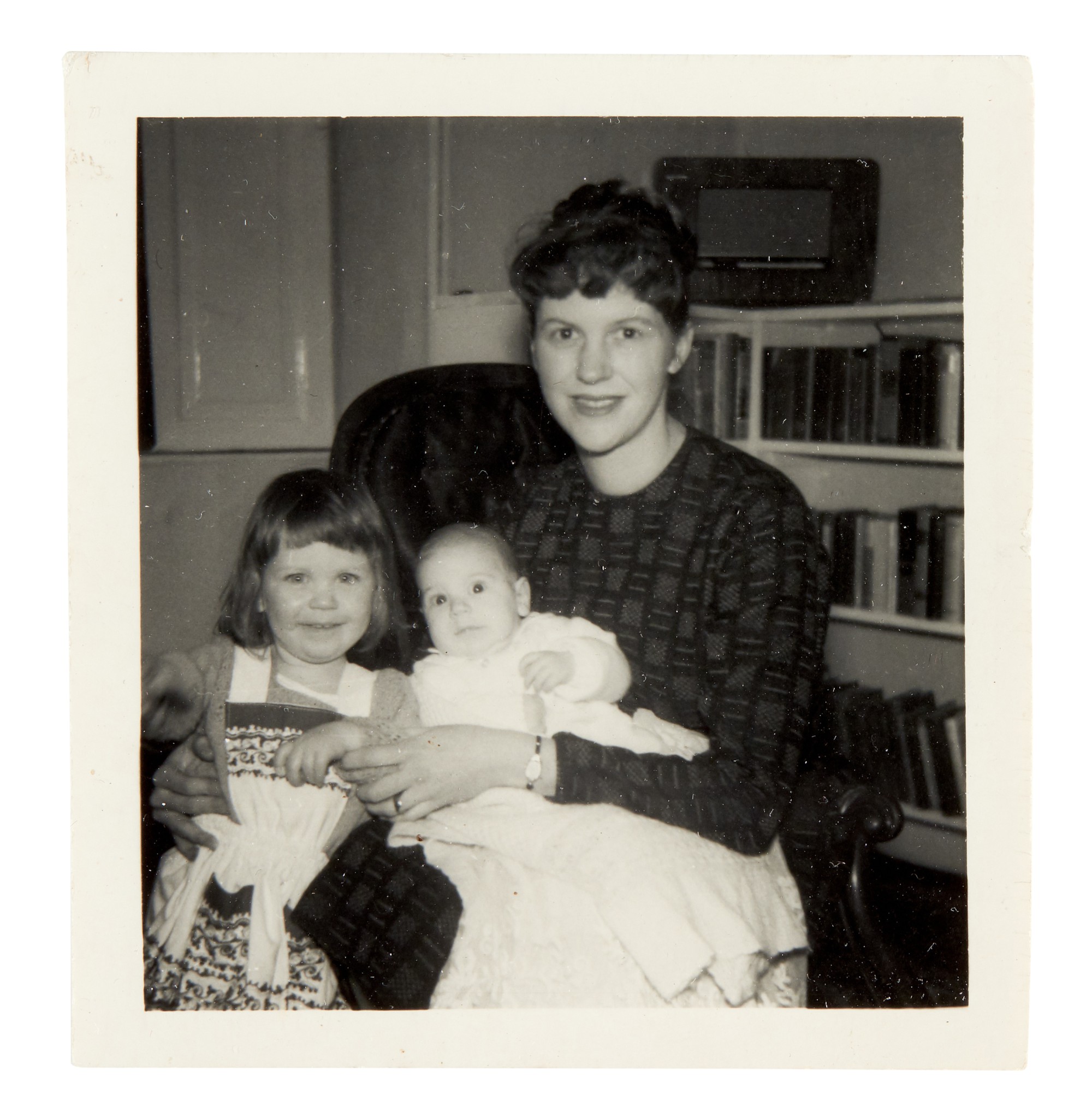
Sylvia Plath and Ted Hughes had two children, both of whom had to navigate the immense shadow of their parents' fame and the tragic circumstances of their mother’s death.
Frieda Hughes
Frieda Rebecca Hughes, born on April 1, 1960, has become a successful poet and painter in her own right. She has spent much of her adult life managing the delicate balance of being the daughter of two literary giants. Frieda has been a vocal critic of the way the public "consumes" her mother’s tragedy. In her poem "My Mother," and in various introductions to Plath’s work, she emphasizes the need to see Sylvia as a real person—a mother who laughed and baked—rather than a mere symbol of female suffering.
Nicholas Hughes
Nicholas Farrar Hughes, born on January 17, 1962, followed a path more aligned with his grandfather Otto's interests. He became a respected biologist and an expert in stream salmonid ecology, eventually moving to Alaska to work and teach. Nicholas stayed far away from the literary limelight for most of his life. Tragically, in March 2009, Nicholas died by suicide after a long battle with depression. His death reignited public discussions about the hereditary nature of mental illness and the lasting impact of the Plath-Hughes family trauma.
The Plath-Hughes Family Tree and Key Details
The following table provides a concise reference for the core members of the Sylvia Plath family, highlighting their roles and the specific ways they intersected with her biography.
| Family Member | Relationship | Lifespan | Professional Focus | Primary Influence on Plath’s Work |
|---|---|---|---|---|
| Otto Plath | Father | 1885–1940 | Professor / Entomologist | The "Daddy" figure; source of early trauma and authority themes. |
| Aurelia Plath | Mother | 1906–1994 | Teacher / Editor | Recipient of Letters Home; symbol of conventional expectations. |
| Ted Hughes | Husband | 1930–1998 | Poet Laureate | Collaborative partner; focus of Ariel poems; controversial estate manager. |
| Warren Plath | Brother | 1935–2021 | Business / Private | Represented the "normalcy" of her childhood domesticity. |
| Frieda Hughes | Daughter | 1960–Present | Poet / Painter | Protector of Plath's personal (non-literary) legacy. |
| Nicholas Hughes | Son | 1962–2009 | Biologist | Symbolized her domestic hopes; his life mirrored her struggle with depression. |
| Assia Wevill | "The Other Woman" | 1927–1969 | Advertising / Artist | The catalyst for the end of Plath’s marriage and the Ariel period. |
The Controversy of the Literary Estate
Following Sylvia Plath’s death in 1963, she died intestate (without a will). Because they were separated but not yet divorced, Ted Hughes became the sole executor of her literary estate. This arrangement became one of the most contentious points in 20th-century literature.
The Missing Journals
Hughes famously admitted to destroying Plath’s final journal, which covered the months leading up to her death, claiming he did so to protect their children. He also claimed that another volume of her journals "disappeared." Critics and biographers have long argued that this was an act of censorship intended to protect his own reputation.
The Publication of Ariel
The version of Ariel published in 1965 was edited by Hughes. He altered Plath’s original intended sequence, removing some of the more vitriolic poems about him and adding others written just days before her death. It wasn't until 2004 that a "Restored Edition" of Ariel was published, following Plath’s original manuscript order, thanks in large part to the work of Frieda Hughes.
Frequently Asked Questions
Did Sylvia Plath’s children follow in her footsteps?
Frieda Hughes followed her mother’s path into the arts, becoming an established poet and painter. Nicholas Hughes, conversely, chose the sciences, becoming a fisheries biologist. While Nicholas did not publish poetry, his career in biology reflected the academic rigor and interest in the natural world seen in his grandfather, Otto Plath.
Why was Sylvia Plath’s relationship with her mother so difficult?
The difficulty stemmed from a combination of Aurelia's high expectations and Sylvia’s internal struggle to break free from the "perfect daughter" persona. Plath often felt that her mother was living vicariously through her successes, leading to a sense of resentment that is palpable in her private journals and her novel, The Bell Jar.
How did Ted Hughes’s second family impact the Plath legacy?
Ted Hughes’s relationship with Assia Wevill resulted in a daughter, Alexandra "Shura" Elise Wevill. In a tragic echo of Plath’s death, Assia killed both herself and Shura in 1969. This second tragedy further complicated the public perception of Hughes and intensified the scrutiny of how he managed the memory of the women in his life.
Are there any living descendants of Sylvia Plath?
As of 2026, Frieda Hughes is the primary surviving immediate family member. Nicholas Hughes did not have children before his death in 2009. Therefore, there are no direct grandchildren of Sylvia Plath.
What is the current status of the Plath family estate?
The estate is managed with significant input from Frieda Hughes. Over the decades, the estate has moved toward greater transparency, releasing unabridged journals and the restored edition of Ariel. This has allowed scholars to see Plath’s work through her own editorial lens rather than through the lens of Ted Hughes.
Practical Recommendations for Further Research
To gain a comprehensive understanding of the Sylvia Plath family, readers should look beyond the sensationalized biographies and engage with primary sources.
- Read the Unabridged Journals: Published by Anchor Books, these provide the most direct window into Plath’s thoughts on her family without the mediation of Ted Hughes’s early edits.
- Compare Letters Home with The Journals: This exercise reveals the staggering difference between the daughter Plath presented to her mother and the woman she was when alone.
- Explore Frieda Hughes’s Introductions: Her forewords to the restored editions of her mother’s work offer a vital "insider" perspective on the family’s attempts to reclaim Sylvia’s identity from the public myth.
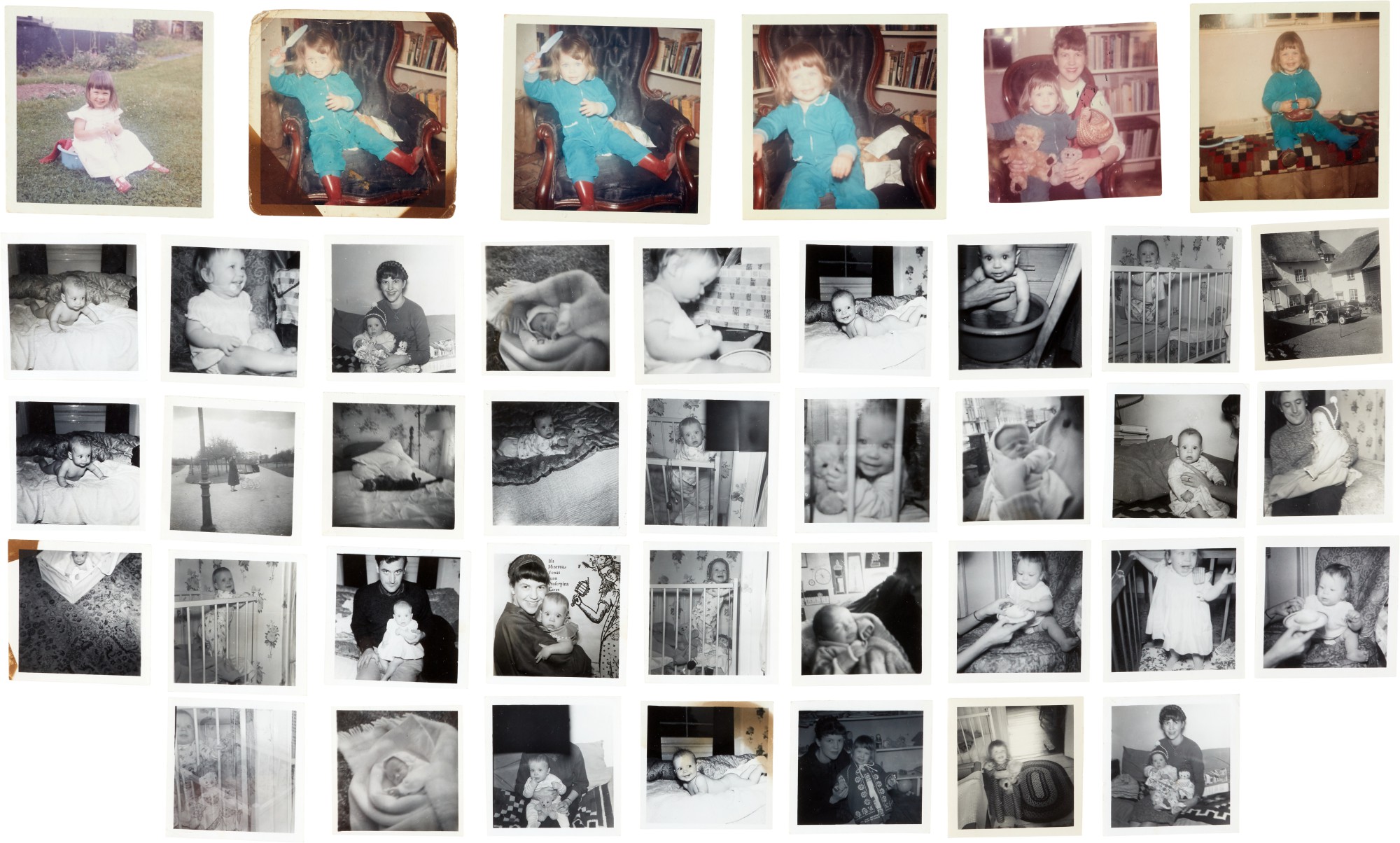
- Consult the Smith College Archives: Smith College (Plath’s alma mater) holds the largest collection of her papers, including family photographs and early manuscripts that provide context to her domestic life.
By examining the family members as individual entities rather than just characters in Plath’s tragedy, we can better appreciate the complex, human reality behind one of the most influential bodies of work in modern literature.
Image Gallery