What the Workers Compensation HR Handbook Includes: A Comprehensive Guide for Employers
A comprehensive workers compensation HR handbook serves as the foundational policy document that outlines legal obligations, employee reporting procedures, return-to-work protocols, and internal compliance standards. It provides a stan...
A comprehensive workers compensation HR handbook serves as the foundational policy document that outlines legal obligations, employee reporting procedures, return-to-work protocols, and internal compliance standards. It provides a standardized framework to ensure that workplace injuries are managed consistently, minimizing legal risk while maintaining employee safety and organizational productivity.
Contents
The Role of the Workers Compensation Handbook in Modern HR
In 2026, the complexity of regulatory environments and the evolving nature of workplace safety mean that an HR handbook is no longer just a collection of policies; it is a critical instrument of risk management. When an injury occurs, clear communication is essential to prevent claim mismanagement, which can lead to escalating premiums and potential litigation.
A well-structured handbook acts as a centralized source of truth for both managers and staff. It bridges the gap between state-mandated legal requirements and company-specific culture, ensuring that every supervisor knows exactly what to do—and what not to do—in the critical hours following an incident.
Essential Components of an Effective Handbook
To be effective, the workers compensation section of an HR handbook must be granular enough to leave no room for ambiguity. While state laws vary, the core components remain consistent across most jurisdictions.
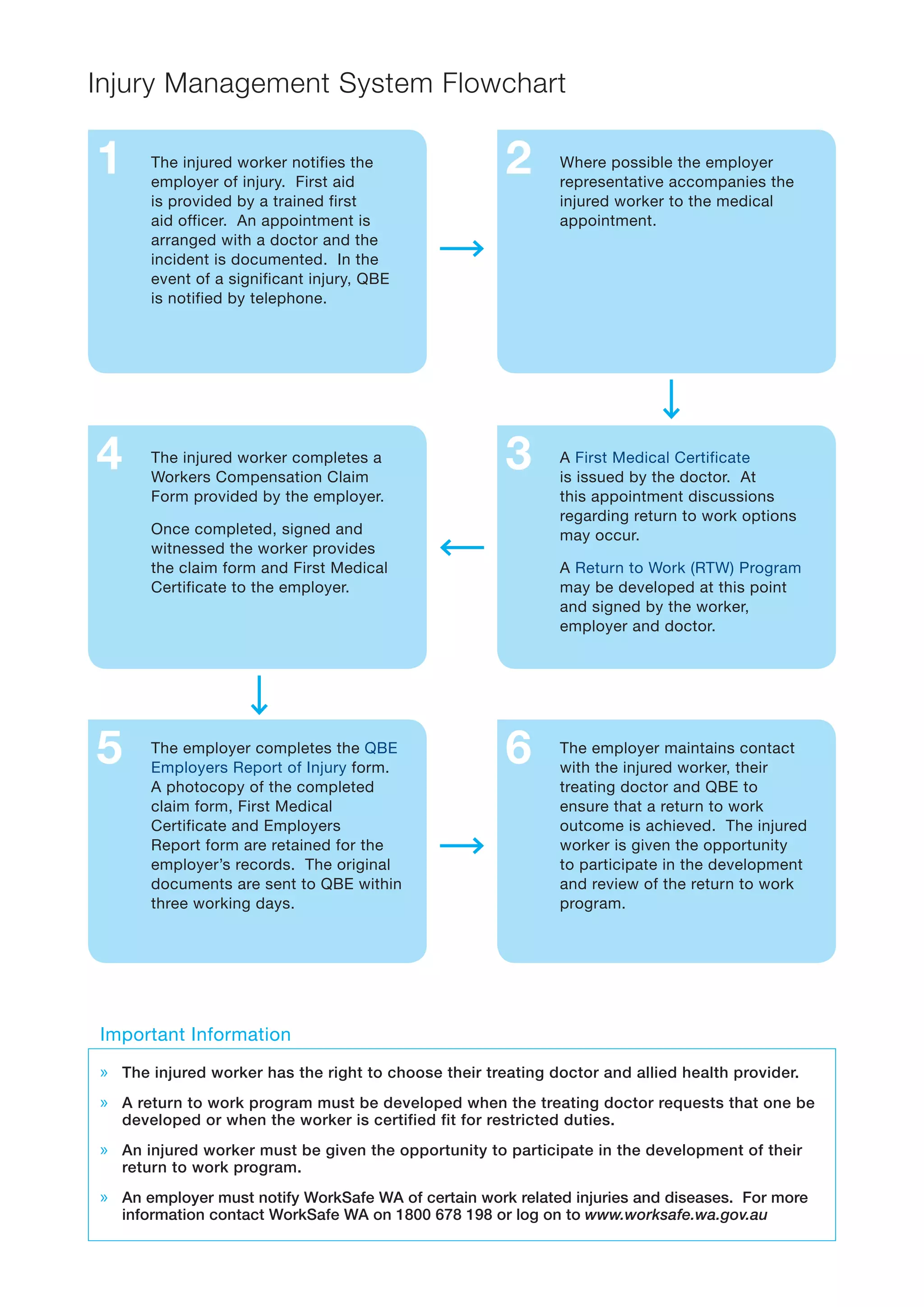
1. Clear Incident Reporting Protocols
The foundation of any handbook is the reporting process. This section must define:
- Immediate Reporting Requirements: The specific timeline (e.g., within 24 hours) for notifying a direct supervisor and the HR department.
- Incident Documentation: The forms that must be completed, such as a formal "Employer’s First Report of Injury" or an internal company accident report.
- The "Chain of Command": Who exactly needs to be informed, including the safety officer, the site manager, and the HR representative.
2. Medical Care and Designated Providers
In many states, employers have a degree of control over the initial medical evaluation. The handbook should specify:
- Preferred Provider Organizations (PPOs): A list of approved clinics or occupational health providers.
- Emergency vs. Non-Emergency Protocols: Clear instructions on when to call emergency services versus when to transport an employee to a clinic.
- Employee Rights: A brief, neutral acknowledgment of the employee’s right to seek medical care, balanced with the company’s need for administrative coordination.
3. Return-to-Work (RTW) Policies
The RTW program is one of the most effective ways to manage claim costs. The handbook should explicitly detail:
- Modified Duty Offerings: The company’s policy on accommodating light-duty restrictions to bring employees back to productive work as soon as medically possible.
- Interactive Process: A commitment to the Americans with Disabilities Act (ADA) and similar state-level requirements for engaging in a good-faith interactive process with injured employees.
- Communication Cadence: The expectation that the employee will maintain regular contact with HR while on leave.
4. Fraud Prevention and Awareness
To protect the integrity of the insurance program, the handbook should include a clear statement on the company's commitment to fighting workers compensation fraud. This serves as a deterrent while reminding employees that the system is intended for legitimate workplace injuries, not personal or unrelated conditions.
Comparison of Handbook Implementation Strategies
| Strategy | Primary Benefit | Risk Level |
|---|---|---|
| Standardized Template | Ensures baseline legal compliance | May miss industry-specific hazards |
| Customized Policy | Addresses specific operational risks | Requires higher legal review costs |
| Digital Interactive | Increases accessibility for staff | Requires ongoing technical maintenance |
| Paper-Based Manual | Easily accessible offline | Harder to update and distribute |
Legal and Regulatory Considerations
It is imperative to recognize that workers compensation is a state-governed system. While the framework of the handbook remains constant, the specific legal requirements regarding timelines, notification of insurance carriers, and disability benefits are defined by state statutes.
In 2026, HR departments must ensure that their handbooks reflect any recent amendments to state-specific regulations. Relying on an outdated handbook can lead to failure in meeting statutory reporting deadlines, which can result in significant administrative fines.
Disclaimer: This information is for educational purposes and does not constitute legal advice. Employers should have their specific workers compensation policies reviewed by qualified employment counsel to ensure compliance with the specific statutes of their jurisdiction.
Integrating the Handbook into Daily Operations
A handbook is only as useful as the culture that supports it. Simply having a written policy is insufficient if managers are not trained on how to execute it.
Training Supervisors
Supervisors are the first line of defense. Training sessions should be conducted annually, focusing on:
- Empathy-First Interaction: How to handle an injured employee’s stress while maintaining professional distance.
- Investigation Skills: How to gather factual information about the incident without assigning blame.
- Escalation Paths: When to loop in legal counsel or the insurance carrier for complex claims.
Employee Onboarding
During orientation, new hires should sign an acknowledgment form stating they have read and understood the procedures for reporting work-related injuries. This documentation is vital for demonstrating that the organization has fulfilled its duty to inform employees of their obligations.
Troubleshooting Common Handbook Failures
If you find that your workers compensation process is failing, investigate the following areas:
- Lack of Clarity: Is the reporting path convoluted? If an employee isn't sure who to call, they may delay reporting.
- Fear of Reprisal: If the culture discourages reporting, minor injuries often go untreated until they become expensive, chronic issues.
- Inconsistent Enforcement: Are supervisors following the same process for every employee? Inconsistency is a major driver of litigation and regulatory scrutiny.
- Technological Barriers: Are the reporting forms difficult to find on the company intranet? Ensure they are easily accessible through a "Safety" or "HR" landing page.
Frequently Asked Questions
1. Does the handbook need to be updated annually? Yes, it is best practice to review your handbook at least once a year. While core policies may remain stable, changes in state laws or company insurance carriers may necessitate updates to reporting procedures or contact information.
2. Should the handbook cover off-duty injuries? No, the workers compensation section should focus exclusively on injuries arising out of and in the course of employment. Off-duty injuries are generally handled under disability insurance or health benefits, which should be outlined in a separate section of the handbook.
3. What happens if an employee refuses to follow the reporting steps? The handbook should state that failure to follow the defined reporting process may delay the processing of a claim. It is important to emphasize that this is not a punishment, but a procedural necessity to ensure the insurance carrier has the required documentation.
4. Can the handbook replace legal counsel? No. The handbook is an internal management tool. For complex claims involving disputed causation or long-term disability, you must consult with your legal advisor or insurance representative.
Next Steps for HR Departments
To ensure your organization is prepared, begin by auditing your current handbook against the requirements outlined above. If your organization lacks a dedicated policy, draft one that reflects your current insurance carrier’s reporting requirements. Once drafted, distribute the handbook to all staff, conduct a training session for supervisors, and ensure that the contact information for your insurance carrier is clearly visible. Consistent, proactive management of these procedures is your best protection against the financial and operational risks associated with workplace injury.
Image Gallery