Understanding the Mating Press GIF: Context, Cultural Impact, and Digital Circulation
A mating press GIF is an animated image file, typically derived from anime, manga, or internet subcultures, that depicts an exaggerated or stylized physical embrace. The term blends internet meme culture with specific trope terminology...
A mating press GIF is an animated image file, typically derived from anime, manga, or internet subcultures, that depicts an exaggerated or stylized physical embrace. The term blends internet meme culture with specific trope terminology, circulating primarily on social media platforms, image boards, and messaging applications to convey intense emotional or comedic reactions.
Contents
The Origins and Meaning of the Mating Press Trope
To understand why these animated files generate significant traffic and discussion online, one must examine the linguistic and cultural roots of the phrase. The term "mating press" originated as a slang descriptor within specific otaku and manga subcultures. It refers to a dynamic depicted in fictional media where one character pins or overpowers another in a close, intimate embrace.
Over time, digital creators and meme enthusiasts began isolating specific panels from manga chapters or frames from anime series. By converting these visual sequences into Graphics Interchange Format (GIF) files, users could share the looping animations easily across platforms like Discord, Twitter (X), Reddit, and Telegram.
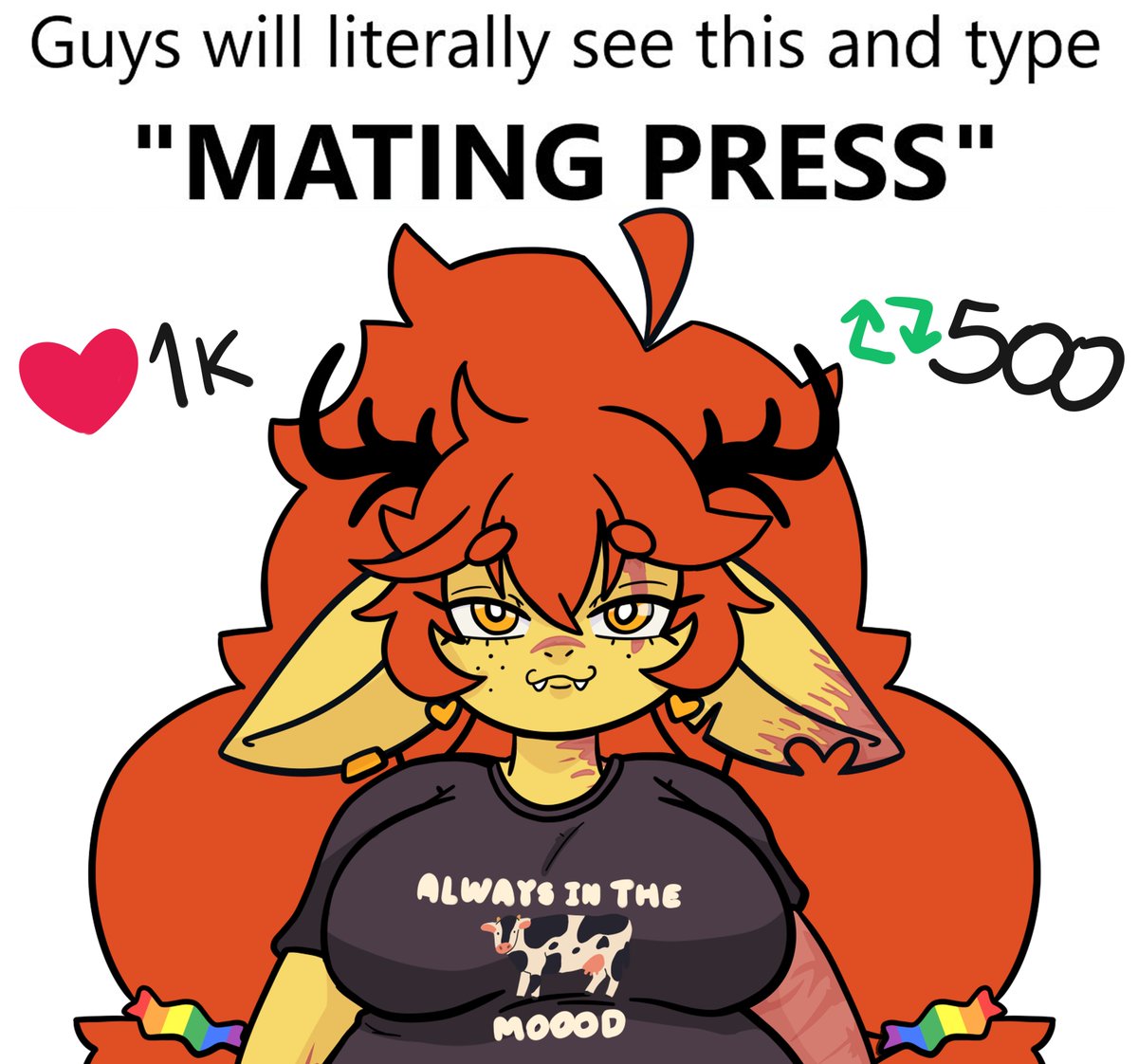
Rather than remaining confined to adult or niche communities, the concept evolved into a broader ironic and exaggerated meme format. Users often deploy a mating press GIF in completely unrelated, non-serious contexts—such as gaming arguments, wholesome community interactions, or satirical expressions of desperation—to elicit humor through contrast.
Technical Characteristics and File Formats of Animated GIFs
The choice of the GIF format for these internet memes involves a mix of historical web standards and practical limitations. Understanding how these files operate helps explain their ubiquitous presence across digital communication channels.
- Looping Capability: GIFs natively support endless looping, which allows short, dramatic animations to replay continuously without requiring manual user intervention.
- Universal Compatibility: Unlike modern video formats like MP4 or WebM, GIFs are supported universally across web browsers, chat applications, and mobile operating systems without requiring a dedicated video player wrapper.
- Color and Compression Constraints: The standard GIF format is limited to an 8-bit palette (256 colors). This restriction often results in compressed, grainy aesthetics that ironically contribute to the lo-fi, meme-centric charm of the content.
| Feature | GIF Format | MP4 / WebM Video |
|---|---|---|
| Looping | Native and automatic | Requires attribute configuration |
| Audio Support | None | Fully supported |
| File Size | Generally larger for long durations | Highly compressed and efficient |
| Platform Integration | Universal (chats, forums, boards) | Varies by application and browser |
Cultural Circulation and Platform Policies
The circulation of a mating press GIF highlights the complex relationship between internet subcultures and mainstream social media moderation. Because the underlying trope often flirts with suggestive or explicit themes, platforms maintain strict guidelines regarding what constitutes permissible content.
Content Moderation and Safety Filters
Mainstream platforms such as Meta properties (Instagram, Facebook), Discord, and Twitter enforce strict automated moderation tools to detect NSFW (Not Safe For Work) media. While a sanitized or heavily cropped mating press GIF might bypass these filters, overtly explicit variants often trigger automated bans, content warnings, or account suspensions. Consequently, users frequently rely on heavily stylized anime art or comedic parodies that emphasize humor over explicit content, ensuring the media remains compliant with community standards.
Irony and Hyperbole in Digital Discourse
Internet communication relies heavily on hyperbole. When users insert a dramatic animation into a mundane conversation, the absurdity creates comedic value. This phenomenon transforms what might otherwise be viewed as niche media into a mainstream reaction image. The repetition of these tropes across multiple platforms normalizes the terminology, integrating it into broader online lexicons.
Common Misconceptions and Search Intent Ambiguity
When users search for a mating press GIF, search engines encounter a mix of distinct intents ranging from curiosity about internet slang to attempts at finding specific media files. Clarifying these boundaries prevents confusion.
- Literal vs. Ironic Intent: The vast majority of search queries originate from users seeking reaction images to share in chats, rather than instructional or medical queries.
- Copyright and Intellectual Property: Many source images used to create these GIFs belong to copyrighted manga publishers or anime studios. Consequently, official repositories rarely host them, leading users toward user-generated image boards and dedicated meme databases like Tenor, Giphy, or Know Your Meme.
- Age-Appropriate Filtering: Due to the suggestive nature of the underlying terminology, search engines often apply SafeSearch filters, which may obscure certain results or redirect users toward explanatory articles rather than raw image files.
Summary and Safe Navigation of Meme Culture
Navigating internet subcultures requires an awareness of context, platform rules, and the evolving nature of digital slang. While terms like the mating press GIF originate from narrow fictional tropes, their migration into mainstream chat applications demonstrates how internet communities appropriate and transform niche media into vehicles for humor. Users engaging with these files should remain mindful of platform-specific content policies and the distinction between satirical sharing and explicit material.
Image Gallery