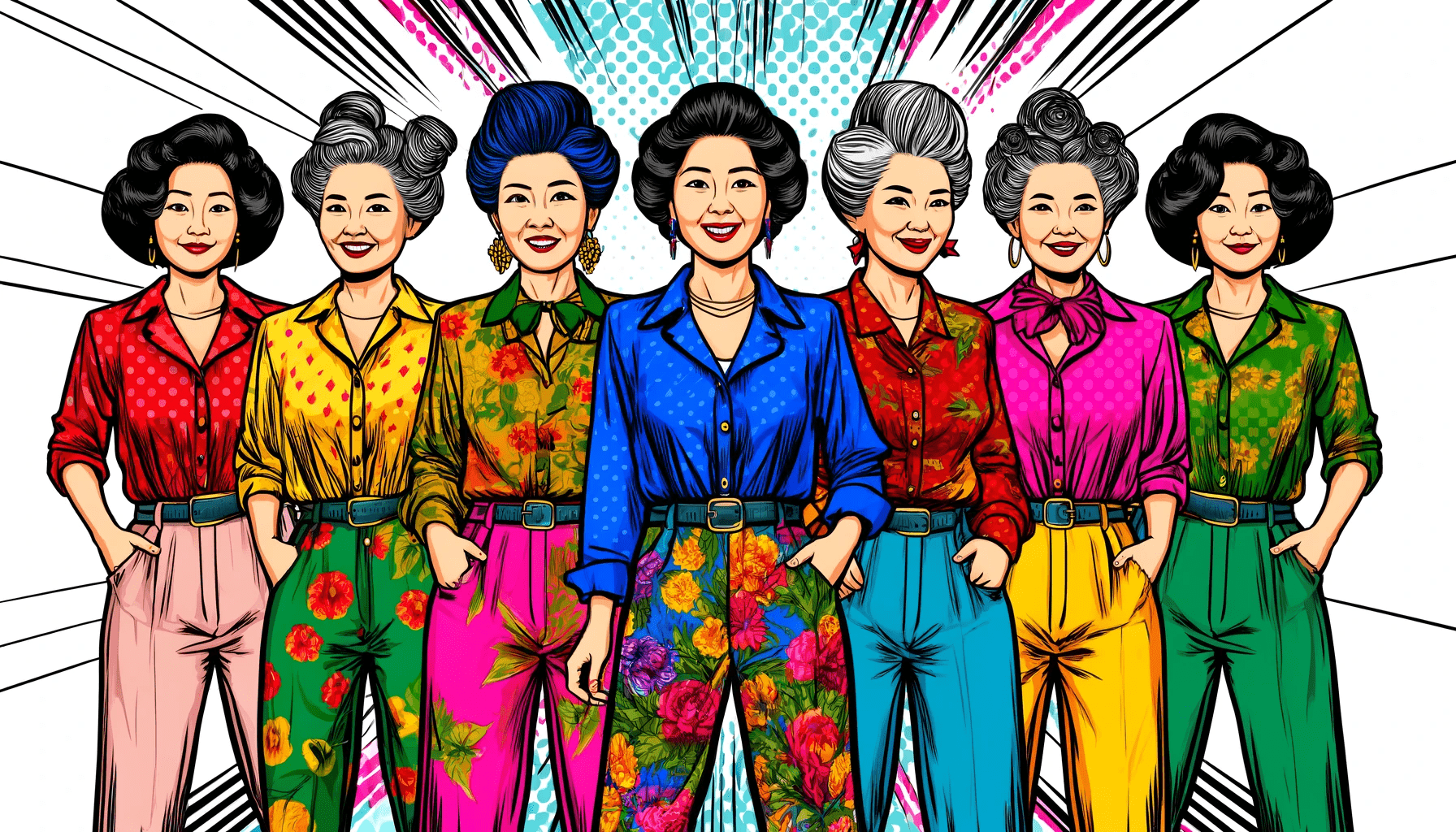
The Ultimate Guide to Understanding the "Korean Aunt" Cultural Archetype in 2026
The term "Korean aunt"—traditionally rendered as Imo (maternal aunt) or Gomo (paternal aunt)—has evolved far beyond a simple familial title in contemporary global culture. By 2026, the archetype of the Korean aunt represents a powerful...
The term "Korean aunt"—traditionally rendered as Imo (maternal aunt) or Gomo (paternal aunt)—has evolved far beyond a simple familial title in contemporary global culture. By 2026, the archetype of the Korean aunt represents a powerful intersection of cultural preservation, entrepreneurial grit, culinary mastery, and unapologetic community leadership. Whether encountered in the bustling aisles of a metropolitan H-Mart, behind the counter of a neighborhood dry cleaner, or as the matriarch anchoring a multi-generational immigrant family, the Korean aunt is a defining figure of modern Asian diaspora influence and pop-culture resonance.
Contents
Decoding the Term: Familial Terminology vs. Cultural Phenomenon
To understand the modern cultural weight of the Korean aunt, one must first deconstruct the linguistic and social architecture of Korean kinship terms. In the Korean language, familial addresses are rarely flat; they dictate exact biological relationships and social standing.
- Imo (이모): Strictly translates to mother's sister, but in daily social practice, it is extended to any middle-aged woman operating a service business, particularly in restaurants.
- Gomo (고모): Father's sister, carrying distinct traditional responsibilities and relationship dynamics within the patrilineal structure.
- Samchon-daek / Ajumma (아줌마): General societal terms for married or middle-aged women, though Ajumma has increasingly taken on complex sociolinguistic baggage ranging from dismissiveness to a celebration of middle-aged female resilience.
In the 2026 cultural landscape, the term has been co-opted globally to describe a specific brand of hyper-competent, fiercely protective, and radically direct female authority.
The Economic and Social Pillars of the Korean Aunt
The archetype's prominence is deeply rooted in the history of Korean immigration and small business ownership. Throughout the late 20th century, first-generation Korean women played an indispensable role in establishing ethnic enclaves globally, powering the service, beauty, and retail economies.
| Domain | Traditional Role | Modern 2026 Evolution |
|---|---|---|
| Culinary & Hospitality | Running neighborhood bunsikjip (snack shops) and feeding young students. | Directing viral street-food empires, consulting for K-Food franchises, and mastering digital food marketing. |
| Small Business Operations | Managing dry cleaners, beauty supply stores, and alterations shops with 80-hour workweeks. | Integrating AI-driven inventory management while maintaining traditional community-first customer relations. |
| Cultural Transmission | Enforcing strict filial piety and teaching Korean heritage behind closed doors. | Producing global content, bridging generational divides on social platforms, and redefining aging with vitality. |
Culinary Guardianship: The Kitchen as a Seat of Power
No exploration of the Korean aunt is complete without examining her role as the ultimate culinary authority. The communal kitchen acts as a laboratory of heritage. In 2026, the traditional kimjang ( kimchi-making season) is no longer just a domestic chore; it is viewed through a lens of artisanal preservation and wellness expertise.
The culinary authority of the elder female figure relies on several non-negotiable principles:
- The Hand Taste (Son-mat): The unquantifiable magic of intuitive seasoning, where measurements are measured by eye and palm rather than grams.
- Fermentation Mastery: Deep, generational knowledge of aging doenjang (soybean paste), gochujang (chili paste), and various seasonal jangajji (pickles).
- Nutritional Healing (Yaksun): The innate philosophy that food is medicine, prescribing specific broths, herbal tonics, and restorative dishes based on seasonal shifts and individual health.
The Philosophy of Care Through Sustenance
Within Korean cultural spaces, physical affection is rarely verbalized through casual endearments. Instead, emotional attachment and care manifest as aggressive hospitality. Piling plates, demanding that guests finish their bowls, and packing leftover containers for the journey home are the definitive love languages of the archetype.
The Modern Media Icon: From Neighborhood Matriarch to Global Meme
By 2026, digital platforms have transformed the perception of the older Korean woman. Once flattened into a one-dimensional stereotype in media, the figure of the savvy, sharp-tongued, yet deeply caring mentor has become a viral sensation across global short-form video platforms.
Content creators and public figures channeling this specific energy dominate lifestyle algorithms. They offer unfiltered life advice, react to Western cooking disasters with comedic horror, and provide unvarnished critiques of modern dating and career choices. This shift has turned cultural specificity into universal relatability, establishing the archetype as a symbol of unapologetic authenticity in an era of curated perfection.
Comparative Analysis: Generational Shifts in the Archetype
The manifestation of this cultural role has shifted dramatically across generations of immigration and modernization.
- First-Generation Immigrant Pioneers: Defined by survival economics, language barriers, immense personal sacrifice, and strict hierarchical family structures. Their authority was forged in the crucible of starting businesses from scratch in unfamiliar foreign markets.
- Second-Generation Modern Adaptations: Defined by bilingual agility, corporate leadership, and cultural translation. These modern individuals bridge the gap between traditional immigrant expectations and contemporary progressive values, often stepping into the aunt role for younger creative communities.
Frequently Asked Questions
What does "Imo" mean in Korean culture?
"Imo" literally translates to maternal aunt, but it is widely used in restaurants and casual settings to address a friendly middle-aged female server or owner with affectionate familiarity.
Why has the archetype of the Korean aunt gained viral popularity online?
The persona resonates globally due to its combination of brutal honesty, hyper-competence, humorous strictness, and an underlying foundation of fierce, nourishing care.
Are all older Korean women referred to as aunts?
No. While "Imo" and "Ajumma" are common terms, using them incorrectly outside of appropriate informal settings can sometimes be perceived as dismissive or impolite depending on the social context and age gap.
How do Korean aunts influence modern K-Food trends?
They serve as the keepers of traditional recipes and fermentation techniques, providing the authentic foundation that contemporary fusion chefs and global food brands draw upon.
What is the significance of "Son-mat" in Korean cooking?
"Son-mat" translates to "hand taste," representing the unique, generational touch and intuitive culinary skill passed down through matriarchal lines in Korean households.
Navigating Cultural Engagement with Respect
Engaging with or celebrating this vibrant cultural figure requires an understanding of the immense labor, resilience, and emotional intelligence embedded in the role. Whether honoring the matriarchs within family trees or appreciating the cultural ambassadors running local neighborhood institutions, recognizing the profound impact of the Korean aunt provides a deeper lens into the heart of modern Korean-diaspora society.
Image Gallery