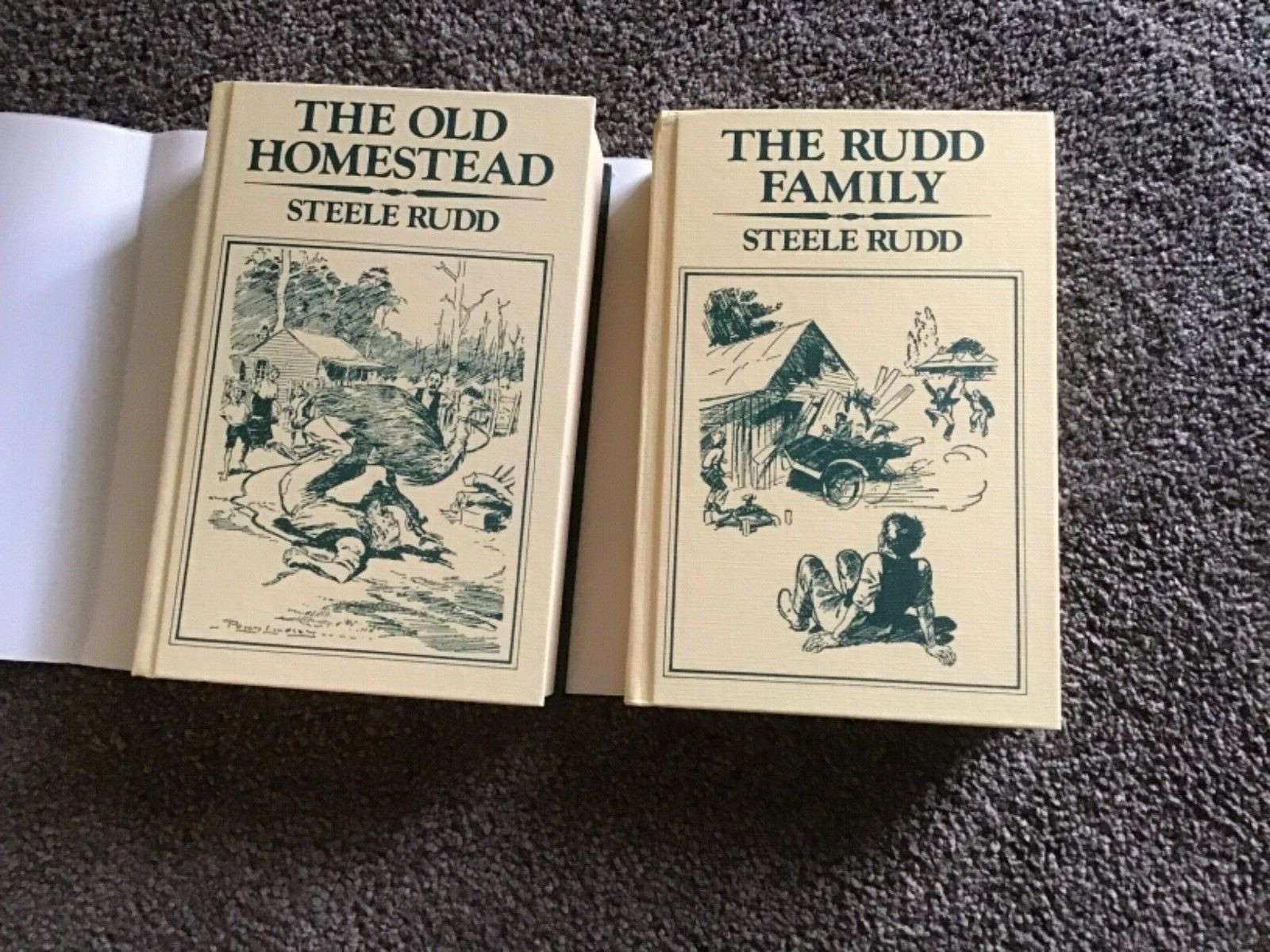
Unpacking the Rudd Family Legacy: History, Impact, and Preservation
The Rudd family legacy spans generations of notable public service, business enterprise, and community leadership, leaving a permanent mark on institutional history and philanthropic endeavors. Understanding this multifaceted heritage...
The Rudd family legacy spans generations of notable public service, business enterprise, and community leadership, leaving a permanent mark on institutional history and philanthropic endeavors. Understanding this multifaceted heritage requires examining the distinct historical contributions, economic milestones, and cultural impacts associated with the family name.
Contents
Historical Foundations and Early Origins
The trajectory of any prominent historical lineage begins with its foundational roots, and the Rudd family background reflects patterns of early enterprise, regional migration, and adaptation. Tracing these origins involves examining public archives, genealogical records, and regional histories that document how early family members established their livelihoods.
During the formative periods of their regional establishment, early representatives engaged in agriculture, local commerce, or civic administration. These initial pursuits provided the economic stability and social capital necessary for subsequent generations to expand their influence. Archivists and historians examining these roots often rely on census data, land grants, and local town records to map the geographical spread and socio-economic rise of the family across decades.
Rather than emerging from a single moment of sudden fortune, the early legacy was built through incremental community integration. Members established local businesses, participated in municipal governance, and formed strategic alliances through marriage and professional partnerships. This foundational period created a resilient network that cushioned later generations against economic downturns and sociopolitical shifts.
Key Figures and Leadership Contributions
As the family network grew, specific individuals emerged as central figures, driving the legacy forward through distinct professional and public achievements. These key figures often embodied the shifting priorities of their eras, transitioning from local trade and agriculture to broader arenas such as law, politics, finance, or institutional philanthropy.
| Family Era / Period | Primary Focus Areas | Key Contributions | Notable Impacts |
|---|---|---|---|
| Early Foundation | Agriculture, Local Trade | Land acquisition, establishment of local merchant enterprises | Laid the groundwork for regional economic stability |
| Expansion Phase | Public Service, Law, Commerce | Municipal governance, legal practice, regional network expansion | Elevated the family profile within civic institutions |
| Modern Era | Philanthropy, Corporate Enterprise, Academia | Foundation endowments, corporate leadership, public policy involvement | Institutionalized long-term community support and historical preservation |
Evaluating these contributions requires a balanced perspective that acknowledges both the achievements and the historical context in which these individuals operated. Leadership roles within municipal boards, legislative bodies, or corporate entities often granted significant influence over local development, shaping infrastructure projects, educational institutions, and economic policies.
Philanthropic Impact and Community Engagement
A defining characteristic of enduring family legacies is their commitment to philanthropy and community stewardship. The Rudd family legacy includes sustained support for educational institutions, healthcare facilities, and cultural preservation projects. By establishing charitable trusts and endowments, successive generations ensured that their accumulated resources continued to benefit the wider public.
Philanthropic initiatives typically focused on several core areas:
- Higher Education: Funding scholarships, research grants, and building endowments at regional universities and academies.
- Healthcare Access: Contributing to hospital expansions, medical research funds, and public health campaigns.
- Cultural Preservation: Supporting historical societies, museums, and the archiving of regional documents to maintain public access to local history.
This structured approach to giving transformed private wealth into public infrastructure, cementing the family name not merely as a marker of commercial success, but as a pillar of community welfare.
Preservation of Archives and Genealogical Research
For contemporary researchers, genealogists, and historians, studying the Rudd family legacy involves navigating a vast array of primary and secondary sources. Preserving historical records—ranging from personal correspondence and diaries to corporate ledgers and public deeds—requires careful archival management.
Institutions holding these records generally enforce strict access guidelines to protect fragile documents while making them available for legitimate academic inquiry. Researchers looking into the lineage typically engage with:
- State and national library archives containing census records and probate files.
- University special collections housing personal papers of prominent family members.
- Local historical societies maintaining photographic records, property maps, and newspaper archives.
Proper verification of historical claims requires cross-referencing these varied sources to separate documented fact from family lore. This rigorous methodology ensures that public understandings of the legacy remain accurate and intellectually credible.
Challenges, Criticisms, and Historical Context
No comprehensive examination of a historical family legacy is complete without addressing its complexities, controversies, and the broader socioeconomic contexts of the times. Families with long-standing prominence often navigated turbulent historical periods, economic depressions, and shifting social norms that tested their resilience and moral positioning.
Critics and modern historians frequently analyze the sources of generational wealth, examining labor relations, land acquisition practices, and political influence. Understanding these dynamics provides a nuanced view that moves beyond hagiography. It situates the family's actions within the systemic realities of their eras, offering insight into how privilege, power, and responsibility intersected across generations.
Frequently Asked Questions
What are the primary historical roots of the Rudd family legacy?
The historical roots trace back through generations of regional commerce, agriculture, and civic participation. Early members established local economic foundations that enabled later descendants to expand into broader professional, political, and philanthropic arenas.
How are historical records regarding the family preserved?
Records are preserved through a combination of state archives, university special collections, and local historical societies. These institutions maintain documents such as census data, land deeds, personal correspondence, and probate files for academic and genealogical research.
What role does philanthropy play in the family's history?
Philanthropy has served as a central pillar of the legacy, focusing on educational endowments, healthcare funding, and cultural preservation projects. These structured charitable efforts institutionalized long-term community support.
Are there public resources available for researching this lineage?
Yes, researchers can access public census records, regional library archives, and digitized historical newspapers. Professional genealogists and academic historians utilize these primary sources to verify historical claims and map family trees.
How do historians evaluate the broader impact of such legacies?
Historians evaluate these legacies by examining primary documents, economic data, and sociopolitical contexts. This approach balances documented achievements with critical analysis of historical privilege, labor practices, and institutional influence.
Conclusion and Next Actions
Exploring the Rudd family legacy offers valuable insights into the intersection of personal enterprise, generational wealth, and public service. For researchers, students, and historians aiming to deepen their understanding, the recommended next step is to consult primary archival collections held by regional libraries and university special repositories. Reviewing verified public records and academic histories will ensure an accurate, evidence-based appreciation of the subject.
Image Gallery