1973 Is the Year of Global Transformation: Events That Defined a Generation
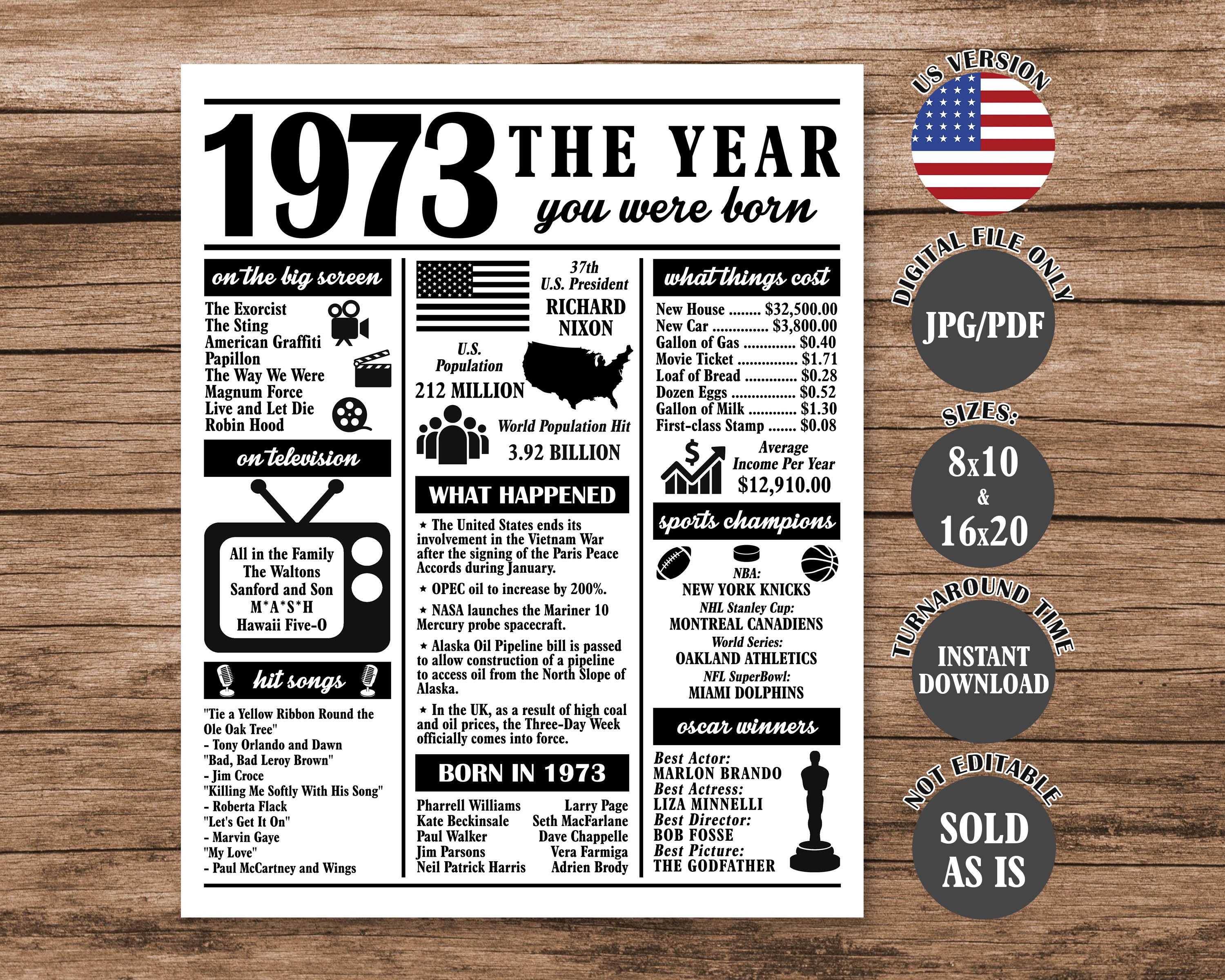
1973 is the year of monumental historical shifts, marking the end of the Vietnam War for the United States, the onset of the global energy crisis, and the birth of revolutionary technologies like the mobile phone. It represents a pivot...
1973 is the year of monumental historical shifts, marking the end of the Vietnam War for the United States, the onset of the global energy crisis, and the birth of revolutionary technologies like the mobile phone. It represents a pivotal transition in 20th-century history where geopolitical, economic, and social norms were fundamentally challenged and rewritten.
Contents
Geopolitical Landmarks: The End of an Era and the Shadow of Watergate
The year 1973 serves as a bookend for several major geopolitical movements. Perhaps the most significant event for the Western world was the signing of the Paris Peace Accords in January. This agreement officially ended direct U.S. military involvement in the Vietnam War. While the conflict continued between North and South Vietnam for two more years, 1973 was the year the "American" war ended, fundamentally altering U.S. foreign policy and the national psyche for decades.
Simultaneously, the United States was gripped by the intensifying Watergate scandal. Although the break-in occurred in 1972, 1973 was the year the investigation blew wide open. In February, the U.S. Senate voted to create a Select Committee to investigate the campaign practices of the Nixon administration. The subsequent televised hearings, which began in May, captivated the nation and led to the discovery of the White House taping system. This year marked the beginning of a profound decline in public trust in government institutions, a trend that persists into 2026.
In the Middle East, the Yom Kippur War (or the October War) broke out when a coalition of Arab states led by Egypt and Syria launched a surprise attack against Israel. While the war lasted only a few weeks, its geopolitical consequences were immense. It solidified the Cold War boundaries in the region and led directly to one of the most significant economic events of the century: the 1973 Oil Embargo.
The Economic Shock: OPEC and the First Energy Crisis
In response to Western support for Israel during the Yom Kippur War, the Organization of the Petroleum Exporting Countries (OPEC) implemented an oil embargo against the U.S., UK, Japan, and other nations. This made 1973 the year of the first global energy crisis, an event that permanently changed the global economy.
Before 1973, energy was viewed as cheap and inexhaustible. The embargo led to a fourfold increase in oil prices, causing massive fuel shortages, long lines at gas stations, and the implementation of nationwide speed limits. Economically, this triggered "stagflation"—a rare and painful combination of stagnant economic growth and high inflation.
The long-term impact on the automotive industry was profound. American "muscle cars" and gas-guzzling land yachts began their decline as consumers demanded more fuel-efficient vehicles. This opened the door for Japanese automakers like Toyota and Honda to gain a significant foothold in the North American market, a dominance they still maintain in the current 2026 automotive landscape. It also spurred the first major global interest in renewable energy sources and nuclear power as nations sought "energy independence."
Technological and Architectural Milestones
Despite the economic turmoil, 1973 was a year of incredible human achievement and innovation. On April 3, 1973, Motorola researcher Martin Cooper made the first public call from a handheld mobile phone. While the device was massive by today’s standards—weighing nearly 2.5 pounds—it laid the groundwork for the hyper-connected world of 2026. This moment is widely recognized as the birth of the mobile communications era.
In space exploration, 1973 saw the launch of Skylab, the first United States space station. Skylab proved that humans could live and work in space for extended periods, conducting hundreds of experiments that paved the way for the International Space Station. Additionally, the Pioneer 11 probe was launched this year, beginning its journey to explore the outer solar system, specifically Jupiter and Saturn.
Architecturally, 1973 was the year of the skyscraper. The Sears Tower (now the Willis Tower) in Chicago was completed, becoming the tallest building in the world at the time. In New York City, the World Trade Center was officially dedicated in April 1973. These structures symbolized a period of architectural ambition and engineering prowess that redefined urban skylines.
Social and Legal Shifts: Roe v. Wade and the Battle of the Sexes
The legal landscape of the United States was irrevocably altered in January 1973 when the Supreme Court issued its ruling in Roe v. Wade. The decision protected a pregnant woman's liberty to choose to have an abortion without excessive government restriction. This ruling became one of the most debated and influential legal precedents in American history, shaping political discourse for over half a century until its eventual overturning and subsequent legislative battles that continue to dominate legal circles in 2026.
In the realm of social culture and sports, 1973 hosted the "Battle of the Sexes" tennis match. Billie Jean King faced off against Bobby Riggs in a highly publicized match that drew an estimated 90 million viewers worldwide. King’s victory was a watershed moment for the women’s liberation movement and Title IX, proving that women’s sports were commercially viable and that female athletes deserved equal respect and compensation.
| Category | Key Event of 1973 | Historical Impact / Legacy |
|---|---|---|
| Geopolitics | Paris Peace Accords | Ended U.S. direct involvement in the Vietnam War. |
| Economy | OPEC Oil Embargo | Triggered global energy crisis and "stagflation." |
| Technology | First Mobile Phone Call | Launched the era of personal mobile communication. |
| Science | Skylab Launch | Established the first U.S. presence for long-term space living. |
| Sports | Secretariat's Triple Crown | Set records in horse racing that still stand in 2026. |
| Law | Roe v. Wade Decision | Established federal abortion rights (later overturned). |
| Architecture | Sears Tower Completion | Defined Chicago's skyline and held the "tallest building" title for 25 years. |
1973 in Popular Culture: Music, Film, and the Birth of Hip-Hop
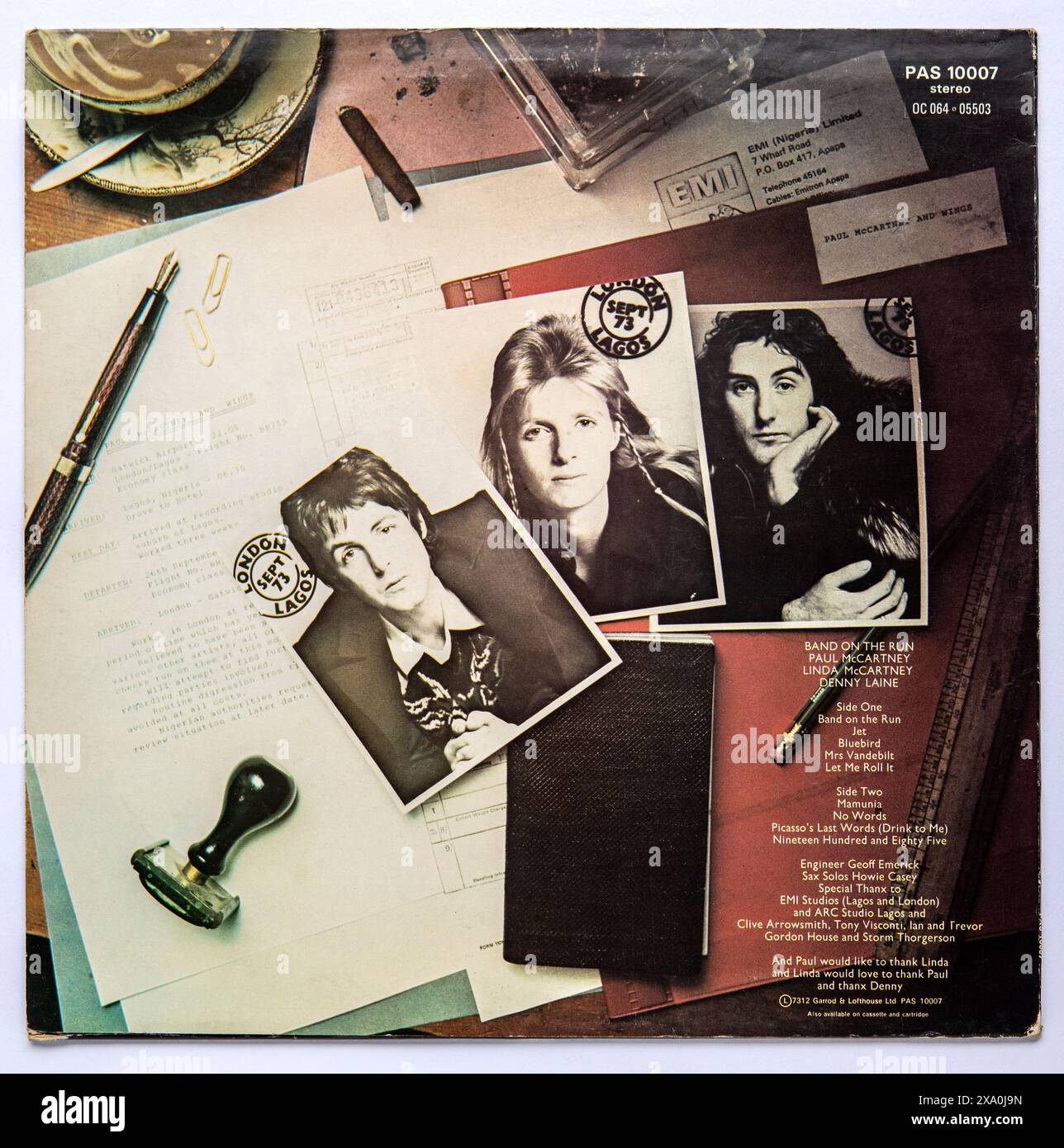
In music, 1973 is frequently cited by critics as one of the greatest years in history. It was the year Pink Floyd released The Dark Side of the Moon, an album that remained on the Billboard charts for 741 weeks. Other landmark releases included Led Zeppelin’s Houses of the Holy and Elton John’s Goodbye Yellow Brick Road.
Perhaps even more culturally significant was a party in the Bronx on August 11, 1973. DJ Kool Herc used two turntables to create a "breakbeat," an innovation widely recognized as the birth of Hip-Hop. From these humble beginnings in 1973, Hip-Hop evolved into a dominant global culture influencing fashion, language, and politics across the world by 2026.
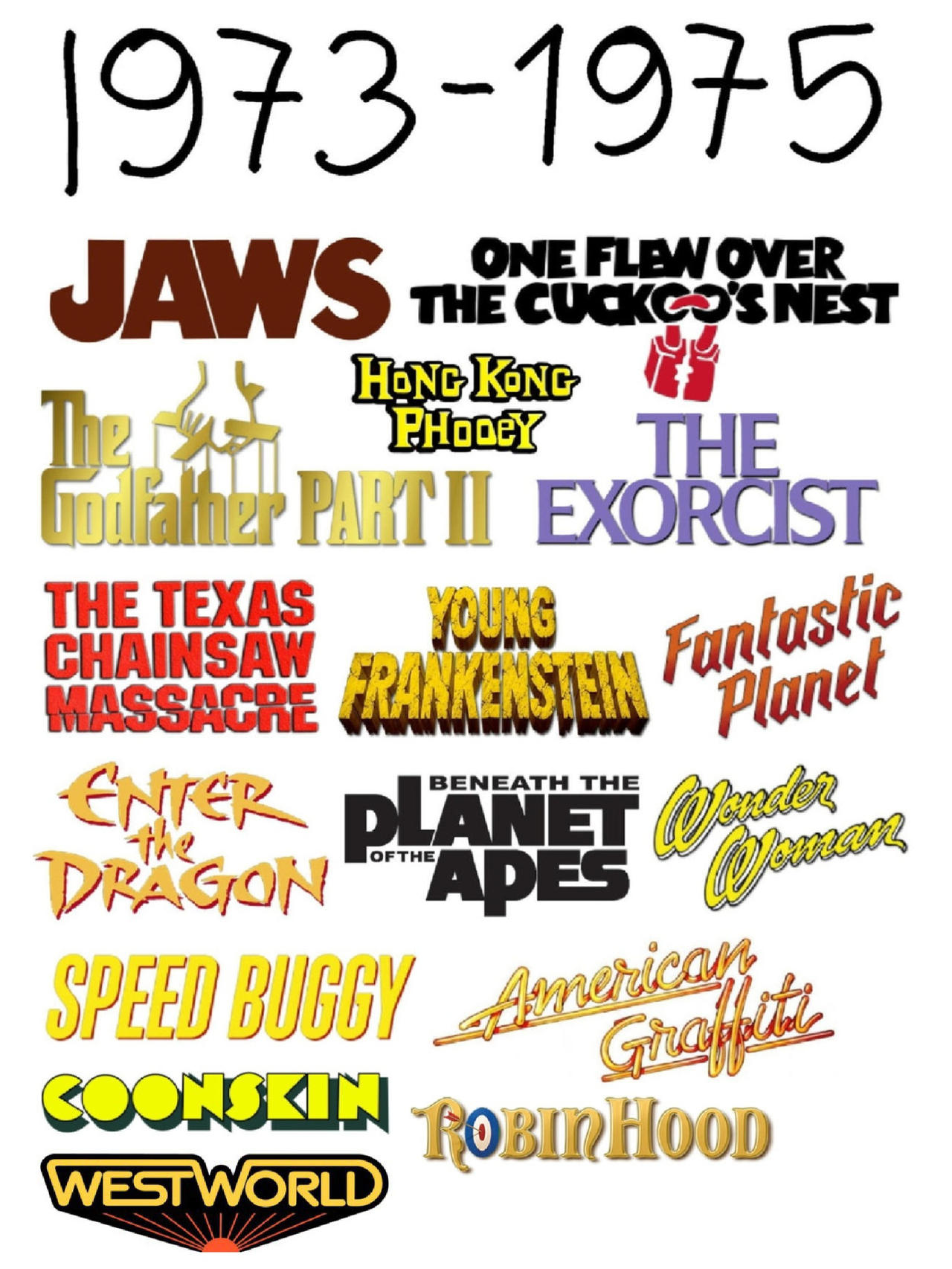
The film industry also saw a major shift. 1973 was the year of The Exorcist, which became a cultural phenomenon and changed the horror genre forever. Other significant releases like The Sting and American Graffiti showcased a "New Hollywood" era where directors had more creative control, moving away from the traditional studio system.
The Chinese Zodiac: Year of the Water Ox
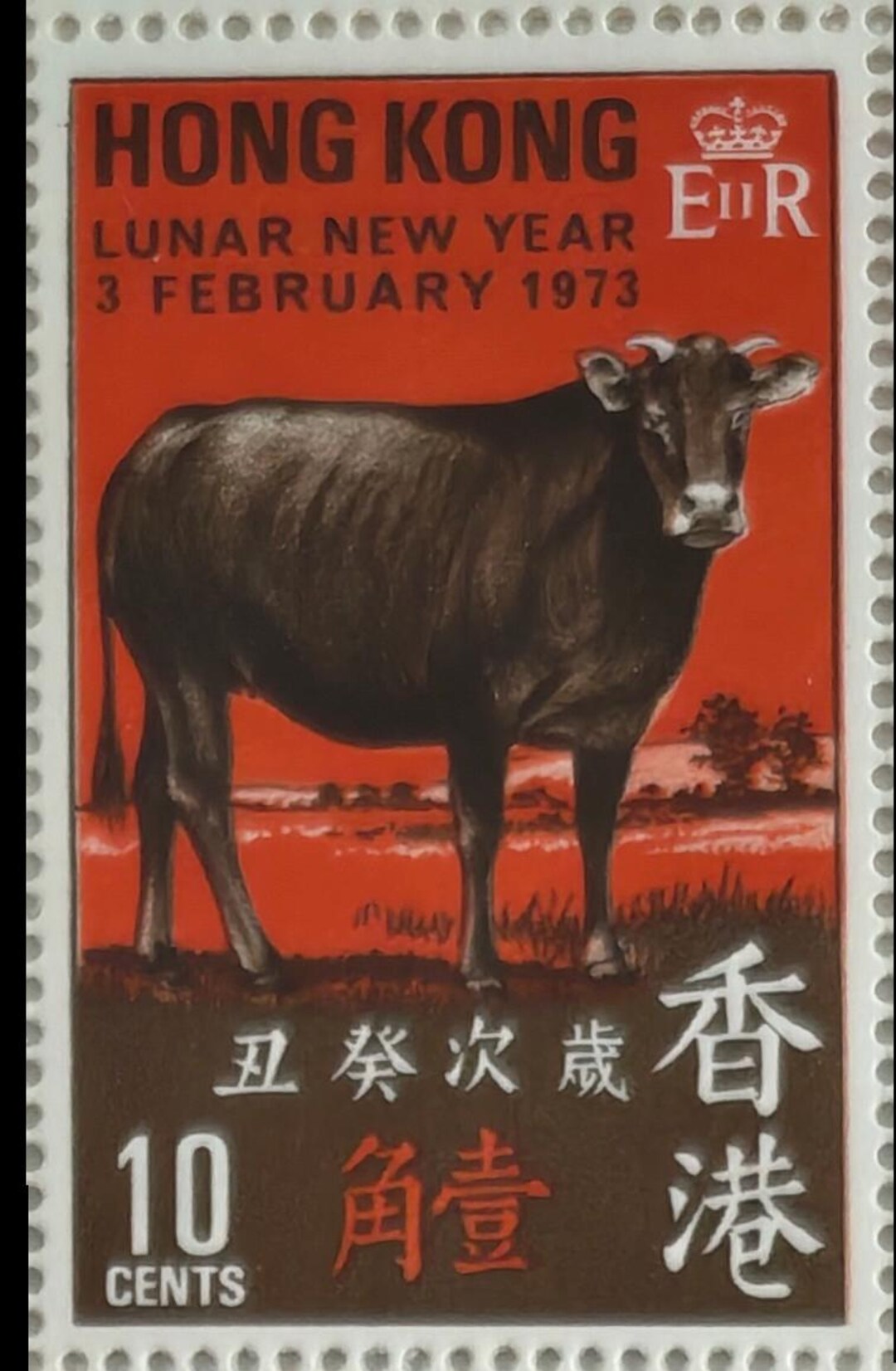
In the lunar calendar, 1973 is the year of the Water Ox. According to Chinese astrology, those born in this year are characterized by their diligence, dependability, and strong sense of responsibility. The "Water" element adds a layer of flexibility and emotional intelligence to the typically rigid and stubborn Ox.
People born in 1973 (who are turning 53 in 2026) are often seen as the "stabilizers" in their professional and personal lives. The Water Ox is known for being more communicative and open to the ideas of others than other Ox types, making them excellent leaders during times of transition—fitting for a year that was itself defined by massive global transitions.
Historical Comparison: 1973 vs. The Modern Era
When comparing 1973 to the current environment of 2026, the parallels are striking. Both eras are defined by shifts in energy policy, concerns over inflation, and rapid advancements in communication technology. However, 1973 was unique in its concentration of "firsts." It wasn't just a year of change; it was a year of foundations.
- Communication: In 1973, the first cell phone call was a miracle of engineering; in 2026, we are navigating the complexities of AI-integrated 6G networks.
- Environment: The 1973 oil crisis was the first time the West felt vulnerable regarding resources; today, that vulnerability has transitioned into a global race for green hydrogen and battery storage.
- Geopolitics: The shift from the Vietnam era to a multipolar world began in 1973, mirroring the current shifts in global alliances seen today.
Summary of Major 1973 Events
To understand why 1973 is so frequently studied, one must look at the sheer density of its timeline:
- January: Roe v. Wade (U.S. Supreme Court) and the Paris Peace Accords.
- March: The last U.S. combat troops leave Vietnam.
- April: First cell phone call and the dedication of the World Trade Center.
- May: Skylab launches and Watergate hearings begin.
- June: Secretariat wins the Belmont Stakes by 31 lengths to secure the Triple Crown.
- September: Billie Jean King wins the "Battle of the Sexes."
- October: The Yom Kippur War begins, followed by the OPEC Oil Embargo.
FAQs About 1973
What is the most famous event of 1973?
While subjective, the OPEC Oil Embargo is often considered the most globally impactful event due to its immediate and long-term effects on the world economy and energy policy. In the United States, the end of the Vietnam War and the Watergate hearings are equally prominent in historical memory.
Who was the President of the United States in 1973?
Richard Nixon was the President during 1973. This was a tumultuous year for his presidency, marked by both the foreign policy success of the Vietnam withdrawal and the domestic crisis of the Watergate scandal. In October 1973, his Vice President, Spiro Agnew, resigned due to unrelated corruption charges and was replaced by Gerald Ford.
What was the top song and movie of 1973?
The top song of 1973, according to the Billboard Year-End charts, was "Tie a Yellow Ribbon Round the Ole Oak Tree" by Tony Orlando and Dawn. In cinema, The Exorcist and The Sting were the dominant forces, with The Sting eventually winning the Academy Award for Best Picture.
Is 1973 a Year of the Ox?
Yes, 1973 is the year of the Water Ox in the Chinese Zodiac. The cycle repeats every 60 years for the specific element-animal combination, meaning the next Water Ox year will be 2033.
What happened to the World Trade Center in 1973?
1973 was the year the World Trade Center in New York City was officially completed and dedicated. The Twin Towers became the tallest buildings in the world briefly before being surpassed by the Sears Tower later that same year.
Practical Recommendation: Exploring 1973 Today
For students of history or those interested in the roots of modern society, 1973 offers a masterclass in how external shocks (like the oil crisis) drive internal innovation. To gain a deeper understanding, it is recommended to:
- Analyze the primary documents: Read the Paris Peace Accords or the original Roe v. Wade transcripts to see how these legal frameworks were built.
- Study the economic shift: Research the history of OPEC to understand how 1973 transformed the petrodollar system.
- Listen to the era: Explore the Billboard Top 100 of 1973 to understand the cultural sentiment of the time, which ranged from escapist pop to gritty, experimental rock.
Image Gallery