The Guinness Curse and Its Contested Legacy: A Deep Dive into the Tragedies of an Irish Dynasty
The Guinness Curse is a persistent cultural narrative suggesting that the descendants of Arthur Guinness, the founder of the iconic Irish brewery, are afflicted by a disproportionate series of tragedies. While statistically linked to t...
The Guinness Curse is a persistent cultural narrative suggesting that the descendants of Arthur Guinness, the founder of the iconic Irish brewery, are afflicted by a disproportionate series of tragedies. While statistically linked to the vast size of the family tree and the pressures of extreme wealth, the recurring pattern of suicides, accidental deaths, and assassinations continues to fuel public fascination in 2026.
Contents
For over two centuries, the name Guinness has been synonymous with two things: the "black stuff" poured in pubs worldwide and a staggering series of personal misfortunes that have struck the family’s most prominent members. As we look at the family’s standing in 2026, the debate remains as polarized as ever. Is the "Guinness Curse" a legitimate series of inexplicable dark events, or is it merely a byproduct of the "law of large numbers" applied to a dynasty of immense wealth and visibility? To understand this contested legacy, one must examine the historical record, the psychological impact of the legend, and the socio-economic realities of the Guinness clan.
The Origins of the Guinness Dynasty and the Seeds of Legend
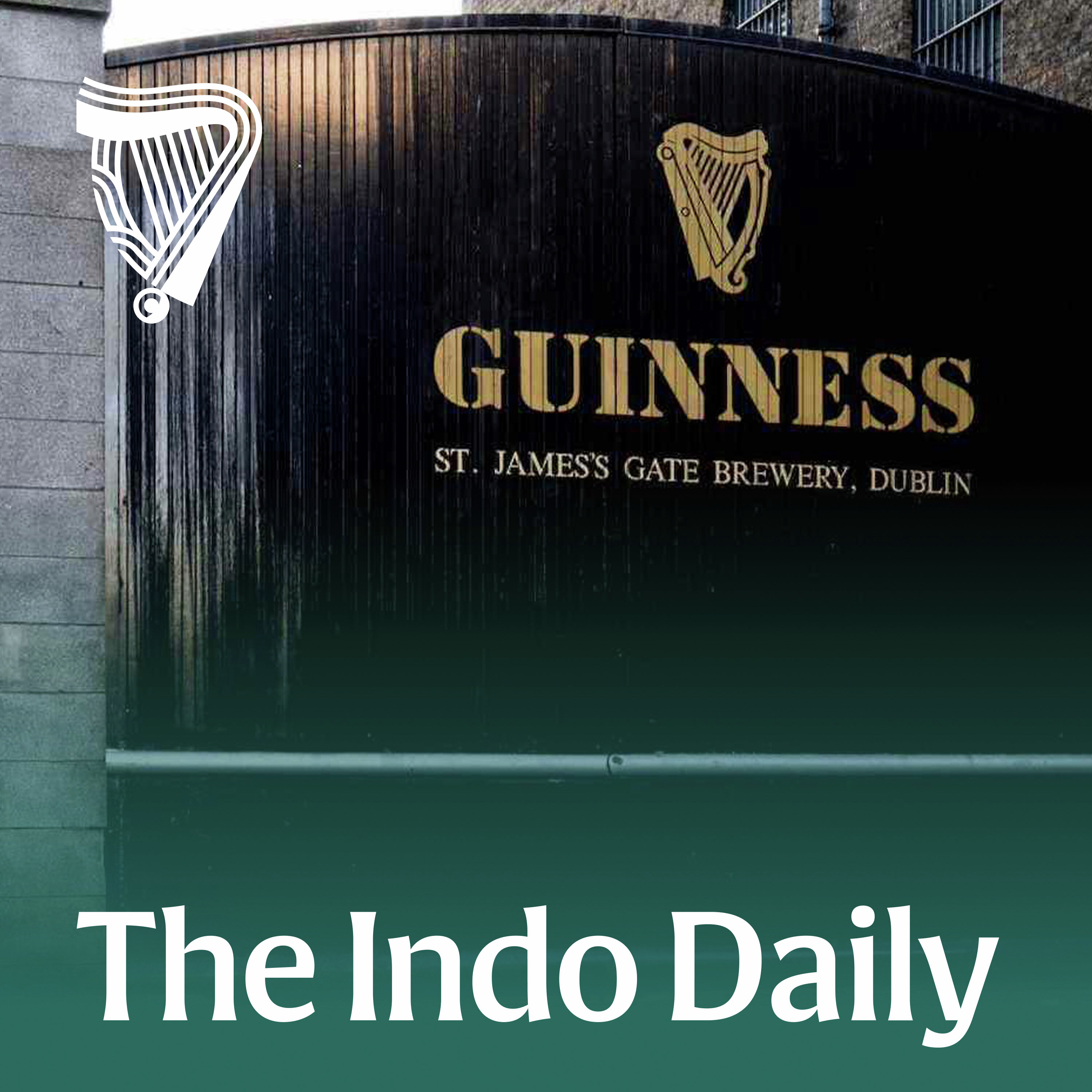
The story begins with Arthur Guinness, who in 1759 signed a 9,000-year lease on the St. James’s Gate Brewery in Dublin. Arthur was a man of immense vision and Protestant work ethic, eventually fathering 21 children, though only ten survived into adulthood. This high rate of infant mortality was common for the 18th century, yet in retrospect, some folklorists point to this as the foundational "darkness" of the line.
As the brewery grew into a global empire, the Guinnesses transitioned from successful tradesmen to members of the Anglo-Irish aristocracy. They became the Lords Iveagh and Lords Moyne, wielding significant political and social power. However, with this ascent came a level of public scrutiny that turned private grief into public spectacle. By the mid-20th century, the sheer frequency of high-profile deaths within the family began to transition from "unfortunate" to "uncanny" in the eyes of the media.
Cataloging the Tragedies: Why the "Curse" Gained Traction
The "curse" narrative is built upon a foundation of genuine, documented tragedies. Unlike many urban legends, the events associated with the Guinness name are matters of historical record. The following events represent the core "evidence" cited by those who believe the family is haunted by more than just bad luck.
The 1944 Assassination of Lord Moyne
One of the most significant blows to the family occurred during World War II. Walter Guinness, 1st Baron Moyne, was serving as the British Minister Resident in the Middle East. In November 1944, he was assassinated in Cairo by members of the Lehi (the Stern Gang), a Zionist paramilitary group. His death was a geopolitical earthquake, but for the Guinness family, it marked the beginning of a period where their wealth and status offered no protection against violent ends.
Tara Browne and the 1960s Counterculture
Perhaps the most culturally significant tragedy was the death of Tara Browne in 1966. The son of Dominick Browne, 4th Baron Oranmore and Browne, and Oonagh Guinness, Tara was a charismatic figure in "Swinging London." At just 21 years old, he crashed his Lotus Elan in South Kensington, dying instantly. His death famously inspired John Lennon to write the opening lines of the Beatles' "A Day in the Life." The image of a young, handsome heir to millions dying in a high-speed wreck cemented the idea of the "gilded but doomed" Guinness youth.
Mental Health and the "Golden Cage"
The 1970s and 80s saw a string of tragedies linked to mental health and substance abuse. Lady Henrietta Guinness jumped to her death from a bridge in Spoleto, Italy, in 1978, having previously remarked that "If I had been poor, I would have been happy." Shortly after, in 1986, Olivia Channon, daughter of Paul Channon (a Guinness descendant and British cabinet minister), died of a drug overdose at Oxford University. These events highlighted the psychological toll of the "Guinness name"—a burden of expectation that some family members found impossible to carry.
Data vs. Destiny: Examining the Historical Record
When analyzed through a modern lens in 2026, the "curse" faces significant skepticism from statisticians and historians. The Guinness family is exceptionally large; Arthur Guinness’s descendants number in the hundreds, if not thousands. In any population of that size, over a 250-year period, there will be a predictable number of early deaths, accidents, and mental health struggles.
| Figure | Year | Nature of Event | Impact on the "Curse" Narrative |
|---|---|---|---|
| Lord Moyne | 1944 | Assassination (Cairo) | Established the family as targets of political violence. |
| Tara Browne | 1966 | Car Accident (London) | Linked the family to the "live fast, die young" ethos. |
| Henrietta Guinness | 1978 | Suicide (Italy) | Highlighted the link between immense wealth and depression. |
| Olivia Channon | 1986 | Overdose (Oxford) | Brought the "curse" into the modern era of drug culture. |
| Honor Uloth | 2020 | Accidental Drowning | Revived the narrative for a new generation in the 21st century. |
The "contested" nature of the legacy lies in this tension between statistical probability and narrative flair. To the Guinness family, these are private bereavements. To the public, they are chapters in a gothic family saga.
The Role of the Media in Perpetuating the Legend
The media has played a primary role in keeping the Guinness Curse alive. Throughout the late 20th century and into the early 2020s, tabloids frequently used the term "The Guinness Curse" as a headline shorthand for any misfortune involving a family member. This creates a confirmation bias: when a Guinness family member lives a long, quiet, and productive life (as hundreds have), it is not news. When a Guinness family member suffers a tragedy, it is framed as "the curse strikes again."
In 2026, the digital footprint of the family ensures that even minor incidents are amplified. However, there is also a growing pushback against this narrative. Modern biographers argue that labeling these tragedies as a "curse" dehumanizes the victims, reducing their complex lives and struggles to a supernatural trope.
The Modern Guinness Family: Moving Beyond the Shadow
As of 2026, the Guinness family remains influential, though their direct connection to the brewery has largely vanished. The brewery itself is owned by the multinational beverage giant Diageo, following the 1997 merger of Guinness PLC and Grand Metropolitan. This separation has allowed the family to diversify.
Today, the family includes prominent environmentalists, bankers, artists, and fashion icons. They have taken active steps to address the "curse" by speaking more openly about mental health and the pressures of their lineage. By de-stigmatizing the struggles that plagued previous generations, the modern Guinnesses are effectively "breaking" the curse through transparency and medical intervention rather than superstition.
The Psychological Weight of a Named Curse
There is a psychological phenomenon where being told one is "cursed" can lead to self-fulfilling prophecies. For a young Guinness growing up in the spotlight, the weight of the family history can be immense. If every mistake is framed as a "destined tragedy," the motivation to seek help or exercise caution can be undermined by a sense of fatalism.
Psychologists who have studied wealthy dynasties often point to "Affluenza" or "Sudden Wealth Syndrome," but the Guinnesses face a unique layer: a branded tragedy. In 2026, the family's legacy is increasingly viewed through the lens of generational trauma and the specific vulnerabilities of the "ultra-high-net-worth" individual, rather than an ancestral hex.
Frequently Asked Questions
Is the Guinness brewery still owned by the family?
No. While family members held significant roles for nearly two centuries, the company merged to form Diageo in 1997. The family still holds interests and maintains a presence in Ireland and the UK, but they do not control the daily operations of the St. James’s Gate Brewery.
Who was the most recent victim of the "Guinness Curse"?
In recent memory, the death of Honor Uloth in 2020 is often cited. The 19-year-old granddaughter of Benjamin Guinness, the 3rd Earl of Iveagh, died in a tragic drowning accident at a family party. This event triggered a significant wave of "curse" coverage in global media.
Does the family believe in the curse?
Publicly, most family members dismiss the idea of a curse as tabloid sensationalism. They emphasize the size of the family and the normalcy of facing grief, albeit in a more public arena than most. However, some individual members have acknowledged the psychological burden of the family’s history.
Are there other families with similar "curses"?
Yes, the narrative of the "cursed dynasty" is common among high-profile families. The Kennedy family in the United States is perhaps the most frequent comparison, having suffered a similar pattern of assassinations, plane crashes, and early deaths.
How has the brewery handled the "curse" narrative?
The brewery, under Diageo, maintains a strictly professional brand image focused on the quality of the product and its Irish heritage. They generally do not comment on the private lives or tragedies of the Guinness descendants to avoid associating the commercial brand with the "curse" folklore.
Recommendation for Further Exploration
If you are interested in the factual history behind the myth, the best next action is to read "The Guinnesses: The Rise and Fall of Yesterday's Family" by Frederic Mullally or more recent genealogical studies of the Anglo-Irish aristocracy. For those visiting Dublin, a trip to the Guinness Storehouse provides excellent context on the family's industrial and philanthropic contributions, which often get overshadowed by the "curse" narrative. Understanding the family's extensive philanthropy—such as the Iveagh Trust, which provided housing for Dublin’s poor—offers a necessary counterbalance to the focus on their personal tragedies.
Image Gallery