Engineering Researchers: Navigating the Career Path and Research Landscape in 2026
Engineering researchers are specialized professionals who apply scientific methods and mathematical principles to solve complex technical problems, innovate new technologies, and optimize existing systems. In 2026, these individuals br...
Engineering researchers are specialized professionals who apply scientific methods and mathematical principles to solve complex technical problems, innovate new technologies, and optimize existing systems. In 2026, these individuals bridge the gap between theoretical discovery and practical application, focusing on sustainable infrastructure, AI-integrated systems, and advanced materials through rigorous experimentation, peer-reviewed publication, and cross-sector collaboration.
Contents
The Role and Impact of Engineering Researchers in 2026
The definition of an engineering researcher has evolved significantly as we move through 2026. Unlike traditional engineers who may focus primarily on the implementation of known standards, researchers are tasked with expanding the boundaries of what is technically possible. They operate at the intersection of academic curiosity and industrial necessity. Their work is the primary engine behind "Deep Tech" sectors, where the solution to a problem requires a fundamental shift in scientific understanding rather than just an incremental improvement in design.
In the current landscape, engineering researchers are increasingly multi-disciplinary. A researcher in civil engineering might spend more time on sensor networks and data science than on traditional structural analysis, reflecting the push toward "smart cities." Similarly, chemical engineering researchers are now at the forefront of carbon sequestration technologies and synthetic biology. This shift requires a deep mastery of core engineering principles combined with high-level proficiency in computational tools and ethical frameworks.
Education and Career Pathways for Engineering Researchers
Entering the field of engineering research typically requires an advanced degree, though the specific path can vary depending on whether one targets academia or the private sector. By 2026, the traditional PhD remains the gold standard for high-level research roles, but professional doctorates and industry-sponsored research fellowships have gained substantial traction.
Academic Research Paths
For those pursuing a career in universities, the journey begins with a Bachelor of Science (BS) in an engineering discipline, followed by a Ph.D. In 2026, many programs have integrated "Direct-to-PhD" tracks that bypass a standalone Master’s degree to accelerate the transition into active research. Academic researchers are primarily evaluated on their ability to secure external funding, publish in high-impact journals such as the IEEE Transactions series or Nature Engineering, and mentor graduate students.
Industrial R&D Paths
In the private sector, engineering researchers work in Research and Development (R&D) departments for multinational corporations or high-growth startups. These roles often prioritize "Applied Research"—where the goal is a patentable technology or a proprietary process. Companies in the semiconductor, aerospace, and renewable energy sectors are the largest employers of these professionals. In 2026, industrial researchers are often expected to hold a Master of Science (MS) or PhD, but with a heavy emphasis on project management and intellectual property (IP) law.
Essential Skills for the Modern Researcher
Success in engineering research in 2026 demands a diverse toolkit that extends beyond mathematical proficiency. The complexity of modern systems means that no researcher operates in a vacuum.
- Computational Fluency and AI Integration: Proficiency in Python, MATLAB, or C++ is no longer optional. Researchers must use machine learning (ML) models to parse massive datasets generated by sensors or simulations. The use of "Digital Twins"—virtual replicas of physical systems—is now a standard methodology for testing hypotheses before moving to physical prototypes.
- Grant Writing and Communication: Whether applying for a National Science Foundation (NSF) grant or pitching a project to a corporate board, researchers must translate complex data into compelling narratives. They must articulate the "Broader Impacts" of their work, including societal benefits and economic viability.
- Experimental Design and Validation: Researchers must be experts in the "Scientific Method" applied to engineering. This involves rigorous uncertainty analysis and the ability to design experiments that are reproducible. In 2026, the "Replication Crisis" in science has led to stricter requirements for data transparency and open-source documentation.
- Interdisciplinary Collaboration: Most breakthroughs now occur at the boundaries of fields. Engineering researchers must speak the language of biologists, physicists, and ethicists to lead large-scale projects, such as neural-link interfaces or autonomous transport networks.
The 2026 Research Environment: Tools and Technologies
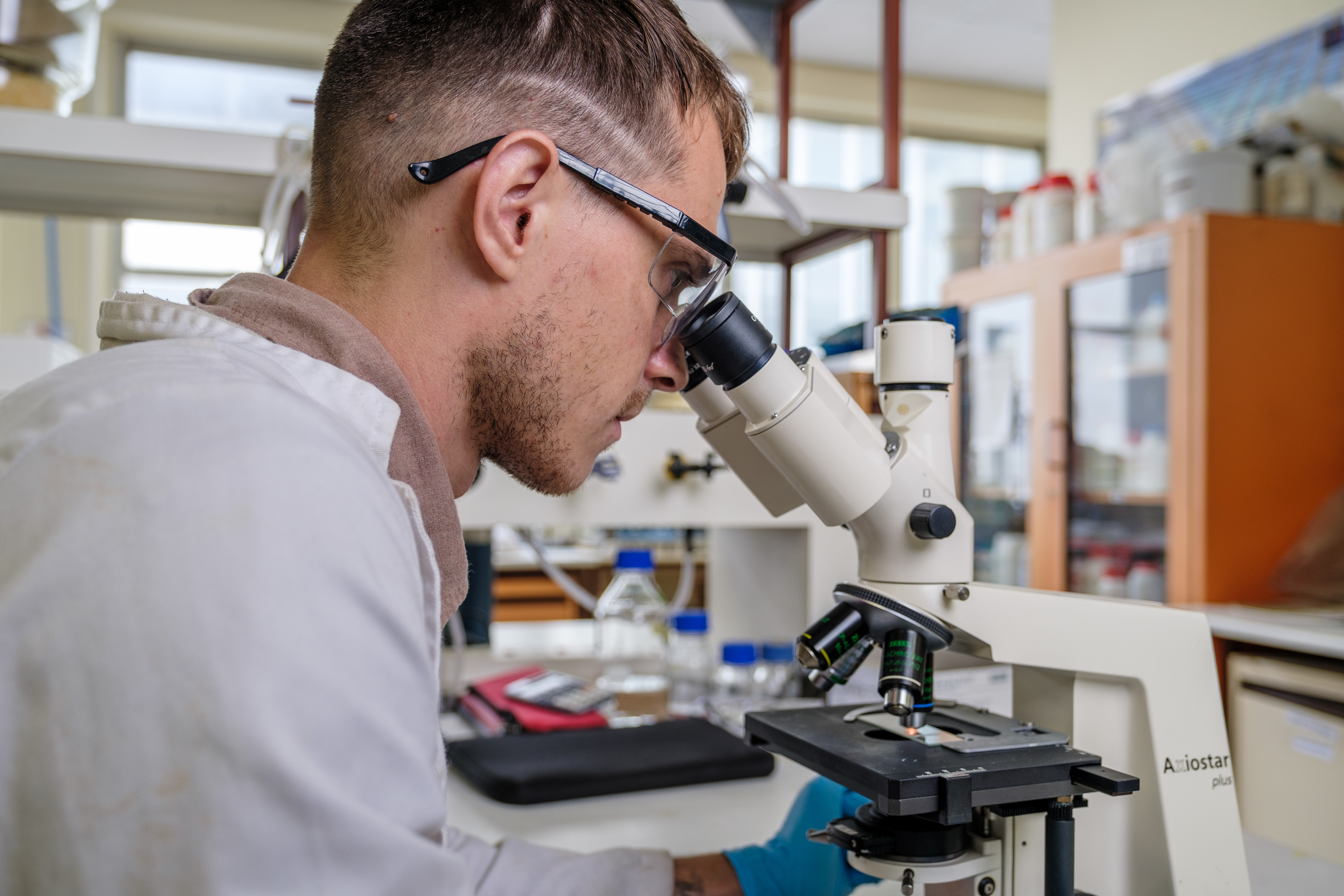
The physical and digital environment where engineering researchers work has been transformed by automation and high-performance computing (HPC). Laboratory settings are increasingly "augmented," with researchers using AR (Augmented Reality) headsets to visualize stress points in materials or fluid dynamics in real-time.
Automation in the Lab
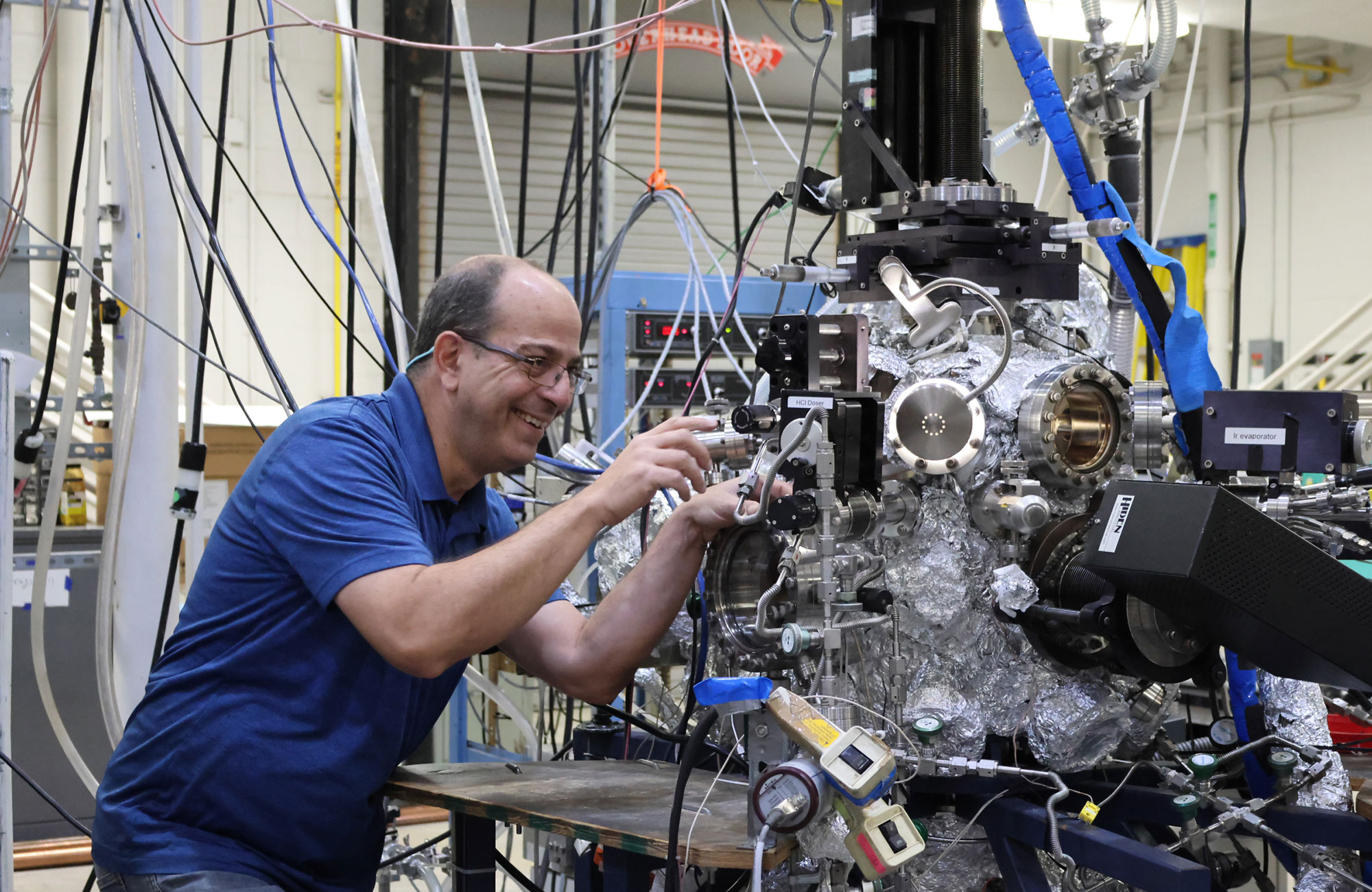
Robotic process automation (RPA) handles repetitive testing, allowing researchers to focus on high-level analysis. For example, in materials science, high-throughput screening systems can test thousands of alloy combinations in a fraction of the time it took a decade ago. This shift has given rise to the "Research Software Engineer" (RSE), a hybrid role dedicated to maintaining the complex codebases that power modern experiments.
High-Performance Computing (HPC)
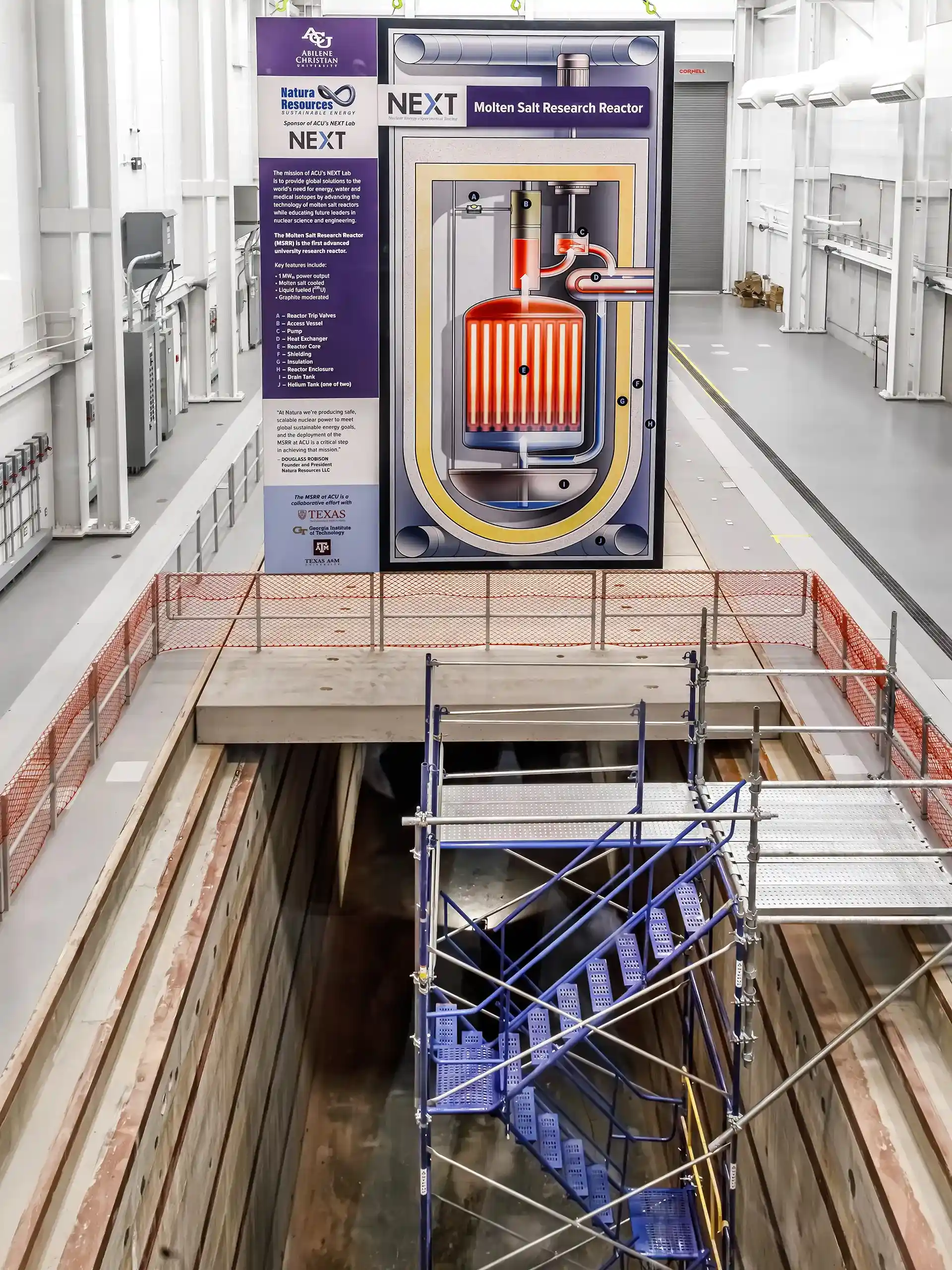
Access to supercomputing clusters is a prerequisite for modern engineering research. Projects involving climate modeling, aerodynamic simulations, or quantum circuit design rely on the ability to process petabytes of data. Many researchers now utilize cloud-based HPC providers, which allow for scalable computing power without the overhead of maintaining local server farms.
Funding and Financial Realities
Funding is the lifeblood of engineering research. In 2026, the landscape of financial support is more diverse but also more competitive.
| Funding Source | Typical Focus | Primary Metrics of Success |
|---|---|---|
| Government Grants (NSF/NIH/ERC) | Fundamental research, long-term societal impact. | Peer-reviewed publications, citations, public benefit. |
| Corporate R&D Budgets | Applied research, product development, cost reduction. | Patents, time-to-market, proprietary technology. |
| Venture Capital (Deep Tech) | Disruptive innovation, high-risk/high-reward startups. | Scalability, market share, exit potential. |
| Non-Profit Foundations | Specific missions (e.g., clean water, curing diseases). | Target-specific outcomes, community implementation. |
In the United States, agencies like the Department of Energy (DOE) and NASA continue to provide significant funding for engineering research related to national security and space exploration. In Europe, the Horizon Europe framework remains the largest single source of multi-national research funding, emphasizing cross-border collaboration and "Green Deal" objectives.
Ethics and Responsibility in Engineering Research
As engineering researchers develop technologies that can fundamentally alter society—such as autonomous weapons systems or gene-editing tools—the ethical dimension of their work has moved to center stage. In 2026, most research institutions require "Ethics in Research" (EiR) certifications.
Key ethical considerations include:
- AI Bias and Fairness: Engineering researchers building algorithmic systems must ensure their models do not perpetuate racial, gender, or socioeconomic biases.
- Environmental Sustainability: The "Life Cycle Assessment" (LCA) of a new technology is now a standard part of the research process. Researchers must account for the carbon footprint of their discoveries from production to disposal.
- Data Privacy: With the rise of the Internet of Things (IoT), researchers must manage the privacy implications of collecting vast amounts of user data during the testing phase of new engineering systems.
Frequently Asked Questions
What is the difference between an engineer and an engineering researcher?
While a practicing engineer focuses on applying established standards, codes, and methodologies to build and maintain systems, an engineering researcher focuses on creating those standards and methodologies. Researchers seek to answer "Why" and "How can we do this differently," whereas engineers typically focus on "How do we build this safely and efficiently using current knowledge."
Can I become an engineering researcher without a PhD?
Yes, particularly in the private sector. Many "Research Engineer" positions in industry require a Master’s degree and several years of specialized experience. However, to lead an independent research lab in a university or to serve as a Principal Investigator (PI) on major federal grants, a PhD is almost always mandatory.
Which engineering fields have the most research potential in 2026?
Currently, Biomedical Engineering, Quantum Engineering, and Renewable Energy Systems are seeing the highest levels of investment and growth. Additionally, "Resilience Engineering"—which focuses on making infrastructure capable of withstanding climate-related disasters—is a rapidly expanding niche.
How do engineering researchers publish their findings?
Research is typically shared through peer-reviewed journals and conference proceedings. Notable publishers include the American Society of Mechanical Engineers (ASME) and the Association for Computing Machinery (ACM). In 2026, there is a strong movement toward "Open Access" publishing, ensuring that research funded by the public is available to the public without a paywall.
What is the average salary for an engineering researcher?
Salaries vary widely by sector and geography. In 2026, a mid-level industrial engineering researcher in the United States can expect to earn between $130,000 and $180,000, while academic salaries for tenure-track professors typically start lower but offer different long-term benefits and consulting opportunities.
Moving Forward: Next Steps for Aspiring Researchers
If you are aiming to enter the world of engineering research, your first priority should be identifying a specific technical problem that aligns with your interests. In 2026, the "generalist" researcher is rare; expertise in a niche—such as nanophotonics or carbon-neutral cement—is far more valuable.
Begin by engaging with current literature in your field of interest through databases like Google Scholar or Scopus. If you are currently a student, seek out an undergraduate research opportunity (REU) to gain hands-on experience with the grant-cycle and experimental protocols. For professionals looking to pivot, consider a specialized Master’s degree that emphasizes "Research Methods" to bridge the gap between application and innovation.
Image Gallery