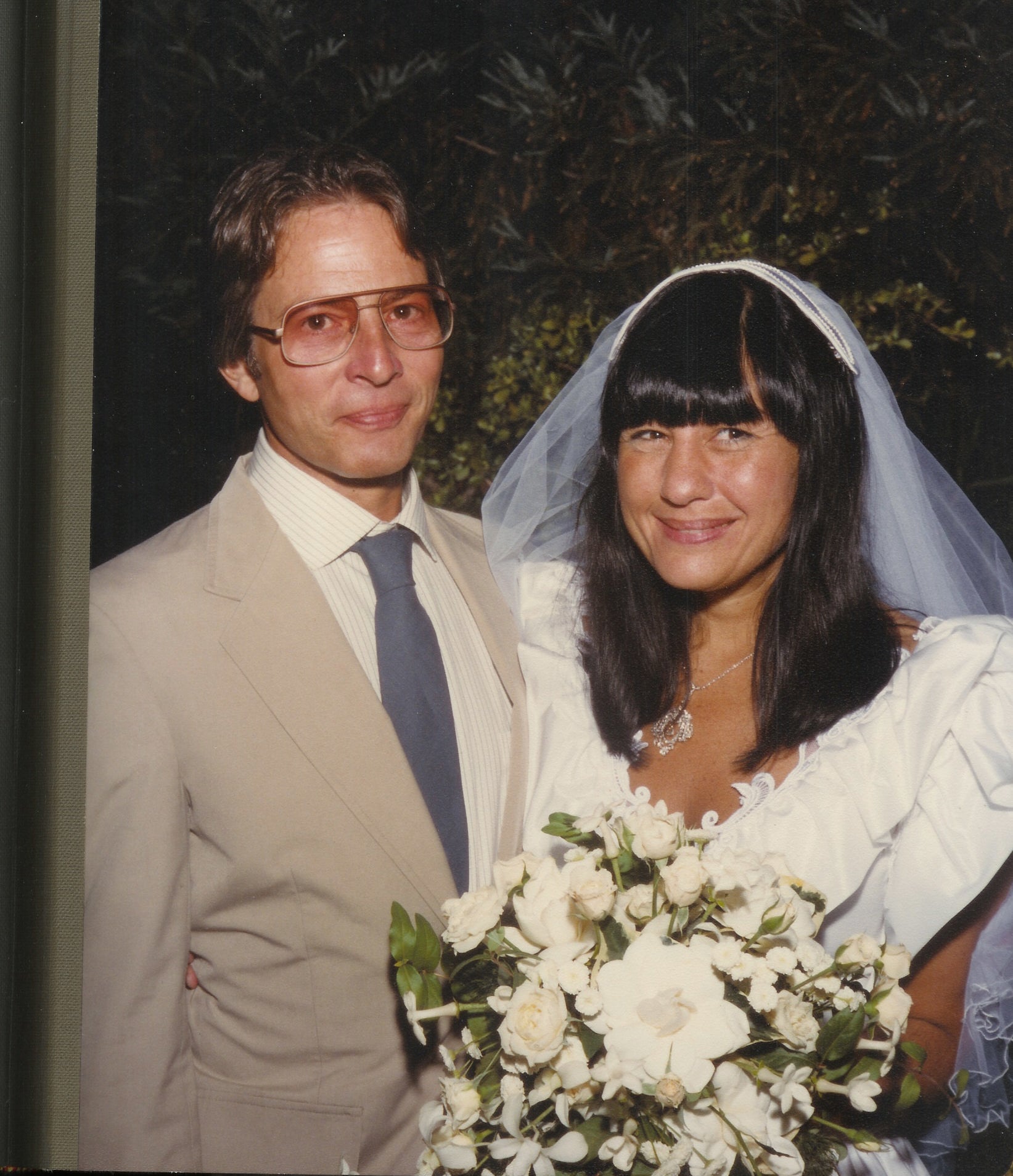
The Murder of Susan Berman and the Case Against Robert Durst
Susan Berman was murdered on December 23, 2000, inside her Los Angeles home by New York real estate heir Robert Durst. Prosecutors established that Durst killed Berman to prevent her from revealing his role in the 1982 disappearance of...
Susan Berman was murdered on December 23, 2000, inside her Los Angeles home by New York real estate heir Robert Durst. Prosecutors established that Durst killed Berman to prevent her from revealing his role in the 1982 disappearance of his wife, Kathie Durst. Durst was convicted of first-degree murder in September 2021 and sentenced to life in prison.
Contents
Background of the Relationship: Susan Berman and Robert Durst
The relationship between Susan Berman and Robert Durst spanned more than three decades, originating in the late 1960s when both attended Indiana University. Berman, the daughter of Davie Berman—a prominent figure in Las Vegas mob history and co-founder of the Flamingo Hotel—was a talented journalist, biographer, and author. Durst was the eldest son of Seymour Durst, head of the Durst Organization, one of New York City’s most powerful commercial real estate empires.
Despite coming from vast real estate wealth, Durst formed a close personal bond with Berman, who moved in literary and media circles in San Francisco, New York, and Los Angeles. Over decades, their friendship was characterized by mutual financial support and absolute loyalty. Durst frequently provided financial gifts and loans to Berman, who struggled financially later in life as her journalism career slowed. In return, Berman served as Durst’s fiercest defender in the public arena.
The operational nature of their friendship changed permanently in January 1982, when Durst’s first wife, Kathleen "Kathie" McCormack Durst, mysteriously vanished from New York. As public and law enforcement scrutiny turned toward Durst, Berman stepped into the role of his unofficial public relations manager and spokeswoman. Investigators long suspected that Berman’s loyalty extended beyond public defense—alleging that she actively assisted Durst by placing a phone call to Kathie’s medical school pretending to be Kathie, thereby establishing a false timeline of her whereabouts after her murder.
The Disappearance of Kathie Durst and the Catalyst for Homicide
For nearly 18 years, the disappearance of Kathie Durst remained a cold case in New York. However, in late 2000, the Westchester County District Attorney’s Office formally reopened the investigation. Investigators began systematically re-interviewing individuals close to both Durst and Kathie, specifically seeking out Susan Berman as a critical witness who possessed potential knowledge of Durst's actions in 1982.
Timeline of Interconnected Incidents:
- 1982: Kathie Durst vanishes in New York
- Susan Berman acts as Durst's media surrogate.
- 2000 (Fall): Westchester County DA reopens Kathie Durst cold case.
- 2000 (Dec): Investigators attempt to interview Susan Berman.
- 2000 (Dec 23): Susan Berman executed in her Los Angeles home.
As news reached Durst that investigators intended to contact Berman, she went from being his most trusted confidante to his primary liability. Prosecutors later demonstrated that Berman, facing severe economic distress in late 2000, had reached out to Durst requesting additional money. Detectives argued that Durst feared Berman would exchange her knowledge of Kathie's murder for money or immunity from law enforcement.
To eliminate this threat, Durst traveled secretly to Los Angeles in late December 2000. On December 23, 2000, Berman was killed inside her rented home in Benedict Canyon, California, shot execution-style once in the back of the head at point-blank range with a 9mm handgun.
The December 2000 Crime Scene and Initial Evidence
When police entered Susan Berman's residence on December 24, 2000, following calls from neighbors regarding her unattended dogs, they found no signs of forced entry or struggle. Nothing of substantial value had been stolen, ruling out a routine burglary. The execution-style manner of the killing strongly suggested that Berman knew her assailant and willingly permitted them inside her home.
The initial lead in the homicide investigation came in the form of an anonymous letter mailed to the Beverly Hills Police Department, postmarked December 23, 2000. The note contained only Berman’s address—"1541 Summitridge Dr."—and the word "CADAVER".
Anonymous "Cadaver Note" Details:
- Recipient: Beverly Hills Police Department
- Content: "1541 Summitridge Dr." / "CADAVER"
- Key Characteristic: Hand-printed in capital block letters
- Orthographic Error: "BEVERLEY" (misspelling of Beverly)
Despite the unique nature of the cadaver note, the investigation stalled for over a decade. Investigators lacked direct physical evidence connecting Durst to the crime scene, such as DNA or fingerprints, and Durst maintained that he was not in Los Angeles at the time of Berman’s death. The case remained open but cold until documentary filmmakers uncovered key archival evidence years later.
Key Evidentiary Breakthroughs: The Jinx and Handwriting Forensic Analysis
The trajectory of the murder investigation shifted dramatically during the production of the 2015 HBO documentary series The Jinx: The Life and Deaths of Robert Durst, directed by Andrew Jarecki. While researching the case, filmmakers were provided access to Berman’s personal archive by her stepson, Sareb Kaufman. Among her papers, Kaufman discovered a 1999 letter sent by Robert Durst to Susan Berman.
Forensic document examiners conducted a direct comparison between the 1999 Durst envelope and the 2000 anonymous cadaver note sent to the police. The analysis revealed identical handwriting characteristics:
- Orthographic Anomaly: Both documents misspelled the city name as "BEVERLEY" (adding an extraneous 'e').
- Graphemic Match: The slant, spacing, letter shapes, and block capital style across both envelopes were determined by handwriting experts to be produced by the exact same author.
- Stroke Pressure and Alignment: Microscopic evaluation confirmed consistent pressure patterns and line alignment across both writing samples.
When confronted with the two envelopes during an interview for The Jinx, Durst was unable to distinguish between his known writing and the handwriting on the cadaver note. Shortly after the interview concluded, Durst walked into a bathroom while still wearing a live wireless microphone and uttered the infamous statement: "What the hell did I do? Killed them all, of course."
On March 14, 2015, the day before the final episode of The Jinx aired, federal agents and local homicide detectives arrested Robert Durst at a hotel in New Orleans, Louisiana, where he was registered under an alias and in possession of a firearm, cash, and latex masks.
The Trial, Verdict, and Legal Timeline
Robert Durst’s trial for the murder of Susan Berman began in early 2020 in the Los Angeles County Superior Court, presided over by Judge Mark E. Windham. The trial experienced significant delays due to the COVID-19 pandemic before resuming in May 2021.
Deputy District Attorney John Lewin led the prosecution, framing the trial around a simple legal theory: witness elimination. Under California Evidence Code Section 1101(b), prosecutors were permitted to introduce evidence regarding the 1982 disappearance of Kathie Durst and the 2001 killing of Morris Black in Galveston, Texas—a case in which Durst had previously been acquitted of murder after claiming self-defense despite admitting to dismembering the victim's body.
In a dramatic shift in strategy, Durst's defense team, led by attorney Dick DeGuerin, conceded before the jury that Durst had written the cadaver note—reversing 20 years of persistent denials. Durst took the witness stand in his own defense, claiming he had arrived at Berman’s home, discovered her dead body, panicked, and mailed the anonymous note to ensure police would find her without identifying himself as the discoverer.
The jury rejected Durst's testimony. On September 17, 2021, the jury found Robert Durst guilty of first-degree murder. The jury also found true the special circumstance allegations of murder of a witness and lying in wait.
| Date | Legal / Historical Event | Key Outcome or Significance | Primary Evidence / Ruling |
|---|---|---|---|
| Jan 31, 1982 | Disappearance of Kathie Durst | Kathie vanishes in New York; Berman acts as Durst's public surrogate. | Unsolved disappearance; motive for later actions. |
| Dec 23, 2000 | Murder of Susan Berman | Berman shot in Benedict Canyon, Los Angeles; single 9mm wound. | Execution-style killing; no forced entry. |
| Dec 24, 2000 | LAPD Receives "Cadaver Note" | Anonymous letter directs police to Berman's residence. | Misspelling "BEVERLEY"; block handwriting. |
| Mar 14, 2015 | Arrest of Robert Durst | FBI and LAPD arrest Durst in New Orleans, Louisiana. | Discovery of 1999 letter match; The Jinx hot mic. |
| Sep 17, 2021 | Jury Verdict | Durst convicted of First-Degree Murder in Los Angeles. | Special circumstances: Witness elimination. |
| Oct 14, 2021 | Sentencing | Durst sentenced to Life Without Parole in California state prison. | Mandatory sentence under California law. |
| Nov 1, 2021 | New York Murder Indictment | Westchester County DA charges Durst with murder of Kathie Durst. | Second-degree murder charge filed in NY. |
| Jan 10, 2022 | Death of Robert Durst | Durst dies of cardiac arrest at age 78 in Stockton, CA. | Criminal proceedings terminated due to death. |
On October 14, 2021, Robert Durst was sentenced to life imprisonment without the possibility of parole. Less than three months later, on January 10, 2022, Durst died in custody at the California Health Care Facility in Stockton at the age of 78.
Legal Precedents and Trial Significance
The prosecution of Robert Durst for the murder of Susan Berman established several important reference points in modern legal practice, particularly regarding the use of uncharged acts and digital media in criminal courtrooms.
Admission of Prior Bad Acts (Evidence Code 1101(b))
One of the key legal rulings in People v. Durst was the admission of evidence relating to two homicides for which Durst had not been convicted at the time: the 1982 disappearance of Kathie Durst and the 2001 dismemberment of Morris Black. Judge Windham permitted this evidence under California Evidence Code Section 1101(b). The prosecution demonstrated that these acts were intrinsically linked through a common scheme and intent: Durst committed murder, engaged in elaborate cover-ups, and eliminated witnesses who threatened his freedom.
Documentary Media as Investigative Catalysts
The case stands as one of the most prominent instances of investigative media directly intersecting with formal legal proceedings. The film evidence uncovered by the production team of The Jinx—specifically the physical handwriting comparison and the audio recording—was vetted under strict evidentiary rules before being admitted into court. The defense attempted to suppress the audio and handwriting samples, claiming unfair editing, but the court ruled the evidence admissible, establishing standards for how media archives can be authenticated for criminal trials.
Post-Conviction Abatement Rules in California
Historically, under the legal doctrine of abatement ab initio, if a defendant died while a direct appeal of their conviction was pending, the conviction was vacated and the indictment dismissed. However, following statutory adjustments and California judicial precedents, victims' families are protected from having guilty verdicts automatically erased upon a convicted felon's death in custody. Durst’s conviction for the murder of Susan Berman remains a permanent matter of legal record.
Frequently Asked Questions
Why did Robert Durst murder Susan Berman?
Robert Durst murdered Susan Berman to prevent her from giving evidence to law enforcement regarding the 1982 disappearance of his first wife, Kathleen McCormack Durst. When Westchester County authorities reopened the investigation into Kathie's disappearance in late 2000, prosecutors showed that Durst feared Berman would expose his role in the crime in exchange for financial settlement or legal protection.
What was the single most decisive piece of evidence against Durst?
The primary physical evidence was the handwriting match between the anonymous 2000 "cadaver note" sent to the Beverly Hills Police Department and a 1999 letter sent by Durst to Berman. Both documents contained identical block capital handwriting and shared the unique misspelling of Beverly Hills as "BEVERLEY HILLS".
Was Robert Durst ever convicted for the disappearance of his wife Kathie?
Durst was never convicted for the murder of Kathie Durst. Although Westchester County District Attorneys officially charged Durst with second-degree murder for Kathie's death in November 2021 following his conviction in Los Angeles, Durst died in January 2022 before the New York trial could take place.
How was The Jinx involved in the arrest of Robert Durst?
Filmmakers for the HBO series The Jinx uncovered a critical 1999 letter from Durst to Berman that matched the handwriting and misspelling on the cadaver note. Additionally, they recorded Durst making an admissions statement on a live microphone in the bathroom. This evidence was shared with law enforcement, leading directly to Durst's arrest in March 2015.
Did Robert Durst ever admit to writing the cadaver note?
Yes. Although Durst denied writing the cadaver note for nearly two decades, his defense attorneys formally conceded during his 2021 trial that he was the author. Durst testified that he wrote the note after finding Berman's body to alert police without being implicated, a story the jury rejected.
Practical Takeaways for Legal and Forensic Research
For criminal justice professionals, legal analysts, and journalists examining high-profile cold case prosecutions, the Susan Berman homicide case provides essential operational lessons:
- Leverage Archival Documents for Forensic Analysis: Cold case investigations often turn on subtle document details. In this case, comparing historical correspondence against crime scene notes yielded the critical orthographic and graphemic matches needed for indictment.
- Understand the Strategic Use of Prior Acts Evidence: Prosecutors demonstrated how uncharged or acquitted conduct (such as the disappearance of Kathie Durst and the Morris Black killing) can be admitted under rules like California Evidence Code 1101(b) to establish intent, pattern, and motive in a witness-elimination trial.
- Verify Audio and Documentary Authentication: Media artifacts used in criminal proceedings must undergo rigorous chain-of-custody and technical verification to withstand defense suppression motions regarding editing, recording context, and Fourth Amendment protections.
Image Gallery