Understanding Mold Remediation Services in Taylorsville, NC
Professional mold remediation in Taylorsville, NC, is a systematic process designed to identify, contain, and eliminate fungal growth while addressing the underlying moisture issues that fuel it. In 2026, local services prioritize IICR...
Professional mold remediation in Taylorsville, NC, is a systematic process designed to identify, contain, and eliminate fungal growth while addressing the underlying moisture issues that fuel it. In 2026, local services prioritize IICRC-certified protocols, utilizing advanced HEPA filtration and antimicrobial treatments to restore indoor air quality and protect structural integrity in Alexander County’s humid climate.
Contents
The Local Context: Why Mold is Prevalent in Taylorsville
Taylorsville and the surrounding Alexander County region experience a humid subtropical climate characterized by significant rainfall and high humidity levels, particularly during the summer months. These environmental factors create a natural breeding ground for mold spores, which require only moisture, a food source (such as drywall or wood), and stagnant air to thrive.
The geography of the area, nestled near the Brushy Mountains and in proximity to bodies of water like Lake Hickory, contributes to higher-than-average dew points. Homeowners in Taylorsville frequently encounter mold issues in specific areas:
- Crawlspaces: Many older homes in the region are built on crawlspaces. The red clay soil common in North Carolina retains moisture, which can evaporate into the crawlspace, leading to wood rot and fungal growth on floor joists.
- Basements: In hilly terrains, hydrostatic pressure often forces groundwater through foundation walls, creating damp environments.
- Attics: Poor ventilation combined with North Carolina’s intense heat can lead to condensation under roof decks, fueling mold growth.
Understanding these local triggers is the first step in effective remediation. Simply cleaning the mold is insufficient; a professional service must evaluate the Taylorsville-specific environmental factors that allowed the mold to establish itself in the first place.
Identifying the Need for Professional Remediation
Distinguishing between a minor mildew issue and a situation requiring professional intervention is critical for Taylorsville residents. While small patches of mold (less than ten square feet) can often be handled by homeowners using standard safety gear, larger infestations or recurring growth indicate a systemic problem.
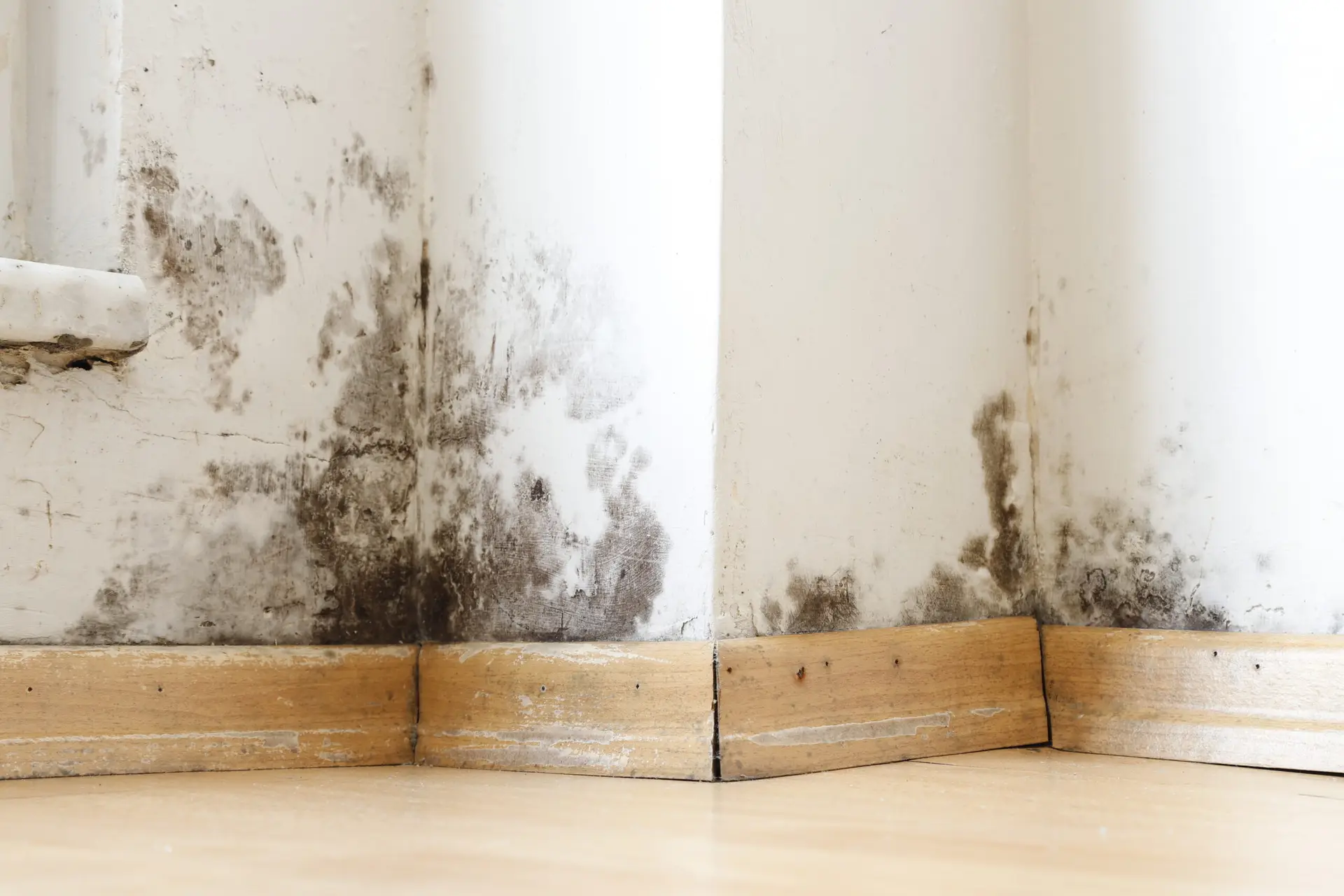
Visual and Olfactory Indicators Visual signs include discolored patches on walls, ceilings, or baseboards, often appearing black, green, or white. However, mold is frequently hidden behind wallpaper or inside HVAC ductwork. A persistent "musty" or "earthy" odor is often the most reliable indicator of a hidden colony.
Health and Structural Warnings For individuals with respiratory sensitivities, the presence of mold can trigger allergic reactions or asthma flare-ups. Structurally, mold consumes organic material. If left unchecked in a Taylorsville home, it can weaken the cellulose in wood framing, eventually compromising the safety of the structure. Professional remediation is required when the growth covers a large area, follows a flood event, or involves the HVAC system, as DIY attempts often inadvertently spread spores throughout the home.
The Professional Mold Remediation Process in 2026
The industry standards for remediation are governed by the IICRC S520 Standard for Professional Mold Remediation. In 2026, reputable contractors in Taylorsville strictly adhere to these steps to ensure the safety of the occupants and the longevity of the repair.
1. Inspection and Moisture Mapping
The process begins with a comprehensive assessment. Technicians use infrared cameras and moisture meters to locate "hot spots" behind walls where leaks or condensation may be occurring. By mapping the moisture, the team can identify the source—such as a leaking pipe or a failing flashing on a roof—ensuring the remediation isn't a temporary fix.
2. Containment and Negative Air Pressure
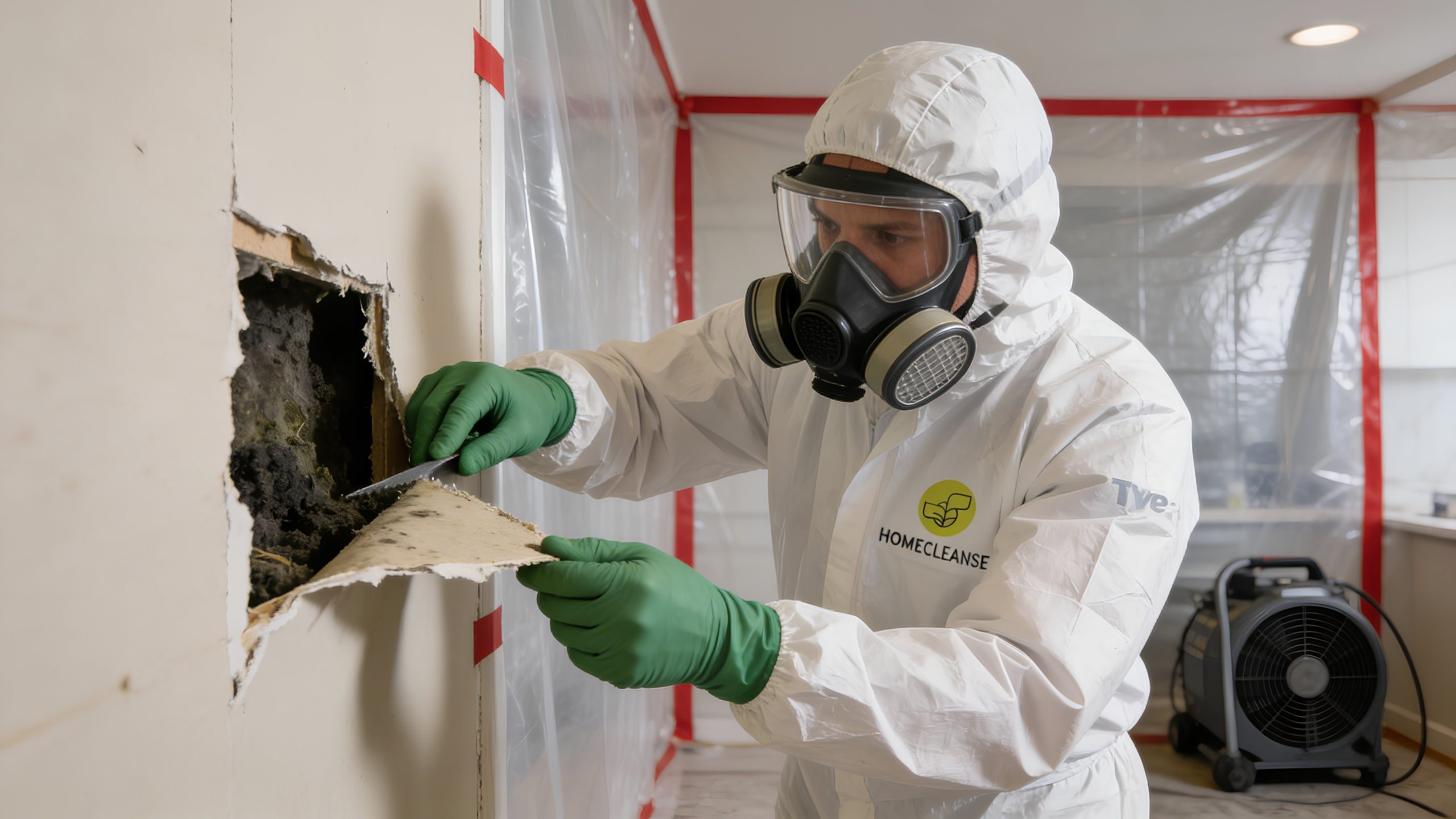
Before any mold is disturbed, the affected area must be isolated. Professionals use heavy-duty polyethylene sheeting to create a containment chamber. They then utilize Air Scrubbers equipped with HEPA (High-Efficiency Particulate Air) filters to create negative air pressure. This ensures that any spores stirred up during the cleaning process are pulled into the filtration system rather than drifting into unaffected rooms of the house.
3. HEPA Vacuuming and Controlled Removal
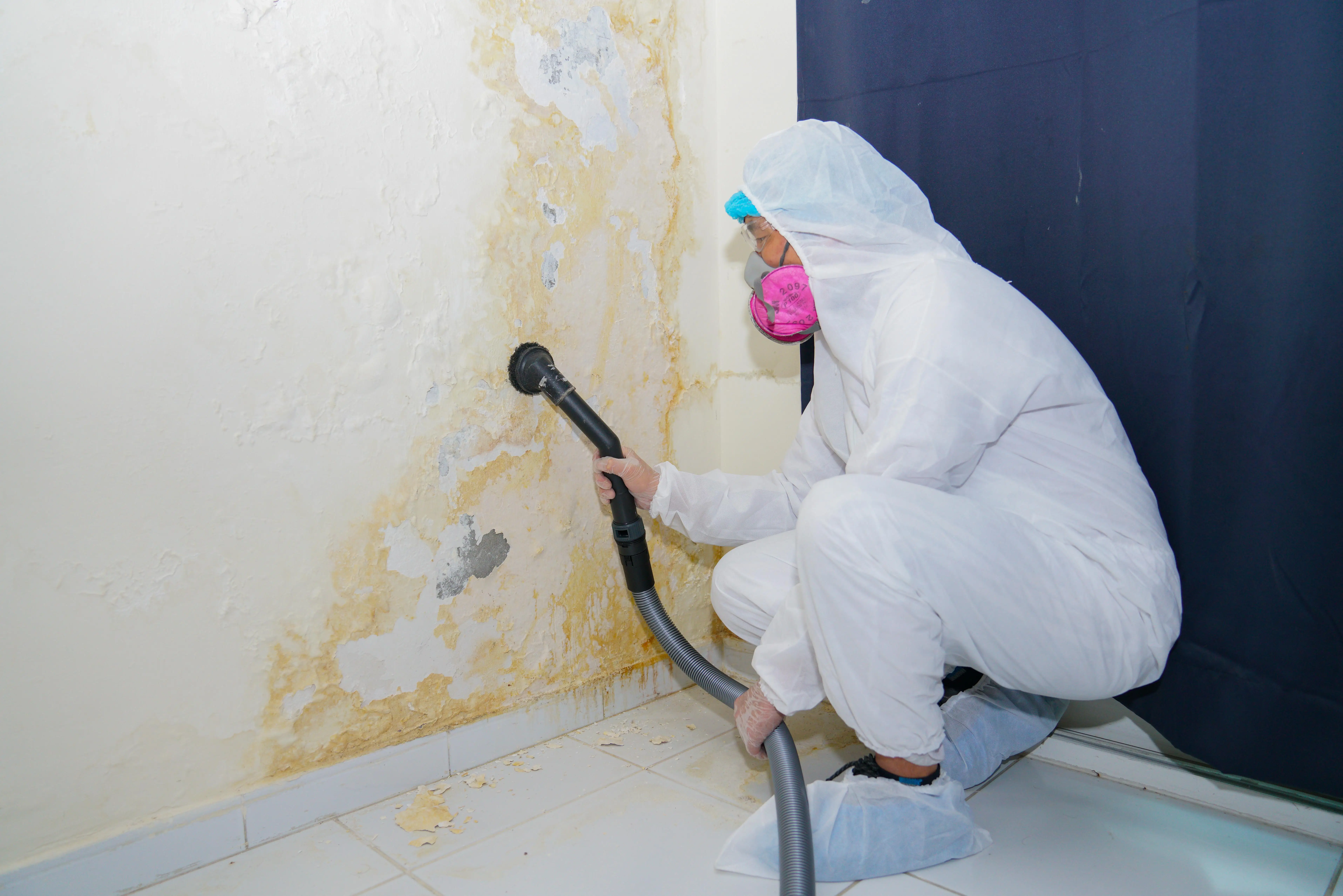
Porous materials that have been deeply colonized by mold, such as drywall, insulation, and carpeting, are usually non-salvageable. These are carefully bagged and removed from the premises. Semi-porous materials like wood studs are cleaned using HEPA vacuuming to remove the bulk of the fungal matter, followed by specialized cleaning techniques.
4. Specialized Cleaning and Antimicrobial Treatment
In 2026, many Taylorsville contractors utilize advanced cleaning methods such as dry ice blasting or media blasting for large-scale attic or crawlspace projects. This abrasive cleaning removes the mold "roots" (hyphae) from wood pores without introducing additional moisture. Following the physical removal, EPA-registered antimicrobial solutions are applied to sanitize the surfaces and inhibit future growth.
5. Drying and Dehumidification
The final step in the remediation phase is ensuring the area is completely dry. Industrial-grade dehumidifiers and high-velocity air movers are used to bring the moisture content of structural materials down to safe levels (typically below 16% for wood).
Choosing a Qualified Contractor in Alexander County
Because North Carolina does not currently require a specific "mold remediation license" at the state level, the burden of verification falls on the consumer. To ensure high-quality service in Taylorsville, property owners should vet contractors based on several key criteria.
Certifications and Standards The most important credential is a certification from the IICRC (Institute of Inspection, Cleaning and Restoration Certification). Look for technicians designated as Applied Microbial Remediation Technicians (AMRT). Additionally, membership in the NORMI (National Organization of Remediators and Mold Inspectors) indicates a commitment to ongoing industry education.
Insurance Requirements General liability insurance is often insufficient for mold work. A qualified contractor must carry Pollution Liability Insurance (also known as Environmental Liability). This specifically covers claims related to mold and hazardous materials, protecting the homeowner if spores are accidentally spread during the remediation process.
The "Conflict of Interest" Rule In professional remediation, it is often recommended that the company performing the initial mold testing and the company performing the actual cleanup be separate entities. This "third-party" approach prevents a conflict of interest where a company might exaggerate the extent of a mold problem to increase the scope of work.
Cost Considerations for Taylorsville Property Owners
The cost of mold remediation in Taylorsville varies significantly based on the location of the mold, the extent of the damage, and the accessibility of the area. Below is a breakdown of estimated cost factors for 2026.
| Remediation Type | Typical Scope | Estimated Cost Range (2026) |
|---|---|---|
| Crawlspace Remediation | Cleaning joists, moisture barrier replacement, and sanitization. | $2,500 – $7,000 |
| Attic Remediation | Removing insulation, cleaning roof deck, and improving ventilation. | $3,500 – $9,000 |
| Localized Room Cleanup | Drywall removal (approx. 10x10 room), treatment, and structural drying. | $1,500 – $4,000 |
| HVAC Duct Cleaning | Specialized cleaning of contaminated ductwork and coil sanitization. | $1,000 – $3,000 |
| Full Basement Mitigation | Major moisture control, wall stripping, and total sanitization. | $5,000 – $15,000+ |
Note: These estimates cover remediation (removal) only and typically do not include the cost of "build-back" (installing new drywall, painting, or flooring).
Factors that can increase these costs include the presence of toxic mold strains (like Stachybotrys chartarum), the need for specialized PPE due to hazardous conditions, and the requirement for structural repairs to rotted timber.
Post-Remediation Maintenance and Prevention
Once a Taylorsville home has been professionally remediated, preventing recurrence is a matter of humidity management. Given Alexander County's climate, several proactive steps are essential:
- Crawlspace Encapsulation: For many local homes, a standard 6-mil vapor barrier is insufficient. Encapsulation involves sealing the crawlspace with a heavy-duty liner, sealing foundation vents, and installing a dedicated dehumidifier. This creates a conditioned space that is hostile to mold growth.
- Proper Drainage: Ensure that gutters are clean and that downspouts discharge water at least six to ten feet away from the foundation. The hilly terrain in Taylorsville can lead to water pooling against foundation walls if grading is not maintained.
- HVAC Maintenance: High-efficiency MERV filters should be changed regularly. In 2026, many homeowners also opt for UV-C light installations within the HVAC handler to kill spores before they enter the ductwork.
- Indoor Humidity Monitoring: Keep indoor relative humidity levels between 30% and 50%. Inexpensive hygrometers can be used to monitor "problem rooms" like basements or laundry areas.
FAQ
Is mold testing mandatory before remediation?
While not always legally mandatory, it is highly recommended. Testing identifies the species of mold and the concentration of spores in the air. This information helps the remediation team determine the level of containment needed. In Taylorsville, pre-remediation testing provides a baseline to compare against "clearance testing" after the job is finished, proving the home is safe.
Will my homeowners' insurance cover mold remediation?
In North Carolina, coverage for mold depends on the "cause of loss." If the mold resulted from a "sudden and accidental" event, such as a burst pipe, it is often covered. However, mold resulting from long-term seepage, high humidity, or lack of maintenance is typically excluded. Review your policy for a "Fungi, Wet or Dry Rot" endorsement, which often caps mold coverage at a specific limit, such as $5,000.
How long does the remediation process usually take?
A typical remediation project in a Taylorsville residence takes between three to five days. The first day is usually dedicated to setup and containment, followed by one to two days of removal and cleaning. The final phase involves the "drying out" period, where industrial dehumidifiers must run for 24 to 48 hours to ensure the environment is stable before final testing.
Can I stay in my home during the remediation?
If the mold is confined to a specific area like a crawlspace or an attic, you can usually remain in the home. However, if the remediation involves the HVAC system or multiple living areas, the noise from air scrubbers and the potential for cross-contamination might make it advisable to vacate for a few days. Always consult with the project manager regarding the specific risks of your situation.
Does bleach kill mold on porous surfaces?
No. Bleach is largely ineffective on porous materials like wood or drywall. The ionic structure of bleach prevents it from penetrating these materials, meaning it only kills the mold on the surface while the water in the bleach solution seeps in and actually feeds the mold roots deeper in the material. Professionals use surfactants and antimicrobials designed to penetrate and kill the entire fungal organism.
Final Recommendation for Taylorsville Residents
If you suspect mold in your Taylorsville property, the most prudent next action is to schedule a professional moisture assessment. Early detection is the most effective way to limit both the cost of remediation and the potential impact on your health. Prioritize companies that provide a detailed, written scope of work and who are willing to work with independent testing laboratories for post-remediation verification. By addressing both the mold and the moisture source simultaneously, you ensure a long-term solution for your home's air quality and structural safety.
Image Gallery