Henry Hudson in New York City: Exploring Exploration, Geography, and Legacy
Henry Hudson’s 1609 voyage aboard the Halve Maen (Half Moon) fundamentally reshaped the geopolitical and economic landscape of North America, establishing European claims to the region that would become New York City. Commissioned by t...
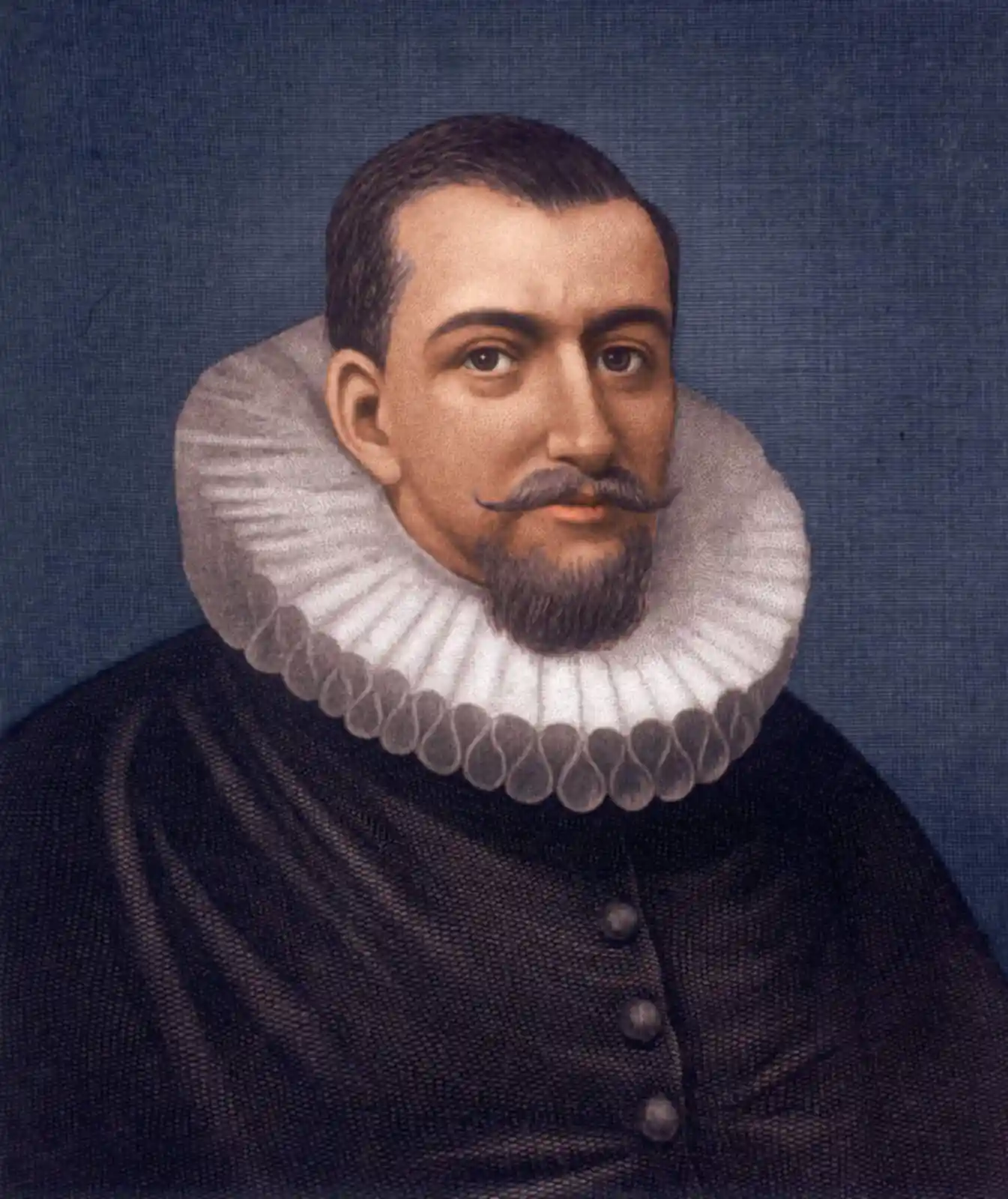
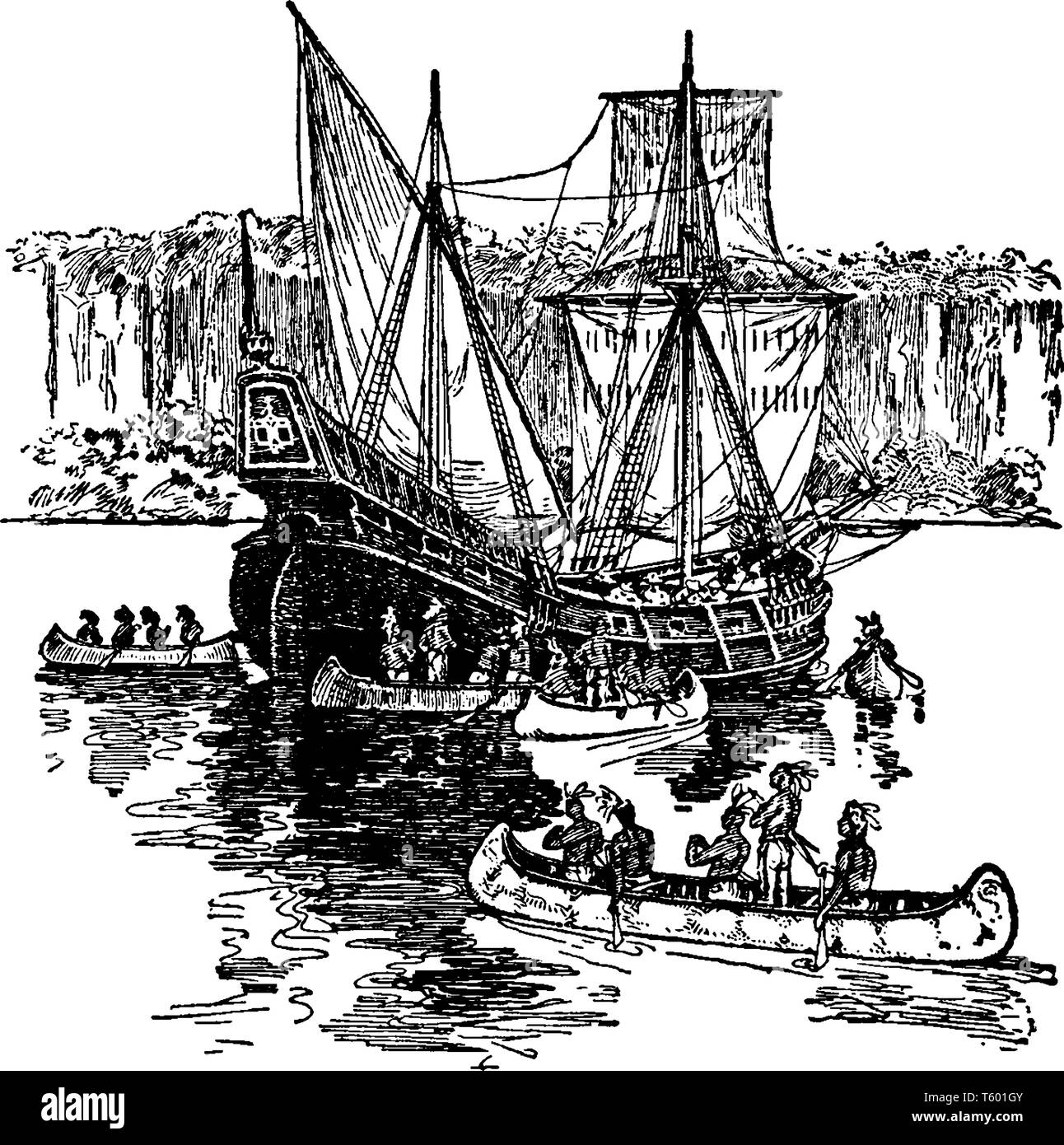
Henry Hudson’s 1609 voyage aboard the Halve Maen (Half Moon) fundamentally reshaped the geopolitical and economic landscape of North America, establishing European claims to the region that would become New York City. Commissioned by the Dutch East India Company (VOC) to find a northeastern passage to Asia, Hudson instead crossed the Atlantic, mapped the mid-Atlantic coast, and sailed up the majestic river that now bears his name. This exploration catalyzed the Dutch colonization of New Netherland, laid the groundwork for the founding of New Amsterdam, and permanently linked Hudson's name to the physical and cultural identity of modern New York City.
Contents
The Historical Context of the 1609 Voyage
At the dawn of the seventeenth century, European maritime powers engaged in intense competition to discover commercial sea routes to the spice markets of Asia. The Dutch Republic, having recently emerged from decades of war for independence from Spain, sought independent trade pathways that bypassed Portuguese and Spanish maritime chokepoints. In response to these commercial pressures, the Amsterdam chamber of the Dutch East India Company hired Henry Hudson, an experienced English navigator who had already undertaken two unsuccessful Arctic voyages for the English Muscovy Company.
Hudson’s mandate was explicit: sail northeast past Norway and Novaya Zemlya to find a passage over the top of the Eurasian landmass. However, severe Arctic ice conditions, freezing temperatures, and near-mutinous conditions among his mixed Dutch and English crew rendered this northeastern route impassable. Faced with hostile environments and a frustrated crew, Hudson exercised his navigational discretion. Rather than returning to Amsterdam empty-handed, he turned his ship westward across the Atlantic Ocean, heading toward North America with the hope of locating a fictional northwest passage mapped by earlier explorers like Giovanni da Verrazzano and Michael Lok.
By July 1609, the Halve Maen had reached the coast of North America, making landfall near present-day Newfoundland to repair a damaged mast before cruising slowly southward. Hudson meticulously explored the coastlines of Maine, the Chesapeake Bay, and Delaware Bay, searching for any break in the continent that might lead to the Pacific Ocean. His careful charting of these coastal features laid foundational geographical knowledge that subsequent cartographers utilized for decades.
Arrival in New York Harbor and the Exploration of the River
On September 3, 1609, the Halve Maen dropped anchor in the Lower New York Bay, a protected expanse of water bordered by present-day Staten Island, Brooklyn, and Sandy Hook, New Jersey. The region was heavily inhabited by the Lenape people, who navigated the waterways in dugout canoes and engaged in seasonal fishing, hunting, and agriculture. Early interactions between Hudson's crew and the Lenape were initially cautious and curious, marked by exchanges of European trinkets, beads, and knives for native tobacco, corn, and oysters. However, cultural misunderstandings and historical pressures soon strained these relations, culminating in minor skirmishes that resulted in the deaths of a few sailors and Indigenous people.
Seeking the elusive passage to the Pacific, Hudson steered his vessel past the Narrows on September 12, entering the upper bay and the mouth of the grand tidal estuary. Recognizing the deep waters and strong currents, Hudson began sailing northward up the river. The journey upstream was both hazardous and awe-inspiring. The crew navigated through the Hudson Highlands, past the Palisades, and as far north as present-day Albany and Troy.
| Feature / Milestone | Historical Detail | Modern Significance |
|---|---|---|
| Date of Arrival | September 3, 1609 | Commemorated in regional history and local maritime heritage. |
| Vessel Name | Halve Maen (Half Moon) | Replicated in modern times; symbolizes early Dutch-American ties. |
| Farthest North | Near modern Albany/Troy | Established the upper bounds of the early fur-trading frontier. |
| Primary Contact | Lenape and Mahican tribes | Acknowledges the original Indigenous stewards of the land. |
As the river narrowed and the fresh water made it clear this was not an ocean strait, Hudson realized the waterway was a river rather than a maritime passage to Asia. Turning the Halve Maen around in late September, he drifted back down toward the Atlantic, observing the rich timber, abundant wildlife, and fertile soil lining the banks. By October 4, 1609, the ship cleared Sandy Hook and set a course back to Europe, carrying reports that would permanently alter the geopolitical trajectory of the region.
From New Netherland to New Amsterdam
Hudson’s journals and the enthusiastic accounts of his crew sparked immediate commercial interest in the Netherlands. Merchants realized that while Asia remained distant, the newly charted river valley offered a lucrative alternative: the North American fur trade, particularly pelts of beaver, otter, and mink, which were in immense demand across European fashion markets.
| Year | Historical Milestone | Impact on New York City |
|---|---|---|
| 1609 | Henry Hudson explores the river | Establishes European geographic knowledge of the harbor and estuary. |
| 1614 | Fort Nassau established near Albany | Initiates permanent Dutch trading presence in the river valley. |
| 1624 | Arrival of Walloon families | Marks the formal agricultural and residential colonization of the area. |
| 1626 | Purchase of Manhattan Island | Establishes the administrative center of New Amsterdam. |
Following early trading voyages by Adriaen Block and others, the States-General of the Netherlands granted a trading monopoly to the newly formed Dutch West India Company in 1621. This corporate entity moved quickly to secure its territorial claims. In 1624, the company transported the first wave of settlers to the region, establishing agricultural outposts and trading forts. Two years later, in 1626, Director-General Peter Minuit negotiated the purchase of Manhattan Island from local Lenape bands, laying out the grid and fortifications for the settlement of New Amsterdam.
The legacy of Hudson’s voyage is deeply embedded in the layout and nomenclature of modern New York City. The Hudson River, the Hudson Parkway, the Henry Hudson Bridge, and numerous cultural institutions bear his name. Although Hudson himself never witnessed the bustling metropolis that grew from the Dutch trading post, his navigation through the Narrows opened the gateway to one of the world's most influential urban centers.
Frequently Asked Questions
Did Henry Hudson discover New York City?
No. Indigenous peoples, specifically the Lenape, had inhabited the region for thousands of years before European contact. Furthermore, Italian explorer Giovanni da Verrazzano sailed into New York Harbor in 1524. However, Hudson was the first European to thoroughly map the harbor and sail up the river, directly triggering the colonization that led to the city's founding.
Why did Henry Hudson sail up the river if it wasn't a passage to Asia?
Hudson was tasked with finding a water route to the Pacific Ocean and China. When he entered the wide estuary in September 1609, the deep channel and strong tides initially suggested it could be a strait connecting the Atlantic and Pacific oceans. He only turned back when the water grew shallow and fresh near modern Albany.
What happened to Henry Hudson after his 1609 voyage?
Following his return to Europe, Hudson undertook one final voyage in 1610 under the English flag, searching for the Northwest Passage further north. He successfully navigated into Hudson Bay, but his ship became trapped in ice over the winter. In June 1611, a mutiny broke out among his starving and discontented crew. Hudson, his teenage son, and several loyal crew members were cast adrift in a small open boat and were never seen again.
How did Hudson’s voyage influence the naming of New York?
Hudson’s explorations prompted Dutch merchants to claim the region as New Netherland. When the British seized the territory in 1664, they renamed New Amsterdam to New York in honor of the Duke of York. The river he explored retained the name Hudson River, anchoring his historical presence permanently in the geography of the city.
Image Gallery