The Reality and Ethical Implications of Kurt Cobain Suicide Images in 2026
The search query for "kurt cobain suicide images" reflects a deeply persistent public morbid curiosity, historical fascination, and ongoing digital ethics debate surrounding the tragic death of the Nirvana frontman in April 1994. In 20...
The search query for "kurt cobain suicide images" reflects a deeply persistent public morbid curiosity, historical fascination, and ongoing digital ethics debate surrounding the tragic death of the Nirvana frontman in April 1994. In 2026, over three decades after his passing, the digital landscape surrounding these sensitive visual artifacts remains strictly regulated by platform policies, law enforcement restrictions, and ethical journalism standards. This comprehensive analysis explores why these search terms remain prevalent, the strict legal and administrative boundaries governing the actual police photographs, and the broader cultural impact of media consumption regarding self-harm and celebrity tragedies.
Contents
Understanding the Historical Context and Digital Footprint
The tragic passing of Kurt Cobain on April 5, 1994, marked a profound turning point in modern music history and cultural journalism. When Seattle Police Department (SPD) officers responded to his Lake Washington home, they documented the scene using standard forensic photography. Over the decades, public interest has continually driven individuals to search for visual records of the scene, despite official containment policies.
Official records, police reports, and toxicology findings are widely accessible public data, but explicit visual imagery from the scene has been handled with extreme restraint by authorities. The preservation of human dignity and the prevention of copycat behavior have driven both legal frameworks and platform moderation policies regarding these specific archival files.
Digital Preservation and Content Moderation Policy Standards Major technology platforms and search engines in 2026 enforce rigorous automated and human moderation filters. These protocols are designed to intercept and suppress graphic content, particularly images related to suicide, self-harm, and violent death, ensuring compliance with global mental health safety mandates.
The Myth vs. Reality of Publicly Available Visual Archives
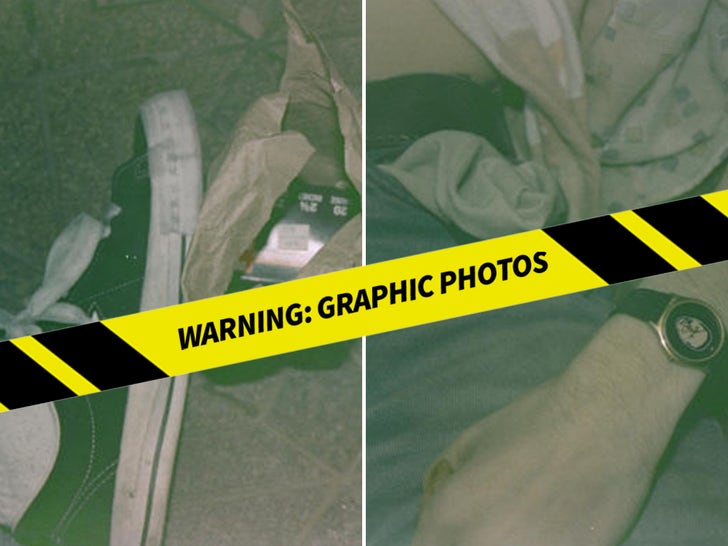
A significant portion of search traffic for this topic is driven by online urban legends, misinformation, and unauthorized leaks. Over the years, various low-resolution images have been published online, often misattributed as crime scene photos, leading to widespread confusion among fans and digital researchers.
To clarify what officially exists within public archives versus what circulates on unverified forums, the following structural breakdown highlights the realities of the physical and digital evidence:
| Evidence Category | Official Status (2026) | Accessibility & Legal Standing |
|---|---|---|
| Forensic Crime Scene Photos | Restricted / Withheld | Retained securely by the Seattle Police Department; protected under public disclosure exemptions regarding personal privacy and family distress. |
| Guns and Personal Effects | Partially Released | Select, non-graphic photos of personal items, the greenhouse exterior, and the suicide note have been formally released through public records requests. |
| Autopsy & Medical Reports | Public Record | Fully accessible via public records, detailing toxicology results and official cause of death (shotgun wound to the head) without graphic imagery. |
| Unverified Internet Leaks | Counterfeited / Deceptive | Most images circulating on dark web forums or unverified social media channels are hoaxes, misattributed stock photos, or digitally manipulated fakes. |
Platform Safety, Censorship, and Mental Health Safeguards
The modern internet operates under strict trust and safety standards established to protect vulnerable users. When individuals search for terms related to self-harm or graphic celebrity deaths, search engines and social media networks intervene proactively to provide support resources rather than explicit content.
Key Safeguards Implemented by Search Engines and Platforms
- Intervention Banners: Immediate deployment of crisis helpline numbers (such as the 988 Suicide & Crisis Lifeline in the United States and international equivalents) at the top of the search engine results page.
- Algorithmic Suppression: Deliberate suppression of explicit, non-consensual, or graphic death imagery to prevent the glorification or normalization of suicide.
- Educational Redirects: Routing users toward psychological support, addiction recovery resources, and accurate journalistic accounts rather than sensationalized forums.
The Psychological Impact and Ethical Debate of Graphic Media
The discussion surrounding "kurt cobain suicide images" inevitably leads to ethical considerations regarding the media's portrayal of suicide. Public health researchers have long studied the "Werther effect"—the phenomenon where media coverage or explicit depiction of suicide triggers copycat incidents, particularly among impressionable demographics.
Comparative Analysis: Ethical Reporting vs. Sensationalism
The handling of celebrity deaths has evolved dramatically from the mid-1990s to the current digital standard of 2026. News organizations and digital platforms now balance historical documentation against public well-being.
- Sensationalist Approach (Historical / Unregulated): Focuses on graphic details, visual shock value, and speculative conspiracy theories, which often retraumatize family members and pose public health risks.
- Ethical Standard (Modern 2026 Framework): Emphasizes respectful remembrance of artistic contributions, transparent discussion of mental health struggles, and the inclusion of immediate crisis support mechanisms in all related media coverage.
Frequently Asked Questions
Are real crime scene photos of Kurt Cobain publicly available?
No. The Seattle Police Department has strictly withheld graphic crime scene photos from public release to protect the privacy of Kurt Cobain’s family and comply with state public disclosure laws regarding graphic human remains.
What information was officially released by the Seattle Police Department?
The SPD has released select non-graphic photographs of the physical setting, the greenhouse exterior, portions of the suicide note, and official police and toxicology reports documenting the investigation.
Why do search engines show helpline numbers for this search term?
Search engines automatically trigger crisis intervention banners and mental health helpline resources for searches related to suicide to provide immediate support to users who may be experiencing distress.
Did the release of investigation files spark conspiracy theories?
Yes. The gradual release of physical evidence and notes over the years fueled numerous unauthorized books, documentaries, and internet theories speculating on alternative causes of death, though official investigations consistently concluded death by suicide.
How are platforms managing graphic historical searches in 2026?
Platforms utilize advanced AI filters and human moderation teams to strip graphic results from search queries, replacing them with verified historical articles, news archives, and mental health resources.
Where can individuals find immediate help for mental health crises?
Individuals struggling with mental health, depression, or suicidal ideation can contact professional support networks immediately, such as dialing 988 in the United States and Canada, or reaching out to local emergency health services globally.
Navigating Historical Memory Responsibly
Exploring the legacy of artists who faced profound personal struggles requires a delicate balance of historical inquiry and profound respect for human life. While the digital age provides unprecedented access to information, responsible information consumption means prioritizing mental health awareness, supporting evidence-based suicide prevention, and respecting the privacy boundaries established by legal authorities and grieving families. If you or someone you know is navigating a difficult period, professional help, confidential counseling, and support networks are available 24/7 to provide compassionate guidance.
Image Gallery