Understanding the Wonder Woman Debate: Cultural Impact, Representation, and Evolution
Understanding the Wonder Woman debate requires examining how DC Comics’ premier Amazon warrior has evolved from a mid-20th-century feminist experiment into a complex lightning rod for modern discussions regarding gender representation,...
Understanding the Wonder Woman debate requires examining how DC Comics’ premier Amazon warrior has evolved from a mid-20th-century feminist experiment into a complex lightning rod for modern discussions regarding gender representation, militarism, sexuality, and cultural mythology.
Contents
Few fictional characters occupy as contentious a space in pop culture as Wonder Woman. Created by William Moulton Marston in 1941, Diana of Themyscira was originally conceived to promote a distinct brand of matriarchal peace and feminist empowerment. Yet, over eight decades of publication, cinematic adaptations, and sociopolitical shifts, the character has faced intense scrutiny from critics, academics, and fans alike. The debate surrounding Wonder Woman is not merely a literary or cinematic critique; it is a broader reflection of society's ongoing negotiation with how female power, strength, and sexuality are depicted in mass media.
The Origins and Intent of William Moulton Marston
To understand the modern debate, one must first examine the foundational ethos established by her creator. William Moulton Marston, a psychologist and inventor of an early systolic blood pressure test that contributed to the development of the polygraph, had deeply unconventional views on gender dynamics in the 1940s. Marston asserted that women were not only equal to men but were psychologically superior in areas such as persuasion, compliance, and emotional intelligence, making them uniquely suited to lead society.
Marston introduced Wonder Woman during World War II as an alternative to the hyper-masculine, muscle-bound superheroes dominating the comic book landscape at the time. In his vision, Diana's strength was complemented by her commitment to love, compassion, and psychological rehabilitation. The island of Themyscira—originally known as Paradise Island—was envisioned as a separatist utopia free from patriarchal violence.
However, Marston’s creation was heavily laced with elements that modern readers find startling. His work frequently incorporated motifs of bondage, submission, and domination, derived directly from his psychological theories regarding human emotional response and surrender to loving authority. While Marston intended these elements as allegories for the psychological necessity of submitting to benevolent female rule, contemporary critics often debate whether these themes undermined the feminist agency of the character or complicated her early legacy.
Feminist Milestones Versus Patriarchal Co-Optation
As Wonder Woman transitioned from Marston’s initial run through various editorial eras, the character repeatedly became a battleground for competing ideological factions. This tension is most evident in the ongoing debate over whether Wonder Woman truly represents liberating feminism or whether she has been co-opted by commercialized, male-dominated comic book industries.
The Icon of Liberation
- The 1972 Ms. Magazine Cover: Wonder Woman reached a watershed moment when feminist icon Gloria Steinem placed the character on the cover of the inaugural commercial issue of Ms. magazine. Steinem championed Diana as a symbol of female independence, noting that she possessed physical autonomy, professional agency, and a rejection of traditional domestic subservience.
- The Mod Era Controversy: In the late 1960s, writers stripped Diana of her powers and costume, turning her into a martial arts-trained boutique owner in an attempt to make her "relevant." Feminist backlash was swift and severe, proving that audiences valued her distinct mythic identity over generic espionage tropes.
- Literary Reclamation: Various acclaimed graphic novelists, including George Pérez, Greg Rucka, and Gail Simone, have used the title to explore complex themes of diplomacy, bodily autonomy, and the intersections of myth and modern politics.
The Critique of Objectification and Militarism
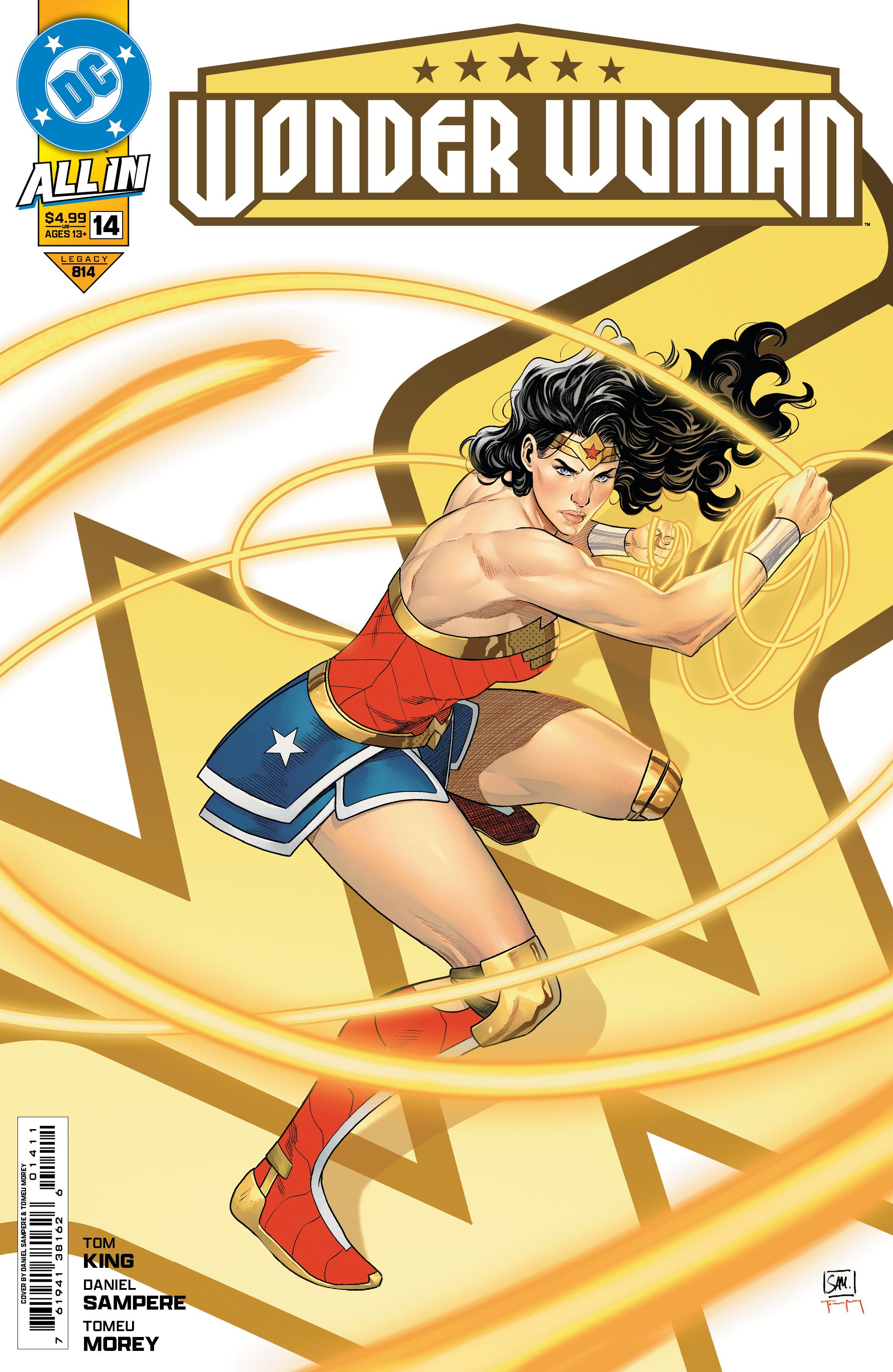
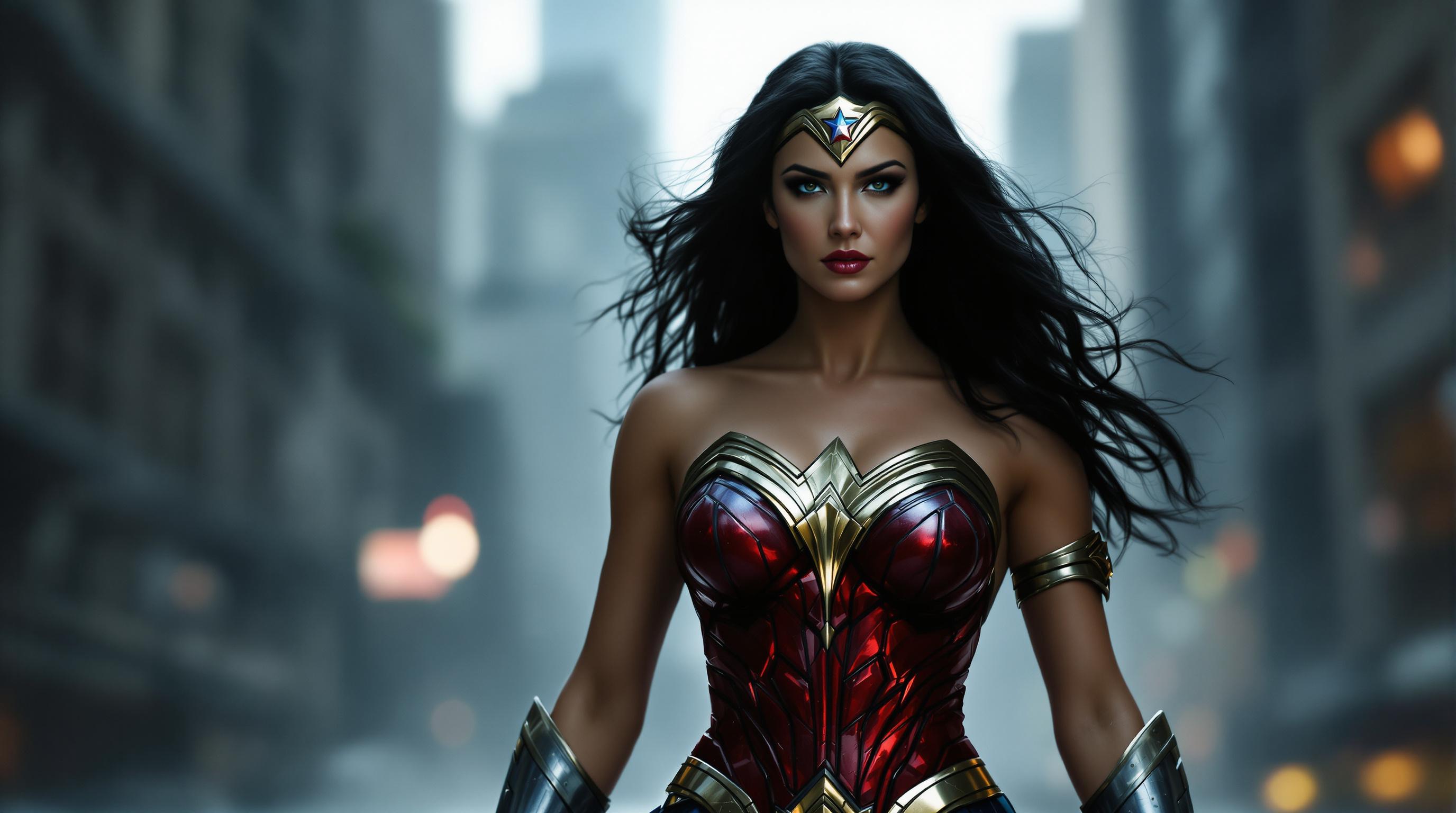
- The Costume Dilemma: Critics frequently target Diana’s traditional star-spangled bustier and tiara, arguing that her visual design caters to the male gaze rather than practical combat utility. This aesthetic tension has sparked decades of debate among artists trying to balance iconic recognition with functional armor.
- The Warrior Paradox: A prominent modern critique centers on Wonder Woman's shift from an ambassador of peace to a trained warrior goddess. Critics argue that leaning too heavily into martial prowess aligns the character with patriarchal standards of violence, reducing a symbol of restorative justice to just another super-powered brawler.
- Intersectional Representation: Scholars have scrutinized how early iterations of Themyscira often projected a white, Westernized ideal of universal womanhood, prompting modern creators to push for greater diversity and cultural nuance within the Amazonian mythos.
| Era / Creator | Core Theme | Feminist Interpretation | Critical Controversy |
|---|---|---|---|
| William Moulton Marston (1941–1947) | Matriarchal peace and psychological persuasion | Groundbreaking promotion of female leadership and emotional intelligence | Heavy integration of bondage, submission motifs, and archaic tropes |
| George Pérez (1987–1992) | Classical Greek mythology and diplomacy | Deep re-imagining of Amazonian culture as a sacred, independent society | Occasional reliance on insular storytelling detached from modern struggles |
| Brian Azzarello / New 52 (2011–2014) | Divine lineage and brutal conflict | Re-centering Diana as a formidable mythological daughter of Zeus | Heavy militarization and perceived dilution of feminist peace principles |
| Greg Rucka / Rebirth (2016–2017) | Truth, empathy, and systemic reform | Explicit confirmation of queer identity and return to foundational compassion | Navigating editorial mandates within mainstream superhero continuity |
The Cinematic Adaptation Debate
The discourse surrounding Wonder Woman intensified exponentially with her transition to live-action cinema, most notably in the DC Extended Universe (DCEU) blockbusters directed by Patty Jenkins. While the 2017 Wonder Woman film was widely celebrated as a monumental box office success and a cultural milestone for female-led superhero cinema, it simultaneously generated robust academic and cultural debate.
Supporters praised the film for its inspirational messaging, particularly the iconic "No Man’s Land" sequence, which visually anchored Diana’s refusal to accept civilian casualties in trench warfare. For millions of viewers, seeing a female hero take center stage without being sidelined as a romantic interest or a secondary teammate marked a historic shift in blockbuster filmmaking.
Conversely, cultural critics analyzed the film's geopolitical framing. Some commentators pointed out that the narrative ultimately resolved a complex, industrialized human conflict through a traditional superhero punch-fest against a literal god of war (Ares), thereby neatly bypassing the historical realities of World War I. Furthermore, subsequent critical and commercial discussions surrounding the 2020 sequel, Wonder Woman 1984, highlighted how difficult it is for modern studios to balance mythic ideals with coherent contemporary political commentary.
Sexuality, Identity, and the Evolution of Diana's Character
Another major pillar of the modern Wonder Woman debate involves her romantic and sexual identity. For decades, her romantic pursuits were constrained by standard comic book conventions, most notably her defining yet sometimes restrictive relationship with Steve Trevor. However, because Themyscira is an isolated island populated exclusively by immortal women, writers and fans have long questioned the romantic and sexual dynamics of Amazonian society.
In recent years, creators like Greg Rucka formally established that Wonder Woman's understanding of love and partnership transcends traditional heteronormative boundaries. Given that the Amazons have lived apart from men for millennia, relationships between women on Themyscira are treated as natural and commonplace. This evolution has sparked debates among fans and traditionalists—some welcoming the explicit confirmation of Diana's queer identity and capacity for fluid affection, while others push back against updates to long-standing continuity.
Navigating the Discourse: Why the Debate Matters
The persistence of the Wonder Woman debate underscores a fundamental truth about modern popular culture: fictional characters are living symbols onto which societies project their highest aspirations and deepest anxieties. Whether she is viewed as a pioneer of feminist media, an imperfect product of mid-century psychological theory, or a corporate commodity navigating the demands of modern blockbuster entertainment, Diana of Themyscira remains an indispensable touchstone.
Engaging with this debate does not require choosing a single definitive interpretation. Instead, understanding the multifaceted criticisms and celebrations surrounding Wonder Woman allows readers and viewers to appreciate how mythologies adapt to changing social landscapes. As long as questions of power, peace, representation, and justice remain relevant in the real world, the cultural conversation surrounding comics' most famous Amazon will continue to evolve.
Frequently Asked Questions
Who created Wonder Woman, and what was their primary goal?
Wonder Woman was created in 1941 by American psychologist, writer, and inventor William Moulton Marston. His primary goal was to create a superhero whose strength relied not on brute force and destruction, but on love, persuasion, and maternal leadership, offering a distinctly feminist alternative to the male heroes dominating the medium at the time.
Why is Wonder Woman's costume a subject of ongoing debate?
Critics often argue that her traditional star-spangled bustier and tiara cater primarily to the male gaze rather than offering practical utility for a warrior. Conversely, defenders view her classical Greek-inspired armor and athletic presentation as a celebration of physical strength and historical mythic tradition, leading to ongoing revisions by various artists.
How has Wonder Woman's relationship with feminism changed over time?
While early runs established her as an anti-patriarchal icon—culminating in her historic 1972 Ms. magazine cover—subsequent decades introduced militaristic storylines and editorial shifts that drew criticism from scholars. Modern creators frequently attempt to reconcile her status as a warrior with her foundational role as an ambassador of peace and human rights.
Is Wonder Woman canonically queer?
Yes. Writers such as Greg Rucka have explicitly noted that given Themyscira’s history as an isolated society of immortal women, romantic and sexual relationships between women are a natural part of Amazonian life, establishing Diana’s capacity for queer love and affection within official comic continuity.
What impact did the 2017 film have on the character's legacy?
The Patty Jenkins-directed film proved that a female-led superhero blockbuster could achieve massive global commercial success and critical acclaim. It cemented Wonder Woman's status as a modern cinematic icon, even as cultural critics debated its handling of historical warfare and geopolitical themes.
Image Gallery