Paul Reubens and The Groundlings: The Origins of Pee-wee Herman and a Comedy Revolution
Paul Reubens’ tenure at The Groundlings in the late 1970s was the formative crucible for the Pee-wee Herman character, transforming a niche Los Angeles improv troupe into a legendary hit-maker. Through rigorous character-based workshop...
Paul Reubens’ tenure at The Groundlings in the late 1970s was the formative crucible for the Pee-wee Herman character, transforming a niche Los Angeles improv troupe into a legendary hit-maker. Through rigorous character-based workshops and collaborations with icons like Phil Hartman, Reubens developed the surrealist aesthetic that eventually defined 1980s pop culture.
Contents
The Intersection of Character Improv and Paul Reubens
In the mid-1970s, the Los Angeles comedy scene was undergoing a seismic shift. While stand-up comedy was dominating clubs like The Comedy Store, a different movement was brewing at a small theater on Melrose Avenue. The Groundlings, founded by Gary Austin in 1974, focused on character-driven improvisation rather than traditional joke-telling. This environment proved to be the perfect sanctuary for Paul Reubens, a young actor who had struggled to find his footing in the traditional casting world of Hollywood.
Reubens joined the troupe in 1977, a period when the company was refining its signature style: finding the "truth" in absurd characters. Unlike the competitive atmosphere of stand-up, The Groundlings emphasized the "Yes, and..." philosophy of improv, where performers built upon each other's ideas. For Reubens, this wasn't just a hobby; it was a laboratory. He was part of a cohort that included future stars like Phil Hartman, Laraine Newman, and Jon Lovitz. The technical depth of his training involved thousands of hours of "character games," where actors were tasked with maintaining a specific persona under increasingly ridiculous circumstances.
The relationship between Reubens and The Groundlings was symbiotic. The troupe provided the infrastructure—a stage, a revolving audience, and a community of like-minded weirdos—while Reubens provided a level of commitment to "the bit" that was rare even among seasoned professionals. By 1978, this dedication led to the birth of a character that would eventually overshadow the man himself.
The 1978 Breakthrough: The Birth of Pee-wee Herman
The creation of Pee-wee Herman was not a calculated marketing move; it was a spontaneous response to a specific Groundlings exercise. The task given to the performers was to come up with a character that one might find in a typical, mundane setting—in this case, a bad nightclub act or a children's host—who was clearly ill-equipped for the job.
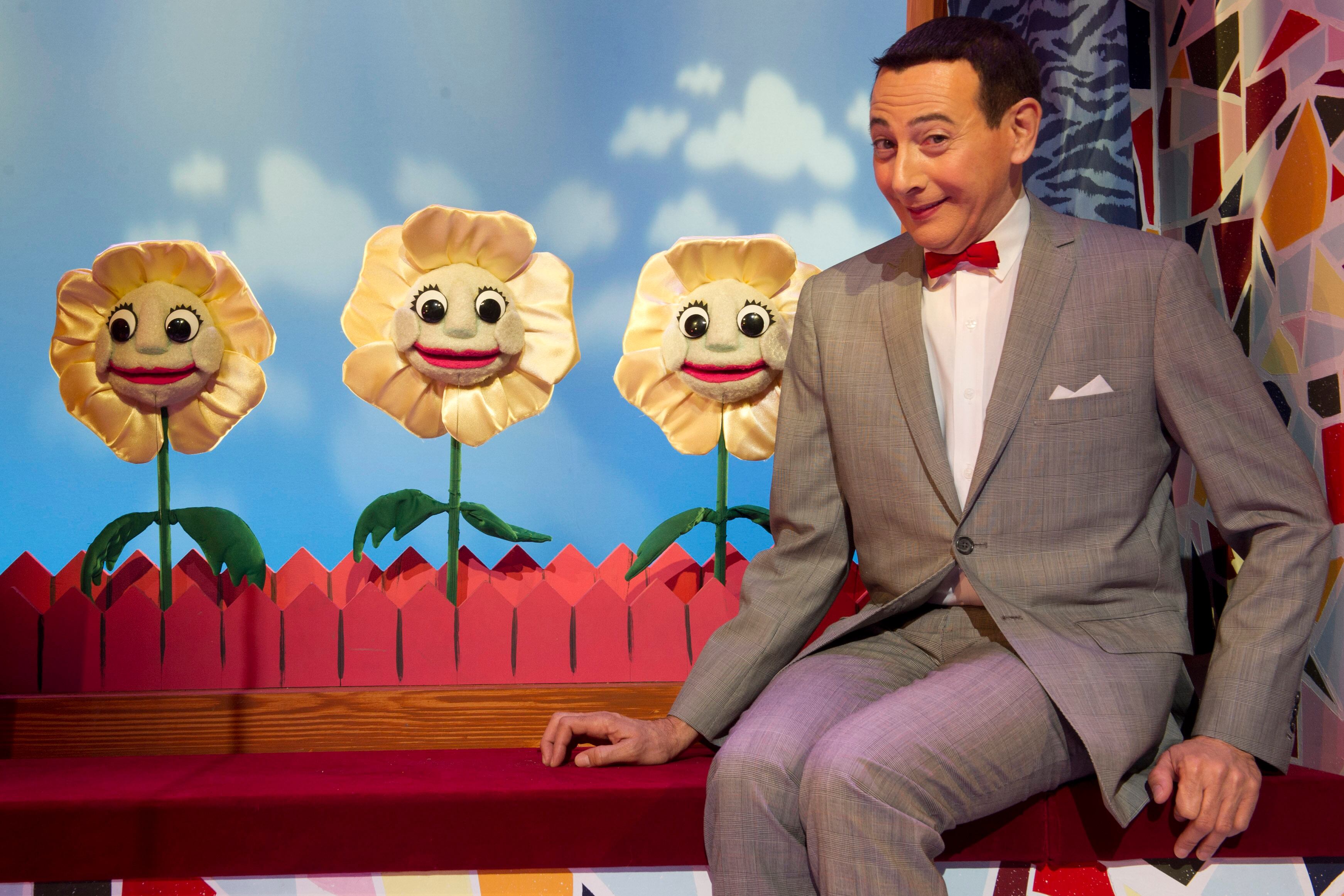
Reubens arrived at the theater with a distinct voice: a high-pitched, nasal squeal accompanied by a staccato laugh. He donned a grey tight-fitting suit he had purchased at a thrift store and a tiny red clip-on bowtie. The character was an intentional paradox—a man-child who was simultaneously innocent and incredibly petty.
The genius of Pee-wee Herman lay in his specificity. Reubens didn't just play "a kid"; he played a very specific type of kid who was obsessed with his toys and prone to "I know you are, but what am I?" retorts. Within the halls of The Groundlings, Pee-wee became a staple of the Sunday Company (the troupe’s training ground for the Main Company). Audiences began coming specifically to see what Pee-wee would do next. This period was crucial because it allowed Reubens to "field-test" the character’s reactions to real-time variables, ensuring that by the time Pee-wee moved to television, the character was fully realized and indestructible.
The Hartman-Reubens Synergy and Creative Collaboration
One cannot discuss Paul Reubens’ time at The Groundlings without highlighting his creative partnership with Phil Hartman. Hartman, who would later become a mainstay on Saturday Night Live, was a graphic designer by trade and a comedic genius by intuition. At The Groundlings, he and Reubens became a formidable writing and performing duo.
Hartman helped Reubens flesh out the world that Pee-wee inhabited. While Reubens was the manic energy at the center, Hartman provided the grounding (and often the antagonism). They co-wrote the initial stage shows that took Pee-wee from a 10-minute sketch to a full-length production. Hartman also created the character of Captain Carl, a gruff, salty sea captain who acted as a perfect foil to Pee-wee’s high-energy antics.
This collaboration extended to the visual language of the Pee-wee universe. Hartman’s background in graphic design contributed to the early flyers and set concepts for The Pee-wee Herman Show, which debuted at The Groundlings’ theater before moving to the Roxy Theatre in 1981. This transition was a pivotal moment in comedy history, as it proved that "alternative comedy"—character-based, surreal, and non-topical—could have massive commercial appeal.
Evolution of the Groundlings Aesthetic into "Pee-wee’s Playhouse"
By the time Pee-wee’s Playhouse premiered on CBS in 1986, the DNA of The Groundlings was visible in every frame. The show was populated by Reubens’ former castmates, many of whom brought their own Groundlings-developed characters to the screen.
| Performer | Groundlings Connection | Playhouse Role | Legacy Impact |
|---|---|---|---|
| Phil Hartman | Main Company Member | Captain Carl | Co-wrote Pee-wee's Big Adventure |
| John Paragon | Main Company Member | Jambi the Genie | Directed multiple episodes; key writer |
| Lynne Marie Stewart | Main Company Member | Miss Yvonne | Established the "Most Beautiful Woman" archetype |
| Edie McClurg | Main Company Member | Mrs. Steve | Brought Midwestern improv sensibility to the cast |
| S. Epatha Merkerson | Workshop Alum | Reba the Mail Lady | Demonstrated the troupe's range into dramatic acting |
The "Playhouse" was essentially a high-budget version of a Groundlings sketch. The show relied on "running gags" (like the Secret Word), catchphrases, and character archetypes that were all staples of the improv training Reubens received. The technical discipline required to maintain a character like Jambi (who was often just a head in a box) or Miss Yvonne (with her exaggerated physicality) was rooted in the "Physical Comedy" and "Character Consistency" classes taught at the Groundlings school.
The Technical Rigor of Character-Based Comedy
For aspiring comedians in 2026, the story of Paul Reubens and The Groundlings serves as a masterclass in brand consistency and technical execution. Reubens was notorious for never breaking character in public for nearly a decade. Whether he was on Late Night with David Letterman or attending a red-carpet event, he was Pee-wee Herman.
This level of commitment is a direct byproduct of the Groundlings' "Advanced Improv" levels. In these classes, students are taught that the character's internal logic must always dictate their external actions. If Pee-wee is presented with a serious situation, he must react with the petulance of a child, regardless of how "uncool" it makes the performer look.
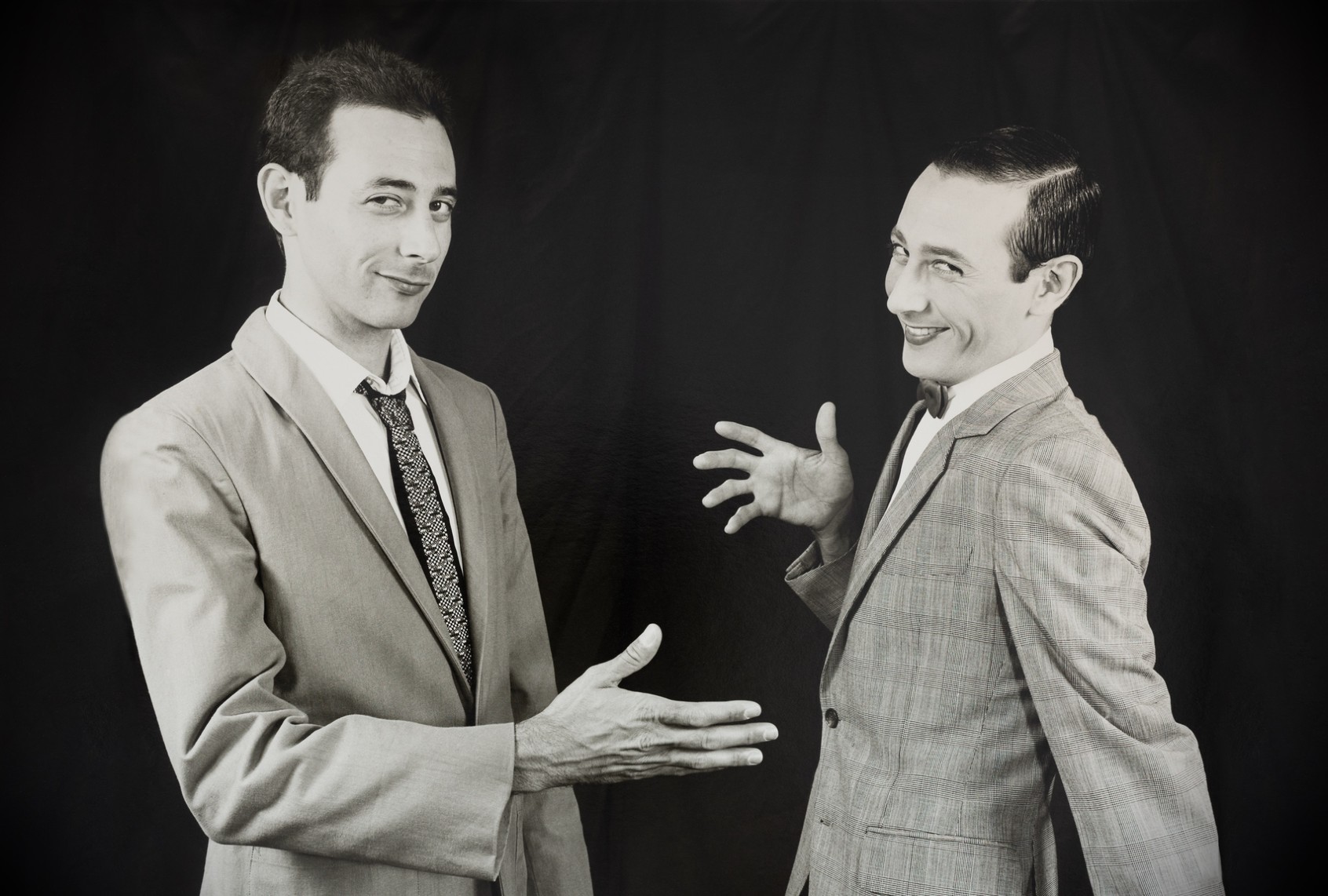
Reubens also utilized the "mask" technique. By donning the suit and the makeup, he separated his private self from the public persona. This allowed him to push boundaries that a traditional stand-up might find difficult. The Groundlings environment fostered this "fearless play," encouraging actors to fail spectacularly in rehearsals so they could succeed brilliantly on stage.
The Lasting Legacy of the Melrose Avenue Era
Paul Reubens' passing in 2023 led to a massive resurgence of interest in his early years, a trend that continues into 2026. Historians of American comedy now view the 1977–1981 period at The Groundlings as one of the most influential "incubators" in entertainment history, comparable to the early days of Second City in Chicago.
The "Pee-wee" model—creating a character in an improv basement and scaling it to a global franchise—became the blueprint for future Groundlings alumni. From Conan O'Brien and Maya Rudolph to Kristen Wiig and Will Ferrell, the path Reubens blazed showed that the most specific, "weird" ideas often have the most universal appeal.
The Groundlings Theatre & School continues to honor this legacy. In 2026, the theater maintains a robust archive of the Reubens era, including original scripts and recordings of the Sunday Company shows where Pee-wee first walked onto the stage. For fans, these archives represent the "Big Bang" of modern character comedy.
Frequently Asked Questions
When did Paul Reubens join The Groundlings?
Paul Reubens joined The Groundlings in 1977. He worked his way through the Sunday Company (the training troupe) before becoming a staple of the Main Company. It was during this period, specifically in 1978, that he created the Pee-wee Herman character during a character development exercise.
Who were Paul Reubens' primary collaborators at the theater?
His most significant collaborator was Phil Hartman, who co-wrote the original stage show and the film Pee-wee's Big Adventure. Other key collaborators from the troupe included John Paragon (who played Jambi the Genie), Lynne Marie Stewart (Miss Yvonne), and Edie McClurg.
Is the original "Pee-wee Herman Show" different from the TV series?
Yes. The original stage show, which began at The Groundlings and moved to the Roxy Theatre, was significantly more "adult" and edgy than the later Saturday morning TV show. It featured more double entendres and was designed for a late-night club audience, though the core of the Pee-wee character remained the same.
How did the Groundlings' style influence the "Pee-wee" aesthetic?
The Groundlings focus on character-first comedy meant that the world of Pee-wee was built around the character's personality rather than external plots. This led to the creation of a vibrant, surreal world (the Playhouse) where every object and person was a reflection of Pee-wee’s internal child-like logic.
Can you still visit the theater where Pee-wee was created?
Yes. As of 2026, The Groundlings Theatre & School is still located at 7307 Melrose Avenue in Los Angeles. While the original stage shows from the late '70s are long gone, the theater frequently hosts tribute nights and maintains an educational program that teaches the same improv techniques Reubens used to create his iconic characters.
Practical Recommendation for Comedy Students
If you are a performer or writer looking to emulate the success of Paul Reubens, your focus should be on character specificity. Reubens didn't just decide to be "funny"; he decided to be a very specific person with a specific wardrobe, a specific history, and a specific set of triggers.
- Develop a "Uniform": Just as the grey suit defined Pee-wee, find a visual anchor for your characters that signals who they are before they even speak.
- Commit to the Bit: Use improv spaces to test your character's reactions to everyday mundane tasks (like buying groceries or answering a phone).
- Find Your "Phil Hartman": Comedy is rarely a solo sport. Seek out collaborators who challenge your ideas and help you build out the "world" of your character beyond the stage.
- Study the Method: For those in the Los Angeles area, taking a "Basic" or "Character" class at The Groundlings remains the most direct way to understand the technical foundation that Reubens utilized. Information on current classes and schedules can be found on the official Groundlings website.
Image Gallery