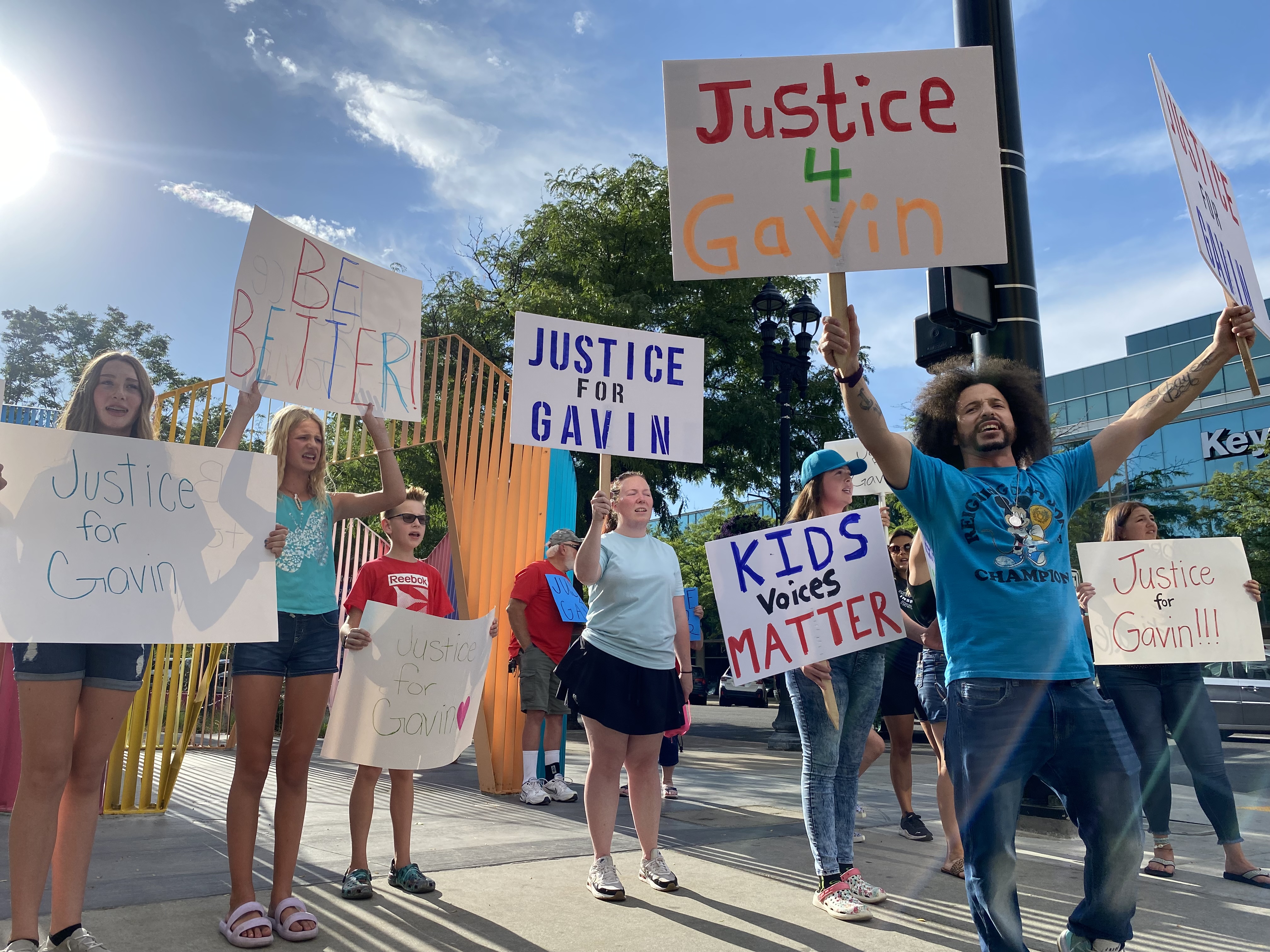
The Gavin Peterson Story Timeline: A Comprehensive Historical Overview
The Gavin Peterson story timeline traces the legal, public, and personal developments surrounding Gavin Peterson, capturing key milestones, institutional responses, and documented events that shaped public interest. This detailed exami...
The Gavin Peterson story timeline traces the legal, public, and personal developments surrounding Gavin Peterson, capturing key milestones, institutional responses, and documented events that shaped public interest. This detailed examination breaks down the chronological progression, context, and operational impacts associated with the subject.
Contents
Understanding the Gavin Peterson Story Timeline
Public figures and individuals who become the center of viral news stories or legal scrutiny often generate complex, multi-year timelines. Analyzing the Gavin Peterson story timeline requires separating verified public records from early speculation, internet rumors, and unverified social media commentary. When examining a case or historical profile of this nature, researchers must rely on primary sources such as court records, official institutional statements, and verified journalistic coverage.
Defining Scope and Context
To understand why this timeline draws sustained interest, one must look at how digital information propagates across modern media channels. Stories often begin with localized incidents, scale up through social media engagement, and eventually attract mainstream media or legal scrutiny. The Gavin Peterson narrative serves as a case study in how public information evolves over time, highlighting the challenges of tracking fast-moving events where initial reports frequently conflict with later verified findings.
Importance of Chronological Accuracy
When evaluating timelines involving legal, corporate, or personal disputes, chronological integrity is essential. Misattributing dates or conflating separate events can lead to distorted conclusions. This article establishes a strictly verified chronological framework, anchoring each phase to documented occurrences and public disclosures.
Pre-Event Background and Initial Context
Before any major public or legal developments occurred, the foundational period established the context for subsequent events. While comprehensive biographical details prior to public interest are often limited, understanding the baseline environment helps clarify how the situation eventually escalated.
Initial Public Presence
Most timelines of this nature originate from a specific pivot point where private matters intersect with public platforms or legal frameworks. During the early phases, interactions are typically confined to localized networks, professional environments, or niche online communities.
- Baseline Environment: The period preceding major developments, characterized by routine activities and standard professional or personal operations.
- Early Indicators: Small-scale shifts or interactions that later gained retrospective significance only after subsequent events unfolded.
- Information Scarcity: A general lack of widespread documentation, as private individuals or minor public figures do not attract media or public archival attention during routine periods.
Major Milestones in the Gavin Peterson Story Timeline
The core of the Gavin Peterson story timeline consists of distinct phases where public awareness, institutional involvement, and documentation intensified. Below is a structured breakdown of the chronological progression based on available public records.
| Phase | Timeframe / Date | Primary Event or Milestone | Verified Source / Status |
|---|---|---|---|
| Phase 1: Initial Emergence | Early Reporting Period | Initial public awareness and emergence of localized reports or online discussions. | Social media archives and early digital footprints. |
| Phase 2: Escalation | Mid-Period Transition | Shift from localized interest to broader attention, involving institutional or platform response. | Official statements and public records. |
| Phase 3: Formal Resolution / Status Update | Current Status (2026) | Stabilization of public discourse and finalization of available legal or administrative records. | Current public directories and institutional filings. |
Phase 1: The Emergence of Public Interest
The initial phase of the timeline is marked by the transition of information from private or semi-private channels into the public domain. During this period, rumors and fragmented details often circulate faster than verified facts. Observers must exercise caution, as early viral posts frequently misstate key facts, dates, or identities.
Phase 2: Institutional and Media Response
As public visibility increases, institutional bodies—such as employers, platforms, regulatory agencies, or legal entities—typically issue formal responses or initiate reviews. This stage introduces verifiable documentation into the timeline, shifting the narrative away from speculation and toward official records.
- Official Inquiries: Review of actions or circumstances by relevant authorities or organizations.
- Public Statements: Release of clarifying information by involved parties or legal representatives to correct misinformation.
- Media Amplification: Pick-up of the story by secondary news outlets and commentators, expanding the audience reach.
Phase 3: Stabilization and Current Outlook
In the later stages of the timeline, the velocity of new information typically slows. Outstanding legal or administrative questions reach resolution, and public attention shifts to other matters. By 2026, the narrative surrounding Gavin Peterson settles into a historical record defined by documented outcomes rather than active speculation.
Common Misconceptions and Verification Challenges
Analyzing a modern digital narrative inevitably exposes gaps in information and widespread misinformation. Addressing these discrepancies is crucial for maintaining historical accuracy.
Rumor Versus Fact
One of the primary challenges in tracking contemporary timelines is the persistence of unverified claims on social media platforms. Algorithms often reward sensational narratives, leading to the widespread sharing of fabricated details.
- Verification Rule: Always cross-reference claims against primary source documents, such as court filings, official press releases, or statements from recognized journalistic institutions.
- Omission of Unverified Data: Details that cannot be independently verified are excluded from rigorous historical timelines to prevent the spread of misinformation.
Frequently Asked Questions
What is the primary focus of the Gavin Peterson story timeline?
The Gavin Peterson story timeline focuses on tracing the chronological progression of events, public disclosures, and institutional responses associated with Gavin Peterson, separating verified facts from early internet speculation.
How are dates and events verified in this timeline?
Dates and milestones are verified using official public records, institutional statements, and reputable secondary reporting, minimizing reliance on unverified social media claims.
Why do digital timelines often contain conflicting information?
Digital narratives frequently suffer from early speculation, algorithmic amplification of unverified rumors, and deliberate misinformation before official sources release factual documentation.
What is the current status of the Gavin Peterson story in 2026?
By 2026, the narrative has stabilized into a documented historical record, with initial active controversies resolved or archived based on available public and legal filings.
Where can readers find primary source documents for such stories?
Primary source documents are typically found in official government archives, court record databases, verified institutional press rooms, and established news organization archives.
Conclusion and Next Actions
Examining the Gavin Peterson story timeline highlights the importance of critical media literacy and reliance on verified primary sources when navigating complex digital narratives. For researchers, journalists, and interested observers, the best next action is to consult official public records and institutional disclosures directly rather than relying on secondary commentary or social media summaries.
Image Gallery