Exploring the Essential Dance Styles in Argentina: From Tango to Malambo
Argentina is home to a rich tapestry of dance styles that reflect its diverse cultural heritage, ranging from the world-renowned Tango of Buenos Aires to the rhythmic Folklore traditions of the interior provinces like Chacarera, Zamba,...
Argentina is home to a rich tapestry of dance styles that reflect its diverse cultural heritage, ranging from the world-renowned Tango of Buenos Aires to the rhythmic Folklore traditions of the interior provinces like Chacarera, Zamba, and Chamamé. These dances serve as vital social rituals, artistic expressions, and historical narratives that define the Argentine identity.
Contents
While many international visitors associate Argentina exclusively with the sensual embrace of Tango, the country’s rhythmic landscape is far more varied. In 2026, the dance scene remains a cornerstone of Argentine social life, with traditional peñas (folk music gatherings) and milongas (tango social clubs) thriving alongside modern interpretations. Understanding these styles requires looking at the regional influences, the instruments used, and the specific social etiquettes that govern each movement.
The Global Icon: Argentine Tango
Tango is more than just a dance; it is a UNESCO-recognized Intangible Cultural Heritage of Humanity. Emerging in the late 19th century in the suburbs of Buenos Aires and Montevideo, it was born from a melting pot of European immigrants, African descendants, and local "gauchos" who had moved to the city.
The Evolution of Tango Styles
By 2026, Tango has branched into several distinct sub-styles, each with its own technical requirements and social context:
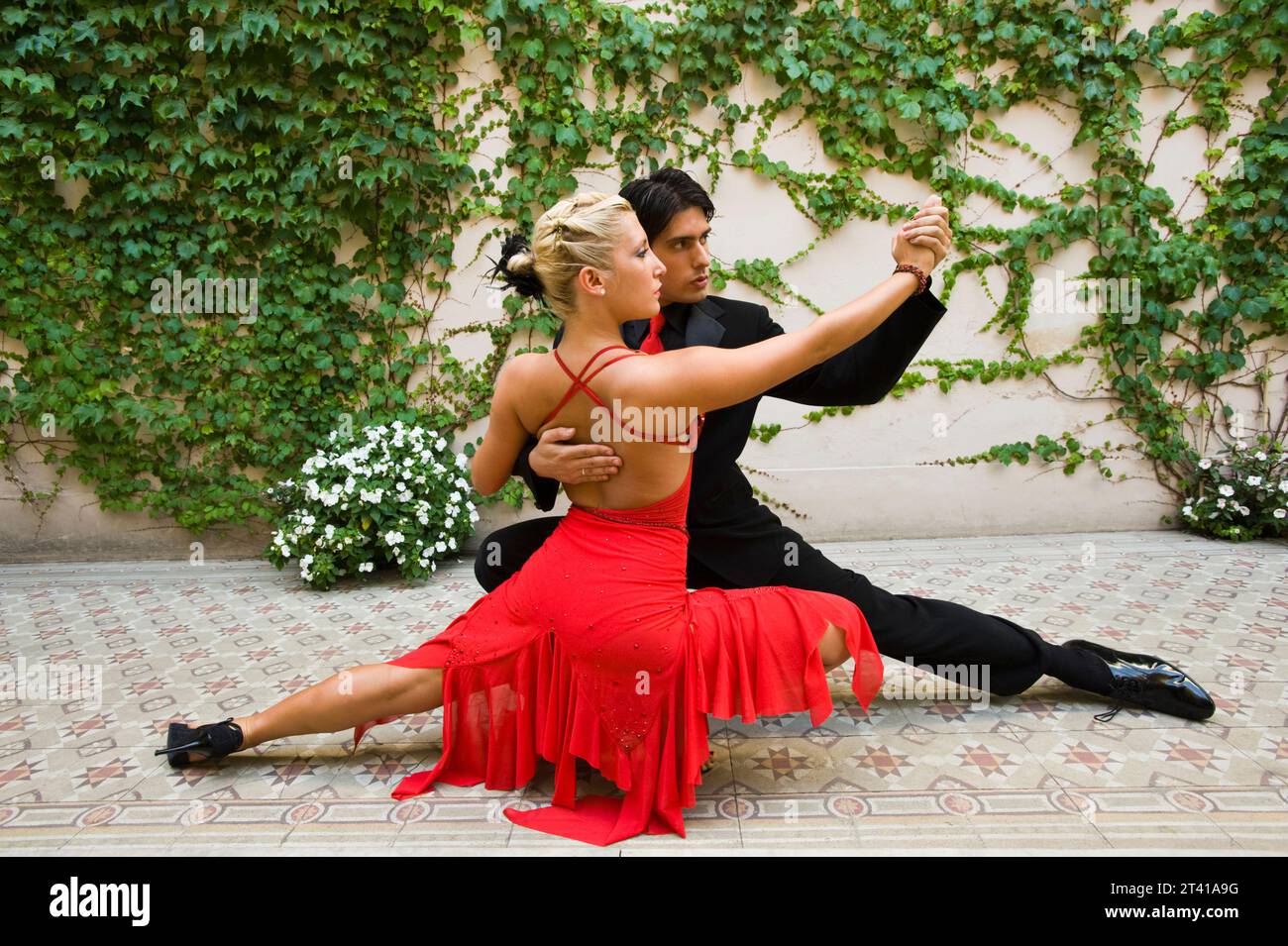
- Tango de Salón: This is the most common social version. It prioritizes the connection between partners and the "line of dance" (moving counter-clockwise around the floor). It is characterized by a smooth, walking-based movement and a close embrace.
- Tango Milonguero: Often found in crowded clubs, this style features a very close, leaning embrace where the chest-to-chest contact is never broken. The footwork is typically more rhythmic and less expansive to accommodate limited space.
- Tango Nuevo: Developed in the late 20th century, this style incorporates more open embraces, complex turns (giros), and elements of contemporary dance. It is often danced to "electrotango" or modern arrangements.
- Tango Escenario (Stage Tango): This is the acrobatic, highly choreographed version seen in professional shows. It includes jumps, kicks (ganchos), and dramatic poses that are not permitted in social milongas.
The Social Etiquette: The Milonga
In 2026, the milonga remains the primary venue for Tango. These social events follow strict traditional rules known as códigos. One of the most famous is the cabeceo, a non-verbal invitation to dance using eye contact and a slight nod of the head. This allows both parties to accept or decline a dance discreetly. Music is organized into tandas (sets of 3 or 4 songs by the same orchestra), separated by a cortina (a short snippet of non-tango music) indicating it is time to change partners and clear the floor.
The Heartbeat of the Interior: Argentine Folklore
While Tango dominates the urban landscape of the Río de la Plata, the vast interior of Argentina vibrates to the sound of Folklore. These dances are deeply rooted in the rural history of the country and are categorized by the region from which they originate.
Chacarera: The Joy of the Northwest
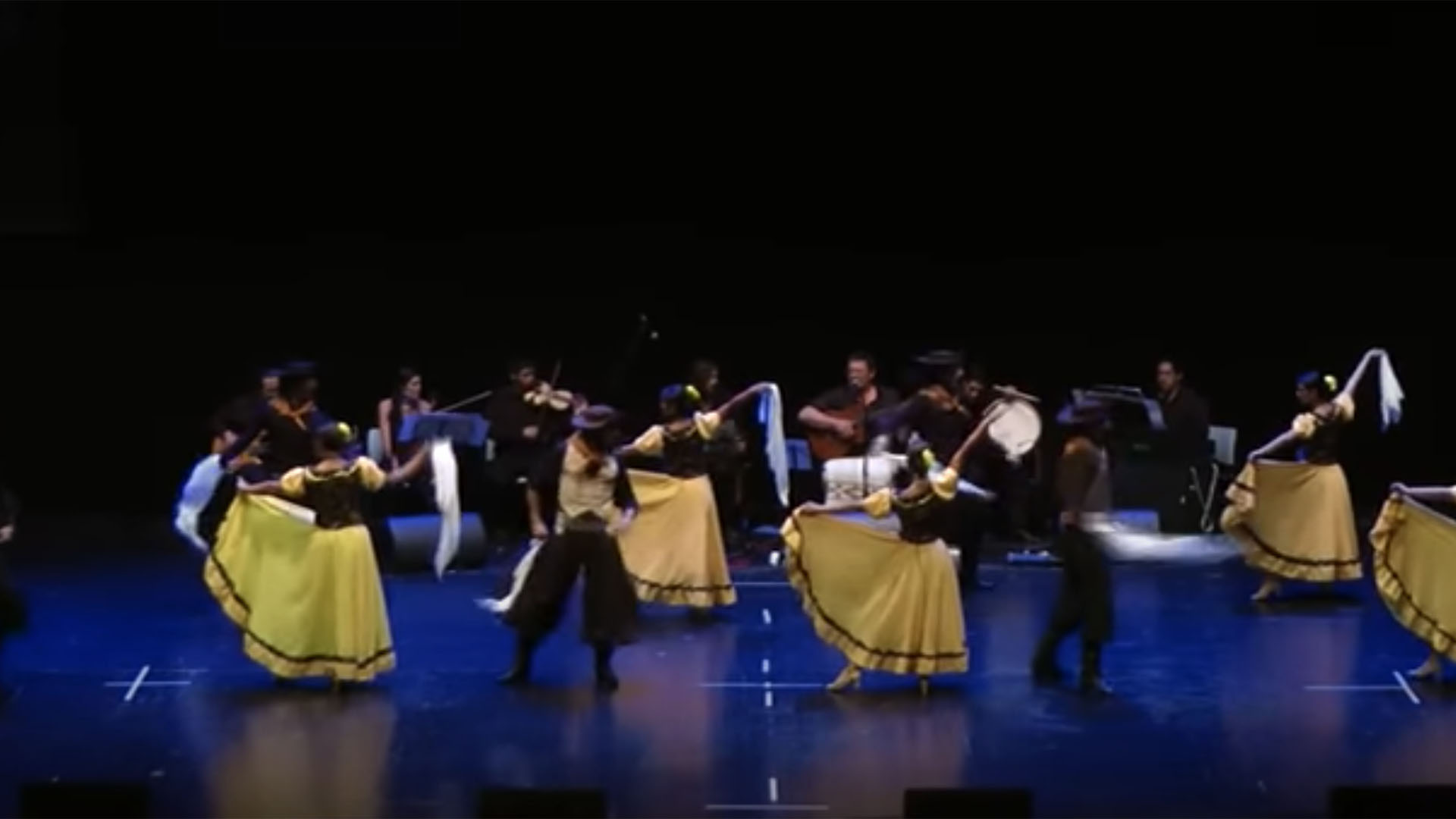
The Chacarera is perhaps the most popular folk dance in Argentina. Originating in Santiago del Estero, it is a lively, rhythmic dance performed in pairs. Unlike Tango, partners do not usually touch; instead, they dance around each other in a series of figures (circles and turns).
The male dancer performs the zapateo, a rhythmic tapping of the feet that mimics the sound of a drum, while the female dancer performs the zarandeo, an elegant movement of her skirt. The music is driven by the bombo legüero (a traditional drum made from a hollowed tree trunk) and the violin or guitar.
Zamba: The Dance of the Handkerchief
Often called the "Queen of Argentine Folklore," the Zamba is a slow, romantic dance of courtship. Its most identifying feature is the use of a white handkerchief (pañuelo). The dancers use the handkerchief to signal desire, hesitation, or triumph as they circle one another. The movements are deliberate and graceful, focusing on the expressive tension between the two performers.
Chamamé: The Spirit of the Northeast
In 2020, UNESCO added Chamamé to its list of Intangible Cultural Heritage, and in 2026, its popularity continues to soar. Hailing from the Corrientes province and influenced by Guaraní, Spanish, and Central European cultures (notably the polka), Chamamé is characterized by the use of the accordion and the bandoneón. It is a "closed" dance where partners hold each other closely, similar to a waltz or polka, but with a unique rhythmic syncopation.
Malambo: The Gaucho’s Percussive Prowess
Malambo is a traditional dance exclusively (though no longer strictly) performed by men, representing the strength and agility of the gaucho (Argentine cowboy). It is a solo percussive dance that focuses entirely on footwork.
There are two primary styles of Malambo:
- Malambo Norteño (Northern): Fast, aggressive, and performed with heavy boots. It often incorporates the use of boleadoras (weighted throwing weapons) spun at high speeds to create additional percussive rhythms against the floor.
- Malambo Sureño (Southern): Performed with soft leather boots or even bare feet. It is more fluid, focusing on the complexity and "brushing" sounds of the foot movements rather than sheer volume.
In 2026, competitive Malambo has become a major spectacle, with the National Malambo Festival in Laborde serving as the ultimate proving ground for dancers who train for years to master the "mudanzas" (sequences of steps).
Murga and Cumbia: The Urban Rhythms
Beyond the historical traditions, Argentina has vibrant urban dance cultures that reflect social identity and modern celebration.
Murga: The Spirit of Carnival
Murga is a form of musical theater and dance performed during Carnival season, particularly in Buenos Aires. Dancers, known as murgueros, wear brightly colored costumes and top hats decorated with social slogans. The dance is characterized by high jumps, eccentric kicks, and rhythmic movements to the beat of the bombo con platillo (a large drum with a cymbal on top). It is a dance of protest, joy, and neighborhood pride.
Cumbia Argentina
While Cumbia originated in Colombia, Argentina developed its own distinct versions. Cumbia Villera emerged in the late 1990s from the marginalized neighborhoods of Buenos Aires, featuring lyrics about daily life in the "villas" (slums) and a slower, heavier beat. Conversely, Cumbia Santafesina (from Santa Fe) is melodic and features the accordion as its lead instrument. In social settings across Argentina in 2026, Cumbia remains the go-to dance for weddings, parties, and nightclubs, characterized by a simple two-step rhythm that is accessible to everyone.
Comparison of Major Argentine Dance Styles
| Dance Style | Primary Region | Music / Instruments | Social Context | Movement Type |
|---|---|---|---|---|
| Tango | Buenos Aires | Bandoneón, Violin, Piano | Milongas (Social clubs) | Closed embrace, walking |
| Chacarera | Northwest (Santiago) | Bombo legüero, Violin | Peñas (Folk festivals) | Circular figures, zapateo |
| Zamba | Northwest (Tucumán) | Guitar, Piano | Courtship / Festivals | Slow, uses handkerchiefs |
| Chamamé | Northeast (Corrientes) | Accordion, Bandoneón | Social parties, UNESCO site | Closed embrace, syncopated |
| Malambo | Pampas / Rural | Bombo legüero, Guitar | Solo performance / Competition | Percussive footwork |
| Murga | Buenos Aires (Urban) | Bombo con platillo | Carnival (Feb/March) | Acrobatics, social protest |
Frequently Asked Questions
What should I wear to a Tango milonga in Buenos Aires?
For traditional milongas, a "smart-casual" or elegant dress code is expected. Men often wear slacks and a button-down shirt (jackets are optional but common in high-end venues). Women typically wear dresses or skirts that allow for movement, and specifically designed tango shoes with leather or suede soles are essential for pivoting. In 2026, many "informal" milongas have relaxed these rules, but showing respect through attire remains a cultural norm.
Can beginners join a "Peña" for Folklore dancing?
Absolutely. Unlike the technical rigors of Tango, dances like the Chacarera have a repetitive structure that is easy for beginners to pick up. At most peñas, locals are happy to show newcomers the basic "basic step" (paso básico) and the sequence of the dance. It is a highly inclusive environment compared to the sometimes intimidating atmosphere of elite tango salons.
Is Malambo only for men?
Historically, yes, Malambo was a masculine display of gaucho prowess. However, over the last decade and continuing into 2026, there has been a massive surge in female Malambo performers and all-female Malambo troupes (Malambo Femenino). There are now dedicated categories for women in national competitions, and they have brought a new aesthetic and technical precision to the genre.
What is the best time of year to see these dances?
To experience the full breadth of Argentine dance, January and February are the peak months. The National Folklore Festival of Cosquín (January) and the National Malambo Festival (January) are the most significant folk events. In August, Buenos Aires hosts the Tango BA Festival and World Cup, where the best dancers from around the globe compete.
Recommendation for Travelers and Students
If you are looking to experience the authentic soul of Argentine rhythm, do not limit yourself to the tourist-centric Tango shows in the San Telmo neighborhood. Instead, seek out a "Milonga de Barrio" (neighborhood tango club) for an authentic social experience. Additionally, make a trip to a Peña in the northern provinces or attend a Carnival parade in February to witness the Murga. For those wanting to learn, 2026 offers many "intensive" dance retreats in Buenos Aires and Salta that combine language learning with technical dance instruction.
Image Gallery