How Smiles Dentists Shape the Dental Experience: A New Era of Patient-Centered Care
Smiles dentists redefine the patient journey by integrating advanced aesthetic technology with sensory-focused environments. By shifting the focus from reactive pathology to comprehensive "smile design," these practitioners reduce dent...
Smiles dentists redefine the patient journey by integrating advanced aesthetic technology with sensory-focused environments. By shifting the focus from reactive pathology to comprehensive "smile design," these practitioners reduce dental anxiety, improve clinical precision, and create a collaborative relationship where the patient is an active participant in their oral health and aesthetic transformation.
Contents
The Evolution of Dental Care Philosophy
The traditional perception of dentistry has long been rooted in a "break-fix" mentality. Historically, patients visited the clinic only when in pain, and the experience was defined by clinical sterile smells, the sound of high-pitched drills, and a power dynamic where the dentist dictated treatment with little visual input from the patient. As we move through 2026, the emergence of "Smiles" focused practices—those that prioritize the aesthetic and emotional outcome of the dental visit—has fundamentally altered this landscape.
The modern smiles dentist views the mouth not as a collection of isolated teeth, but as a central component of a patient’s identity and self-esteem. This holistic approach focuses on the "experience" as much as the "extraction." By prioritizing patient comfort and visual communication, these practices have successfully lowered the barrier to entry for those who have avoided the dentist for years. The shift is from "clinical necessity" to "wellness and confidence," making the dental office a place of transformation rather than a place of dread.
Digital Smile Design (DSD) as a Communication Tool
One of the most significant ways smiles dentists shape the experience is through the implementation of Digital Smile Design (DSD). This protocol, which has become the gold standard in 2026, uses high-definition videography and 3D intraoral scanning to analyze the relationship between the teeth, gums, lips, and face during motion.
In the past, a patient had to trust the dentist's verbal description of a final result. Today, DSD allows for a "co-design" process. Dentists can project a digital rendering of the proposed changes onto a photo of the patient's face in real-time. This level of transparency eliminates the "fear of the unknown," which is a primary driver of dental anxiety. Furthermore, many practices now offer a physical "mock-up" phase. Before any irreversible work is done, a temporary resin version of the new smile is placed in the patient’s mouth, allowing them to "test drive" their new look. This collaborative step ensures that the final functional and aesthetic goals are perfectly aligned with the patient's expectations.
Transforming the Physical and Sensory Environment
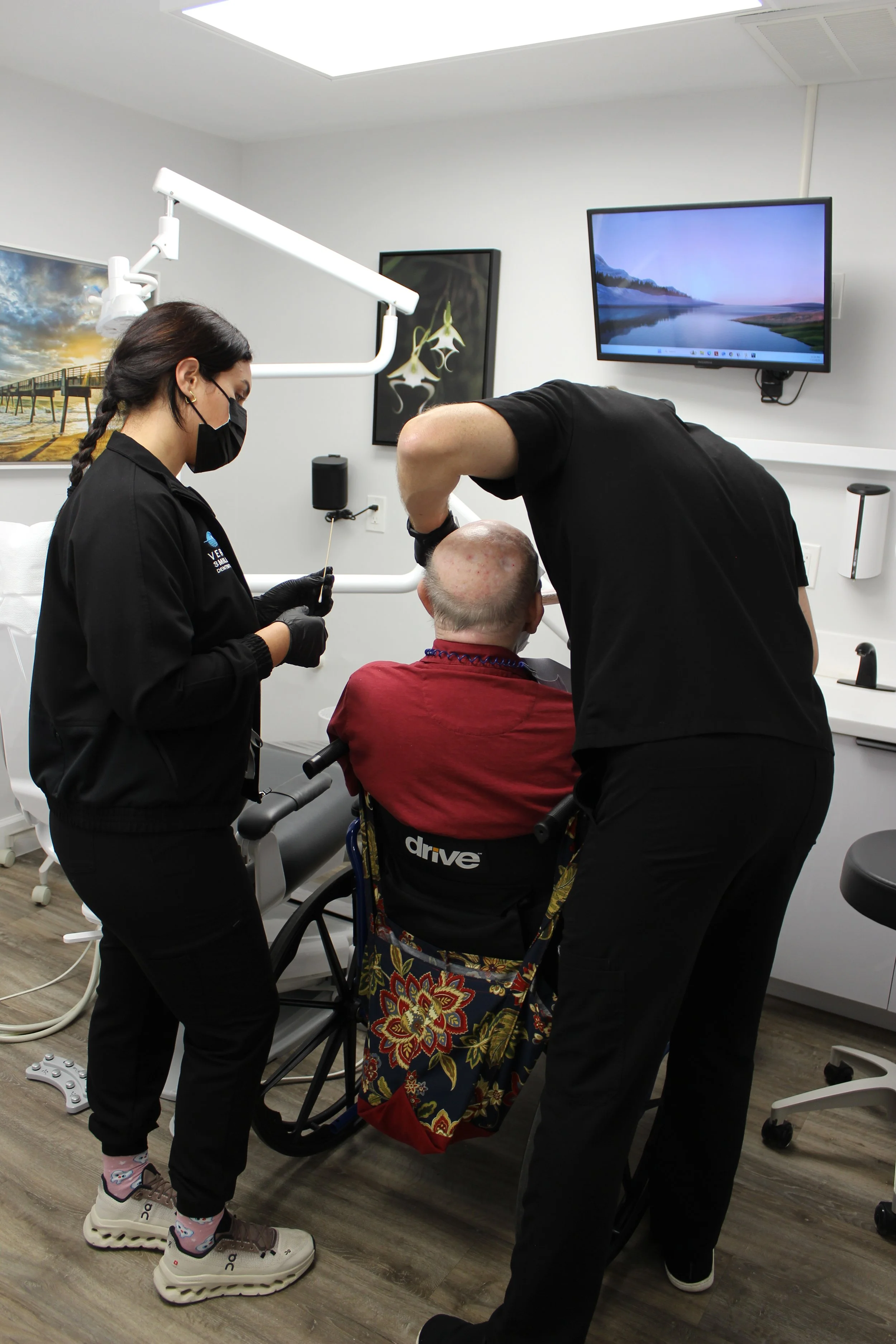
The physical environment of a dental practice is a powerful psychological trigger. Smiles-focused dentists have moved away from the traditional clinical layout in favor of "dental boutiques" or "wellness centers." This environmental shaping is a deliberate strategy to down-regulate the patient's nervous system.
- Olfactory Management: The distinctive "dentist smell" (often caused by eugenol or glutaraldehyde) is replaced with calming scents like lavender or citrus through high-end diffusion systems.
- Auditory Comfort: Noise-canceling headphones are standard, and many treatment rooms are built with acoustic dampening materials to mask the sound of handpieces.
- Visual Distraction: Overhead screens featuring nature scenes or streaming services provide a focal point away from the clinical instruments.
- Ergonomic Seating: High-performance dental chairs now often include massage functions and memory foam to prevent the physical tension that often accompanies dental procedures.
By addressing the five senses, smiles dentists create an atmosphere where the patient feels cared for as a guest rather than a biological specimen. This sensory engineering is a critical component of modern practice management that directly influences patient retention and treatment acceptance.
Advanced Technology and Minimal Intervention
The experience of dentistry is also shaped by the "feel" of the procedures. Smiles dentists typically invest in technologies that prioritize "biomimetic" and minimally invasive dentistry. This means preserving as much of the natural tooth structure as possible, which leads to less post-operative pain and longer-lasting results.
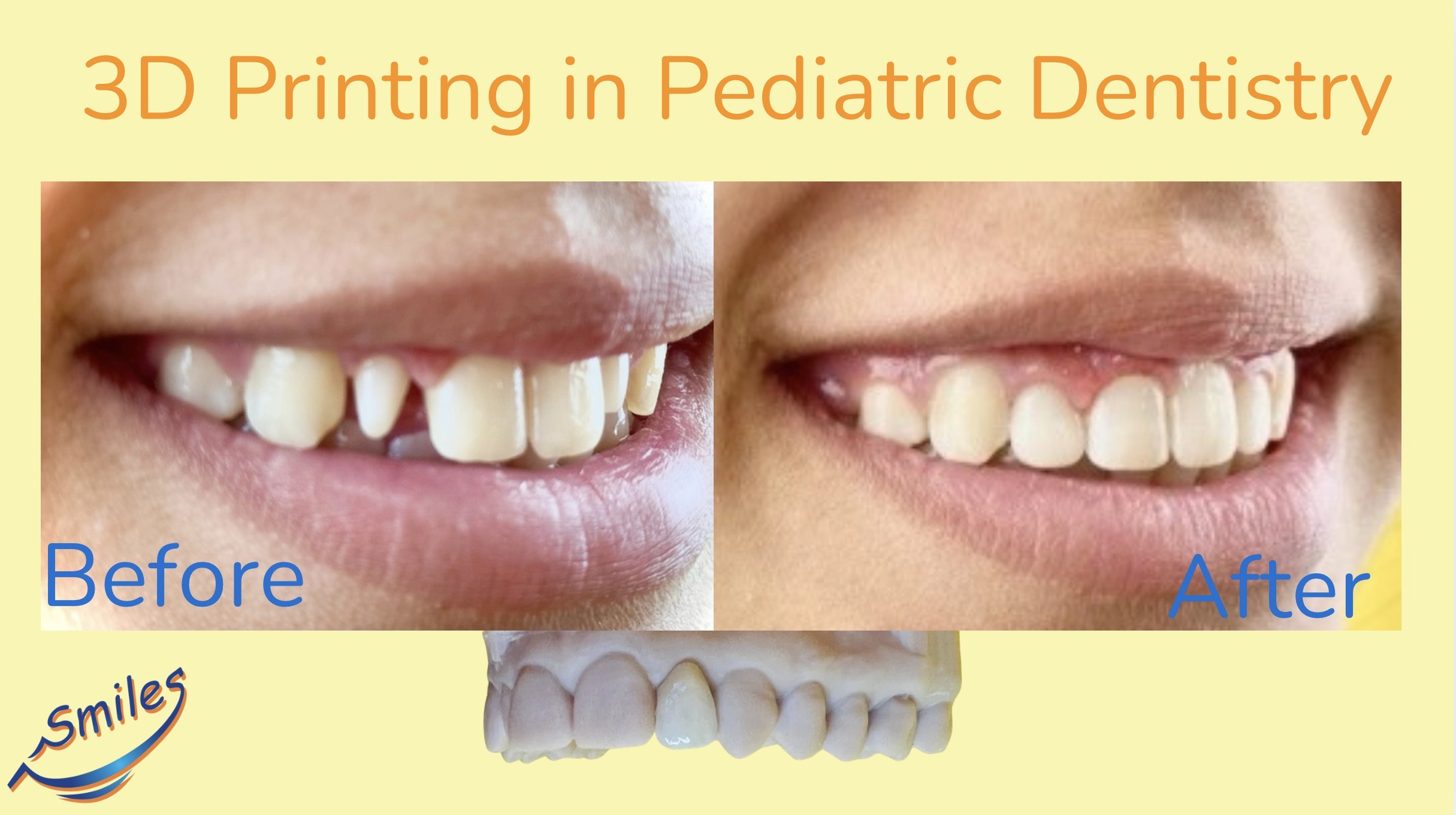
The use of CAD/CAM (Computer-Aided Design and Manufacturing) allows for same-day crowns and veneers. In the traditional model, a patient would need to wear a temporary crown for two weeks while a laboratory fabricated the final piece. Today, the smiles dentist can mill the final restoration in-office while the patient waits. This reduces the number of local anesthetic injections required and eliminates the discomfort of temporary restorations falling off.
Additionally, the adoption of Laser Dentistry for gum contouring and cavity preparation has revolutionized the "noise and vibration" aspect of the visit. Lasers often eliminate the need for sutures and significantly speed up the healing process, making the recovery experience almost negligible compared to traditional surgical methods.
Comparing the Traditional vs. Modern Smiles Experience
The following table outlines the key differences in how the dental experience has been reshaped by modern smiles-focused practices.
| Feature | Traditional Dental Experience | Modern Smiles Dentist Experience (2026) |
|---|---|---|
| Diagnostic Phase | 2D X-rays and physical molds | 3D CBCT scans and AI-driven diagnostics |
| Treatment Planning | Dentist-led with verbal explanation | Collaborative "Co-Design" with 3D renderings |
| Patient Comfort | Standard local anesthetic | Computer-controlled delivery (The Wand) & Sedation options |
| Turnaround Time | Multiple visits (2-4 weeks for labs) | Same-day restorations (CAD/CAM technology) |
| Anxiety Management | Minimal (Standard waiting room) | Sensory-managed environment (Spa-like) |
| Communication | Phone calls and physical mail | Teledentistry and 24/7 patient portals |
| Result Verification | "Wait and see" after cementation | Pre-treatment physical mock-ups |
Overcoming Dental Phobia through Emotional Intelligence
Beyond the gadgets and the decor, smiles dentists shape the experience through enhanced communication and emotional intelligence. Many modern practitioners undergo specific training in psychology to better handle "dental phobia." This is not just about being "nice"; it is a clinical approach to patient management.
Techniques such as "Tell-Show-Do"—where every step is explained and demonstrated before it happens—are used to build trust. Furthermore, the use of conscious sedation (such as nitrous oxide or IV sedation) is handled with a higher degree of customization. In a smiles-focused practice, the goal is to make the appointment a non-event for the patient’s memory. If a patient can undergo a complex full-mouth reconstruction and remember it as a relaxing afternoon, the dentist has successfully reshaped the "experience."
The Long-Term Impact on Oral Health Outcomes
When the dental experience is positive, the clinical outcomes improve exponentially. A patient who enjoys their visits is more likely to adhere to a preventative maintenance schedule. They are more likely to report minor issues before they become emergencies.
Smiles dentists emphasize the "maintenance of the investment." By providing a high-end experience during the cosmetic or restorative phase, they instill a sense of pride in the patient’s oral health. This psychological shift from "ignoring the mouth" to "valuing the smile" is perhaps the most significant way these dentists shape the long-term health of their communities. The "experience" is the hook that brings the patient in, but the education and relationship-building that occur during that experience are what keep the patient healthy for decades.
Frequently Asked Questions
Are smiles-focused dental practices more expensive than traditional clinics?
While the upfront cost for cosmetic procedures or high-tech diagnostic fees may be higher, the value is often found in the "same-day" efficiency and the longevity of the results. By using higher-quality materials and more precise 3D planning, the need for future repairs is often reduced. Most practices provide transparent financing plans to make the "experience" accessible.
What is the most important technology a smiles dentist uses?
Currently, in 2026, the Intraoral Scanner is considered the most vital tool. It replaces the uncomfortable, gooey impressions of the past with a high-speed digital camera that creates a perfect 3D model of the mouth. This serves as the foundation for all digital smile design, orthodontic planning, and restorative work.
How do smiles dentists handle patients with severe dental anxiety?
They use a multi-tiered approach: sensory management (aromatherapy/music), behavioral techniques (transparent communication), and pharmacological aids (sedation). The goal is to create a "judgment-free zone" where the patient's fears are acknowledged as part of the treatment plan rather than dismissed.
Is Digital Smile Design (DSD) only for cosmetic veneers?
No. While it is popular for veneers and "Hollywood smiles," DSD is used for functional reconstructions, dental implants, and even complex orthodontic cases. It ensures that any change made to the teeth is in harmony with the patient's facial structure and jaw function.
Can I really get a new smile in a single day?
With the integration of 3D printing and in-office milling (CAD/CAM), "Smile in a Day" procedures are highly reliable in 2026. This typically involves the dentist preparing the teeth in the morning and placing the final, high-strength ceramic restorations in the afternoon, eliminating the need for temporary teeth.
Practical Recommendation for Patients
If you are looking to change your dental experience, begin by researching practices that specifically mention Digital Smile Design or Patient Experience in their mission statements. Schedule a "consultation-only" visit. This allows you to evaluate the office's sensory environment and the staff's communication style without the pressure of immediate clinical work.
Ensure the practice uses modern diagnostic tools like intraoral scanners rather than physical molds. A dentist who is willing to show you a 3D simulation of your outcome before starting is a dentist who values your experience and your confidence. For more information on accredited cosmetic and experience-focused dentists, you can consult the American Academy of Cosmetic Dentistry (AACD) or the International Congress of Oral Implantologists (ICOI).
Image Gallery