Navigating Michigan Auto Insurance and Medical Deductions
In Michigan, auto insurance does not offer a "medical deduction" in the traditional tax-planning sense. Instead, the state’s mandatory Personal Injury Protection (PIP) coverage allows policyholders to choose specific deductible levels...
In Michigan, auto insurance does not offer a "medical deduction" in the traditional tax-planning sense. Instead, the state’s mandatory Personal Injury Protection (PIP) coverage allows policyholders to choose specific deductible levels to lower their premium costs. By electing a deductible, you agree to pay a portion of your medical expenses out-of-pocket following an auto-related injury before your insurance provider begins covering the remaining costs.
Contents
Understanding Michigan’s No-Fault Insurance System
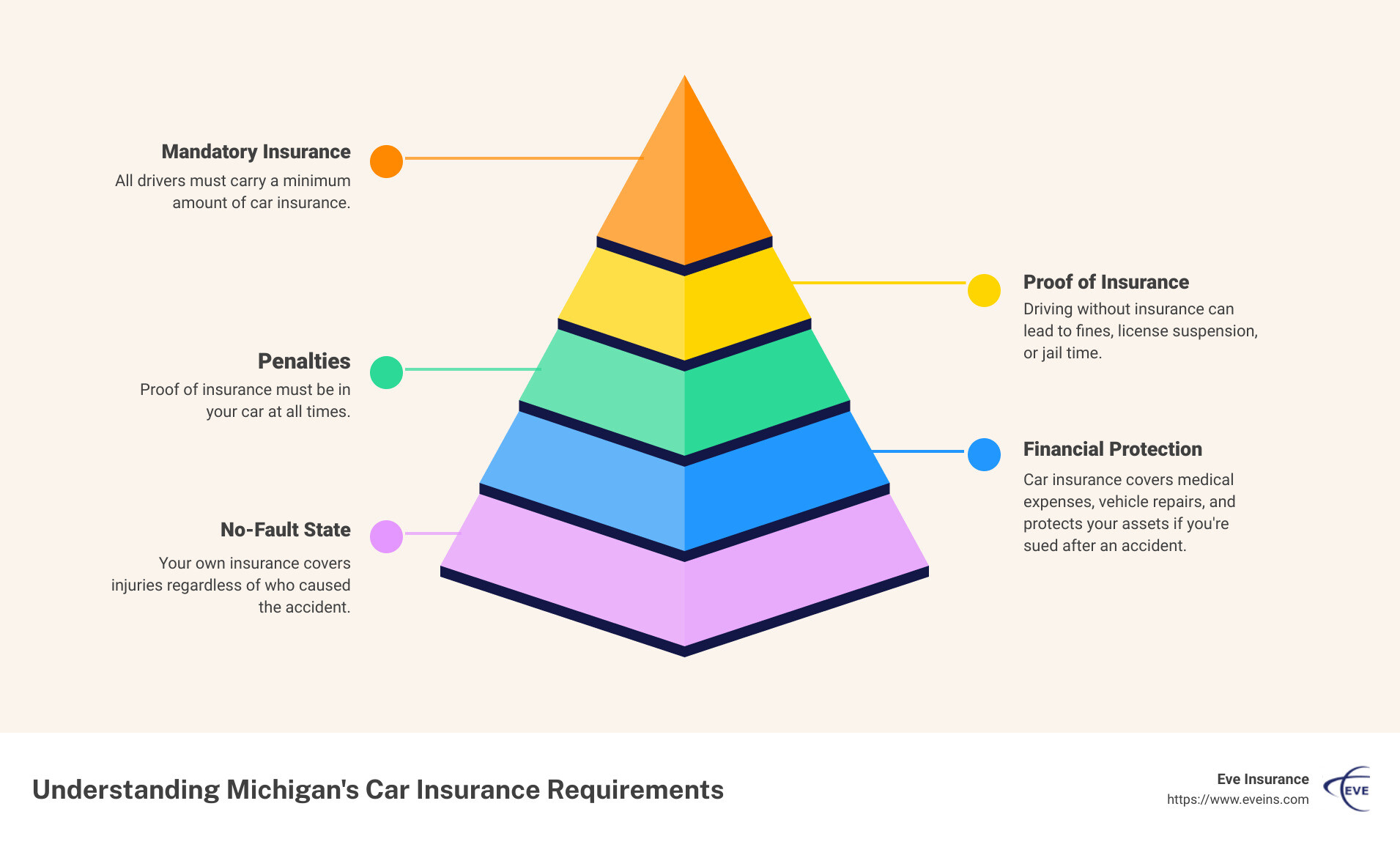
Michigan operates under a unique "No-Fault" auto insurance system. This structure is designed to ensure that accident victims receive medical coverage regardless of who was at fault for the crash. Because of this mandate, every Michigan driver is required to carry Personal Injury Protection (PIP) coverage. PIP is the mechanism that pays for your medical expenses, rehabilitation, and long-term care if you are injured in an auto accident.
Following the major legislative reforms implemented in 2020, Michigan drivers were granted the ability to choose from several levels of PIP coverage. These choices range from unlimited medical coverage to opt-out provisions for individuals who have qualified health insurance. This transition shifted the responsibility of cost management toward the consumer, introducing the concept of the "PIP deductible" as a way to control rising insurance premiums.
How PIP Deductibles Function
A PIP deductible is a predetermined amount of money that you must pay for your own medical care before your auto insurance carrier is obligated to pay any benefits for your injury-related claims. If you are involved in an accident, your chosen deductible must be satisfied before your policy triggers coverage for medical expenses.
The logic behind selecting a higher deductible is simple: the higher the deductible you choose, the lower your annual auto insurance premium. However, it is critical to understand that this is a financial trade-off. You are essentially shifting the risk of initial medical costs from the insurance company to yourself.
Available PIP Coverage Levels in 2026
As of 2026, Michigan drivers can generally select from the following PIP medical coverage limits:
- Unlimited Coverage: No deductible, full coverage for all allowable medical expenses.
- $500,000 Limit: Coverage capped at this amount per accident.
- $250,000 Limit: Coverage capped at this amount per accident.
- $50,000 Limit: Available only to individuals enrolled in Medicaid.
- PIP Opt-Out: Available to individuals with Medicare or qualified private health insurance that covers auto accident injuries.
Are PIP Deductibles Tax Deductible?
A frequent source of confusion for Michigan motorists is whether these insurance deductibles function as tax deductions. Under current tax laws, a PIP deductible paid after an auto accident is not a standard tax deduction for individual taxpayers.
For personal expenses, medical costs must generally exceed a significant percentage of your Adjusted Gross Income (AGI) to be itemized on a federal tax return. Even if your expenses qualify, the deductible paid to an insurance company does not automatically transform into a tax-saving vehicle. If you are a business owner or self-employed individual using your vehicle for work, you may be able to deduct business-related insurance premiums as an operating expense, but the personal medical deductible remains a personal health liability.
Comparison Table: Impact of Deductible Levels
The following table illustrates the general relationship between coverage selection and financial exposure. Note that premiums vary widely based on carrier and individual risk profiles.
| PIP Coverage Level | Deductible Amount | Primary Benefit | Financial Risk |
|---|---|---|---|
| Unlimited | $0 | Maximum Protection | Highest Premium |
| $500,000 Limit | Varies | Balanced Protection | Moderate Premium |
| $250,000 Limit | Varies | Cost Efficiency | Increased Out-of-Pocket |
| $50,000 (Medicaid) | Varies | Mandatory Minimum | Limited Coverage |
| Opt-Out | N/A | Lowest Premium | High Reliance on Health Insurance |
Prerequisites for Opting Out of PIP
Not every driver is eligible to select a deductible or opt out of PIP coverage entirely. To reduce your PIP coverage or elect an opt-out, you must provide proof to your insurance carrier that you have other qualified health coverage.
A "qualified" health plan is one that does not exclude or limit coverage for injuries resulting from auto accidents and has an annual individual deductible of $6,000 or less. If your health insurance policy specifically excludes auto accident injuries, it cannot be used to satisfy the requirements for reducing your PIP coverage. Always verify with your health insurance administrator before choosing an auto insurance plan with a high deductible or an opt-out.
Risks of High-Deductible Auto Insurance
Selecting a high deductible may seem like an effective way to lower monthly cash outflows, but it introduces specific financial hazards:
- Unexpected Out-of-Pocket Costs: In a severe accident, a deductible is a liability that you must pay immediately. If you have a $50,000 limit, you are responsible for anything beyond that amount, plus your deductible.
- Health Plan Conflicts: Some health insurance plans have subrogation clauses where they may seek reimbursement from your auto insurance. If you have opted out of PIP, you may find your health insurance provider refusing to pay for accident-related care, leaving you in a coverage gap.
- Coordination of Benefits: If your health insurance is secondary to auto insurance, your health insurer may demand that your auto insurance pay first. If you have selected a low-limit policy or a high deductible, you may find that neither insurer is willing to cover the initial balance.
Steps to Verify Your Current Coverage
If you are unsure of your current status regarding deductibles and medical coverage, follow these steps:
- Locate Your Declaration Page: This document summarizes your coverage. Look for the section labeled "Personal Injury Protection" or "PIP."
- Review the Limit and Deductible: Confirm the maximum limit and any dollar amount listed as a deductible.
- Contact Your Agent: If you wish to adjust your deductible, contact your provider. Changes to your PIP coverage are generally effective as of the date of the request, but it is wise to confirm this in writing.
- Check Your Health Policy: Request a "Certificate of Coverage" from your health insurance provider to ensure they provide primary coverage for auto accident injuries.
Frequently Asked Questions
Does a PIP deductible apply to liability insurance? No. PIP deductibles apply specifically to your medical coverage under the No-Fault system. Liability insurance, which covers injuries to others for which you are at fault, operates independently of your personal medical deductibles.
Can I change my PIP deductible mid-policy? Most Michigan insurers allow you to change your PIP coverage limits and deductibles at any time, but doing so will trigger a pro-rated premium adjustment.
What happens if I have an accident and cannot afford the deductible? Your medical providers will bill you for the deductible amount. If you cannot pay, it may be sent to collections. It is essential to choose a deductible level that reflects your actual liquid savings.
Is Medicare considered a "qualified" plan for the PIP opt-out? Yes, Medicare is generally considered a qualified health plan under Michigan law, allowing for a complete opt-out of PIP coverage. However, verify that your specific supplemental plans do not have exclusions for auto accidents.
Do passengers have to pay my PIP deductible? Typically, your PIP coverage follows you. If your passengers do not have their own auto insurance, they may seek coverage through your policy. Your deductible applies to the policy, not the individual claimant, meaning the deductible must be met before benefits are paid.
Recommendation for Next Steps
If you are considering adjusting your auto insurance, perform a "Gap Analysis" before making changes. Compare your current health insurance deductible with your proposed auto insurance deductible. If your health insurance has a high deductible, you should avoid selecting a high auto insurance deductible, as you would essentially be doubling your financial risk in the event of an accident. Consult with a licensed insurance agent in Michigan to review your "Declarations Page" to ensure that any adjustments to your coverage limits align with your current financial situation and health insurance requirements.
Image Gallery