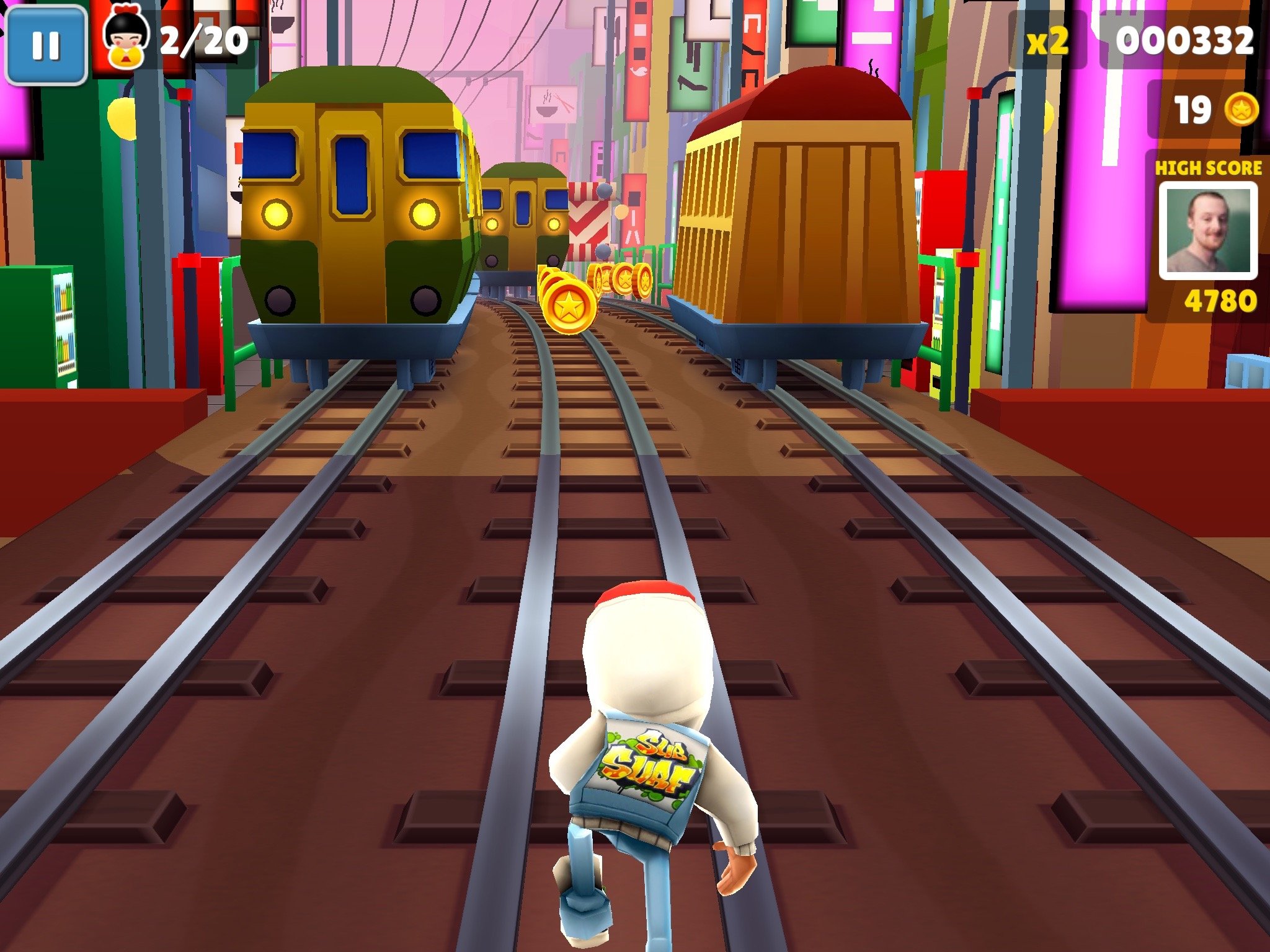
The Origin of the Subway Surfers Rumors: Addressing the Creator's Son
The widespread online claim suggesting that the creator of Subway Surfers designed the game as a tribute to his son who passed away in a train-related accident is a persistent urban legend. There is no factual evidence to support this...
The widespread online claim suggesting that the creator of Subway Surfers designed the game as a tribute to his son who passed away in a train-related accident is a persistent urban legend. There is no factual evidence to support this narrative. The game was developed as a commercial project by Kiloo and SYBO Games, founded by Bodie Jahn-Mulliner and Sylvester Rishøj Jensen, to explore themes of youth culture, street art, and urban exploration.
Contents
Unpacking the Origins of the Subway Surfers Narrative
In the digital age, urban legends often take root in the soil of popular culture, finding new life through social media algorithms and unverified storytelling. One of the most pervasive myths concerning the mobile gaming industry is the tragic backstory of Subway Surfers. According to the widely circulated, yet entirely fabricated, tale, the game was created by a grieving father in memory of his son who allegedly died while spray-painting trains in a subway yard.
This story frequently claims that the protagonist, Jake, is a representation of the creator's deceased son, and that the "grumpy" subway inspector represents the authority figure who caught him. Despite the emotional weight this narrative provides, it does not align with the historical development of the game. Subway Surfers was launched in 2012 by the Danish companies Kiloo and SYBO Games. It was designed as a high-energy "endless runner" intended to capture the excitement and aesthetic of graffiti culture and skateboarding, rather than serving as a memorial for a personal tragedy.
The Reality of Development at Kiloo and SYBO Games
To understand why this myth is inaccurate, one must look at the documented history of the software’s production. SYBO Games, based in Copenhagen, was founded by Sylvester Rishøj Jensen and Bodie Jahn-Mulliner. The project began as a short film created by the duo, which then transitioned into a mobile gaming concept when they partnered with Kiloo.
The development process was driven by creative goals, specifically the desire to create a game that felt fluid, intuitive, and visually distinct. The characters were designed to embody a "cool" street-smart aesthetic, reflecting the interests of the developers at the time. There has never been an official statement, press release, or interview from the founders that links the game’s core mechanics or narrative themes to the loss of a child. The narrative regarding a deceased son appears to be an internet-generated myth that emerged years after the game's release, likely fueled by the desire of fans to find deeper, more dramatic origins for globally successful media products.
Dissecting the Elements of the Urban Legend
The myth relies on a specific set of tropes that make it feel believable to casual observers. Understanding these tropes explains why the story continues to circulate despite its lack of factual grounding:
- The Tragic Hero Archetype: By framing a commercial game as a memorial, the audience forms an emotional connection to the product. Humans are naturally drawn to stories of redemption and remembrance.
- Symbolic Association: The legend takes elements already present in the game—trains, a boy painting graffiti, and an inspector—and assigns them a symbolic meaning that contradicts their actual, playful purpose.
- Anonymity of the Internet: Because the story did not originate from a credible news source or an official company channel, it functions as a "creepypasta"—a form of internet folklore that gains credibility simply through repeated sharing.
Comparison of Fact Versus Fiction
Distinguishing between verified developer history and internet-sourced myths is essential for understanding the lineage of modern mobile applications.
| Feature | Reality | Internet Myth |
|---|---|---|
| Origin | Created by Kiloo and SYBO Games (2012) | Attributed to a grieving, unnamed father |
| Inspiration | Street art, skateboarding, and youth culture | Alleged death of a son in a train yard |
| Character Motif | Stylized urban youth | Representation of a deceased child |
| Verification | Documented in industry trade records | No evidence; unsupported by developers |
| Primary Intent | Commercial success and creative expression | Memorialization of a tragic accident |
The Role of Viral Content and Misinformation
The persistence of the Subway Surfers legend highlights a broader issue in digital literacy: the rapid spread of misinformation when it is paired with strong emotional imagery. When a story provides a "secret" or "hidden" meaning behind a popular activity, users are more likely to share it as "insider information."
In the case of Subway Surfers, the myth serves no practical purpose other than to misattribute the creative labor of the development team to a somber event that never occurred. For the developers at SYBO Games, the game remains a triumph of game design and longevity, continuing to receive updates and expansions in 2026. Attributing the creation of the world’s most downloaded endless runner to a tragedy ignores the collaborative, professional, and artistic effort required to build and maintain a product of such scale.
Why the Myth Remains Popular
The legend persists largely because it is never officially debunked by the mainstream media, as it is considered a harmless, albeit false, piece of internet trivia. Because there is no legal or financial harm caused by this specific myth, it is rarely the subject of formal fact-checking efforts by the developers, who likely focus their resources on game maintenance rather than correcting social media rumors.
Furthermore, the game’s aesthetic—which involves painting trains—already involves an element of "rebellion" against an inspector. For someone inclined to believe the legend, this existing in-game mechanic acts as "confirmation bias," where the user sees the game's contents and assumes they are proof of the story they heard online.
Frequently Asked Questions
Is there any official statement regarding the death of the creator's son? No. Neither SYBO Games nor the original creators have ever issued a statement regarding such a tragedy. The claim is widely recognized by the gaming community and internet historians as a work of fiction.
Who actually created Subway Surfers? The game was developed by the Danish companies SYBO Games and Kiloo. It was spearheaded by Sylvester Rishøj Jensen and Bodie Jahn-Mulliner, who originally conceived the idea through an animated short film.
Is Subway Surfers based on a true story? No. Subway Surfers is a fictional, commercial mobile game. It is not based on any singular historical event or personal life story.
Why do people keep sharing this story if it isn't true? The story is often shared because it creates an emotional narrative around a popular game. This is a common phenomenon in internet culture where users fabricate backstories for popular media to make the content feel more meaningful or "deep."
Are the developers still active as of 2026? Yes, SYBO Games continues to be a major player in the mobile gaming industry, frequently updating Subway Surfers with new "World Tour" locations and content, maintaining its position as one of the most downloaded titles in mobile history.
Recommendations for Verifying Digital Stories
When encountering sensationalist backstories regarding creators or corporate products, it is important to practice critical consumption. If a claim regarding a company’s history cannot be found on an official company blog, a reputable industry trade publication, or a verified news archive, it is best to treat it with skepticism. Relying on primary sources—such as official company websites or verified interviews with the developers—is the only way to ensure the accuracy of the information you encounter online.
Image Gallery