Do Life Insurance Policies Need to Be Turned Into Taxes?
Generally, standard life insurance death benefits paid to a beneficiary are received completely free of income tax, meaning policies do not need to be converted into or settled as taxable income. However, exceptions exist depending on...
Generally, standard life insurance death benefits paid to a beneficiary are received completely free of income tax, meaning policies do not need to be converted into or settled as taxable income. However, exceptions exist depending on how the policy is structured, whether it accumulated cash value that was withdrawn during the insured's lifetime, or if the policy was transferred for valuable consideration.
Contents
Navigating the intersection of life insurance and taxation requires a careful examination of how policies function under tax law. While many consumers worry that receiving a payout or managing a permanent policy will trigger heavy government levies, the tax code treats various types of life insurance transactions differently. Understanding whether life insurance proceeds or cash values are subject to taxation involves analyzing the death benefit, lifetime cash value withdrawals, policy loans, and specific ownership structures.
Understanding the Tax Treatment of Life Insurance Death Benefits
The foundational rule governing life insurance taxation is straightforward: death benefits paid out to a named beneficiary upon the passing of the insured are generally exempt from federal income tax. Under Internal Revenue Code (IRC) Section 101(a), gross income does not include amounts received under a life insurance contract, if such amounts are paid-out by reason of the death of the insured.
This income tax exemption applies regardless of whether the payout is large—such as hundreds of thousands or millions of dollars—and whether it is distributed in a single lump sum or through structured installment payments. If the beneficiary chooses to receive the death benefit over a period of years, the principal amount remains tax-free, though any interest earned on that principal after the insured's death is typically subject to ordinary income tax.
However, "tax-free" does not always mean entirely free from all forms of government assessment. While income tax is usually absent, estate taxes can still apply if the policyholder retains ownership or "incidents of ownership" in the policy at the time of their death. If the estate is valued above the federal estate tax exemption threshold, the total value of the life insurance payout may be included in the gross estate for estate tax purposes, even though it bypasses income tax.
When Life Insurance Can Trigger Income Tax During the Insured's Lifetime
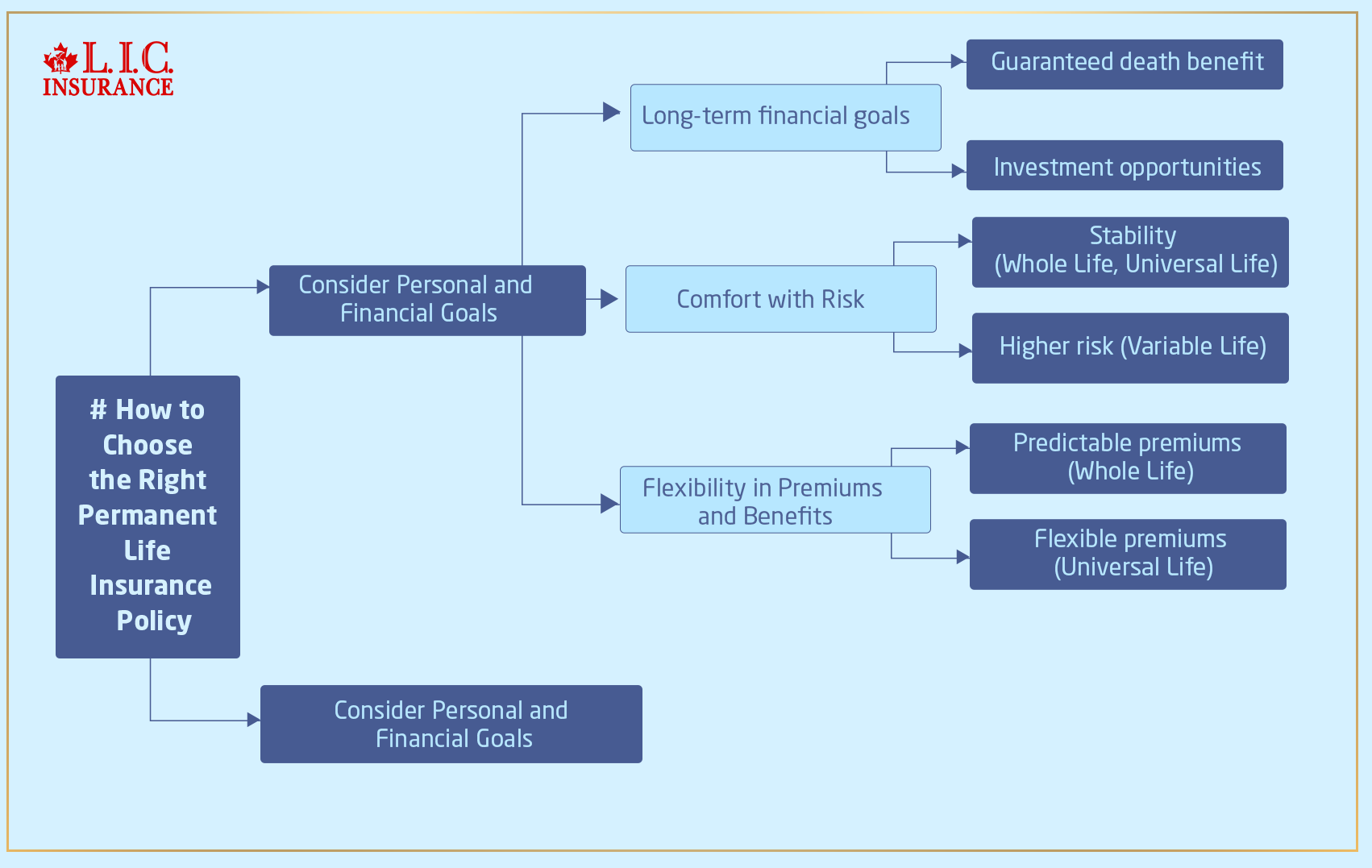
While death benefits are typically shielded from income tax, situations occurring during the policyholder's lifetime can transform a life insurance policy into a taxable event. Permanent life insurance policies—such as Whole Life, Universal Life, and Variable Life—accumulate cash value over time alongside providing a death benefit.
Cash Value Withdrawals (FIFO Rule)
Permanent policies allow policyholders to tap into their accumulated cash value while they are still alive. The Internal Revenue Service (IRS) regulates these withdrawals using the "First-In, First-Out" (FIFO) accounting method.
- Under FIFO rules, any money withdrawn from a cash value policy is treated first as a return of the premiums paid (the cost basis), which are not taxable because they were funded with post-tax dollars.
- Once withdrawals exceed the total amount of premiums paid into the policy, any subsequent distributions are considered accumulated earnings and are taxed as ordinary income.
Policy Loans
Policyholders frequently borrow against their cash value rather than making direct withdrawals. Generally, taking a loan against a life insurance policy is not considered a taxable event, because the cash value serves as collateral for the loan rather than a distribution of earnings.
However, if the policy lapses, is surrendered, or is terminated while an outstanding loan balance exists, the IRS treats the forgiven loan amount as a taxable distribution. If the total loan plus withdrawals exceeds the policy's cost basis, the policyholder may face a substantial and unexpected tax bill, even though they received no cash at the time of the lapse.
Modified Endowment Contracts (MECs) and Tax Penalties
A critical concept in life insurance taxation is the Modified Endowment Contract (MEC) status. Congress established MEC rules to prevent individuals from using life insurance primarily as a tax-advantaged investment vehicle rather than a protection product.
If a policy is funded too aggressively—meaning too much money is paid into the policy within the first seven years compared to the death benefit size—it loses its status as a traditional life insurance policy under tax law and becomes an MEC.
| Feature | Standard Life Insurance Policy | Modified Endowment Contract (MEC) |
|---|---|---|
| Death Benefit | Generally income tax-free to beneficiaries. | Generally income tax-free to beneficiaries. |
| Lifetime Withdrawals/Loans | Follows FIFO rules (basis withdrawn tax-free first). | Follows LIFO rules (earnings withdrawn/borrowed first, taxable). |
| Early Distribution Penalty | No early withdrawal penalty on gains. | 10% IRS penalty on earnings withdrawn before age 59½. |
| Tax Classification | Treated as life insurance under IRC Section 7702. | Permanently classified as an investment vehicle. |
Once a policy becomes an MEC, it cannot be reversed. Any withdrawals, loans, or pledges taken against an MEC are taxed on a Last-In, First-Out (LIFO) basis, meaning earnings are withdrawn first and taxed as ordinary income. Furthermore, if the policyholder is under the age of 59½, these distributions are subject to an additional 10% IRS penalty tax on the earnings portion.
The Transfer-for-Value Rule
Another scenario where life insurance proceeds can lose their tax-exempt status is when a policy is sold or transferred to another party for valuable consideration—a concept known in tax law as the Transfer-for-Value Rule under IRC Section 101(a)(2).
If a policyholder sells their life insurance policy to a third party (such as in a life settlement) or transfers ownership in exchange for cash, services, or other valuable items, the income tax exemption on the death benefit is generally compromised. When the insured eventually passes away, the new owner must pay ordinary income tax on the portion of the death benefit that exceeds the purchase price they paid for the policy, plus any subsequent premiums they paid.
Statutory Exceptions to the Transfer-for-Value Rule
The tax code provides specific safe harbors where transferring a policy does not trigger income tax liability on the death benefit. These exceptions include transfers to:
- The insured individual themselves.
- A partner in a partnership where the insured is a partner.
- A partnership in which the insured is a partner.
- A corporation in which the insured is a shareholder or officer.
- A transferee whose basis in the policy is determined by reference to the transferor's basis (such as certain gifts or tax-free reorganizations).
Estate Planning Strategies to Minimize Tax Burdens
For high-net-worth individuals, avoiding income tax on life insurance is only part of the equation; mitigating estate taxes is equally vital. Because a life insurance death benefit can push an estate over the federal or state estate tax exemption limits, advanced planning tools are frequently utilized.
Irrevocable Life Insurance Trusts (ILITs)
An Irrevocable Life Insurance Trust (ILIT) is a specialized legal trust created to own a life insurance policy. When an ILIT owns the policy:
- The insured effectively surrenders all incidents of ownership.
- Because the insured no longer owns the policy, the death benefit is excluded from their gross estate upon death.
- The trustee collects the proceeds tax-free and distributes them to the beneficiaries according to the trust document, bypassing both income and estate taxes (subject to proper gift-tax management on premium payments).
Establishing an ILIT requires careful legal drafting and adherence to IRS regulations, particularly regarding the annual gift tax exclusion rules used to fund the trust's premium payments. Consulting a qualified estate planning attorney or certified public accountant is essential before establishing such structures.
Frequently Asked Questions
Are life insurance payouts subject to capital gains tax?
No. Life insurance death benefits are not considered capital assets; therefore, they are not subject to capital gains tax. They are treated either as tax-free death benefits under IRC Section 101(a) or, if withdrawn during life, as ordinary income or a return of basis, depending on the FIFO or LIFO rules.
Do beneficiaries have to report life insurance payouts on their tax returns?
Generally, beneficiaries do not need to report a standard life insurance death benefit as taxable income on their federal income tax returns. However, if the insurance company pays interest on the death benefit proceeds held after the insured's death, that specific interest portion must be reported as taxable interest income.
What happens if I surrender my life insurance policy for cash?
Surrendering a permanent life insurance policy cancels the coverage in exchange for the accumulated cash surrender value. If the cash surrender value exceeds the total amount of premiums you paid into the policy (your cost basis), that gain is considered taxable ordinary income for that tax year.
Can business-owned life insurance create a tax liability?
Yes. When a corporation owns a life insurance policy on a key employee and receives the death benefit, those proceeds can sometimes trigger the federal Corporate Alternative Minimum Tax (CAMT) or be treated as taxable income depending on the ownership structure and adherence to notice-and-consent requirements under IRC Section 10701. Businesses should consult corporate tax specialists.
How does the IRS know if my policy becomes a Modified Endowment Contract (MEC)?
Insurance carriers are legally required to monitor the funding levels of permanent policies. If a policy fails the statutory 7-pay test and converts into an MEC, the insurance company will notify the policyholder and issue a Form 1099-R if any taxable distributions or loans occur during the tax year.
Practical Next Steps for Policyholders
If you currently own a permanent life insurance policy, have an outstanding cash value loan, or are planning to transfer ownership of a policy, verifying your tax status with a qualified financial advisor, tax professional, or estate attorney is crucial. Request an in-force illustration from your insurance carrier to review your current cost basis, cash surrender value, and loan balances to prevent unexpected tax liabilities.
Image Gallery