Teepa Snow Net Worth and Career Highlights: A Legacy in Dementia Care
Teepa Snow’s estimated net worth is not publicly disclosed as she operates as a private business owner and educator rather than a public corporation. Her career highlights are defined by her profound impact on the field of dementia car...
Teepa Snow’s estimated net worth is not publicly disclosed as she operates as a private business owner and educator rather than a public corporation. Her career highlights are defined by her profound impact on the field of dementia care, specifically through the development of the Positive Approach to Care (PAC) model, which has transformed how caregivers interact with individuals living with neurocognitive disorders.
Contents
The Professional Journey of Teepa Snow
Teepa Snow’s influence in the geriatric care space is the result of over four decades of clinical practice, research, and advocacy. An occupational therapist by training, she recognized early in her career that traditional medical models were often inadequate for addressing the complex behavioral and emotional needs of individuals with dementia.
Her journey began in the clinical environment, where she focused on the intersection of brain function and physical performance. She realized that the frustration experienced by dementia patients often stemmed from how they were approached by their caregivers. This observation became the catalyst for her transition from a bedside clinician to a global educator. By the mid-2000s, she had formalized her methodologies, establishing the Positive Approach to Care (PAC) organization, which provides training for both professional care staff and family caregivers.
Key Career Highlights and Contributions
Teepa Snow’s career is marked by several defining contributions that have elevated standards in the caregiving industry:
- The Positive Approach to Care (PAC): This framework emphasizes "meeting the person where they are." It moved the industry away from task-oriented care toward relationship-centered engagement.
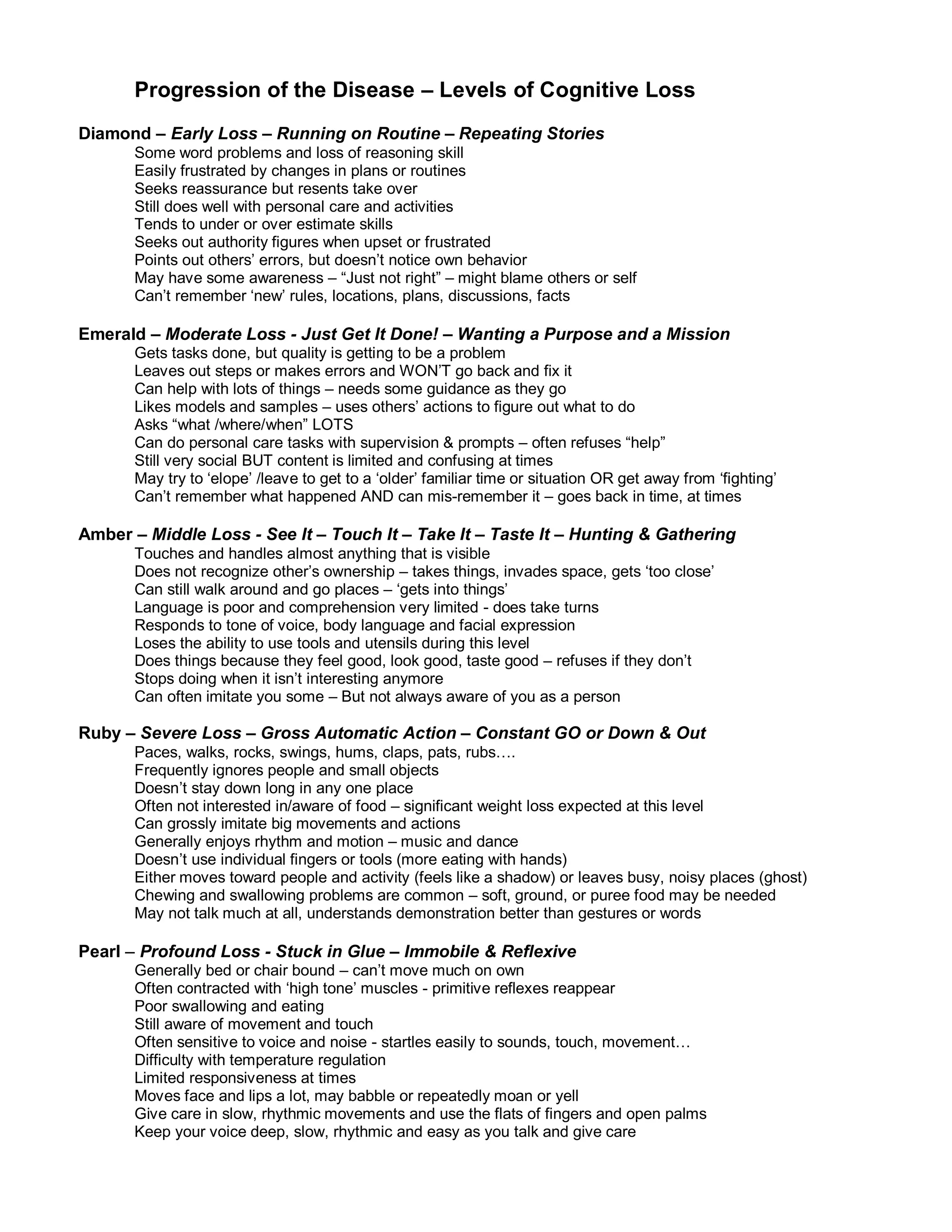
- The GEMS® State Model: One of her most cited contributions, this model uses gemstones (Sapphire, Diamond, Emerald, Amber, Ruby, and Pearl) to classify the cognitive states of those with dementia. This system helps caregivers adjust their expectations and communication techniques based on the specific "gem" level of the individual.
- Hand-under-Hand™ Technique: Snow popularized this physical approach to assisting individuals with daily living tasks. By using a gentle touch that respects the individual’s autonomy while providing stability, she significantly reduced the resistance and agitation often seen in traditional care settings.
- Global Education and Certification: Beyond personal lectures, she developed a certification program for PAC trainers, scaling her methodology to reach thousands of nursing facilities, hospitals, and assisted living centers worldwide.
Financial Standing and Business Model
In the context of financial analysis, Teepa Snow’s net worth is a product of private enterprise rather than public market performance. Unlike CEOs of publicly traded healthcare conglomerates, her financial value is tied to her intellectual property, her consulting firm, and her educational content.
Her business model is diversified, focusing on:
- Direct Training Services: Paid consulting and workshops for healthcare institutions.
- Digital Education: A library of instructional videos, webinars, and online modules for families and professionals.
- Certification Programs: Scaling her knowledge by training others to become licensed PAC coaches.
- Licensing: Providing organizations with the rights to utilize her established training frameworks as their internal standard of care.
Because she operates as the founder and primary educator of a private company, the specific revenue generated by her organization and her personal draw are not subject to the mandatory reporting requirements applied to public corporations. Analysts often view her career not through the lens of liquid assets, but through the valuation of her intellectual property and the market share of her training methodologies within the dementia-care training niche.
Comparison of Care Methodologies
To understand why Teepa Snow’s work has garnered such influence, it is helpful to compare her approach to traditional care models.
| Feature | Traditional Medical Model | Positive Approach to Care (PAC) |
|---|---|---|
| Primary Goal | Task completion (e.g., bathing) | Relationship and emotional comfort |
| Communication | Direct commands or verbal reminders | Sensory input and non-verbal cues |
| View of Behavior | Symptoms to be suppressed | Communication of an unmet need |
| Assistance Style | Physical force or "holding" | Hand-under-Hand™ support |
| Goal Setting | Patient compliance | Autonomy and dignity |
Education and Foundational Knowledge
Teepa Snow holds a Master of Science in Occupational Therapy from the University of North Carolina at Chapel Hill. Her clinical background provided the technical foundation necessary to bridge the gap between neurological science and physical therapy. Her expertise spans occupational therapy, gerontology, and psychology, allowing her to explain complex neurodegenerative processes—such as the decline of the frontal lobe or the erosion of peripheral vision—in ways that are actionable for non-medical caregivers.
Frequently Asked Questions
What is the primary focus of Teepa Snow’s dementia training?
Teepa Snow’s training focuses on understanding the neurological changes caused by dementia and adjusting caregiving techniques to match the person's remaining abilities. The goal is to reduce stress for both the person living with dementia and the caregiver.
Does Teepa Snow offer certifications for caregivers?
Yes, the Positive Approach to Care organization offers a tiered certification process. Individuals can become certified trainers, allowing them to teach the PAC methodology within their own facilities or regions.
How does the GEMS® model help in real-world scenarios?
The GEMS® model helps caregivers identify which "state" a person is in. For example, a person in the "Emerald" state may struggle with word-finding, while someone in the "Amber" state has significant sensory processing changes. Recognizing this allows the caregiver to tailor their communication style to avoid overwhelming the individual.
Is Teepa Snow’s advice suitable for all types of dementia?
Yes. While her techniques are frequently applied to Alzheimer’s disease, they are designed to be effective for various types of neurocognitive disorders, including Lewy Body Dementia, Frontotemporal Dementia, and Vascular Dementia, as the focus is on the resulting loss of function rather than the underlying disease pathology.
Where can families access resources by Teepa Snow?
Resources are primarily available through the official Positive Approach to Care website, which includes a video database, information on live workshops, and materials designed specifically for family caregivers seeking guidance on managing daily challenges.
Practical Recommendations for Caregivers
If you are managing the care of a loved one with dementia, the most effective next step is to move away from task-oriented care and toward observation. Begin by identifying the "gem" state of your loved one to adjust your approach. Utilize non-verbal cues, such as maintaining a calm presence and using the Hand-under-Hand™ technique, to minimize the distress that often occurs during daily transitions. For those seeking professional implementation, reviewing the official PAC training materials is the recommended baseline for creating a sustainable, long-term care environment.
Image Gallery