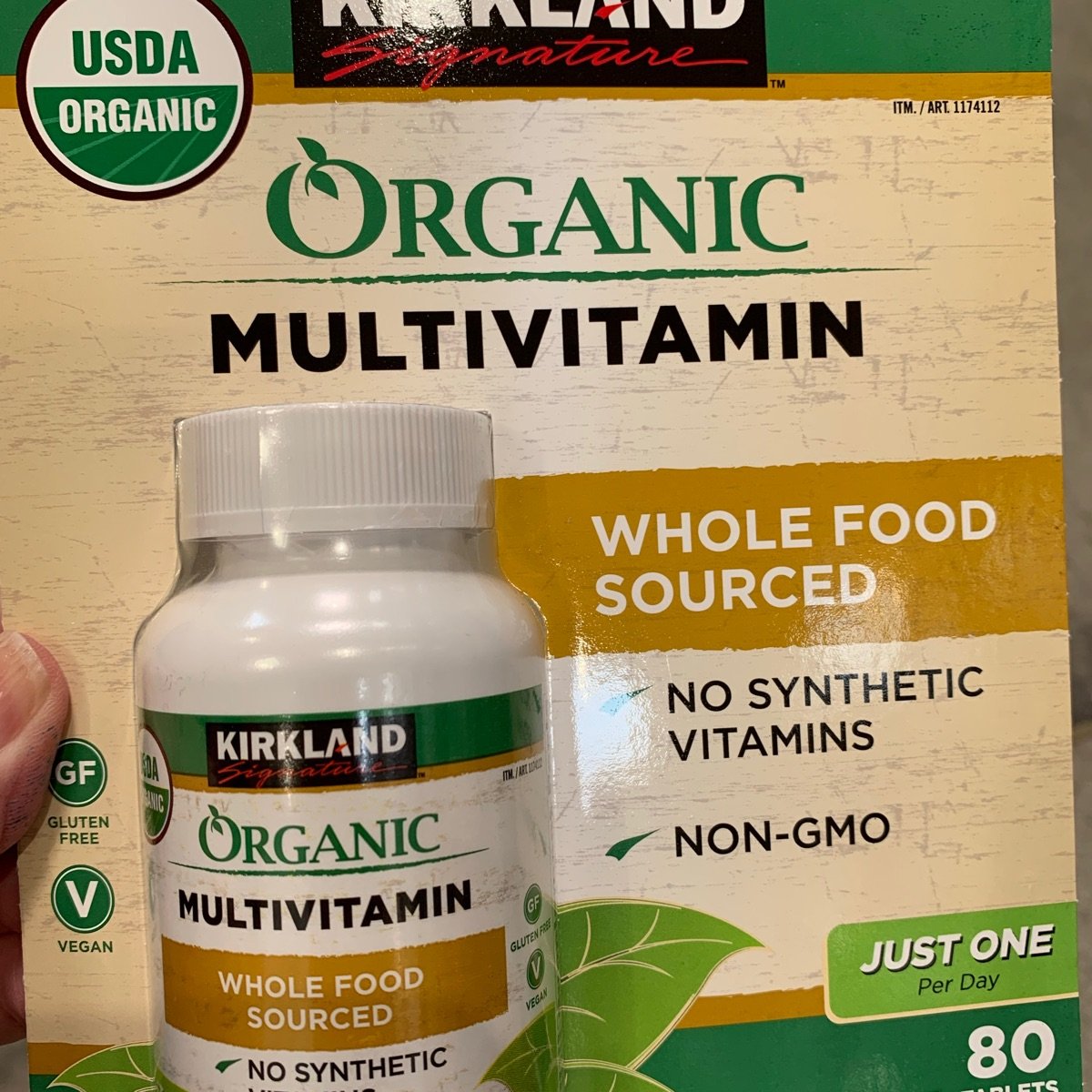
Kirkland Organic Multivitamin Side Effects: A Comprehensive Overview
Kirkland Signature Organic Multivitamins are generally well-tolerated by most healthy adults, with the most frequent side effects being mild gastrointestinal distress, such as nausea, constipation, or diarrhea. These symptoms are often...
Kirkland Signature Organic Multivitamins are generally well-tolerated by most healthy adults, with the most frequent side effects being mild gastrointestinal distress, such as nausea, constipation, or diarrhea. These symptoms are often linked to the iron and magnesium content. Users may also notice harmless bright yellow urine due to excess riboflavin (Vitamin B2) excretion.
Contents
In the landscape of 2026, dietary supplements remain a cornerstone of preventative health for millions. Among the most popular options is the Kirkland Signature Organic Multivitamin, a USDA-certified organic, non-GMO, and vegan-friendly supplement distributed by Costco. While these vitamins are formulated from whole-food sources—deriving nutrients from plants like amla, holy basil, and lemon—they are not entirely free from potential side effects. Understanding the biological mechanisms behind these reactions is essential for anyone looking to optimize their nutritional intake without compromising their daily comfort.
Understanding the Kirkland Signature Organic Multivitamin Formulation
Before examining side effects, it is necessary to understand how the Kirkland Organic Multivitamin differs from standard synthetic formulations. Most generic multivitamins utilize laboratory-isolated nutrients (isolates). In contrast, the organic version uses a "whole-food" approach, where vitamins are extracted from a blend of organic fruits and vegetables.
As of 2026, the formulation typically includes over 15 essential vitamins and minerals. The primary appeal of this product is the absence of synthetic dyes, artificial flavors, and chemical preservatives. However, the use of whole-food concentrates introduces a variety of phytonutrients and plant fibers. While generally beneficial, these complex plant matrices can occasionally trigger sensitivities in individuals with specific allergies or digestive vulnerabilities.
Common Gastrointestinal Side Effects
The most frequently reported issues with Kirkland Organic Multivitamins involve the digestive system. These are rarely dangerous but can be disruptive to daily life.
Nausea and Gastric Irritation
Many users experience "vitamin nausea," a feeling of queasiness that occurs shortly after ingestion. This is often caused by taking the tablet on an empty stomach. The concentrated nutrients, particularly zinc and various acidic plant extracts, can irritate the gastric lining. When the stomach is empty, these concentrated compounds come into direct contact with the mucosa, triggering a mild inflammatory response or a "gag" reflex in the digestive tract.
Constipation and the Role of Iron
The Kirkland Organic Multivitamin contains iron, an essential mineral for oxygen transport in the blood. However, iron is notorious for causing constipation. It can slow down the transit time of waste through the colon and alter the gut microbiome’s water balance. Even though the iron in organic multivitamins is often derived from plant sources (like curry leaf), it can still cause stool hardening and infrequent bowel movements in sensitive individuals.
Diarrhea and Magnesium Content
On the opposite end of the spectrum, some users report loose stools or diarrhea. This is typically attributed to magnesium. Magnesium acts as an osmotic laxative, drawing water into the intestines. If the body already has sufficient magnesium levels from food, the supplemental dose in the multivitamin may exceed the bowel's absorption threshold, leading to a laxative effect.
Physiological Changes and Harmless Reactions
Not all side effects are a cause for concern. Some are simply the result of the body processing and excreting excess nutrients.
The "B-Vitamin Glow" (Yellow Urine)
One of the most common "side effects" that alarms new users is the appearance of bright, almost neon-yellow urine. This is caused by riboflavin (Vitamin B2). Riboflavin is a water-soluble vitamin; once the body’s tissues are saturated, the kidneys filter out the excess. Riboflavin naturally possesses a yellow-orange pigment, and its presence in the urine is a sign that the vitamin is being successfully absorbed and processed by the body. In 2026, medical professionals continue to emphasize that this is a harmless physiological response.
Unpleasant Aftertaste or Burping
Because the Kirkland Organic Multivitamin is derived from whole foods, the tablets often have a distinct herbal scent and taste. Some individuals experience "vitamin burps," where the flavor of the organic extracts (such as garlic or ginger, if present in the blend) repeats throughout the day. This is usually a sign of slow digestion or the tablet breaking down higher up in the esophagus rather than in the stomach.
Serious and Rare Adverse Reactions
While common side effects are mild, there are more serious risks associated with any potent dietary supplement.
Allergic Reactions to Plant Extracts
Since the nutrients are derived from real food sources, individuals with specific plant allergies must exercise caution. For example, if a person is allergic to a specific fruit or herb included in the organic blend, they may experience:
- Hives or skin rashes.
- Swelling of the face, lips, or tongue.
- Wheezing or difficulty breathing.
If any of these symptoms occur, the user should discontinue use immediately and seek medical attention, as these are signs of anaphylaxis or a severe hypersensitivity reaction.
Risks of Iron Overload (Hemochromatosis)
For the general population, the iron in a multivitamin is helpful. However, for individuals with hemochromatosis—a genetic condition where the body absorbs too much iron—taking a daily multivitamin containing iron can lead to toxic levels. Over time, excess iron can deposit in the liver, heart, and pancreas, leading to organ damage. It is critical for men and post-menopausal women, who have lower iron requirements, to monitor their total iron intake from all sources.
Hypervitaminosis D
While Vitamin D is essential for bone health and immune function, it is fat-soluble, meaning the body stores it in fat tissues rather than excreting the excess. Taking high-dose supplements over a long period can lead to Vitamin D toxicity. Symptoms include high calcium levels in the blood (hypercalcemia), which can cause nausea, weakness, and potentially kidney stones.
Comparison of Side Effect Profiles: Organic vs. Synthetic
| Feature | Kirkland Organic Multivitamin | Standard Synthetic Multivitamins |
|---|---|---|
| Primary GI Risk | Mild nausea, plant-fiber bloating | Sharp gastric irritation, metallic taste |
| Urine Color Change | Common (B2 Riboflavin) | Common (B2 Riboflavin) |
| Allergy Risk | Higher (due to various plant extracts) | Lower (highly purified isolates) |
| Constipation Risk | Moderate (plant-based iron) | High (ferrous sulfate iron) |
| Bioavailability | Generally higher for food-based nutrients | Varies by nutrient type |
| Additives | Minimal (Organic binders) | Higher (Dyes, talc, titanium dioxide) |
Nutrient Interactions and Contraindications
A side effect can also manifest as an interaction with existing medications. This is a critical consideration for those under medical supervision.
Vitamin K and Blood Thinners
The Kirkland Organic Multivitamin contains Vitamin K, which plays a vital role in blood clotting. For patients taking anticoagulant medications like Warfarin (Coumadin), supplemental Vitamin K can interfere with the medication's effectiveness. Vitamin K helps the blood clot, while anticoagulants aim to prevent it. A sudden increase in Vitamin K intake can lower the International Normalized Ratio (INR), increasing the risk of blood clots or stroke.
Interference with Thyroid Medication
The minerals in multivitamins, specifically calcium and iron, can bind to thyroid hormones like Levothyroxine. If taken simultaneously, the body may not absorb the thyroid medication properly, leading to symptoms of hypothyroidism despite taking the prescribed dose. It is generally recommended to wait at least four hours between taking a thyroid pill and a multivitamin.
Strategies to Minimize Side Effects
If you experience mild side effects, you do not necessarily need to stop taking the vitamin. Often, a change in administration can resolve the issue.
- Take with a Substantial Meal: Consuming the multivitamin mid-meal provides a "buffer" for the stomach lining, significantly reducing nausea.
- Increase Water Intake: If constipation occurs, increasing daily water consumption helps the fiber and iron move through the digestive system more smoothly.
- Split the Dose: If the tablet is large and causes discomfort, some users find success in splitting the dose (if the tablet is scored) or taking it at a different time of day, such as during lunch instead of breakfast.
- Consistency is Key: The body often requires a "wash-in" period of 7 to 10 days to adjust to new nutrient concentrations. Mild GI distress may resolve on its own once the gut microbiome and enzymes adapt.
Who Should Exercise Caution?
Certain populations should consult a healthcare provider before starting Kirkland Organic Multivitamins to avoid adverse effects:
- Pregnant or Nursing Women: While prenatal vitamins are similar, the specific levels of Vitamin A and certain herbs in a general organic multivitamin may not be optimal for fetal development.
- Individuals with Chronic Kidney Disease (CKD): The kidneys are responsible for filtering excess vitamins and minerals. In CKD patients, minerals like phosphorus, potassium, and magnesium can build up to dangerous levels.
- People with a History of Kidney Stones: High doses of Vitamin C and Vitamin D can contribute to the formation of calcium oxalate stones in predisposed individuals.
FAQ
Does Kirkland Organic Multivitamin cause weight gain?No, multivitamins do not contain significant calories and do not directly cause weight gain. However, if a person was previously deficient in certain B-vitamins, correcting that deficiency might improve appetite, which could lead to increased food intake.
Can I take this multivitamin on an empty stomach?While you can, it is not recommended. The organic acids and minerals in the Kirkland formulation are highly concentrated and are much more likely to cause nausea or stomach cramps if there is no food in the stomach to dilute them.
Are there any "hidden" ingredients in the organic blend?As of 2026, Kirkland Signature maintains transparency in its labeling. The "organic blend" consists of various fruits and vegetables like organic amla extract, organic moringa, and organic annatto. If you have a known allergy to any specific fruit or botanical, you must check the full ingredient list on the back of the bottle.
Why does the tablet smell so strong?The odor is a result of the organic, whole-food concentrates. Ingredients like B-vitamins and botanical extracts have natural, pungent aromas. The absence of synthetic masking agents and artificial fragrances in the organic version makes this scent more noticeable than in synthetic vitamins.
Is it safe for children?This specific product is formulated for adults. The nutrient levels, particularly iron and Vitamin A, may exceed the safe daily limits for children. Always use a age-appropriate pediatric multivitamin for minors.
Practical Recommendation
When starting Kirkland Organic Multivitamins, the most effective approach is to take one tablet daily with your largest meal of the day. Monitor your body's response for the first two weeks. If you experience persistent constipation or severe stomach pain, consult a healthcare provider to determine if the iron or magnesium levels are appropriate for your specific health profile. Always inform your doctor of all supplements you are taking, especially if you are scheduled for surgery or are starting new prescription medications.
Image Gallery