Teenager Insurance Overview: A Comprehensive Guide to Auto Coverage
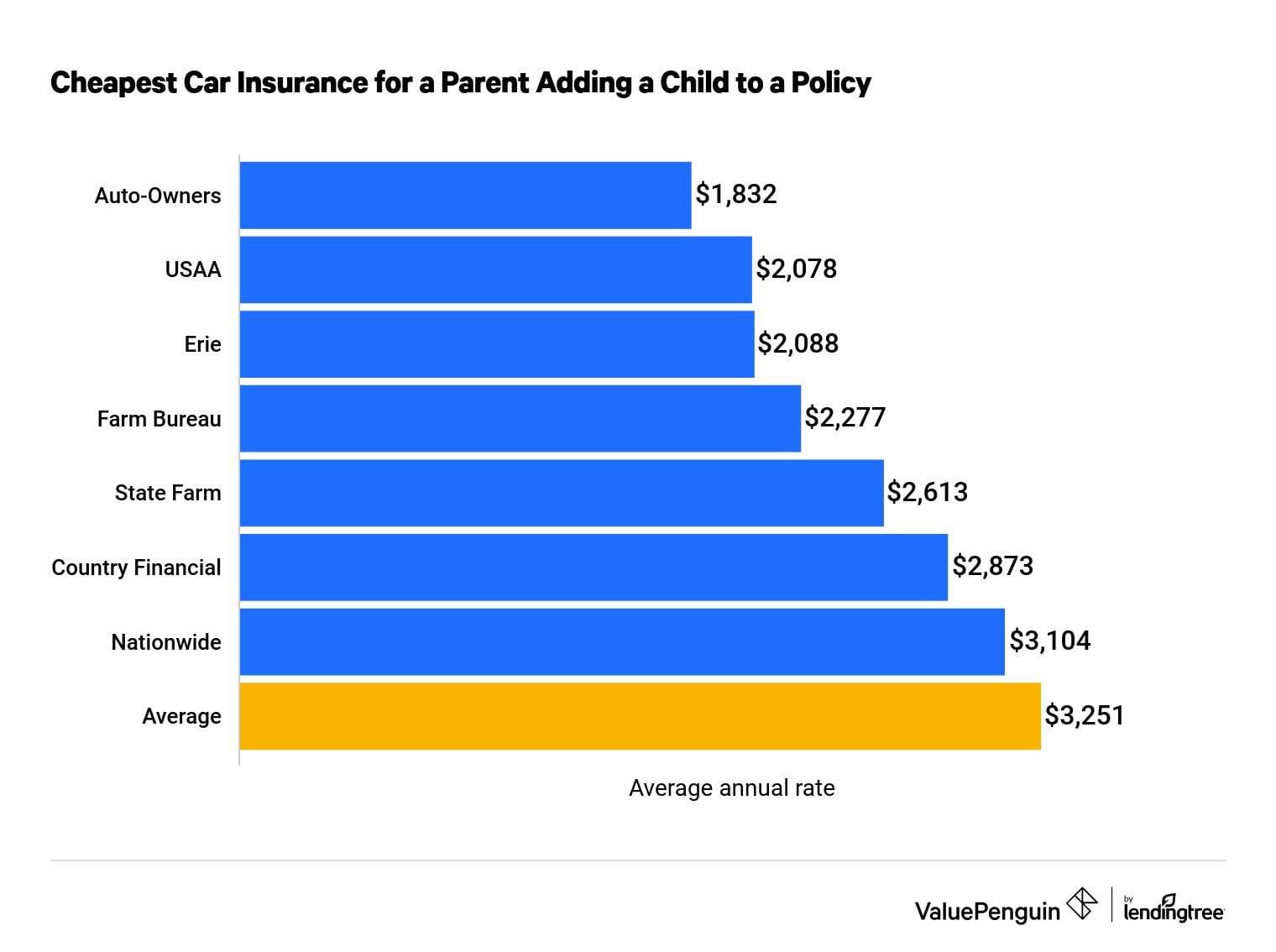
Adding a teenager to an existing car insurance policy is a major financial milestone for families that requires a clear understanding of risk, cost management, and legal requirements. Because teenage drivers lack significant experience...
Adding a teenager to an existing car insurance policy is a major financial milestone for families that requires a clear understanding of risk, cost management, and legal requirements. Because teenage drivers lack significant experience, insurers view them as high-risk operators, leading to premium adjustments that are typically mandatory once a teen obtains a driver’s license or learner’s permit.
Contents
Understanding the Financial Impact of Teen Drivers
When a teenager becomes a licensed driver, the statistical probability of a motor vehicle accident increases due to a lack of situational awareness and impulse control. Insurance companies calculate premiums based on this actuarial risk. In most jurisdictions, you are required to notify your insurance provider as soon as a household member obtains a learner's permit or a full license.
Failure to disclose a teen driver—often referred to as "material misrepresentation"—can result in a denied claim if the teenager is involved in an accident. In such cases, the insurer may retroactively bill for the unpaid premiums or, in severe instances, cancel the policy entirely. Most providers expect you to list all residents of driving age in the household, regardless of whether they have their own vehicle.
Eligibility and Licensing Prerequisites
Before a teen can be covered, they must meet the legal requirements of their state or territory. Coverage is generally tiered based on the type of license held:
- Learner’s Permit: In many cases, a teen with a learner's permit is automatically covered under the parent’s policy at no additional cost, provided they are driving under the supervision of a licensed adult. However, you must verify this with your specific carrier, as some companies require a formal declaration of the permit holder.
- Intermediate or Provisional License: Once the teen transitions to a restricted license, they must be added to the policy as a rated driver. This is the stage where significant premium increases typically occur.
- Full License: Upon reaching the age of majority or meeting the state’s requirements for a full license, the teen is treated as a standard operator, though they will remain in a higher-risk premium bracket until they reach their mid-twenties.
Strategies to Manage Insurance Costs
While the cost of insuring a teen is substantial, several industry-standard practices can help mitigate the financial burden. These are not shortcuts, but rather established mechanisms provided by insurers to encourage responsible behavior.
- Good Student Discounts: Many insurers offer significant reductions for students who maintain a "B" average or better. Insurance companies have statistically linked academic performance with responsible decision-making behind the wheel.
- Driver Education Programs: Completion of a state-approved or accredited defensive driving course demonstrates to the insurer that the teen has received formal instruction, which can lead to a policy discount.
- Telematics and Usage-Based Programs: Many providers in 2026 offer mobile applications or plug-in devices that monitor driving habits, such as hard braking, rapid acceleration, and speed. If the teen demonstrates safe driving behaviors over a set period, the policyholder may receive a lower rate.
- Vehicle Selection: The type of car the teen drives is a major factor. Vehicles with high safety ratings, lower performance capabilities, and cheaper repair costs are significantly more affordable to insure than high-performance sports cars or luxury SUVs.
Comparison of Coverage Options for Teen Drivers
The following table summarizes common approaches to structuring a teen's insurance coverage:
| Feature | Family Policy (Adding a Teen) | Separate Policy for Teen |
|---|---|---|
| Cost | Generally more economical | Typically very expensive |
| Eligibility | Household members residing at the same address | Must own the vehicle titled in their name |
| Complexity | Simple; one renewal date and one portal | High; multiple policies to manage |
| Discounts | Can share multi-car and home-bundle discounts | Only individual discounts apply |
| Liability | Parents often remain liable for teen's actions | Teen assumes primary liability |
Understanding Liability and Risk Management
It is important to understand that in many jurisdictions, parents or legal guardians bear "vicarious liability" for a minor's actions on the road. This means that if a teenager causes an accident and the damages exceed the policy’s liability limits, the parents’ personal assets—such as home equity or savings—could be at risk.
To protect against this, many families increase their liability coverage or purchase an umbrella policy. An umbrella policy provides additional coverage above the limits of standard auto and homeowners insurance. Given the high medical and legal costs associated with modern traffic accidents, this is often considered a critical financial safeguard for families with new drivers.
Common Mistakes to Avoid
Navigating the insurance landscape for teenagers is prone to administrative errors. Avoid these common pitfalls:
- Excluding the Teen: Some parents attempt to list the teenager as an "excluded driver" to save money. If an excluded driver operates a vehicle and causes an accident, the insurance company will almost certainly deny coverage entirely, leaving the family responsible for all damages and legal fees.
- Failing to Update Vehicle Usage: Ensure the insurance provider knows which specific vehicle the teenager will be the "primary" driver for. If a teen is the primary operator of a vehicle but is not listed as such, the insurer may contest a claim.
- Ignoring Address Changes: If the teenager leaves for college, notify the insurance company. If they are attending school more than 100 miles away and do not have a car on campus, you may be eligible for a "student away at school" discount, which can reduce premiums by a significant margin.
Troubleshooting Coverage Discrepancies
If your insurance premiums appear higher than expected, start by requesting a "policy declaration page." This document details exactly how the teen is classified, which vehicles are assigned to them, and which discounts are currently active. If you identify a discrepancy, contact your insurance agent or the company’s customer service department to perform a formal audit of your policy. Ensure that your agent has the most current information regarding your teen’s driving record, school status, and the specific make and model of the vehicle they are operating.
Professional Guidance
While this overview provides the framework for understanding teen insurance, insurance regulations are highly specific to your state or province. Consult with a licensed insurance broker or your specific policy documents to confirm the requirements applicable to your household. Financial products, including insurance, should be reviewed annually to ensure they align with the changing maturity and driving habits of your teenager.
Frequently Asked Questions
Does a learner's permit holder need their own insurance policy? No, in most cases, a learner's permit holder is covered under the supervising driver's policy. However, you should confirm this with your provider to ensure they do not require formal registration of the learner.
What happens to insurance rates when my child reaches age 25? At age 25, the actuarial risk profile of a driver typically drops. You should proactively contact your insurance company at this milestone to ensure your rates are adjusted, as they may not always update automatically.
Does a teen's driving record follow them? Yes. Points, accidents, and traffic violations stay on the driver's record. If a teen moves to their own policy in the future, their historical driving record will be used to calculate their premiums.
Are there specific cars that are cheaper to insure for teens? Yes. Insurance companies favor vehicles with moderate power, standard safety features like electronic stability control, and high safety crash-test ratings. Avoid insuring vehicles with expensive replacement parts or those categorized as sports cars.
Should I raise my deductible to lower the teen's premium? Increasing your deductible—the amount you pay out of pocket before insurance kicks in—can lower your premiums. However, only do this if you have enough in an emergency fund to cover that higher deductible in the event of an accident.
Image Gallery