The History and Legacy of the Tennessee Goal Posts in the Tennessee River
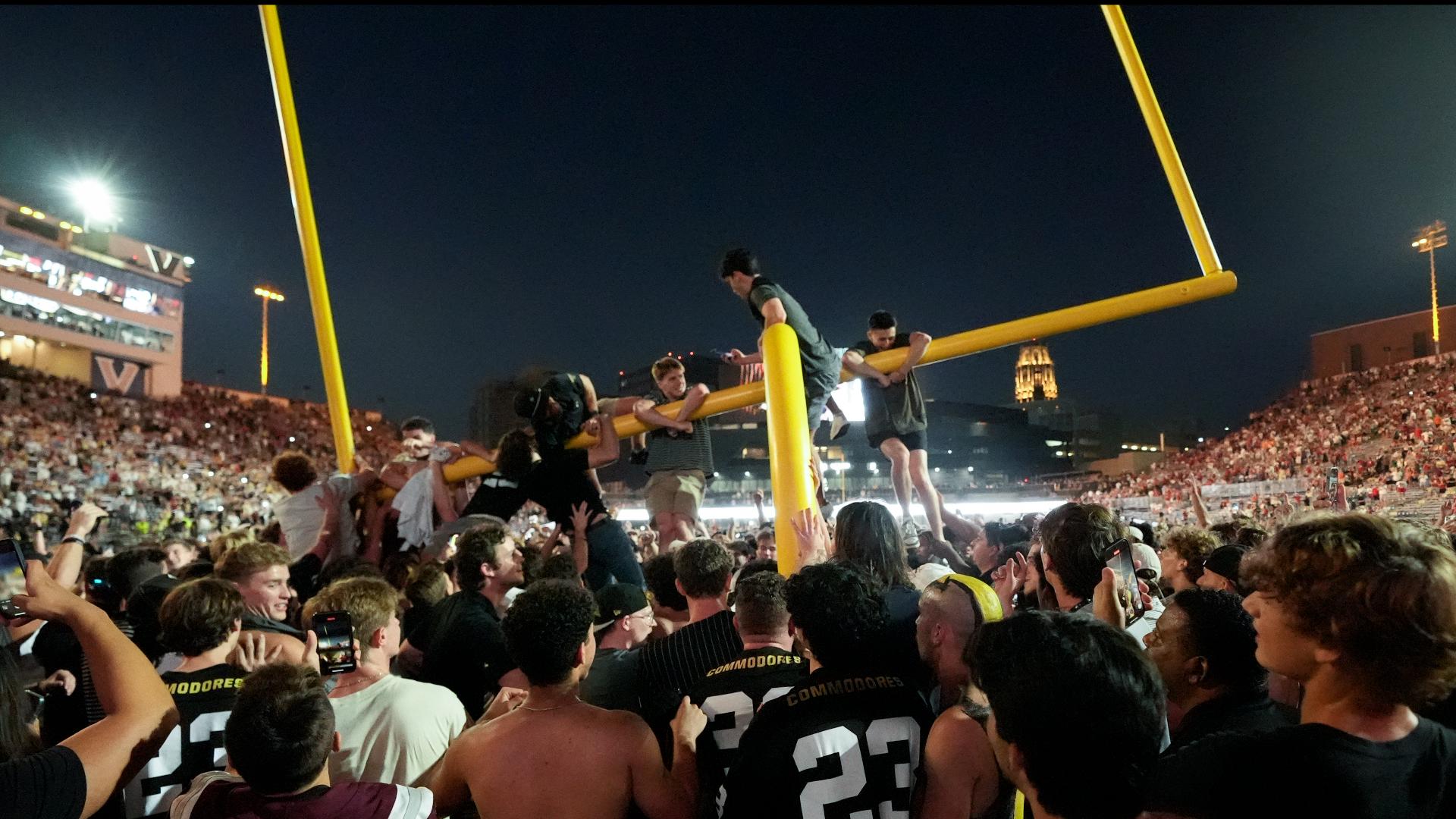
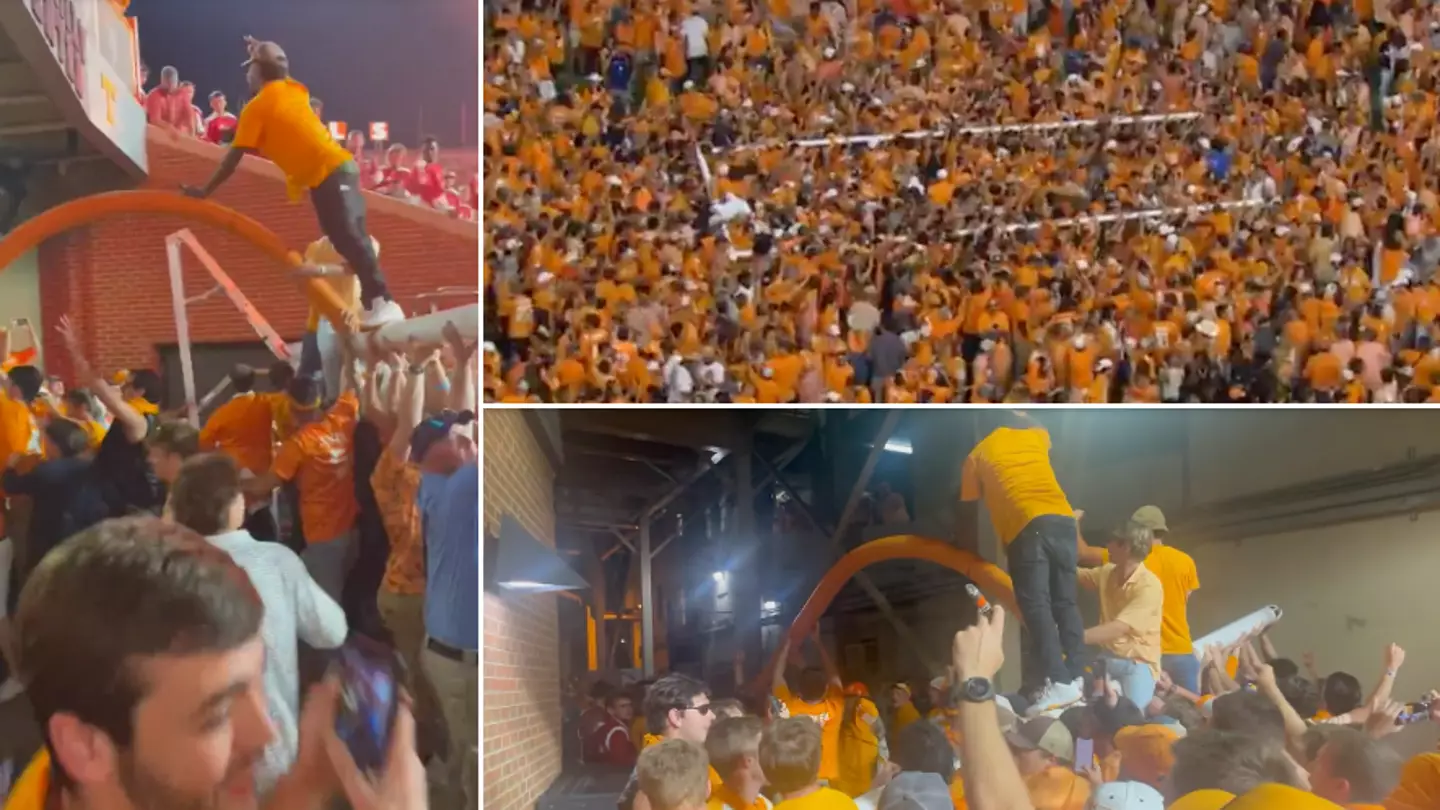
On October 15, 2022, after the Tennessee Volunteers defeated the Alabama Crimson Tide 52-49, thousands of fans stormed the field at Neyland Stadium. They dismantled the south end zone goal posts and carried them out of the stadium, eve...
On October 15, 2022, after the Tennessee Volunteers defeated the Alabama Crimson Tide 52-49, thousands of fans stormed the field at Neyland Stadium. They dismantled the south end zone goal posts and carried them out of the stadium, eventually throwing them into the Tennessee River. This act symbolized the end of a 15-year losing streak and remains a landmark moment in college football history.
Contents
The Context: A Rivalry Reborn
The "Third Saturday in October" is one of the most storied rivalries in the Southeastern Conference (SEC). For over a century, the University of Tennessee and the University of Alabama have battled for regional dominance, a tradition marked by the lighting of victory cigars. However, by 2022, the rivalry had become decidedly one-sided. Under Coach Nick Saban, Alabama had secured 15 consecutive victories over the Volunteers, a drought that spanned three different United States presidencies and multiple coaching changes in Knoxville.
When the 2022 season arrived, the atmosphere in Knoxville was different. Under head coach Josh Heupel, the Volunteers had developed a high-octane offense led by quarterback Hendon Hooker. Heading into the matchup, both teams were ranked in the top 10, making it the most significant iteration of the rivalry in decades. The tension culminated in a 52-49 victory for Tennessee, decided by a 40-yard "knuckleball" field goal by kicker Chase McGrath as time expired.
The resulting field storming was not merely a celebration of a single win; it was the release of 15 years of frustration. As the orange-clad crowd swarmed the turf, the focus quickly shifted from the players to the stadium infrastructure—specifically, the uprights.
The Anatomy of the Event: Dismantling the Goal Posts
Goal posts in modern Power Five stadiums are designed to be sturdy, often made of heavy-gauge aluminum or steel to withstand high winds and the rigors of the game. However, they are not designed to withstand the synchronized weight and leverage of hundreds of ecstatic fans.
The Physical Removal
Within minutes of the game’s conclusion, fans converged on the south end zone. Using collective weight and rhythmic swaying, the crowd managed to snap the main "gooseneck" support of the goal post. Once the structure hit the ground, it was further broken down into more manageable sections.
Witnesses and social media footage from the night showed fans hoisting the heavy aluminum tubes over their heads. The logistical challenge of moving a 30-foot piece of metal through a crowded stadium concourse is significant, yet the sheer momentum of the crowd pushed the "trophy" through the gates of Neyland Stadium.
The Path to the Water
The geography of Knoxville played a crucial role in what happened next. Neyland Stadium is situated directly adjacent to the Tennessee River, where the "Vol Naval"—a fleet of boats belonging to fans who tailgate on the water—is stationed.
The crowd carried the goal posts out of the stadium’s south side, down the hills of the campus, and onto Cumberland Avenue before turning toward the riverfront. The sight of the orange-and-white-clad masses marching with the uprights became an instant viral sensation. At approximately 10:00 PM local time, the first sections of the goal posts were tossed over the railing and into the Tennessee River, met with a roar from the fans on the banks and the boaters in the water.
Financial and Regulatory Consequences
While the image of the goal posts in the river is immortalized in Tennessee folklore, it came with a significant price tag. The SEC maintains strict policies regarding field storming, primarily centered on the safety of players, coaches, and officials.
SEC Fines and Policy Changes
Immediately following the event, the SEC fined the University of Tennessee $100,000 for the field storming violation. This was Tennessee’s second offense under the policy at that time (the first occurring after a basketball game).
By 2026, looking back at the evolution of these rules, the 2022 incident contributed to a massive overhaul of SEC safety protocols. In 2023, the SEC increased fines exponentially:
- First Offense: $100,000
- Second Offense: $250,000
- Third and Subsequent Offenses: $500,000
Furthermore, the conference began exploring "forfeiture of home-game revenue" as a potential deterrent, though the 2022 Tennessee incident remains the most famous example of a "justified" fine in the eyes of a fan base.
The Cost of Replacement
Replacing a set of professional-grade goal posts is an expensive endeavor. Each set costs approximately $150,000 when accounting for the hardware, shipping, and specialized installation. Following the Alabama game, Tennessee’s athletic department took a unique approach to the expense. They launched a digital fundraising campaign with the tongue-in-cheek headline: "Give the fans what they want."
The university reached its goal within 48 hours, as fans from across the country—and even some rival fans—donated to help cover the costs of the new uprights and the SEC fine.
Comparison of Historic Goal Post Incidents
Tennessee has a history of "losing" its goal posts during major upsets. The 2022 incident was not the first time the uprights ended up in the Tennessee River.
| Year | Opponent | Final Score | Destination of Goal Posts | SEC Fine |
|---|---|---|---|---|
| 1998 | Florida | 20-17 (OT) | Tennessee River | N/A (Rules differed) |
| 2022 | Alabama | 52-49 | Tennessee River | $100,000 |
| 2024 | (Various) | N/A | Secured (Updated Protocols) | Varies |
The 1998 incident occurred after Tennessee defeated #2 Florida, a win that propelled the Volunteers to their last National Championship. The 2022 event was a direct homage to that 1998 celebration, bridging two generations of Tennessee fans.
Recovery and Preservation: Where Are They Now?
A common question in the years following the 2022 game is whether the goal posts were ever recovered from the river. According to reports from the Knoxville Police Department and the Tennessee Valley Authority (TVA), parts of the goal posts were indeed retrieved a few days later.
Leaving large metal structures in a navigable waterway poses a hazard to boat traffic and local wildlife. Divers and recovery teams located the submerged aluminum. While much of the metal was scrapped or recycled, some smaller fragments were preserved by the university or kept as illicit souvenirs by fans who were present at the riverbank.
In the years since, the university has integrated the 2022 victory into the Tennessee Athletics Hall of Fame, showcasing photography and digital media of the night, though the actual "river-soaked" posts are not on formal display.
Engineering for the Future: Collapsible Goal Posts
In the wake of the 2022 season, many universities began investigating the use of collapsible or "removable" goal posts. These systems allow stadium staff to lower the uprights within seconds of the game ending, preventing fans from climbing on them or attempting to dismantle them.
As of 2026, Neyland Stadium and several other SEC venues have evaluated these technologies. The primary goal is safety; when a 500-pound piece of aluminum falls into a crowd, the potential for catastrophic injury is high. While the 2022 Tennessee celebration resulted in no major injuries, it served as a wake-up call for stadium operations teams across the country.
The technical specifications for these newer posts include:
- Hydraulic Hinge Systems: Allowing the main post to fold to the ground.
- Quick-Release Pins: Enabling staff to remove the crossbar before the crowd reaches the end zone.
- Reinforced Concrete Footings: Designed to shear at specific pressure points to prevent the entire foundation from being ripped out.
Frequently Asked Questions
Did Tennessee get in trouble for the goal posts ending up in the river?
Yes, the university was fined $100,000 by the SEC for failing to prevent fans from entering the field. However, there were no known criminal charges filed against fans specifically for the "disposal" of the goal posts in the river, as the university largely treated the event as a celebration rather than an act of malicious vandalism.
How much did it cost to replace the goal posts in 2022?
The total cost for the replacement of the goal posts was approximately $150,000. This included the materials for two new sets (one for the north end zone and one for the south), installation labor, and expedited shipping to ensure the stadium was ready for the next home game.
Has this happened at other schools?
While many schools have had their goal posts torn down (such as Kansas, Iowa State, and Oklahoma State), the tradition of carrying them to a body of water is relatively rare. It is a specific tradition at Tennessee due to the stadium’s proximity to the river. A similar tradition exists at the University of Mississippi (Ole Miss), where fans have historically carried goal posts to "The Grove," though they are rarely submerged in water.
Can you still see the goal posts in the river today?
No. For safety and environmental reasons, the goal posts were recovered by the Tennessee Valley Authority and local authorities shortly after the game. Leaving them in the river would have violated environmental regulations and created a hazard for the "Vol Naval" boats that frequent the area.
What happened to the kicker who made the winning field goal?
Chase McGrath, the kicker who sent the ball through those very goal posts, became an instant legend in Knoxville. His "knuckleball" kick is often cited as one of the most famous plays in Tennessee history. He graduated and moved on from the program, but he is frequently invited back for "VFL" (Vol For Life) events.
Practical Recommendations for Fans
If you are attending a high-stakes game at Neyland Stadium or any major collegiate venue in 2026, it is important to understand the current landscape of stadium celebrations:
- Safety First: While the 2022 event was iconic, the SEC has significantly increased security presence at the base of goal posts. Attempting to climb or dismantle equipment now carries a much higher risk of ejection or arrest.
- Financial Support: If you wish to support the university's traditions, consider donating to the Tennessee Fund. These funds are used for facility upgrades and to help the athletic department manage the high costs of SEC fines.
- Respect the Waterway: The Tennessee River is a vital ecosystem. While throwing the goal posts into the river is a part of lore, fans are encouraged to keep the river clean of other debris during celebrations to ensure the "Vol Naval" tradition can continue for decades.
The 2022 Alabama vs. Tennessee game was more than just a football match; it was a cultural reset for a historic program. The image of the goal posts floating in the Tennessee River serves as a permanent reminder of the night the "Big Orange" returned to the national spotlight.
Image Gallery