Who Pays for Workers’ Compensation Insurance? Understanding Employer Obligations
In the United States and most developed economies, workers' compensation insurance premiums are paid exclusively by the employer. It is a strictly employer-funded system designed to provide medical benefits and wage replacement to empl...
In the United States and most developed economies, workers' compensation insurance premiums are paid exclusively by the employer. It is a strictly employer-funded system designed to provide medical benefits and wage replacement to employees injured on the job. With very few regional exceptions, employers are legally prohibited from deducting the cost of this insurance from their employees' wages or payroll.
Contents
Workers’ compensation serves as a social contract—often referred to as "The Grand Bargain"—between the business community and the labor force. Under this agreement, employers take on the full financial burden of the insurance premiums. In exchange, they receive protection from most personal injury lawsuits filed by employees. As of 2026, this fundamental structure remains the cornerstone of workplace safety and liability management across nearly every industry.
The Legal Mandate: Why Employers Shoulder the Cost
The requirement for employers to pay for workers' compensation is rooted in state law rather than federal mandates. Each state has its own specific statutes governing how the system is funded and administered. However, the universal theme is that the cost of doing business includes the cost of protecting the human capital performing the work.
The Theory of "The Grand Bargain"
To understand why the employer pays, one must look at the legal immunity provided by the system. Before workers' compensation laws were enacted, an injured worker had to sue their employer and prove negligence to receive any compensation. This was a slow, expensive, and uncertain process for both parties.
By paying 100% of the insurance premiums, the employer gains "exclusive remedy" protection. This means that if an employee is injured, they are entitled to benefits regardless of who was at fault, but they generally cannot sue the employer for additional damages like pain and suffering. The premium is essentially the "price" the employer pays for legal immunity and predictable financial risk.
State-Level Enforcement
Because there is no federal workers’ compensation program for private-sector employees, state agencies—such as the California Department of Industrial Relations or the New York State Workers' Compensation Board—oversee the enforcement of premium payments. These agencies ensure that businesses maintain active policies and that no part of the premium cost is illegally shifted to the workforce.
Calculating the Cost: How Much Do Employers Pay?
While the employer is the one who pays, the amount they pay is not a flat fee. It is a highly technical calculation based on risk, payroll, and historical performance. As we navigate the 2026 fiscal year, insurance carriers utilize sophisticated data modeling to determine rates, but the core formula remains consistent.
The Standard Premium Formula
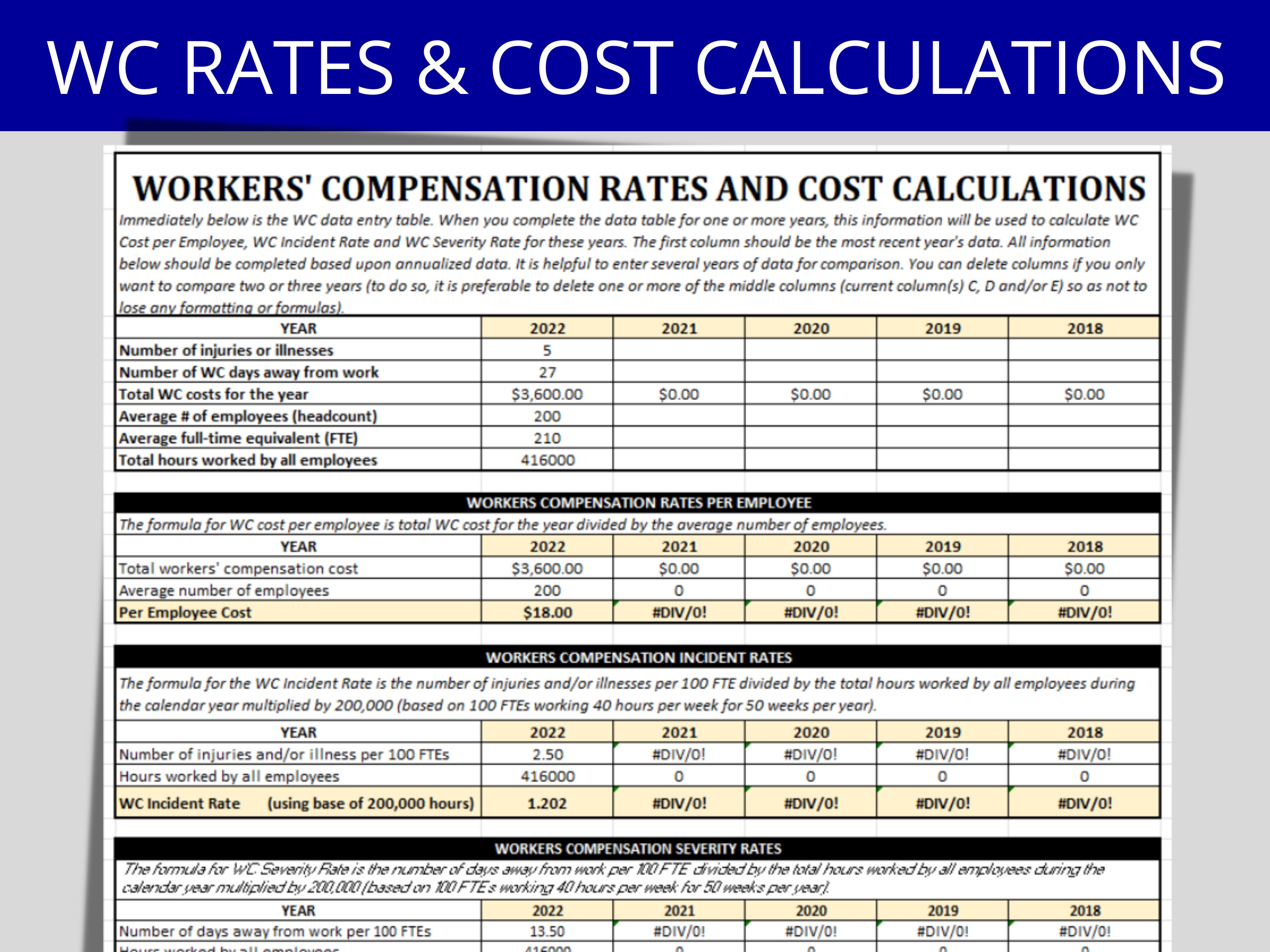
The premium an employer pays is generally calculated using the following components:
- Classification Codes: Every job type is assigned a four-digit "class code" based on its inherent risk. A structural steel worker has a much higher rate than an office receptionist.
- Payroll: Premiums are calculated per $100 of payroll. As payroll grows, so does the insurance expense.
- Experience Modification Rate (MOD): This is a multiplier based on the company’s specific claims history compared to other businesses in the same industry. A safe company with few injuries will have a MOD below 1.0, resulting in a "discounted" premium.
Annual Audits and Adjustments
Because workers’ compensation is tied to payroll, employers pay an estimated premium at the start of the policy year. At the end of the year, the insurance carrier conducts a premium audit. If the employer hired more people than expected, they must pay an additional premium. Conversely, if the workforce shrunk, they may receive a refund. In all these scenarios, the financial transaction remains strictly between the employer and the insurance carrier.
Are There Any Exceptions Where Employees Pay?
While the general rule is that employers pay 100% of the cost, there are rare jurisdictional nuances and specific worker classifications that can blur the lines.
The Washington State Exception
As of 2026, Washington State remains a notable outlier in the U.S. system. Under Washington's "monopolistic" state fund system, employers are permitted to deduct a portion of the Medical Aid Fund premium from employee wages. However, the portion of the premium covering "Stay at Work" and "Supplemental Pension" funds is still predominantly employer-funded. Even in this exception, the employee's contribution is capped and specific to medical costs, not the entire liability coverage.
Independent Contractors and 1099 Workers
A common area of confusion involves independent contractors. Legally, an independent contractor is their own employer. Therefore, they are responsible for paying their own workers' compensation premiums if they choose to carry coverage (or if it is required by a contract).
In 2026, many states have tightened "ABC tests" to prevent businesses from misclassifying employees as contractors to avoid paying premiums. If a worker is legally determined to be an employee, the business must pay the premium, regardless of any previous agreements to the contrary.
The Risks of Shifting Costs to Employees
It is a violation of labor laws in almost every jurisdiction for an employer to ask an employee to contribute to the cost of workers' compensation insurance. If an employer attempts to do this, they face severe legal and financial repercussions.
- Civil Penalties: State boards can levy heavy fines against companies that make illegal payroll deductions.
- Criminal Charges: In some states, intentionally misrepresenting payroll or forcing employee contributions is considered insurance fraud or a felony.
- Loss of Immunity: If an employer fails to properly fund a policy or illegally charges employees for it, they may lose their "exclusive remedy" protection. This opens the door for the employee to sue the employer in civil court for millions of dollars in damages.
Comparison of Funding Responsibilities (2026 Standards)
The following table outlines the breakdown of financial responsibilities for various workplace protections to clarify where workers' compensation fits.
| Type of Protection | Who Pays Premium/Cost? | Employee Contribution? | Purpose |
|---|---|---|---|
| Workers' Comp | Employer | No (Except WA State) | On-the-job injury coverage |
| Health Insurance | Employer & Employee | Often (Shared Premiums) | General medical care |
| Unemployment Ins | Employer | No (Most States) | Income after job loss |
| Social Security | Employer & Employee | Yes (Payroll Tax) | Retirement & Disability |
| General Liability | Employer | No | Third-party property/injury |
How Employees Can Verify Coverage
Since the employer is responsible for payment, employees often wonder how they can be sure a policy is actually in force. In 2026, transparency is higher than ever due to digital verification portals.
- Workplace Postings: Employers are legally required to display a poster in a common area (like a breakroom) that identifies the name of the insurance carrier and the policy number.
- State Databases: Most states provide an online "Coverage Verifier" tool. By entering the business name, an employee can see if the employer has paid their premiums and if the policy is currently active.
- Department of Labor (DOL) Resources: The U.S. Department of Labor provides a directory of state offices where workers can report employers who are not maintaining coverage or who are attempting to deduct premiums from paychecks.
Factors Influencing Employer Costs in 2026
While the employee does not pay directly, the rising cost of workers' compensation is a significant concern for business owners. Several factors are currently driving these costs:
- Medical Inflation: The cost of surgeries, rehabilitation, and pharmaceuticals continues to rise, increasing the "severity" of claims.
- Mental Health Coverage: More jurisdictions in 2026 are recognizing "mental-mental" claims (post-traumatic stress or burnout without a physical injury), which expands the scope of what employers must fund.
- Remote Work Complexity: For companies with a hybrid workforce, employers must pay premiums based on the state where the employee is actually working, not necessarily where the corporate headquarters is located.
Frequently Asked Questions
Can my boss deduct workers' comp from my paycheck?
No. In almost every state, this is illegal. The employer is responsible for the full cost of the insurance as a business expense. If you see a deduction on your paystub labeled "Workers' Comp," you should contact your state's labor department or workers' compensation board immediately.
Do self-employed individuals have to pay for themselves?
Yes. If you are a sole proprietor or an independent contractor, you are essentially both the employer and the employee. While some states do not require self-employed people to carry workers' comp for themselves, many clients will require a "Certificate of Insurance" before allowing you to start a project.
Is the cost of workers' comp taken out of my settlement?
No. If you are injured and receive a settlement or benefits, the cost of the insurance premiums previously paid by the employer cannot be "recouped" from your award. However, your lawyer's fees and any unpaid medical liens may be deducted from a final settlement amount.
Does the federal government pay for workers' comp?
Generally, no. The federal government only pays for workers' compensation for its own employees (via the Federal Employees' Compensation Act) and for specific industries like coal mining (Black Lung Benefits Act) or longshoremen. For the vast majority of private-sector jobs, the private employer pays through a private insurance company or a state-funded pool.
Can an employer pass the cost to customers?
While an employer cannot charge an employee, they frequently "pass through" the cost of insurance to their customers by raising the prices of their goods or services. This is a legal and standard accounting practice where the cost of insurance is treated like any other overhead expense, such as rent or utilities.
Recommended Action for Businesses and Employees
For Employers: Ensure your business is correctly classified and that your payroll reporting is accurate. Work with a licensed insurance broker to review your Experience Modification Rate (MOD) annually. Implementing a robust safety program is the most effective way to lower the amount you are required to pay.
For Employees: If you suspect your employer is illegally deducting insurance costs from your wages, document your paystubs and consult with an employment attorney or your state's Workers' Compensation Board. You are entitled to this protection at no direct cost to you.
Image Gallery