What Drives the Homeless Problem in San Francisco?
The homelessness crisis in San Francisco is driven by a complex intersection of extreme housing unaffordability, systemic failures in social safety nets, and a critical shortage of behavioral health resources. While individual factors...
The homelessness crisis in San Francisco is driven by a complex intersection of extreme housing unaffordability, systemic failures in social safety nets, and a critical shortage of behavioral health resources. While individual factors like job loss or substance use are often visible, the underlying engine is a severe structural gap between the cost of living and stagnant wages for lower-income residents.
Contents
The visibility of homelessness in San Francisco often leads to a search for a single cause. However, data from the San Francisco Department of Homelessness and Supportive Housing (HSH) and research from the UCSF Benioff Homelessness and Housing Initiative suggest that the problem is an ecosystem of failures. As we navigate the landscape in 2026, understanding these drivers requires looking past the street-level symptoms to the systemic "upstream" factors that push people out of stable housing.
The Primary Driver: The Housing Affordability Gap
The most significant predictor of homelessness in any American city is not the rate of mental illness or drug use, but the cost and availability of housing. In San Francisco, this gap has reached a breaking point.
Median Rent vs. Low-Wage Income
San Francisco consistently ranks as one of the most expensive housing markets in the world. When the cost of a modest studio apartment exceeds the total monthly take-home pay of a full-time minimum-wage worker, the margin for error disappears. A single missed paycheck, a medical emergency, or a car repair can lead directly to an eviction notice.
Research has shown a direct correlation between rent increases and homelessness rates. A study by the U.S. Government Accountability Office (GAO) found that a $100 increase in median rent is associated with a 9% increase in the homelessness rate. In San Francisco, where rents have fluctuated but remained historically high through 2026, the "rent burden"—defined as paying more than 30% or 50% of income on housing—affects a vast majority of the city's lower-income population.
The Shortage of Affordable Supply
The "inventory crisis" is a structural driver. For decades, San Francisco has failed to build enough housing to keep pace with job growth, particularly in the tech sector. This lack of supply creates a "musical chairs" effect where those with the least economic power are left without a seat. The city's rigorous zoning laws, historical preservation requirements, and high construction costs make it difficult to develop the high-density, low-income housing units necessary to stabilize the population.
Systemic Failures in Social Safety Nets
Homelessness is frequently the result of a "exit" from another system that failed to provide a soft landing. Many individuals experiencing homelessness in San Francisco are survivors of systemic institutional gaps.
The Foster Care-to-Homelessness Pipeline
A significant percentage of young adults experiencing homelessness in San Francisco have a history with the foster care system. When youth "age out" of the system at 18 or 21, they often lack the financial resources, familial support, or life skills training needed to navigate the city's brutal rental market. Without a robust transition plan, these individuals are high-risk candidates for chronic homelessness.
Re-entry from Incarceration
The transition from the carceral system back into the community is another major driver. Individuals leaving jail or prison often face legal barriers to employment and housing. "Ban the Box" initiatives have helped, but the stigma of a criminal record, combined with a lack of immediate transitional housing, means many former inmates are released directly onto the streets. According to the San Francisco 2024 Point-in-Time (PIT) Count, a substantial portion of the unsheltered population reported prior involvement with the justice system.
Veteran Status and Federal Support
While federal programs like HUD-VASH have made strides in reducing veteran homelessness, San Francisco still struggles with a cohort of older veterans who face unique challenges, including PTSD and physical disabilities. The cost of living in the Bay Area often outstrips the value of federal housing vouchers, making it difficult for veterans to find landlords willing to accept their subsidies.
The Role of Behavioral Health and Substance Use
While housing costs provide the "foundation" for the crisis, behavioral health issues act as powerful "accelerants." It is a common misconception that most people become homeless because of drugs or mental illness; rather, these conditions often make it impossible for a person to regain housing once they have lost it.
The Fentanyl Crisis
In 2026, the impact of the synthetic opioid crisis remains a dominant factor in the visibility of street homelessness. Fentanyl has fundamentally changed the risk profile of substance use in San Francisco. The high potency and low cost of the drug lead to rapid cycles of addiction and overdose, which can destabilize even those who were previously "high-functioning" in marginal housing situations. Substance use disorder often functions as both a cause and a consequence of homelessness, as the trauma of living on the street frequently leads individuals to self-medicate.
Deinstitutionalization and Lack of Beds
The historical closure of long-term psychiatric hospitals, which began in the 1960s and 70s, was never met with the promised federal and state funding for community-based care. In San Francisco, there is a chronic shortage of "dual-diagnosis" beds—facilities that can treat both mental health issues and substance use disorders simultaneously. When individuals in crisis are brought to emergency rooms, they are often stabilized and released back to the street because there are no long-term residential treatment slots available.
Comparison of Key Drivers and Impact Levels
To understand the weight of these various factors, it is helpful to look at how they influence the duration and type of homelessness.
| Driver Category | Primary Impact | Duration Factor | Mitigation Strategy |
|---|---|---|---|
| Housing Market | Direct cause of entry into homelessness | Long-term/Permanent | Universal vouchers, zoning reform |
| Economic Shifts | Job loss/Income stagnation | Transitional | Unemployment benefits, job training |
| Behavioral Health | Barrier to maintaining/regaining housing | Chronic | Permanent Supportive Housing (PSH) |
| Systemic Exit | Foster care/Incarceration re-entry | Acute/Early-onset | Discharge planning, transitional housing |
| Health Emergencies | Medical debt/Physical disability | Transitional/Chronic | Medicaid expansion, disability support |
The "Magnet" Theory vs. Reality
A frequent point of debate is whether San Francisco’s services act as a "magnet," drawing homeless individuals from other regions. However, data consistently refutes the idea that most homeless San Franciscans are newcomers.
The 2024 Point-in-Time Count indicated that approximately 70% of people experiencing homelessness in San Francisco were living in the city at the time they lost their housing. An additional 15% were living in other California counties. This suggests that homelessness in SF is primarily a homegrown crisis fueled by the local economy, rather than a result of "migratory" homelessness. The reason people stay in San Francisco—even while homeless—is often because their remaining social networks, family, and potential job leads are located there.
Legal and Policy Drivers
The legal landscape in 2026 has been shaped by significant judicial rulings that influence how the city manages the homeless problem.
The Impact of Grants Pass v. Johnson
The 2024 Supreme Court ruling in City of Grants Pass v. Johnson shifted the legal framework for Western cities. The court ruled that municipal bans on camping in public spaces do not constitute "cruel and unusual punishment," even if the city lacks sufficient shelter beds. In San Francisco, this has led to a more aggressive approach to encampment removals. While proponents argue this improves street conditions, critics point out that clearing camps without providing a permanent housing solution simply moves the "problem" from one block to another without addressing the underlying drivers.
The "Housing First" Debate
San Francisco has long adhered to the "Housing First" model, which prioritizes getting people into permanent housing before addressing secondary issues like sobriety or employment. While evidence shows this is the most effective way to end chronic homelessness, the model faces criticism in 2026 due to the high cost of implementation and the perceived neglect of immediate "shelter-first" options. The tension between building expensive permanent units and providing lower-cost temporary shelter remains a central policy friction point.
Frequently Asked Questions
Is the homeless problem in San Francisco getting worse?
While the Point-in-Time counts show fluctuations, the visibility of the problem often increases even when total numbers stabilize. This is due to the lack of indoor shelter space, causing more people to reside on sidewalks. As of 2026, the city has increased its permanent supportive housing stock, but the rate of people entering homelessness continues to keep pace with those being housed.
Why doesn't the city just build more shelters?
Shelters are a temporary fix, not a solution to homelessness. While San Francisco has expanded its "Navigation Centers," these facilities are expensive to operate and do not move people into permanent homes. The city's strategy in 2026 focuses on a balance between emergency shelter and long-term permanent supportive housing, but budget constraints often force a choice between the two.
How much does San Francisco spend on homelessness?
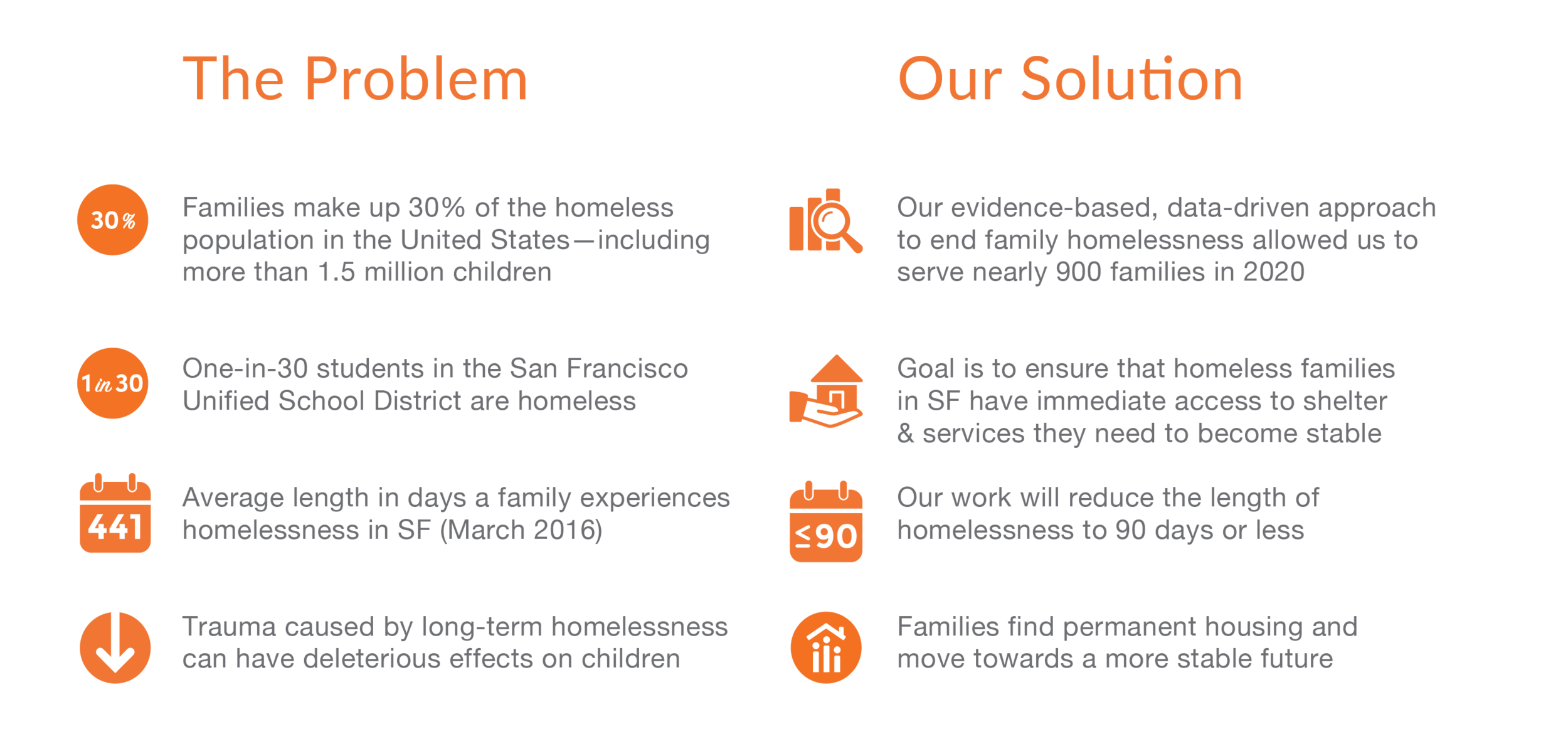
The city spends over $600 million annually on homelessness and supportive housing services. However, a large portion of this budget is dedicated to keeping formerly homeless people housed in supportive units. Without this spending, the number of people on the streets would be significantly higher.
Does drug legalization or decriminalization drive homelessness?
There is no direct evidence that decriminalization itself drives homelessness. However, the open-air drug markets in certain neighborhoods, like the Tenderloin, create a high-risk environment for those already experiencing homelessness. The driver is not the legal status of the individual, but the lack of accessible, low-barrier treatment options for those in the grips of addiction.
What is the difference between "unsheltered" and "sheltered" homelessness?
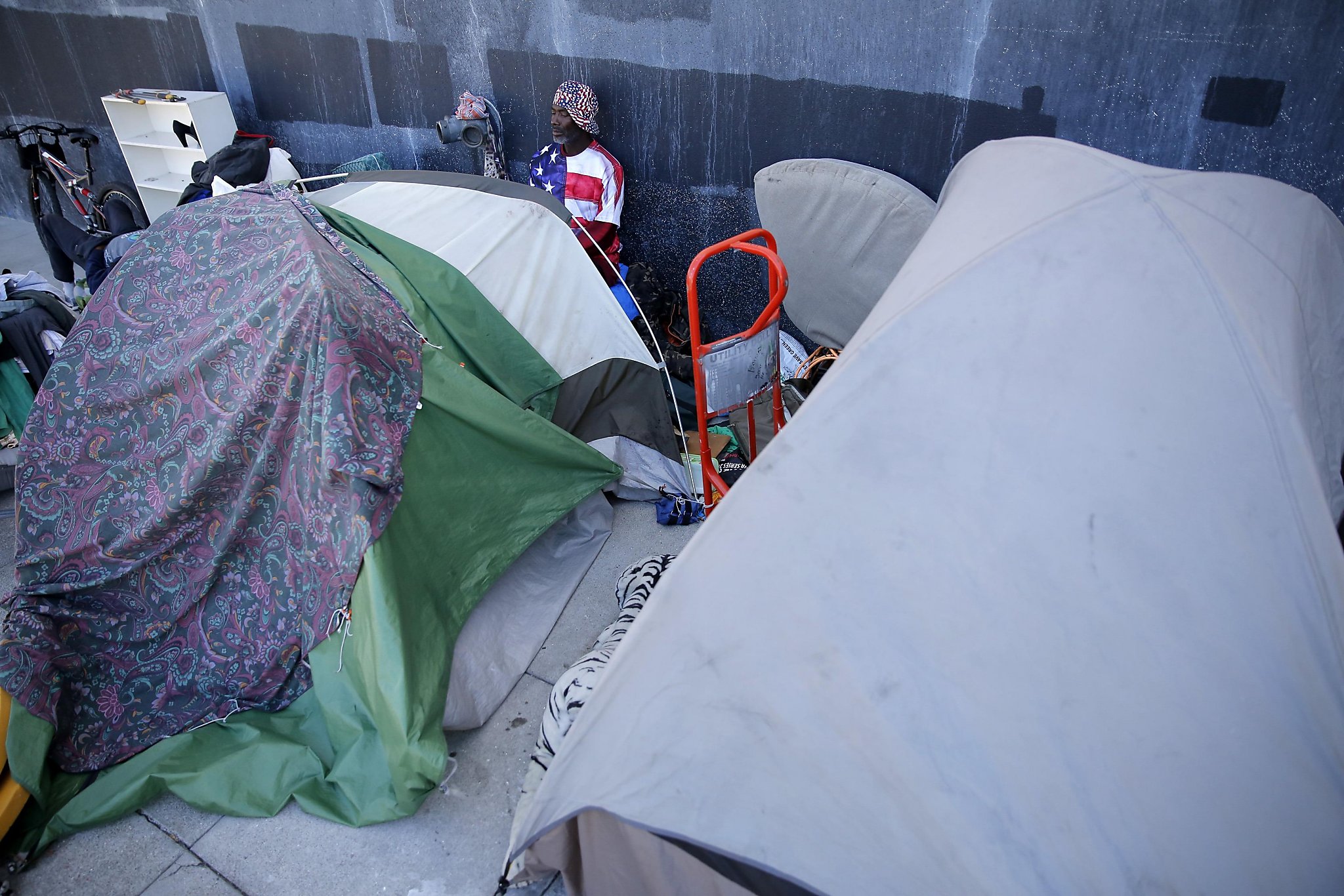
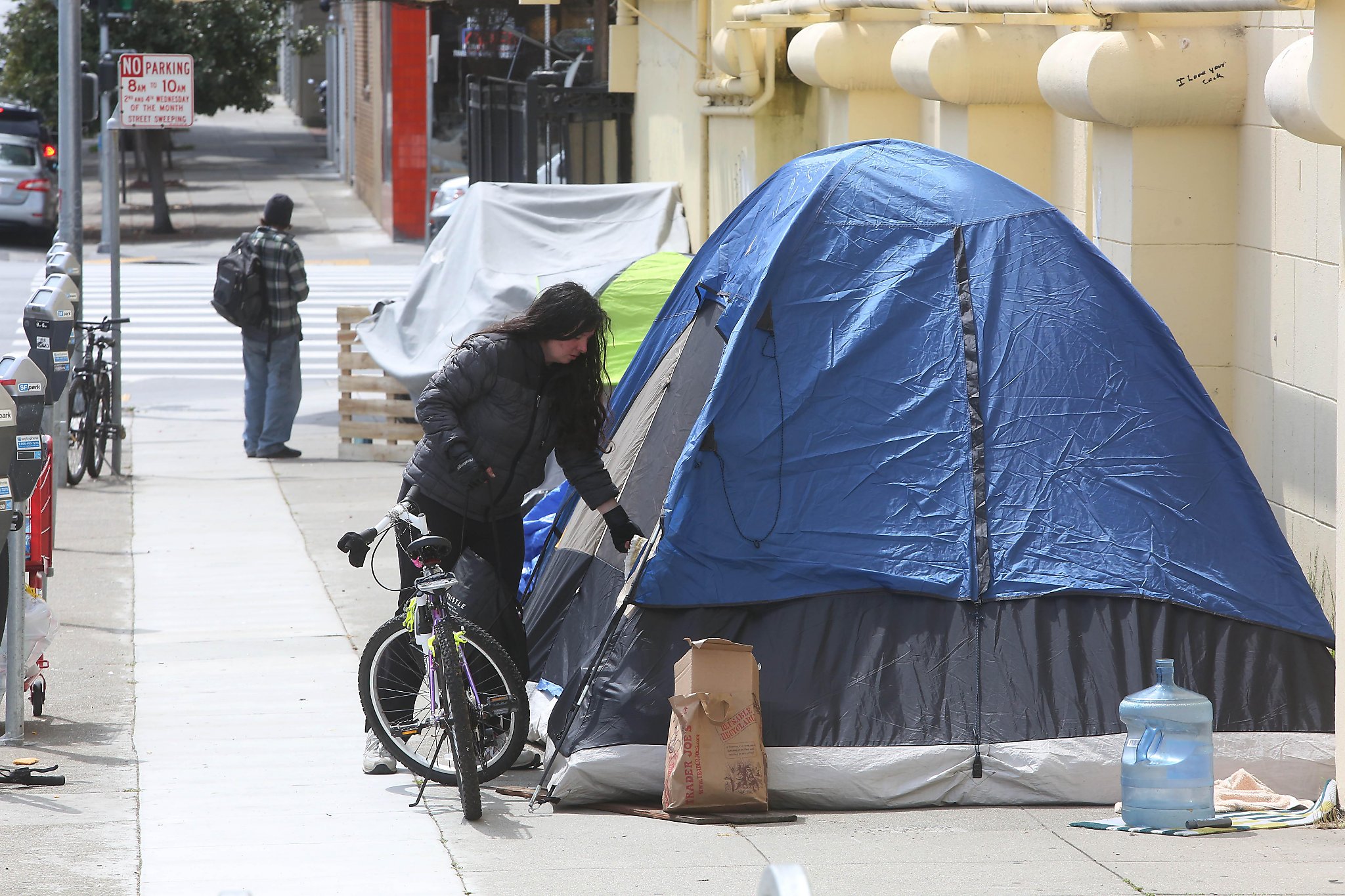
Unsheltered homelessness refers to people living on the streets, in cars, or in parks. Sheltered homelessness refers to those staying in emergency shelters or transitional housing. San Francisco has a higher percentage of "unsheltered" residents than many other major cities because its shelter system has historically been unable to meet the total demand.
Recommendations for Moving Forward
Solving the homelessness crisis in San Francisco requires a multi-pronged approach that addresses both the immediate need for order and the long-term need for stability.
- Massive Zoning Reform: To lower the floor of the housing market, San Francisco must continue to streamline the production of "missing middle" and low-income housing. Reducing the bureaucratic hurdles for 100% affordable projects is essential.
- Expanded Behavioral Health Intervention: The city must move toward a system of "assertive community treatment," where mental health professionals engage with individuals on the street and have the immediate authority to place them into stabilized clinical settings.
- Prevention and Diversion: It is far cheaper to keep a person in their home than to re-house them once they are on the street. Increasing funding for emergency rental assistance and legal representation in eviction court is a high-ROI strategy.
- Regional Cooperation: San Francisco cannot solve a regional housing crisis alone. 2026 policy must focus on "fair share" housing goals for neighboring Silicon Valley and North Bay counties to ensure the entire region is absorbing the housing demand generated by its job growth.
Image Gallery