2018 Toyota Prius Eco Efficiency and Design Overview
The 2018 Toyota Prius Eco represents a high-water mark for mainstream automotive efficiency, utilizing the Fourth Generation Toyota New Global Architecture (TNGA) platform to achieve an EPA-estimated 56 mpg combined while introducing a...
The 2018 Toyota Prius Eco represents a high-water mark for mainstream automotive efficiency, utilizing the Fourth Generation Toyota New Global Architecture (TNGA) platform to achieve an EPA-estimated 56 mpg combined while introducing a polarizing, aerodynamic exterior design and a modernized cabin layout.
Contents
Introduction to the 2018 Toyota Prius Eco
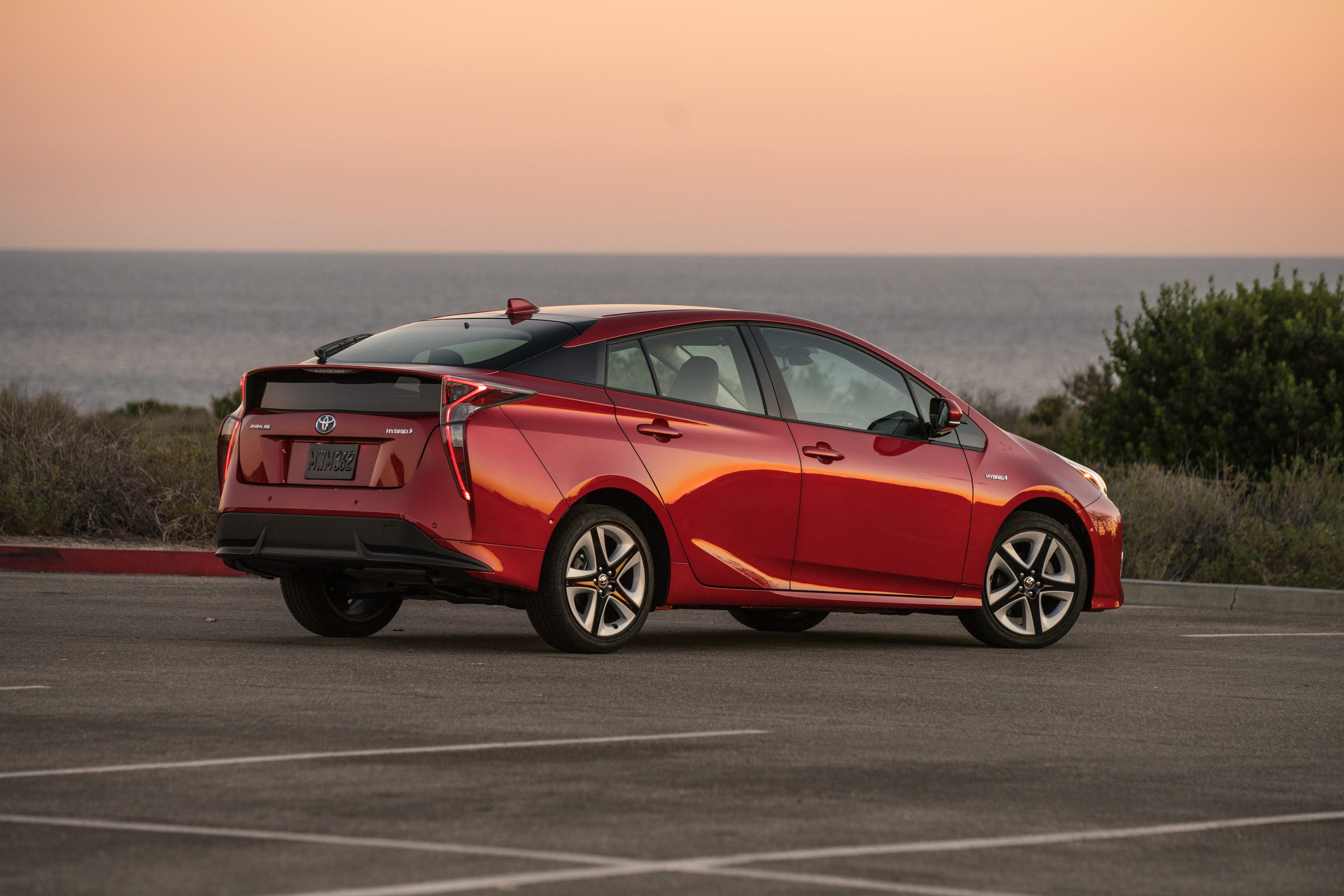
When evaluating the fourth-generation Toyota Prius lineup, the Eco trim stands out as the ultimate expression of hyper-miling engineering within the traditional hybrid segment. Introduced for the 2016 model year and continuing steadily through 2018, this iteration moved away from the quirky, upright profile of its predecessors in favor of a sweeping, fastback silhouette designed to cheat the wind.
For buyers navigating rising fuel costs or seeking a reliable daily commuter, understanding the nuances of the 2018 Prius Eco requires looking past the surface styling. This model variant achieves its class-leading fuel economy through specific weight-saving measures, low-rolling-resistance tires, and an optimized powertrain calibration. Examining its mechanical foundation, aerodynamic profile, interior ergonomics, and real-world efficiency helps prospective owners determine if this specialized hybrid aligns with their driving demands.
Evolution of the Fourth-Generation Platform
The architectural backbone of the 2018 Toyota Prius Eco is the Toyota New Global Architecture (TNGA) platform. This foundational shift transformed how the vehicle drove, handled, and absorbed impacts compared to the third-generation models.
TNGA Platform and Structural Rigidity
The transition to the TNGA platform lowered the vehicle's center of gravity by over an inch and increased torsional rigidity by approximately 60 percent. Engineers achieved this through extensive use of high-strength and ultra-high-strength steels, along with laser-screw welding and structural adhesives in critical load-bearing joints.
For the driver, this structural stiffness translates into a more planted feel through corners and a dramatic reduction in chassis shudder over broken pavement. The battery pack was relocated from the cargo floor area directly beneath the rear seats, which optimizes weight distribution and preserves cargo volume while lowering the overall center of mass.
Suspension Redesign
Replacing the older torsion-beam rear suspension with an entirely new double-wishbone independent rear setup fundamentally changed the driving dynamics of the Prius Eco. Road impacts are handled independently on each side, preventing harsh joltes from transmitting across the cabin. Combined with a retuned front MacPherson strut layout, the vehicle delivers predictable handling characteristics that encourage smooth, momentum-maintaining driving habits essential for maximizing hybrid efficiency.
Powertrain Engineering and Eco-Specific Optimization
At the heart of the 2018 Toyota Prius Eco is a highly refined powertrain that pushes thermal efficiency to remarkable heights.
| Powertrain Component | Specification & Operational Detail |
|---|---|
| Engine Type | 1.8-Liter 4-Cylinder DOHC 16-Valve VVT-i |
| Thermal Efficiency | 40% (Among the highest for production ICE) |
| Electric Motor | Permanent magnet AC synchronous motor |
| Total System Horsepower | 121 hp (90 kW) |
| Transmission | Electronically controlled CVT (e-CVT) |
| Battery Chemistry | Lithium-ion (Eco trim specific) |
| EPA Fuel Economy (Eco Trim) | 58 City / 53 Highway / 56 Combined MPG |
The 1.8-Liter Engine and Hybrid Synergy Drive
The internal combustion engine is a 2ZR-FXE 1.8-liter four-cylinder operating on the Atkinson cycle. By delaying the closing of the intake valves, the Atkinson cycle allows the expansion stroke to be longer than the compression stroke, extracting more energy from the combustion process. This engine achieves a thermal efficiency of 40 percent—meaning 40 percent of the energy in the fuel is converted into mechanical power, an exceptional figure for a mass-market gasoline engine.
The engine pairs with Toyota’s Hybrid Synergy Drive system, which blends power from the gasoline engine and two motor-generators (MG1 and MG2) through a planetary gearset acting as an electronically controlled continuously variable transmission (e-CVT). MG1 acts primarily as an engine starter and generator for the battery, while MG2 drives the wheels and handles regenerative braking, capturing kinetic energy and converting it back into electrical storage.
Why the Eco Trim Achieves Higher Mileage
While standard 2018 Prius models utilize a nickel-metal hydride (NiMH) battery pack, the Prius Eco exclusively features a lighter, more energy-dense lithium-ion battery pack. This weight reduction, coupled with the elimination of the spare tire in favor of a tire repair kit, drops total vehicle weight significantly. Furthermore, the Eco trim comes equipped with lower-rolling-resistance tires and unique aerodynamic underbody panels that smooth out turbulent airflow beneath the car, collectively pushing its EPA rating to an impressive 58 mpg city and 53 mpg highway.
Aerodynamic Exterior Design
The exterior styling of the 2018 Toyota Prius Eco remains one of its most debated characteristics, yet every surface contour serves a functional purpose in reducing aerodynamic drag.
Drag Coefficient and Body Sculpting
With a drag coefficient ($C_d$) of just 0.24, the Prius Eco slices through the atmosphere with minimal resistance. The front fascia features active grille shutters that close when engine cooling needs are low, forcing air smoothly around the body rather than through the turbulent engine bay.
The low-slung hood, steeply raked windshield, and roof peak pushed forward create a teardrop silhouette. Character lines along the flanks channel air away from the rear wheels, while the sharply cut trailing edge of the rear decklid acts as an integrated spoiler, cleanly cutting the airflow off to eliminate suction drag behind the vehicle.
Lighting and Exterior Appointments
The Eco trim features striking, bi-LED projector low- and high-beam headlights alongside distinctive vertical LED accent lights integrated into the bumper corners. The aerodynamic focus extends down to the wheel design; lightweight alloy wheels are paired with aerodynamic covers that minimize air turbulence generated by spinning wheel wells.
Interior Ergonomics, Technology, and Cargo Utility
Inside, the 2018 Prius Eco breaks convention with a futuristic layout centered around a digital instrument cluster mounted high on the dashboard center.
Dashboard Layout and Driver Interface
Rather than traditional analog gauges behind the steering wheel, the Prius places a dual 4.2-inch color multi-information display directly in the center line of sight. This screen communicates real-time hybrid system status, energy flow animations, fuel economy history, and Eco-score metrics designed to train the driver in efficient acceleration and braking habits.
The center console houses the gear selector shifter stub, climate controls, and available infotainment touchscreen systems (Entune Audio). While the piano-black plastic trim around the console looks modern, it is prone to catching dust and fingerprints.
Cabin Space and Cargo Versatility
Despite its sloping roofline, clever packaging ensures generous headroom for front-row occupants and adequate legroom in the rear. Because the lithium-ion battery pack on the Eco model is tucked beneath the rear seat cushion rather than intruding into the cargo area, the vehicle retains the full cargo utility of higher trims.
Folding the 60/40 split-rear seats flat opens up 65.5 cubic feet of total cargo volume. The wide hatch opening and low liftover height make loading bulky groceries, bicycles, or luggage straightforward.
Safety Features and Driver Assistance
Safety is a core pillar of the fourth-generation Prius, with advanced driver-assist systems fitted as standard equipment across the lineup.
Toyota Safety Sense P (TSS-P)
Every 2018 Prius model comes standard with the Toyota Safety Sense P suite, which bundles several active safety technologies:
- Pre-Collision System with Pedestrian Detection (PCS w/PD): Uses forward-facing cameras and millimeter-wave radar to detect vehicles and pedestrians, issuing audio-visual warnings and automatic emergency braking if a collision is imminent.
- Lane Departure Alert with Steering Assist (LDA w/SA): Monitors lane markings and provides steering inputs to help prevent unintentional drift.
- Dynamic Radar Cruise Control (DRCC): Maintains a preset distance from the vehicle ahead, capable of full-speed range following down to a complete stop in traffic.
- Automatic High Beams (AHB): Automatically toggles between high and low beams based on oncoming traffic and preceding vehicles.
These systems work continuously in the background, providing an extra layer of active protection that makes long highway commutes significantly less fatiguing.
Practical Performance, Real-World Driving Dynamics, and Limitations
While the primary mission of the 2018 Toyota Prius Eco is maximum fuel conservation, prospective owners must understand its operational limitations in daily scenarios.
Acceleration and Highway Passing
With a total system output of 121 horsepower, the Prius Eco is tuned for efficiency rather than straight-line performance. Accelerating from 0 to 60 mph takes approximately 10.5 seconds. While around-town throttle response feels snappy due to the instant torque of the electric motor, highway passing requires careful planning. Punching the throttle hard results in a noticeable engine drone as the e-CVT holds the engine at high RPMs to maximize power delivery.
Winter Weather and Tire Considerations
The low-rolling-resistance tires designed to maximize fuel economy sacrifice some mechanical grip in cold, wet, or snowy conditions. Owners living in heavy winter climates will find that swapping out the stock tires for dedicated winter tires drastically improves safety and traction, though it may result in a minor drop in fuel economy during the cold months. Additionally, the lack of a spare tire—replaced by a sealant and inflator kit on the Eco trim—can be a disadvantage when dealing with severe sidewall damage on remote stretches of road.
Frequently Asked Questions
What makes the 2018 Prius Eco different from the standard Prius?
The Eco trim achieves higher fuel economy (58 city / 53 highway mpg) by utilizing a lighter lithium-ion battery pack instead of a nickel-metal hydride battery, adding aerodynamic underbody panels, equipping low-rolling-resistance tires, and omitting the spare tire in favor of a repair kit.
Does the 2018 Toyota Prius Eco have a spare tire?
No. To reduce vehicle weight and maximize fuel efficiency, the Prius Eco replaces the traditional spare tire and jack with a factory-supplied tire repair sealant canister and a 12V air compressor.
How reliable is the 2018 Toyota Prius hybrid battery?
Toyota hybrid batteries are engineered to last the lifetime of the vehicle, often exceeding 150,000 to 200,000 miles without issue. The 2018 model benefits from mature lithium-ion technology backed by federal hybrid component warranties.
Can the 2018 Prius Eco be plugged in to charge?
No. The Prius Eco is a standard self-charging hybrid electric vehicle (HEV). It captures energy through regenerative braking and the gasoline engine, requiring no external electrical plug or home charging station.
Is the 2018 Prius Eco good for long highway road trips?
Yes. Despite its focus on urban fuel economy, the Prius Eco delivers excellent highway range, comfortable seating, and standard adaptive cruise control, making long-distance driving both economical and relaxing.
Conclusion and Next Actions
The 2018 Toyota Prius Eco remains an exceptional engineering achievement for drivers prioritizing minimal fuel consumption, long-term reliability, and low operational costs. To determine if this vehicle fits your lifestyle, verify the service history of any pre-owned candidate, inspect the hybrid battery health report using an OBD-II diagnostic scanner, and test-drive the vehicle on both city streets and high-speed highways to ensure the acceleration profile and ride comfort meet your personal driving preferences.
Image Gallery