Cedar Fair Entertainment Company Net Worth: A Comprehensive 2026 Valuation Analysis
As of 2026, the market capitalization—or "net worth"—of the entity formerly known as Cedar Fair, now the combined Six Flags Entertainment Corporation, is valued between $10.8 billion and $11.5 billion. This valuation follows the landma...
As of 2026, the market capitalization—or "net worth"—of the entity formerly known as Cedar Fair, now the combined Six Flags Entertainment Corporation, is valued between $10.8 billion and $11.5 billion. This valuation follows the landmark 2024 merger of equals between Cedar Fair and Six Flags, creating the largest regional theme park operator in North America.
Contents
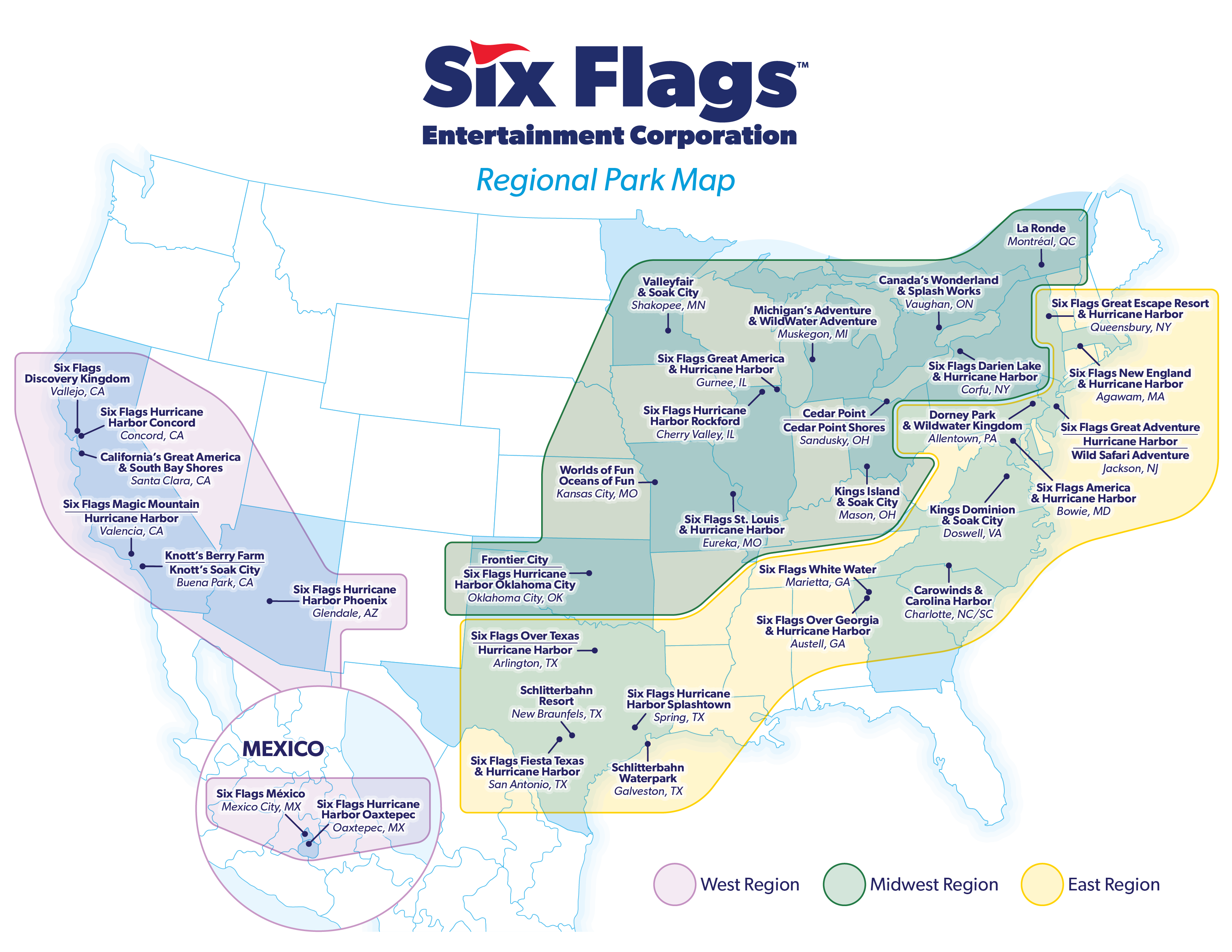
The financial landscape of the amusement park industry shifted dramatically following the 2024 consolidation. To understand the "net worth" of Cedar Fair today, one must look at the combined entity, which trades under the legacy Cedar Fair ticker FUN on the New York Stock Exchange. This valuation is a product of realized synergies, a massive portfolio of 42 parks, and a stabilized post-pandemic consumer environment where "experience spending" continues to outpace traditional retail.
The Evolution of Cedar Fair’s Valuation: From L.P. to Global Leader
For decades, Cedar Fair Entertainment Company operated as a Master Limited Partnership (MLP), a unique corporate structure that required the distribution of most profits to unit-holders. This limited its traditional "net worth" in terms of retained earnings but made it a darling for dividend-seeking investors. The transition to a C-Corp structure during the merger with Six Flags was a pivotal moment for its valuation.
The net worth of the company is no longer just a reflection of its flagship park, Cedar Point, but of a diversified geographic footprint that spans the United States, Canada, and Mexico. By 2026, the company has successfully integrated the operational efficiencies of the Cedar Fair management team with the massive brand recognition of the Six Flags intellectual property.
Market Capitalization vs. Enterprise Value
When discussing "net worth" in a corporate context, it is vital to distinguish between market capitalization (the total value of all outstanding shares) and enterprise value (market cap plus total debt minus cash).
- Market Capitalization: At approximately $11 billion in 2026, this represents the equity value.
- Enterprise Value (EV): Given the combined debt load incurred and refinanced during the merger, the EV of the company sits closer to $19 billion. This reflects the true cost of the business, including the billions of dollars in long-term debt used to maintain and expand the parks' high-capital-intensity attractions.
The Six Flags Merger: A Catalyst for Growth
The primary driver of the company’s current valuation was the $8 billion "merger of equals" finalized in July 2024. This strategic move was designed to combat rising labor costs and the massive capital expenditures required to compete with industry titans like Disney and Universal.
Synergies and Cost Savings
By 2026, the company has realized the majority of its projected $200 million in annual synergies. These savings came from:
- Administrative Consolidation: Merging corporate headquarters and streamlining back-office functions.
- Procurement Power: Using their massive scale to negotiate better rates on everything from food and beverage to rollercoaster components.
- Cross-Pollination of IP: Integrating Six Flags' DC Comics and Looney Tunes licensing into legacy Cedar Fair parks, while applying Cedar Fair's renowned food and beverage excellence to legacy Six Flags locations.
Attendance and Per-Capita Spending
Net worth is intrinsically tied to the "top line" revenue generated by park guests. In 2026, the company sees an average annual attendance of over 48 million guests. More importantly, "in-park per-capita spending"—the amount each guest spends on food, merchandise, and fast-lane passes—has risen by 15% since the merger. This increase is attributed to the implementation of Cedar Fair's "prestige" pass tiers across the entire Six Flags ecosystem.
Key Assets Powering the Net Worth
The valuation of Six Flags Entertainment Corp (formerly Cedar Fair) is anchored by its real estate and intellectual property. Unlike many companies that lease their locations, this entity owns the vast majority of the land beneath its parks, providing a massive tangible asset base.
| Park Name | Location | Primary Value Driver |
|---|---|---|
| Cedar Point | Sandusky, OH | Global "Roller Coaster Capital"; high multi-day resort stays. |
| Knott's Berry Farm | Buena Park, CA | Year-round operations and high-density Los Angeles market. |
| Six Flags Magic Mountain | Valencia, CA | World record holder for most coasters; vital for West Coast presence. |
| Kings Island | Mason, OH | Massive regional draw with award-winning children's areas. |
| Canada's Wonderland | Vaughan, ON | Dominant position in the Toronto market; highest-attended seasonal park. |
| Six Flags Great Adventure | Jackson, NJ | Essential Northeast corridor asset with massive land holdings. |
The Role of Knott’s Berry Farm and Cedar Point
Knott’s Berry Farm remains one of the most valuable single assets in the portfolio due to its year-round operating schedule. Unlike the seasonal parks in the Midwest, Knott's provides consistent cash flow during the first and fourth quarters. Cedar Point, conversely, drives massive "destination" revenue, where guests spend significantly more on hotels and multi-day tickets.
Financial Risks and Valuation Hurdles
While the net worth of the company is substantial, it is not without risks that analysts monitor closely in 2026. The amusement park industry is highly sensitive to external shocks.
- Labor Costs: Minimum wage increases in key states like California (home to Magic Mountain and Knott's Berry Farm) have put pressure on operating margins. The company has countered this by investing heavily in automated kiosks and mobile ordering.
- Climate and Weather: As a seasonal business, the "net worth" can fluctuate based on weather patterns. Extreme heat in the South and Southwest (impacting parks like Six Flags Over Texas) has necessitated investments in indoor attractions and cooling zones to maintain attendance.
- Debt Servicing: The company carries roughly $9 billion in total debt. While interest rates have stabilized by 2026, a significant portion of cash flow must be dedicated to interest payments rather than new "Giga-coasters" or shareholder buybacks.
Comparison with Industry Peers
To put the Cedar Fair/Six Flags net worth into perspective, it is helpful to compare it against the broader leisure industry. While the combined company is the king of regional parks, it still trails the destination giants.
- The Walt Disney Company: With a market cap often exceeding $180 billion, Disney is in a different league, fueled by its media and streaming empire.
- United Parks & Resorts (formerly SeaWorld): Valuation hovers around $3.5 billion to $4.5 billion, focusing more on animal-centric experiences and water parks.
- Comcast (Universal Destinations & Experiences): Universal’s theme park division is a significant contributor to Comcast’s $160 billion+ valuation, particularly with the opening of Epic Universe in 2025.
The Cedar Fair/Six Flags entity occupies a unique middle ground: it provides high-thrill, accessible entertainment that is "closer to home" for the average American than a trip to Orlando or Anaheim. This "moat" protects its net worth during economic downturns when families may trade down from a Disney vacation to a local season pass.
Future Outlook: What Will Drive Valuation Higher?
Looking toward the late 2020s, several factors could push the company’s net worth beyond the $12 billion mark.
- Residential Development: The company owns hundreds of acres of undeveloped land surrounding parks like Kings Dominion and Six Flags Great Adventure. Developing this land into residential or retail spaces (similar to the "Disney Springs" model) could unlock billions in hidden value.
- International Expansion: While currently focused on North America, the combined company has explored licensing its brands for international parks in Asia and the Middle East, which would provide high-margin royalty income without the capital risk of building the parks themselves.
- Digital Transformation: The 2026 rollout of an integrated mobile app that uses AI to optimize guest flow and dynamic pricing has already begun to improve margins by 2% annually.
FAQ
Why is Cedar Fair's net worth often reported as "Six Flags"?
In 2024, Cedar Fair and Six Flags merged. Although the management of Cedar Fair largely took the lead, the corporate name was changed to Six Flags Entertainment Corporation for brand recognition. The stock, however, continues to use the legacy Cedar Fair ticker FUN.
What is the most valuable park in the Cedar Fair/Six Flags portfolio?
Knott’s Berry Farm is often cited as the most valuable asset due to its year-round operation and its location in the lucrative Southern California market. Cedar Point is a close second due to its international reputation and resort infrastructure.
Does the company own the land their parks are on?
Yes, for the majority of their locations, the company owns the fee-simple interest in the land. This is a major component of their "net worth," as it provides a tangible asset base that is often undervalued on the balance sheet compared to its current market real estate value.
How much debt does the company have in 2026?
The combined entity holds approximately $9 billion in net debt. Managing this debt is a primary focus for the CFO, as interest payments are a significant line item in the annual budget.
Is the company still paying dividends?
Yes, following the merger and the transition to a C-Corp, the company reinstated a dividend policy. However, the yield is generally lower than the old MLP days, as the company now prioritizes debt reduction and capital investment in new rides.
Practical Recommendation for Investors and Analysts
When evaluating the Cedar Fair Entertainment Company net worth (now Six Flags Entertainment Corp) in 2026, focus on Adjusted EBITDA and Free Cash Flow rather than just the stock price. The company's ability to generate cash from its 42 properties while managing a heavy debt load is the true indicator of its long-term health. For those looking at the "bottom line," keep an eye on the Per-Capita Spending metrics; if the company can continue to convince guests to spend more on food and skip-the-line passes, the equity valuation has significant room to grow toward the $13 billion range by 2030.
For more detailed financial filings and quarterly earnings reports, visit the official Six Flags Investor Relations page or search for the "FUN" ticker on the SEC EDGAR database.
Image Gallery