Why Syrian Refugees in Lebanon Require Permanent and Secure Housing Solutions
Syrian refugees in Lebanon require permanent housing to end a decade-long cycle of displacement characterized by extreme poverty, health risks, and legal insecurity. Durable housing solutions provide the stability necessary for physica...
Syrian refugees in Lebanon require permanent housing to end a decade-long cycle of displacement characterized by extreme poverty, health risks, and legal insecurity. Durable housing solutions provide the stability necessary for physical safety, psychological recovery, and economic self-sufficiency, transitioning families from precarious informal settlements to dignified, rights-based living conditions.
Contents
The Protracted Crisis: A 2026 Perspective on Housing Insecurity
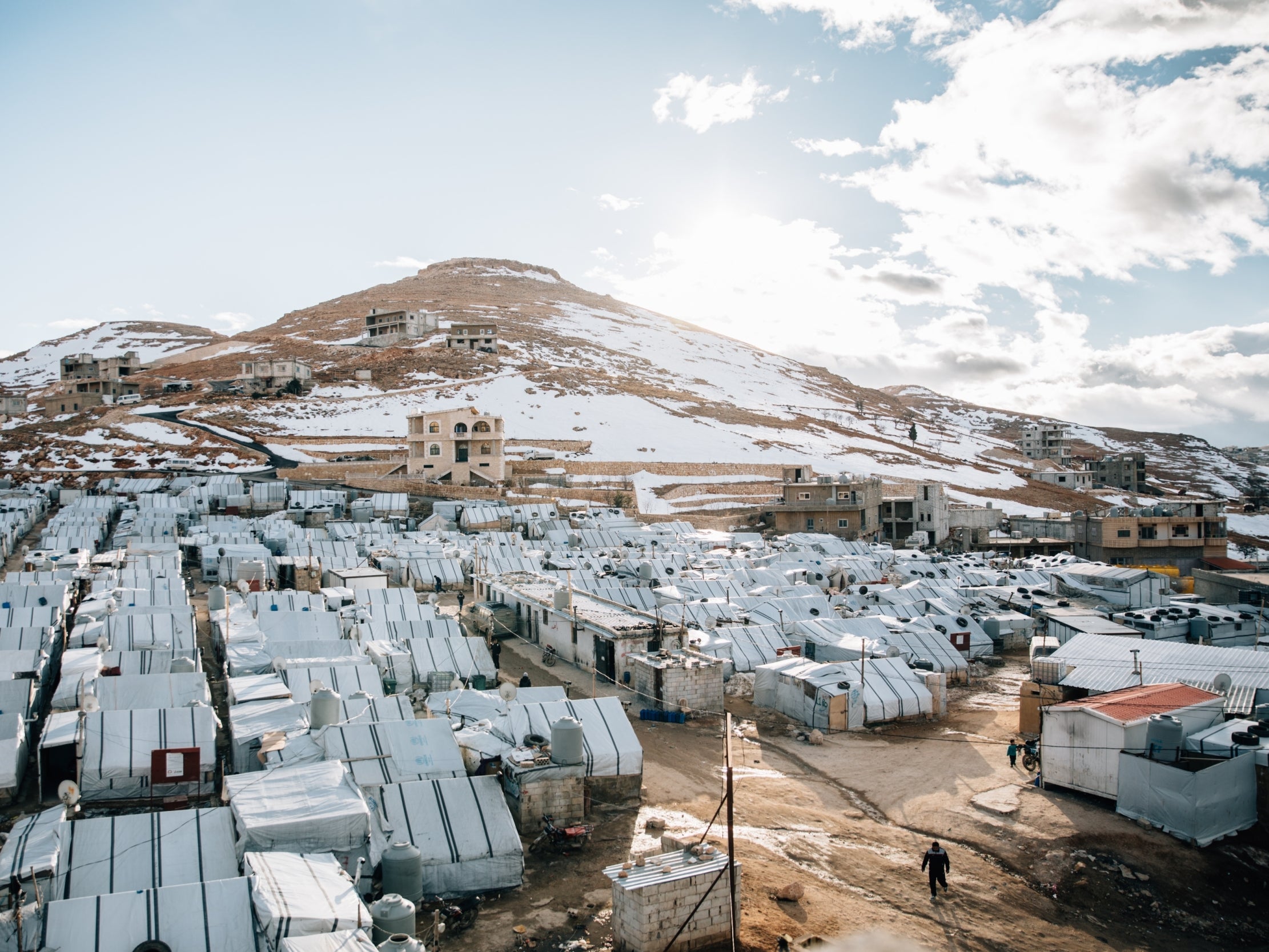
By 2026, the Syrian refugee crisis in Lebanon has entered its fifteenth year, transforming what was once considered a short-term humanitarian emergency into one of the most complex protracted displacement scenarios in modern history. The majority of the estimated 1.5 million Syrian refugees in the country still reside in substandard conditions, primarily in Informal Tented Settlements (ITS) or dilapidated urban rentals. The lack of "permanent" housing—defined here as secure, durable, and legally protected tenure—has become the primary driver of vulnerability.
In the current landscape of 2026, the distinction between "temporary" and "permanent" is no longer just a matter of building materials; it is a matter of survival. While the Lebanese government has historically resisted the establishment of formal camps to avoid permanent settlement (Tawtin), the refusal to transition toward more durable housing models has resulted in a fragmented and hazardous living environment. Refugees are caught in a limbo where they cannot return home due to ongoing security concerns in Syria, yet they cannot find stability in Lebanon due to restrictive housing policies.
The Physical and Structural Hazards of Temporary Shelter
The physical infrastructure of temporary housing in Lebanon is fundamentally inadequate for long-term habitation. Most refugees in rural areas live in shelters constructed from timber frames and plastic sheeting. After years of exposure to Lebanon’s harsh winters and scorching summers, these materials degrade, leading to a host of structural and health-related issues.
Environmental Vulnerability and Climate Impact
Temporary shelters offer little to no insulation. In the Bekaa Valley, where winter temperatures often drop below freezing, the reliance on substandard heating methods—often burning plastic or low-quality fuel—leads to frequent tent fires and severe respiratory illnesses. Conversely, in the summer, the lack of ventilation creates "heat trap" conditions that exacerbate chronic health problems among the elderly and young children. Permanent housing, built with stone or concrete and equipped with proper thermal regulation, is the only way to mitigate these recurring environmental risks.
Sanitation and the WASH Crisis
The "Water, Sanitation, and Hygiene" (WASH) infrastructure in informal settlements is almost entirely reliant on external aid, which has dwindled significantly by 2026. Open pit latrines and unmanaged wastewater systems are common, leading to the contamination of groundwater and periodic outbreaks of waterborne diseases like cholera. Transitioning refugees into permanent housing units connected to municipal sewage and water grids is a public health necessity that protects both the refugee population and the host communities.
The Economic Trap: Rental Debt and Hyperinflation
The housing crisis is inextricably linked to Lebanon’s ongoing economic depression. As of 2026, the Lebanese pound’s volatility and the removal of subsidies have made even the most basic housing unaffordable for the average refugee family.
The Cycle of Debt
Most Syrian refugees in urban areas live in "substandard buildings"—garages, basements, or unfinished construction sites. Despite the poor quality, landlords often demand high rents in USD or the black-market equivalent in local currency. With limited access to the formal labor market, refugees frequently resort to "negative coping mechanisms," such as reducing food intake or withdrawing children from school, just to cover rent. This creates a perpetual cycle of debt that prevents families from ever achieving financial independence.
Eviction and Displacement
Without formal lease agreements, which are difficult for refugees to obtain due to their lack of legal residency, they are highly vulnerable to arbitrary eviction. In 2026, the threat of being rendered homeless with 24 hours' notice is a constant psychological burden. Permanent housing solutions involve "security of tenure"—the legal right to inhabit a space without fear of sudden displacement. This security is the foundation upon which all other forms of socio-economic recovery are built.
Psychological and Social Impacts of Housing Precariousness
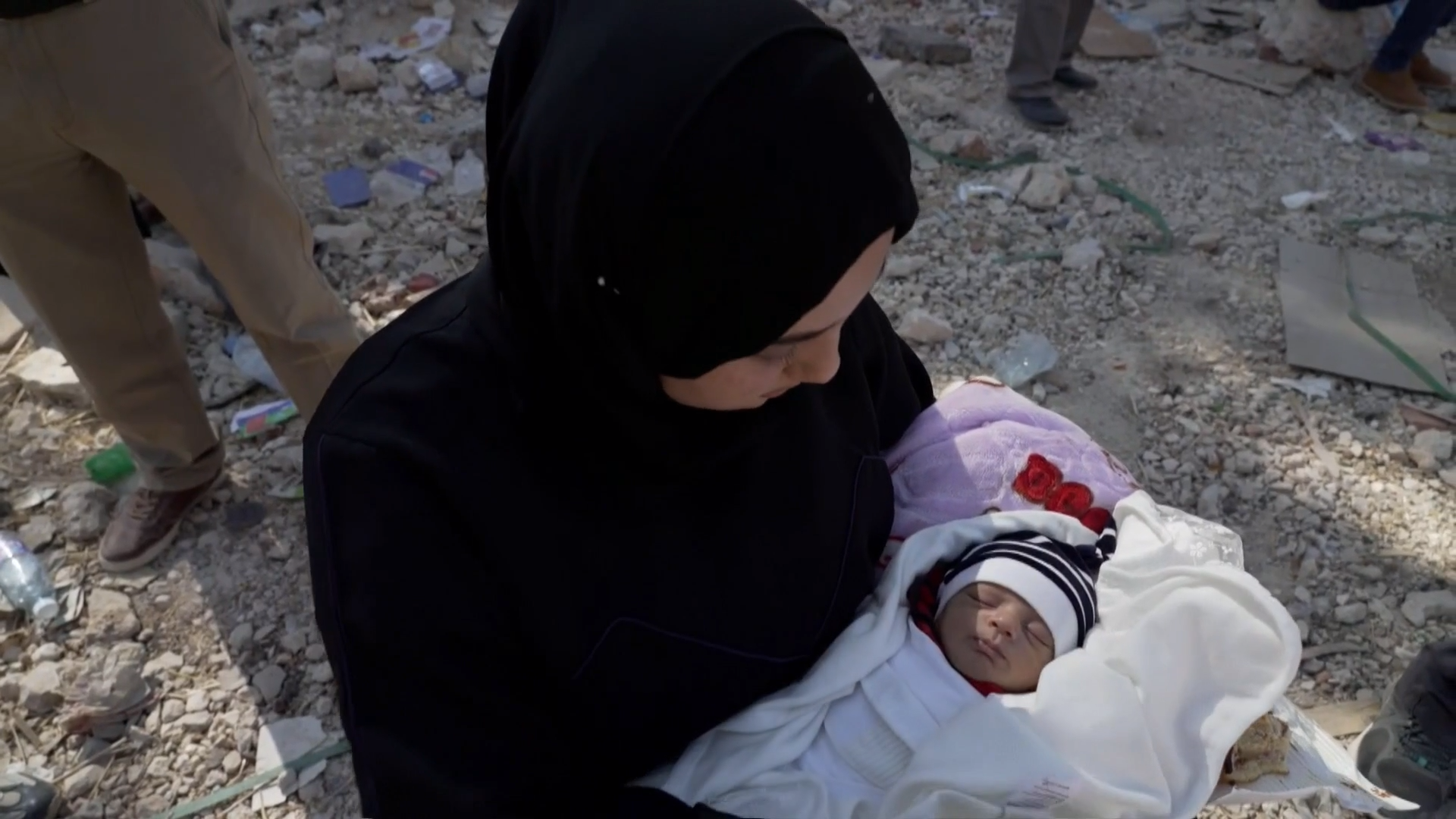
Living in a state of constant transience for over a decade has profound psychological effects. For a generation of Syrian children born in Lebanon, the "home" is a plastic tent or a damp basement. This lack of a stable home environment hinders cognitive development and contributes to high rates of PTSD and anxiety.
Social Integration and Host Community Tensions
The competition for low-cost housing has historically strained relations between Syrian refugees and vulnerable Lebanese citizens. When housing is scarce and unregulated, it drives up prices for everyone, fueling resentment. A move toward permanent, regulated housing projects—which could also benefit vulnerable Lebanese families—reduces this friction. By formalizing the housing sector, the government can manage urban growth more effectively and reduce the "ghettoization" that often occurs in informal settlements.
Legal Barriers and the Need for Policy Reform
The primary obstacle to permanent housing in Lebanon is not a lack of physical space or resources, but rather a rigid policy framework. The Lebanese state maintains a "no-camps" policy and has strict regulations against the use of permanent building materials in refugee settlements.
| Housing Feature | Informal Tented Settlements (ITS) | Substandard Urban Rentals | Permanent/Secure Housing |
|---|---|---|---|
| Durability | Low (Plastic/Wood) | Moderate (Old masonry) | High (Reinforced concrete) |
| Legal Tenure | Non-existent (Landlord whim) | Weak (Oral agreements) | Strong (Registered leases) |
| WASH Access | Trucked water/Pit latrines | Partial municipal access | Full municipal integration |
| Protection | High risk of raids/fires | Risk of eviction/exploitation | Legal protection & privacy |
| Economic Impact | High aid dependency | High rental debt | Potential for stability |
The table above illustrates the stark contrast between current living conditions and the requirements for a dignified life. To address this, the international community and the Lebanese government must negotiate a middle ground: the "Durable Shelter Approach." This involves upgrading existing buildings to meet safety standards and providing multi-year rental subsidies that offer the same stability as permanent housing without requiring a change in the refugee's legal status.
Addressing the "Permanent" Misconception
In the Lebanese political context, the word "permanent" is often conflated with "naturalization" (Tawtin), which is constitutionally prohibited. However, from a humanitarian and technical perspective, permanent housing refers to the quality and security of the dwelling, not the duration of the refugee's stay in the country.
Providing a Syrian refugee with a house made of bricks and a five-year lease does not grant them Lebanese citizenship; it simply ensures they do not die of hypothermia or cholera while they await a safe return to Syria or resettlement in a third country. By 2026, it has become clear that the "temporary" measures implemented in 2011 are no longer fit for purpose. The infrastructure is failing, the funding is exhausted, and the human cost of inaction is rising.
Frequently Asked Questions
Is permanent housing the same as granting refugees citizenship?
No. Permanent housing refers to the physical durability of the structure and the legal security of the lease. It is a humanitarian standard aimed at providing safety and dignity. In Lebanon, citizenship (naturalization) is a separate legal and political process that is not triggered by housing status.
Why can't refugees just return to Syria instead of building houses in Lebanon?
While many refugees wish to return, 2026 data shows that many regions in Syria remain unsafe due to destroyed infrastructure, lack of basic services, and ongoing security risks. Until "Safe, Voluntary, and Dignified" return is possible, housing in the host country must meet basic human rights standards.
How much would it cost to provide permanent housing?
While the initial investment in upgrading buildings or constructing social housing is higher than providing plastic sheets, it is more cost-effective in the long run. Permanent housing reduces the recurring costs of emergency health interventions, fire response, and the annual replacement of temporary materials.
Does the Lebanese government allow permanent construction for refugees?
Currently, Lebanese law strictly limits the types of materials that can be used in refugee settlements. However, humanitarian agencies are working on "upgrading" programs for existing substandard urban buildings, which is a legally permissible way to provide more durable housing.
What happens to the housing if the refugees eventually leave?
If refugees return to Syria or are redistributed through resettlement programs, the improved housing stock remains in Lebanon. This benefits the host country by providing better infrastructure for vulnerable Lebanese citizens and improving the overall quality of the local rental market.
Recommendation for Next Actions
To resolve the housing crisis for Syrian refugees in Lebanon by 2026, a shift from emergency aid to long-term urban planning is required. The international community should prioritize funding for Security of Tenure (SoT) programs. This includes providing legal assistance to help refugees sign formal, multi-year lease agreements and offering financial incentives to Lebanese landlords to renovate substandard buildings to meet minimum habitability standards. Only by securing the right to a safe home can the refugee population begin to rebuild their lives and reduce their reliance on dwindling international assistance.
Image Gallery