A Comprehensive Guide to Game of Thrones Family Names and House Allegiances
The family names in Game of Thrones—often referred to as Great Houses and minor noble houses—serve as the foundational political and social framework for the continent of Westeros. These names, such as Stark, Lannister, Targaryen, and...
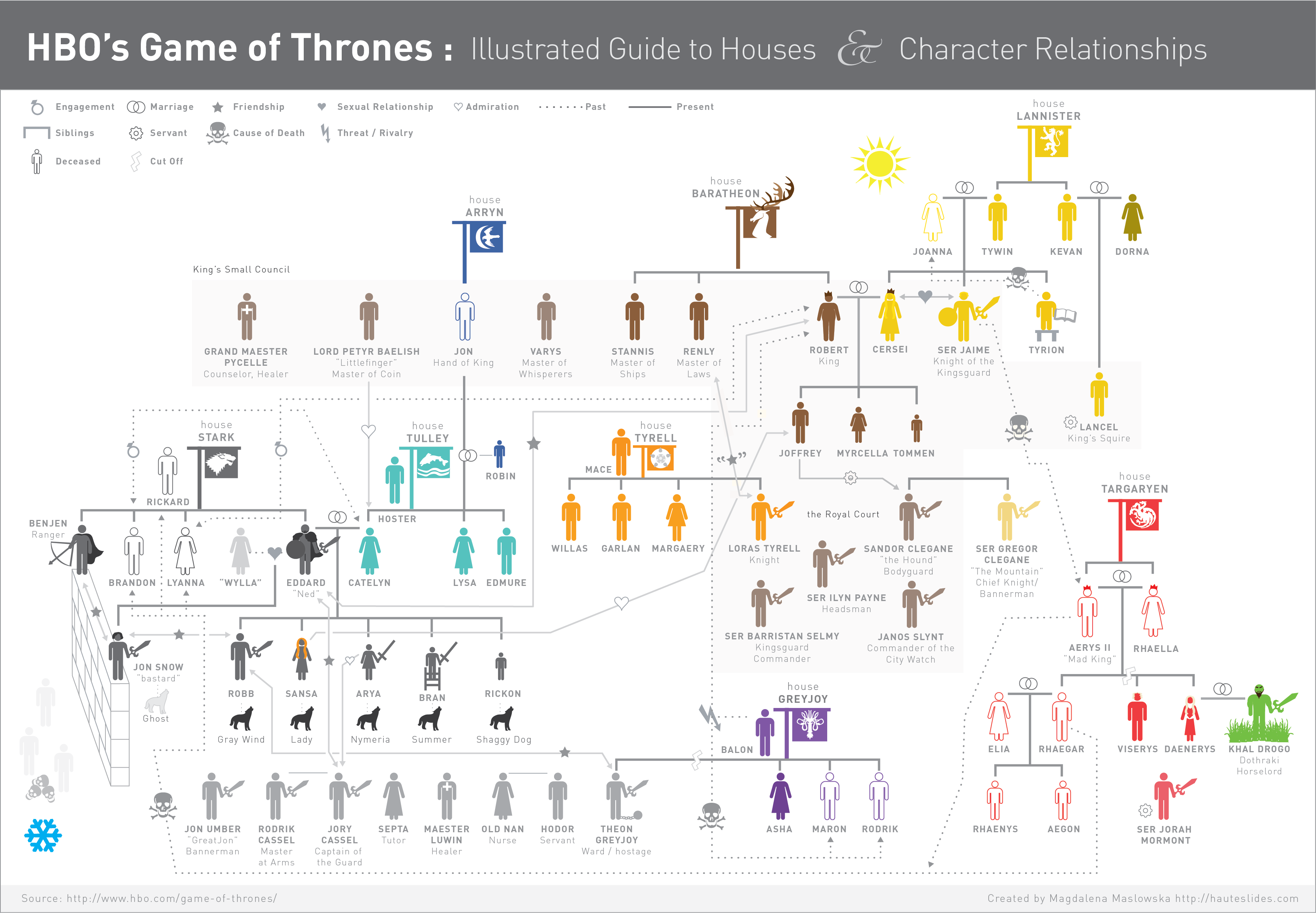
The family names in Game of Thrones—often referred to as Great Houses and minor noble houses—serve as the foundational political and social framework for the continent of Westeros. These names, such as Stark, Lannister, Targaryen, and Baratheon, denote lineage, regional jurisdiction, territorial control, and historical claims to power. Understanding these houses is essential for navigating the complex web of alliances, betrayals, and conflicts that define the narrative landscape created by George R.R. Martin.
Contents
The Significance of House Names in Westeros
In the world of Westeros, a surname is more than a simple identifier; it is a declaration of authority. The social structure is built upon a feudal system where high-born families govern vast regions, manage resources, and command local armies. Each house is defined by its seat of power (its castle or keep), its sigil (the heraldic emblem), and its house words (a motto that reflects the family's ethos or history).
When a character identifies themselves by their family name, they are signaling their place in the hierarchy. For example, a Stark of Winterfell is tied to the harsh, northern climate and the traditional values of the First Men, while a Lannister of Casterly Rock represents immense wealth and influence in the southern territories. The persistence of these names through generations serves as a mechanism to preserve legitimacy in a land where power is frequently contested.
The Great Houses of Westeros
The "Great Houses" are the primary noble families that oversee the major administrative regions of Westeros. These houses owe direct allegiance to the Iron Throne, though their loyalty is often dictated by political necessity and strategic survival.
| House | Regional Seat | Sigil | Regional Association |
|---|---|---|---|
| Stark | Winterfell | Grey Direwolf | The North |
| Lannister | Casterly Rock | Golden Lion | The Westerlands |
| Targaryen | Dragonstone | Red Three-Headed Dragon | Crownlands |
| Baratheon | Storm's End | Black Stag | The Stormlands |
| Tyrell | Highgarden | Golden Rose | The Reach |
| Greyjoy | Pyke | Golden Kraken | Iron Islands |
| Arryn | The Eyrie | White Falcon | The Vale |
| Martell | Sunspear | Red Sun Pierced by a Spear | Dorne |
| Tully | Riverrun | Silver Trout | The Riverlands |
Understanding Regional and Cultural Ties
The regional distribution of these family names is vital for understanding why conflicts emerge. The North, governed by House Stark, is culturally distinct, maintaining ancient traditions like the worship of the Old Gods. Conversely, the Reach, overseen by House Tyrell, is known for its agricultural abundance and chivalric culture, making it a powerful economic player.
Conflicts in Game of Thrones often stem from the friction between these regional identities. When a family name carries a historical grudge or a competing claim to the Iron Throne, the geographical boundaries of their influence determine their military reach and their ability to forge alliances. For instance, the rivalry between the Lannisters and the Starks is not merely personal; it represents a clash between the established southern political centers and the northern traditions.
The Role of Bastardy and Naming Conventions
One of the most unique aspects of the Game of Thrones naming system is the convention for bastards. While legitimate children take their father’s family name, children born out of wedlock are given regional surnames based on where they were raised. This serves as a constant reminder of their lack of inheritance rights and their lower social status.
Common bastard surnames include:
- Snow (The North)
- Rivers (The Riverlands)
- Hill (The Westerlands)
- Flowers (The Reach)
- Pyke (The Iron Islands)
- Sand (Dorne)
- Stone (The Vale)
- Storm (The Stormlands)
- Waters (The Crownlands)
This naming convention allows the reader to immediately identify a character's origins and their social standing, even without explicitly stating their heritage. Understanding these names provides significant context for the motivations of characters like Jon Snow or Ramsay Bolton, whose legitimacy struggles are central to their character arcs.
House Sigils and Mottoes: The Markers of Identity
Beyond the name itself, sigils and mottoes provide the symbolic weight of the family name. A sigil is a visual representation that appears on banners, shields, and wax seals, acting as an institutional brand. The motto, meanwhile, functions as a public mission statement.
For example, House Lannister’s motto, "Hear Me Roar," emphasizes their power, but they are more commonly identified by the unofficial mantra, "A Lannister always pays his debts," highlighting their economic influence. House Stark’s "Winter Is Coming" acts as a grim warning of their focus on survival and preparedness. These elements combine to ensure that a family name is instantly recognizable, whether through a battlefield banner or a diplomatic letter.
Practical Tips for Identifying Houses
When reading or watching the series, it is easy to become overwhelmed by the vast number of houses. To track them effectively, focus on the following:
- Focus on the Seat of Power: Every major house is tied to a specific castle. Memorizing the castle usually clarifies the house's regional politics.
- Follow the Sigils: Visual storytelling relies heavily on heraldry. If a character appears on screen wearing specific colors or emblems, check the house registry to understand their allegiances.
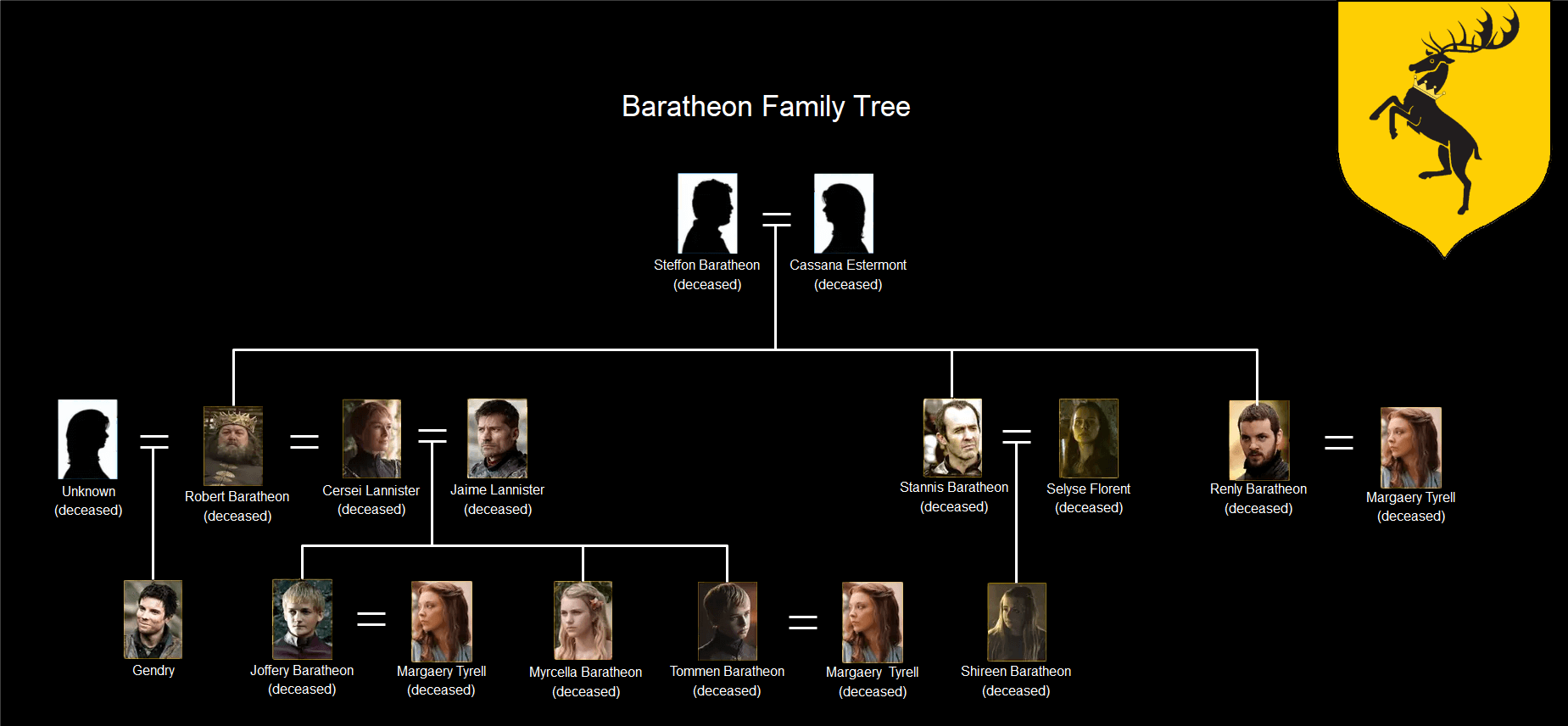
- Map the Alliances: Remember that family names are often bound by marriage. Houses like Tully and Stark, or Baratheon and Lannister, share familial bonds that dictate their political strategies throughout the series.
Frequently Asked Questions
Why are some houses considered "Great Houses" while others are "minor"? Great Houses govern an entire administrative region of Westeros and report directly to the sovereign. Minor houses are vassals, owing allegiance to a Great House rather than the Iron Throne directly.
Do women keep their house names after marriage in Westeros? Generally, women adopt their husband's family name upon marriage. However, in cases of strategic importance or if the woman is the sole heir to her own house, she may keep her original name or dual-name to preserve her family's line.
What happens to a family name when all legitimate heirs die? If a house's line is extinguished, its lands and titles often revert to the crown, which may then grant them to a new family as a reward for service or loyalty.
Are house names inherited through the mother or father? The patrilineal system is standard in Westeros. Legitimate children almost exclusively take the surname of the father.
Next Steps for Enthusiasts
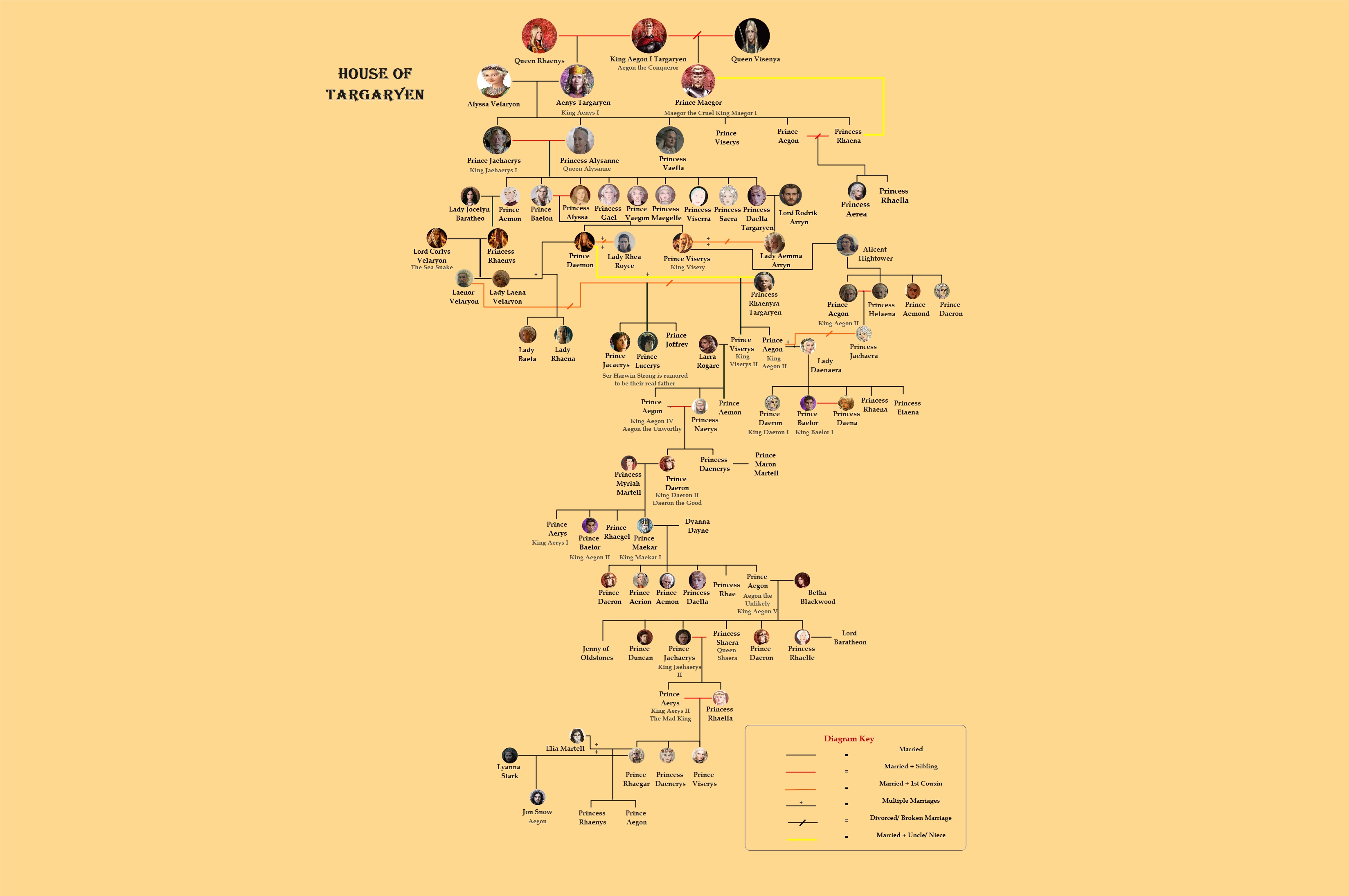
To deepen your understanding of these families, consider exploring the supplementary texts, specifically The World of Ice & Fire. This resource offers extensive genealogical charts that track the history of these family names across centuries. Mapping these lineages against the primary narrative events will provide a clearer picture of how past grievances continue to fuel the power struggles that define the current era.
Image Gallery