Inside Elvis Presley’s Palm Springs House: A Complete History of the Graceland of the West
Elvis Presley’s Palm Springs home, located at 845 West Chino Canyon Road, served as his primary West Coast retreat from 1970 until his death in 1977. Often called the "Graceland of the West," this mid-century estate is a designated his...
Elvis Presley’s Palm Springs home, located at 845 West Chino Canyon Road, served as his primary West Coast retreat from 1970 until his death in 1977. Often called the "Graceland of the West," this mid-century estate is a designated historic site that preserves the King's private desert legacy and unique 1970s interior design.
Contents
The Acquisition of the Chino Canyon Estate
In 1970, Elvis Presley was at a transitional point in his career. Having successfully returned to live performances in Las Vegas, he sought a sanctuary away from the intensity of Memphis and the constant gaze of the Hollywood press. While he had previously leased the "Honeymoon Hideaway" on Ladera Circle, Elvis decided it was time to establish a permanent residence in the desert.
He purchased the property at 845 West Chino Canyon Road for approximately $105,000. The estate, nestled in the exclusive Little Tuscany neighborhood, offered the privacy Elvis craved. The home sat on roughly 1.75 acres of land, perched against the rugged San Jacinto Mountains, providing panoramic views of the Coachella Valley. For Elvis, this house was not merely an investment; it was a home where he could relax with his daughter, Lisa Marie, and host his inner circle, the "Memphis Mafia," in a setting that felt more intimate than his sprawling Tennessee mansion.
Architectural Significance and the Albert Frey Connection
The history of the house begins long before the Presleys arrived. The original structure was designed in 1946 by the renowned desert modernist architect Albert Frey for Jerome Bakewell. Frey is a foundational figure in Palm Springs architecture, known for his ability to blend structures seamlessly into the rocky desert landscape.
However, the house Elvis occupied was significantly larger than Frey’s original vision. Over the decades, various owners added to the footprint. By the time Elvis purchased it, the home had evolved into a 5,000-square-foot residence that combined elements of mid-century modernism with the burgeoning "Spanish Colonial" revival style popular in California at the time. This architectural hybrid created a unique aesthetic: the clean lines and floor-to-ceiling glass of Frey’s influence met the heavy wooden doors and stone accents favored by later decorators.
Inside the House: A Room-by-Room Historical Tour
Stepping inside the Chino Canyon estate is akin to entering a time capsule of the early-to-mid 1970s. Elvis had a very specific taste in decor, often favoring bold colors, plush textures, and functional entertainment spaces.
The Living Area and the "Jungle" Influence
The main living room features massive floor-to-ceiling windows that look out over the pool and the valley. Historically, the room was anchored by a massive, custom-built semi-circular sofa, designed to accommodate large groups of friends. While the "Jungle Room" in Memphis is more famous, the Palm Springs house also featured idiosyncratic touches, including thick shag carpeting and themed wallpaper that reflected the era's fascination with exotic textures.
The Master Suite and the "Presley Room"
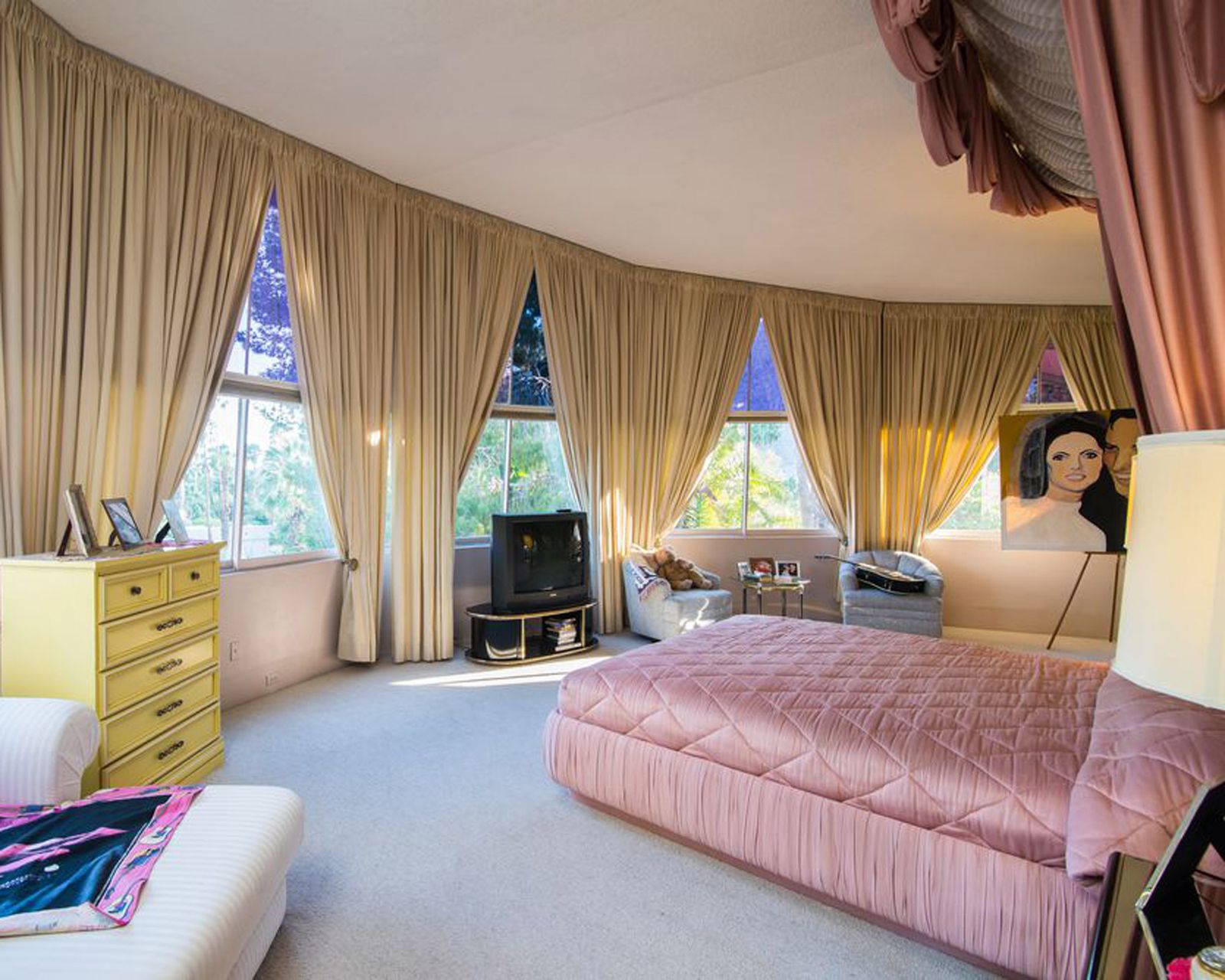
The primary bedroom suite was Elvis’s ultimate sanctuary. It features a sunken bathtub and a bathroom adorned with gold-leaf accents—a hallmark of the King’s preference for opulence. The bedroom was designed with heavy, light-blocking curtains, as Elvis famously preferred to sleep during the day and stay awake throughout the night. Even as of 2026, historical tours often highlight the original sauna and the expansive walk-in closets that once housed his iconic jumpsuits and stage gear.
The Entertainment Hub and Wet Bar
No Elvis home would be complete without a space for hosting. The house includes a large wet bar and a dining area where the Memphis Mafia would gather for late-night meals. The kitchen was frequently staffed by cooks who prepared Elvis’s favorite Southern comfort foods, bridging the gap between his Tennessee roots and his California lifestyle.
Significant Historical Events at Chino Canyon
The Palm Springs house was more than a vacation home; it was a site of significant professional and personal milestones.
One of the most notable events occurred in 1972, when Elvis signed the contract for the legendary "Aloha from Hawaii via Satellite" television special in this very house. This broadcast would eventually reach over a billion viewers, cementing Elvis's status as a global phenomenon. The house also served as a rehearsal space where Elvis would occasionally practice with his musicians in a relaxed environment.
On a personal level, the house was a primary residence for Elvis and Priscilla Presley during the final years of their marriage, and it remained a frequent destination for Lisa Marie Presley. After Elvis and Priscilla divorced in 1973, Elvis continued to use the home as his desert headquarters, often staying there during his West Coast tour breaks or after his Las Vegas engagements.
Comparing the Desert Estate to the Memphis Legend
While Graceland remains the primary site of Elvis pilgrimage, the Palm Springs house offers a different perspective on his life. The following table compares the key characteristics of both properties.
| Feature | Graceland (Memphis, TN) | Chino Canyon (Palm Springs, CA) |
|---|---|---|
| Acreage | 13.8 Acres | ~1.75 Acres |
| Architectural Style | Colonial Revival | Desert Modern / Spanish Fusion |
| Primary Use | Family Estate / Final Resting Place | West Coast Retreat / Working Sanctuary |
| Key Interior Detail | The Jungle Room | The "Presley" Master Suite & Gold Bath |
| Historical Designation | National Historic Landmark | Palm Springs Class 1 Historic Site |
| Vibe | Stately, Southern, Traditional | Private, Modernist, Reclusive |
Ownership and Preservation Post-1977
After Elvis Presley passed away in 1977, the house underwent several changes in ownership. Unlike Graceland, which was opened to the public in 1982 by Priscilla Presley, the Palm Springs house remained a private residence for many years.
It was owned for a period by Frankie Valli of The Four Seasons and later by investors who recognized its historical value. In the early 2000s, the house was restored to reflect its 1970s glory. Efforts by the Palm Springs Modern Committee and local historians eventually led to its designation as a Class 1 Historic Site by the City of Palm Springs. This designation ensures that the exterior of the home and its significant architectural features are protected from demolition or insensitive alterations.
As of 2026, the property is occasionally made available for private tours, photographic shoots, and exclusive events. It remains one of the most sought-after stops for fans participating in the annual "Elvis Week" festivities or those exploring the mid-century modern architecture of the Coachella Valley.
Visiting the House: What to Expect
For those looking to explore the history of Elvis Presley's Palm Springs house, it is important to note that the property is located in a quiet residential neighborhood. Unlike the commercial atmosphere of Memphis, Chino Canyon is a place of pilgrimage that requires respect for the local community.
- Guided Tours: Check with local historical societies or authorized tour operators. Tours are not always daily and often require advanced booking.
- Exterior Photography: Fans are permitted to photograph the exterior gate and the famous "Elvis" signage often displayed, provided they stay on public property.
- Modern Condition: The home has been meticulously maintained to preserve the 1970s aesthetic. Visitors will see original fixtures, the pool where Elvis spent his afternoons, and the mountainous backdrop that defined his California years.
Frequently Asked Questions
Did Elvis Presley actually own the "Honeymoon Hideaway"?
No. The "Honeymoon Hideaway" at 1350 Ladera Circle was a leased property where Elvis and Priscilla spent their first night as a married couple in 1967. The house at 845 West Chino Canyon Road was the only Palm Springs home that Elvis actually owned.
Is the house open to the public for daily tours?
As of 2026, the house is not operated as a high-volume museum like Graceland. It is typically available through specialized historical tours or private events. It is recommended to verify the current schedule with the Palm Springs Bureau of Tourism or the current property management.
What happened to Elvis’s belongings in the Palm Springs house?
Many of the original furnishings were auctioned off over the years, but several key pieces were recovered or recreated during the restoration process to maintain the 1977-era look. Some items are also on loan from the Graceland archives.
Who designed the Palm Springs Elvis house?
The original structure was designed by Albert Frey in 1946. However, it underwent several expansions by different owners before Elvis purchased it in 1970, resulting in its current 5,000-square-foot configuration.
How much did the house sell for after Elvis died?
Following his death, the house was sold by the Presley estate for approximately $385,000 in the late 1970s. Its value has since increased significantly, reflecting its status as a piece of pop-culture history and prime real estate.
Expert Recommendation for Fans and Historians
If you are planning a trip to see the Elvis Presley Palm Springs house, the best approach is to visit during Modernism Week in Palm Springs. During this time, the city celebrates its architectural heritage, and the Chino Canyon house is frequently featured in lectures and exclusive tour circuits. Always ensure you are booking through an official historical partner to ensure the accuracy of the information provided and to support the continued preservation of this landmark.
Image Gallery