Latest YouTube Updates for Creators and Viewers: A Comprehensive 2026 Guide
YouTube has introduced transformative updates in 2026 that redefine content creation and consumption through advanced artificial intelligence, expanded monetization structures, and enhanced viewer interactivity. These changes focus on...
YouTube has introduced transformative updates in 2026 that redefine content creation and consumption through advanced artificial intelligence, expanded monetization structures, and enhanced viewer interactivity. These changes focus on lowering the technical barriers for creators via generative AI tools while providing viewers with a more personalized, accessible, and high-fidelity streaming experience across all devices.
Contents
The Shift Toward AI-Powered Content Creation
The landscape for YouTube creators has undergone a fundamental shift as of 2026. The integration of generative AI is no longer a peripheral feature but a core component of the YouTube Studio ecosystem. These tools are designed to streamline the production pipeline, allowing creators to focus more on strategy and storytelling rather than repetitive technical tasks.
Generative AI Integration: Dream Screen and Beyond
One of the most significant updates for Shorts creators is the full rollout of Dream Screen. This feature allows users to generate AI-driven video backgrounds or even full video segments simply by typing a descriptive prompt. In 2026, this technology has evolved to support high-definition textures and more complex physics, making AI-generated elements indistinguishable from physical sets for many casual viewers.
Beyond aesthetics, the "Inspiration Tab" in YouTube Studio now utilizes predictive analytics to suggest video topics based on real-time search gaps. Instead of generic trending topics, the AI analyzes a creator's specific audience data to identify "content white spaces"—topics that the audience is searching for but for which little high-quality content exists. This helps creators maximize their "Return on Effort" (ROE) by targeting high-demand, low-competition niches.
Aloud: The Death of Language Barriers
YouTube’s AI-powered dubbing tool, Aloud, has expanded its language support significantly. Creators can now automatically dub their videos into over 30 languages with synthetic voices that preserve the original speaker's tone and inflection. This update is crucial for global reach, as it allows a creator in Brazil to find a massive audience in Japan without the prohibitive costs of professional human dubbing. For viewers, this means a more inclusive experience where language is no longer a barrier to accessing specialized knowledge or entertainment.
Enhanced Monetization and Creator Sustainability
As the platform matures, YouTube has diversified how creators earn a living. The 2026 updates emphasize "Fan Funding" and "Social Commerce" over traditional pre-roll advertising, providing a more stable income stream that is less dependent on the volatility of the ad market.
YouTube Shopping and Affiliate Expansion
The YouTube Shopping ecosystem is now a primary revenue driver. In 2026, the "Affiliate Program" has been opened to creators in dozens of new regions, allowing them to tag products directly in their videos. Viewers can complete a purchase via a "side-cart" without ever pausing or leaving the video. This seamless integration uses deep-linking technology to ensure creators receive accurate attribution and commissions, even if the purchase is completed on a different device later in the day.
Revised Shorts Revenue Sharing
Recognizing the dominance of short-form content, YouTube has updated its revenue-sharing model for Shorts. The 2026 framework provides a higher percentage of the "Creator Pool" to those who use original audio and high-engagement elements. This move is designed to discourage low-effort "re-upload" channels and reward creators who invest in unique, high-production-value short-form content.
Redefining the Viewer Experience
For viewers, the 2026 updates focus on "Intelligent Consumption." YouTube is leveraging its data to make the viewing experience more efficient, especially for educational and long-form content.
AI-Enhanced Search and "Ask" Features
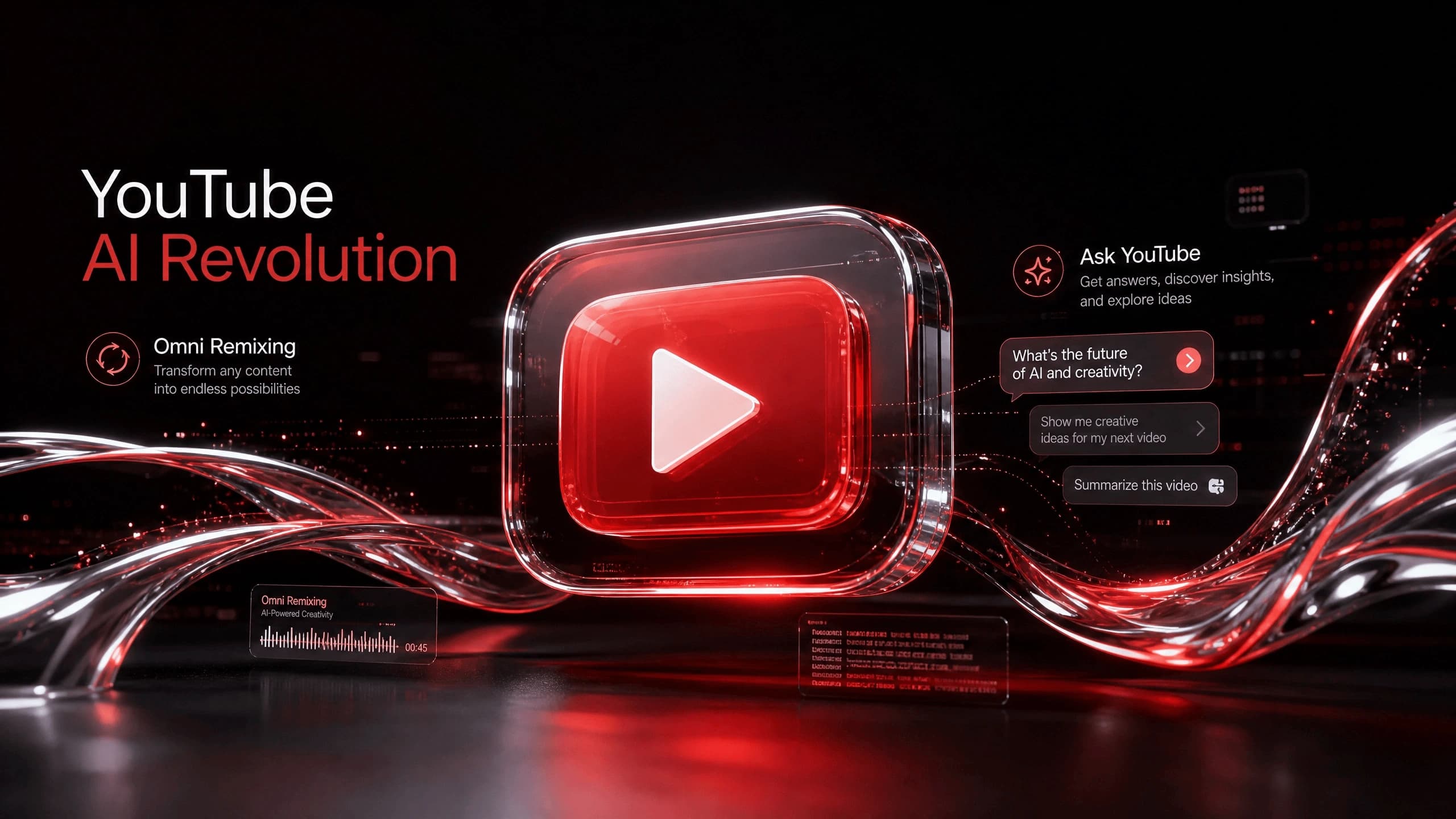
The search bar has evolved into a conversational AI interface. Viewers can now "Ask" questions about a specific video. For example, if watching a 40-minute technical tutorial, a viewer can type, "What tool did he use at the 15-minute mark?" and the AI will provide a text summary and a direct timestamp link. This deep-index search capability processes the video's audio, on-screen text, and visual context to provide instant answers.
Stable Volume and High-Bitrate Options
To improve technical playback quality, YouTube has standardized Stable Volume across all platforms, including the updated 2026 TV app. This feature uses real-time normalization to prevent jarring volume jumps between different videos or between a video and an advertisement. Additionally, the "1080p Premium" enhanced bitrate option has been expanded to 4K, offering a higher-fidelity stream for YouTube Premium subscribers that reduces compression artifacts in high-motion scenes like gaming or sports.
Community and Engagement Tools
YouTube is leaning into its social identity by introducing features that foster deeper connections between creators and their communities.
The "Hype" Feature for Emerging Creators
A standout update in 2026 is the "Hype" button. Unlike the standard "Like" button, "Hype" is a limited-use interaction that viewers can use to support their favorite small-to-mid-sized creators (typically those with under 500,000 subscribers). Videos with high "Hype" scores are featured on a localized "Hype Leaderboard," giving emerging talent a dedicated discovery surface that isn't dominated by the world's largest channels.
Community Hubs and Collaborative Remixing
The Community Tab has been rebranded as Community Hubs, supporting threaded discussions, polls, and "Remix Challenges." Creators can now post "Project Files" or specific stems from their videos, encouraging viewers to create their own versions or responses using built-in mobile editing tools. This creates a feedback loop where the audience becomes a part of the content creation process.
Summary of Feature Availability (2026)
| Feature | Primary Target | Benefit | Availability |
|---|---|---|---|
| Dream Screen v2.0 | Creators | AI-generated high-fidelity backgrounds | Global (Shorts) |
| AI Dubbing (Aloud) | Creators | Multi-language reach without high costs | Selected Regions |
| Conversational Search | Viewers | Search for specific facts within a video | Premium Only |
| Hype Button | Viewers/Creators | Boosts discovery for smaller channels | Global |
| Stable Volume | Viewers | Prevents sudden audio spikes | All Users |
| Inspiration Tab | Creators | Data-driven content gap analysis | YouTube Studio |
Policy, Safety, and Transparency
With the rise of AI content, YouTube has implemented stricter transparency guidelines in 2026. The "Altered Content" label is now mandatory for any video that uses generative AI to create realistic depictions of people or events.
Synthetic Media Disclosures
Creators are required to disclose synthetic media during the upload process. Failure to do so can lead to content removal or suspension from the Partner Program. For viewers, a prominent label appears in the expanded description and, in some cases, as an overlay on the video player itself, ensuring that audiences are aware when they are viewing AI-generated likenesses.
Enhanced Copyright Identification (Content ID 2.0)
The Content ID system has been upgraded to recognize AI-generated "style-alikes." If an AI-generated song mimics the distinct vocal patterns or melodic structures of a copyrighted artist too closely, the system can now flag it for manual review or automated revenue sharing. This protects intellectual property in an era where digital cloning is increasingly common.
Frequently Asked Questions
How do I access the new AI creation tools in 2026?
Most AI tools, such as Dream Screen and the Inspiration Tab, are integrated directly into the YouTube Studio mobile app and desktop dashboard. To use them, ensure your app is updated to the latest version. Some features, like advanced AI dubbing, are being rolled out in phases to creators who meet specific eligibility criteria, such as being in the YouTube Partner Program and having a clean copyright record.
What is the "Hype" button, and how does it differ from a "Like"?
While a "Like" tells the algorithm you enjoyed a video, a "Hype" is a more powerful signal intended to help smaller creators get noticed. Viewers receive a limited number of "Hype" points each week. When a video is "Hyped," it gains points toward the weekly Hype Leaderboard in that creator's country. This is specifically designed to prevent "discovery stagnation" where the same large creators always dominate the trending page.
Can viewers turn off AI-generated features?
Viewers have control over several AI-enhanced viewing features through the "Playback and Performance" settings. While you cannot disable a creator's use of AI backgrounds or dubbing, you can choose whether to see AI-generated summaries or use the conversational search tool. YouTube Premium users have additional controls to opt-in or out of experimental AI features via the "Try New Features" dashboard.
Are the 2026 monetization updates available to everyone?
No, the core monetization features, including YouTube Shopping and the revised Shorts Revenue Sharing, still require membership in the YouTube Partner Program (YPP). The requirements in 2026 generally remain at 1,000 subscribers and 4,000 watch hours (or 10 million Shorts views), though some Fan Funding features like "Super Thanks" may be available at lower thresholds in specific regions to encourage early-stage creator growth.
How does YouTube verify AI-generated content?
YouTube uses a combination of self-disclosure and automated detection. When a creator uploads a video, they must check a box if the content features "altered or synthetic" media that looks real. Additionally, YouTube’s internal "SynthID" watermarking and detection algorithms scan uploads for common markers of AI generation. This dual-layered approach aims to maintain platform integrity while allowing for creative use of new technologies.
Next Actions for Creators and Viewers
For creators, the immediate priority should be exploring the Inspiration Tab in YouTube Studio. Identifying content gaps early in 2026 will allow you to capture emerging audiences before the niches become saturated. Additionally, if you have a global audience, begin testing the Aloud dubbing features to see which secondary languages offer the highest growth potential for your specific content type.
For viewers, the best way to utilize these updates is to engage with the Community Hubs of your favorite channels. Using your "Hype" points on deserving, smaller creators ensures a diverse and vibrant ecosystem. If you are a student or a professional using YouTube for learning, familiarize yourself with the Conversational Search tools to significantly reduce the time spent scrubbing through long-form videos for specific information.
Image Gallery