The Oldest Known Dog: Historical Records, Longevity Science, and Verification Standards
The oldest dog ever officially verified by Guinness World Records is Bluey, an Australian Cattle Dog from Victoria, Australia, who lived for 29 years and 5 months (1910–1939). While a 2023 claim for a Portuguese dog named Bobi reached...
The oldest dog ever officially verified by Guinness World Records is Bluey, an Australian Cattle Dog from Victoria, Australia, who lived for 29 years and 5 months (1910–1939). While a 2023 claim for a Portuguese dog named Bobi reached 31 years, the title was revoked in 2024 following an investigation into age verification evidence.
Contents
The Historical Record: Bluey (1910–1939)
For nearly a century, the benchmark for canine longevity has been Bluey, an Australian Cattle Dog owned by Les and Esma Hall of Rochester, Victoria. Born in 1910, Bluey worked as a cattle and sheep dog for twenty years before retiring. His lifespan of 29 years, 5 months, and 7 days is extraordinary not just for the era, but even by modern veterinary standards.
Bluey’s longevity is often attributed to his active lifestyle and the robust genetics of the Australian Cattle Dog breed. However, even within a breed known for its resilience, Bluey was a significant outlier. Most Australian Cattle Dogs live between 12 and 15 years. His record was so formidable that it remained unchallenged by verified evidence for over 80 years.
The documentation for Bluey, while predating modern digital databases, was supported by consistent local records and veterinary testimony common for the period. When he was euthanized on November 14, 1939, his passing was noted as the end of an era for the local farming community. Bluey's legacy continues to serve as a baseline for researchers studying why some dogs drastically outlive their breed averages.
The Bobi Controversy and the Evolution of Verification
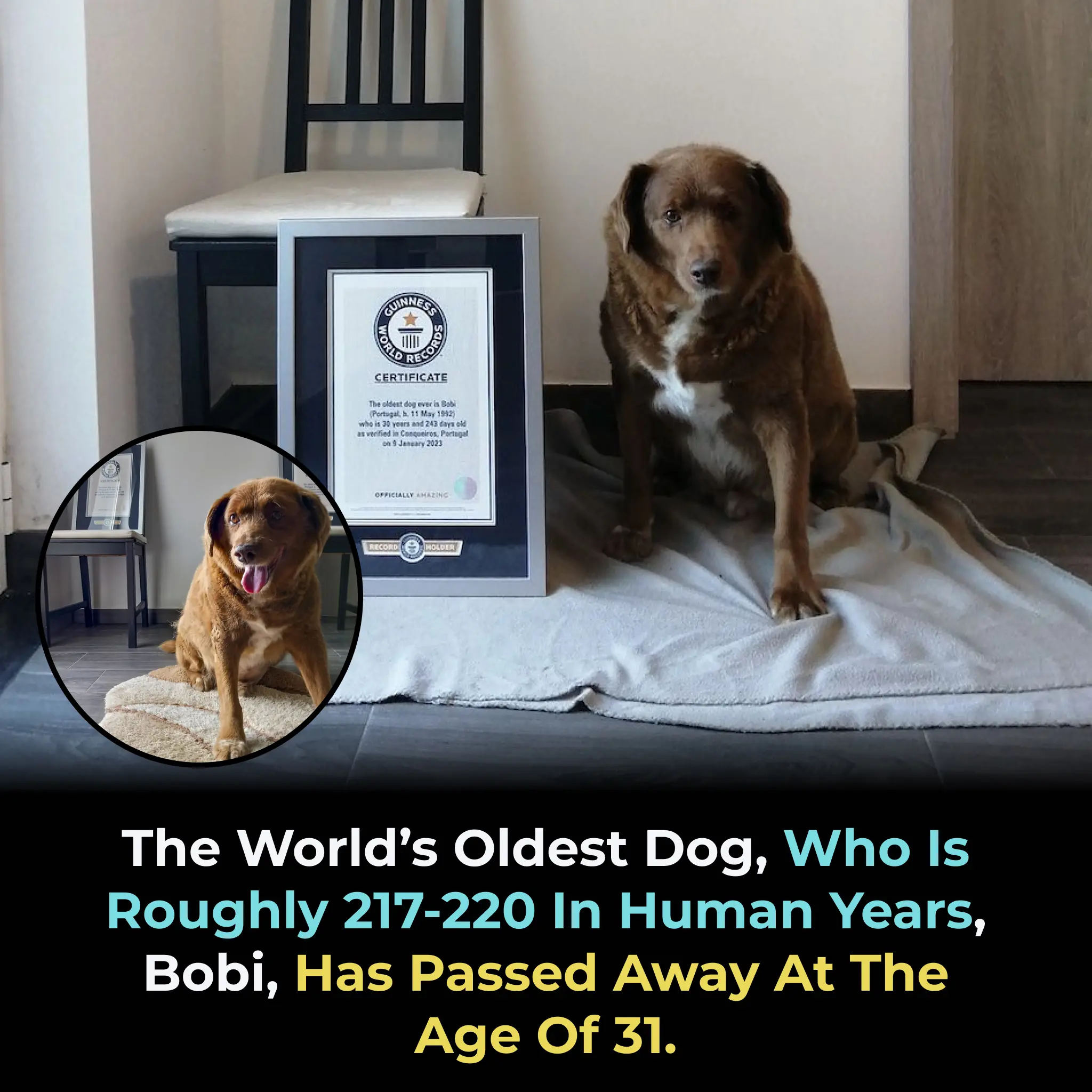
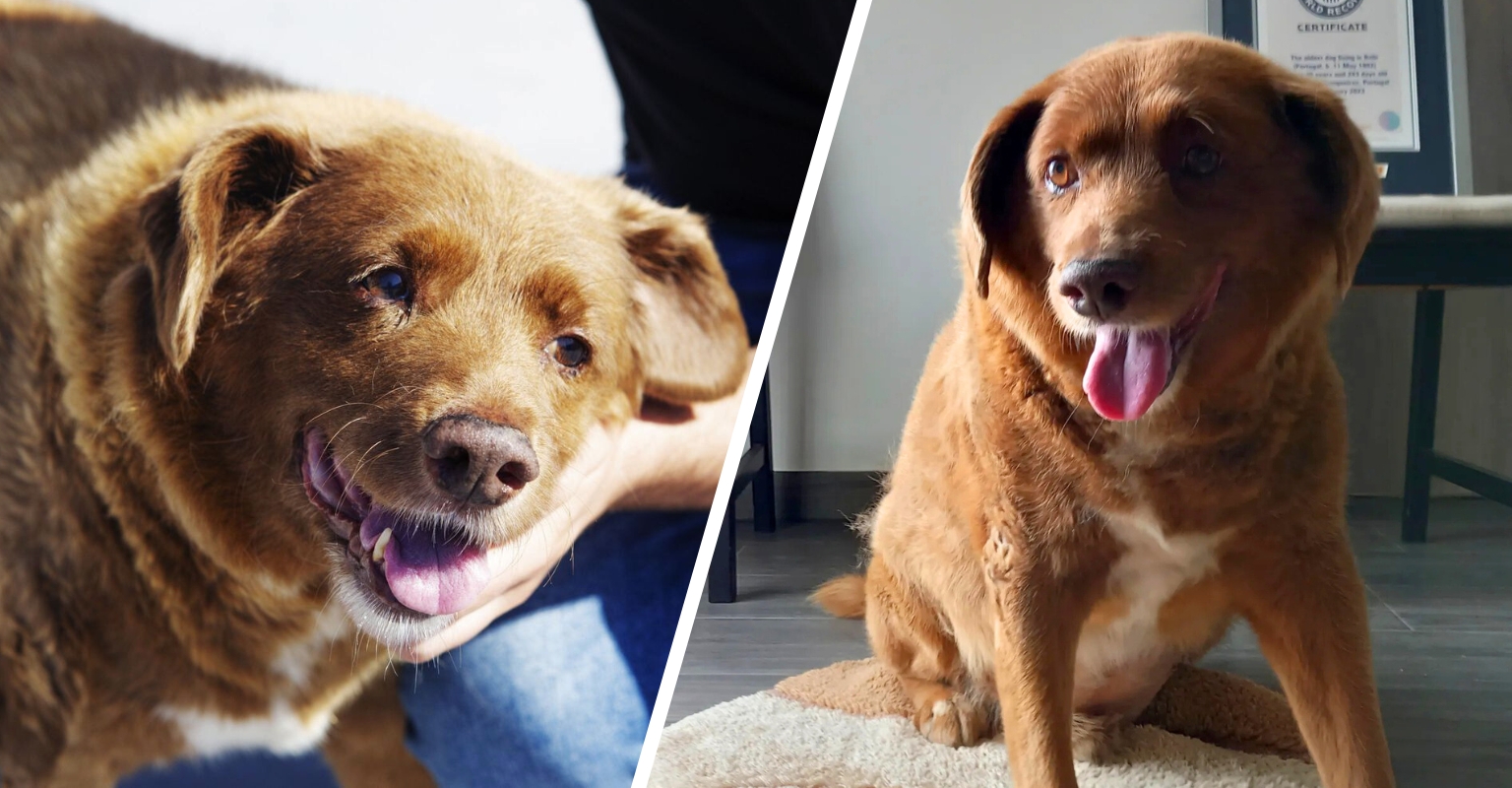
In early 2023, Guinness World Records (GWR) announced a new record holder: Bobi, a Rafeiro do Alentejo from Portugal, who was allegedly 30 years old at the time of the announcement and later celebrated his 31st birthday. This claim sent shockwaves through the veterinary community, as the Rafeiro do Alentejo is a large-breed livestock guardian dog with a typical life expectancy of only 12 to 14 years.
Following Bobi's death in October 2023, several veterinarians and data analysts raised concerns regarding the validity of his age. The primary issues included:
- Database Limitations: The Portuguese government’s pet database (SIAC) confirmed Bobi was registered in 2022, but the owners claimed he was born in 1992. At that time, SIAC did not require proof of age for dogs born before 2008.
- Photographic Inconsistencies: Analysts pointed out that photos of Bobi from the 1990s appeared to show a dog with white paws, whereas the Bobi who died in 2023 had solid-colored paws.
- Biological Improbability: A dog living triple its expected lifespan is biologically equivalent to a human living to 200 years.
In February 2024, after a formal review, GWR stripped Bobi of his title, stating they no longer had the conclusive evidence needed to support the claim. As of 2026, this case has fundamentally changed how animal age records are verified. GWR now requires more than just owner testimony or late-life registrations; they demand contemporaneous veterinary records from the animal’s early years and, in some cases, genetic testing results.
Understanding Canine Longevity: Breed and Biology
The quest to find the "oldest dog" is deeply tied to the science of canine aging. It is a biological anomaly in the animal kingdom that larger individuals within a species tend to live shorter lives than smaller ones. While a Great Dane is considered "senior" at age 6, a Chihuahua may not reach that milestone until age 10 or 11.
The Role of Breed and Size
The primary reason for the discrepancy in lifespan is the rate of growth. Large breeds grow from birth to adult size at an accelerated pace, which is linked to higher levels of the hormone IGF-1 (Insulin-like Growth Factor 1). This rapid growth is associated with increased oxidative stress and cellular damage, leading to an earlier onset of age-related diseases like cancer and heart failure.
Genetic Factors
Some breeds are genetically predisposed to longevity. The Australian Cattle Dog (Bluey's breed) and the Border Collie are frequently cited in longevity records. These breeds often possess high metabolic efficiency and were historically bred for sustained physical labor, which may contribute to cardiovascular health.
Environmental and Lifestyle Variables
Beyond genetics, the "Bluey" and "Bramble" (another long-lived dog) cases suggest that lifestyle plays a critical role. Factors frequently observed in "super-senior" dogs include:
- High Activity Levels: Working dogs that remain active into their teens often maintain better muscle mass and cognitive function.
- Caloric Regulation: Obesity is the leading preventable cause of shortened lifespans in domestic dogs.
- Dietary Quality: While there is no "magic" food, diets rich in antioxidants and low in processed fillers are correlated with better health outcomes.
Verified Longevity Records: A Comparison
The following table highlights some of the most significant and verified long-lived dogs in history. These records are categorized by the strength of their documentation and the age achieved.
| Dog Name | Breed | Age | Country | Verification Status |
|---|---|---|---|---|
| Bluey | Australian Cattle Dog | 29y 5m | Australia | Official GWR Record Holder |
| Tuls | Beagle Mix | 27y | USA | Historically Cited/Vet Records |
| Bramble | Border Collie | 25y 8m | UK | Verified (Vegan Diet Case Study) |
| Pusuke | Shiba Inu Mix | 26y 9m | Japan | Verified (Former GWR Holder) |
| Buksi | Mutt | 27y | Hungary | Documented via University Study |
| Adjutant | Labrador Retriever | 27y 3m | UK | Historically Verified (1963) |
Modern Verification: Epigenetic Clocks
In 2026, the process of determining a dog’s age has moved beyond "teeth counting" and owner anecdotes. Scientists now utilize epigenetic clocks, which measure DNA methylation levels. As dogs age, chemical tags (methyl groups) attach to their DNA at specific locations. By analyzing these patterns, researchers can estimate a dog's chronological age with high accuracy.
This technology is a cornerstone of the Dog Aging Project, a massive longitudinal study involving tens of thousands of dogs. By mapping the "biological age" of dogs, scientists hope to identify the specific genetic markers that allow dogs like Bluey to survive nearly three decades. This research has implications for human longevity as well, as dogs and humans share similar environments and age-related pathologies.
Practical Steps for Canine Longevity
While most owners will not have a dog that reaches 29, current veterinary science suggests several actionable steps to maximize a pet's healthy years:
- Weight Management: Keeping a dog on the lean side of the body condition score can extend their life by up to 1.8 years, according to long-term studies by the American Veterinary Medical Association (AVMA).
- Dental Care: Periodontal disease is linked to systemic issues, including heart and kidney disease. Regular brushing and professional cleanings are essential.
- Early Screening: For dogs over age seven, bi-annual blood work can catch metabolic changes or organ decline before clinical symptoms appear.
- Cognitive Enrichment: Much like humans, "using it or losing it" applies to the canine brain. Puzzle toys and new training routines help stave off Canine Cognitive Dysfunction (CCD).
Frequently Asked Questions
What was the oldest dog that ever lived?
The official record holder is Bluey, an Australian Cattle Dog who lived 29 years and 5 months. While there have been claims of dogs reaching 30 or 31, such as Bobi in Portugal, those records were revoked or lack sufficient evidence to meet modern verification standards.
Why do small dogs live longer than large dogs?
Large dogs age faster at a cellular level. Their rapid growth from puppyhood to adulthood results in higher oxidative stress and increased concentrations of growth hormones like IGF-1, which are linked to earlier deaths from age-related diseases like cancer.
How do I prove my dog's age to Guinness World Records?
As of 2026, GWR requires a combination of early-life veterinary records (ideally from the first year of life), microchip identification data, and contemporaneous evidence like dated photographs or certificates of birth. Genetic testing may be requested for exceptional claims.
Can a dog live to be 30?
Biologically, it is extremely rare but theoretically possible under perfect conditions of genetics and environment. However, any claim of a dog reaching 30 years is currently viewed with extreme skepticism by the scientific community due to the lack of verified precedents.
Does the "7 dog years" rule actually work?
No, the "7 years" rule is an oversimplification. Modern research suggests that dogs age very rapidly in their first two years (a 1-year-old dog is roughly equivalent to a 15-year-old human) and then the aging process slows down and varies significantly by the size of the breed.
Is there a specific diet that helps dogs live longer?
There is no single "best" diet, but calorie restriction is the most scientifically supported nutritional intervention for longevity. Whether the diet is commercial, raw, or home-cooked, maintaining a lean body weight is more important than the specific protein source.
Recommendations for Pet Owners
If you believe your dog has the potential for extreme longevity, the most important action you can take is to maintain a continuous and documented veterinary history. Ensure your pet is microchipped and that their age is recorded by a licensed veterinarian early in life. For those interested in the science of aging, consider enrolling your pet in the Dog Aging Project, which helps researchers understand the environmental and genetic factors that lead to record-breaking lifespans. By contributing to this data, you help advance the veterinary medicine that will benefit the next generation of companion animals.
Image Gallery