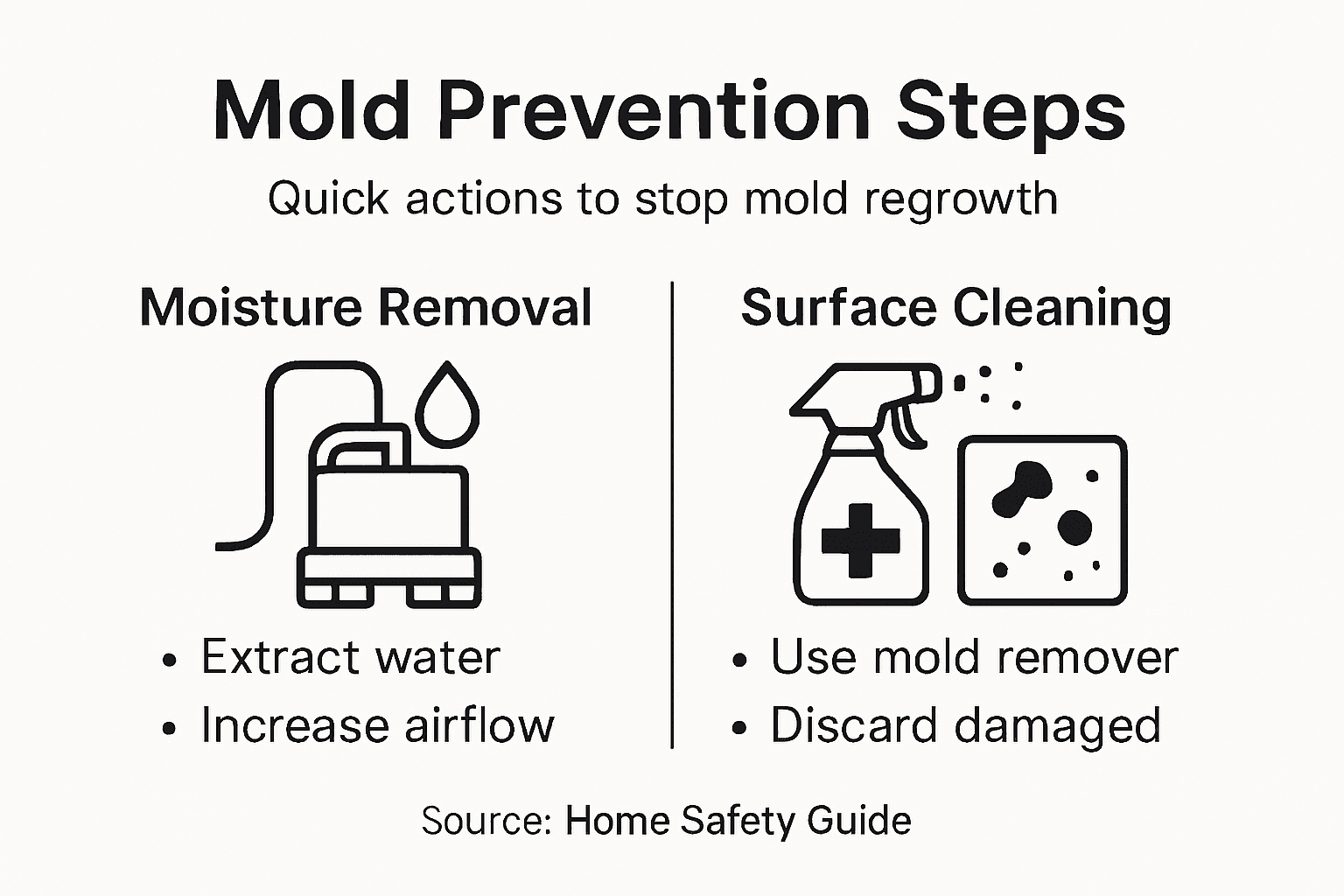
What are the Proper Steps a Mold Remediator Should Follow?
Professional mold remediation follows a systematic process involving moisture control, containment, air filtration, and physical removal of contaminated materials. Adhering to industry standards, specifically the IICRC S520, ensures th...
Professional mold remediation follows a systematic process involving moisture control, containment, air filtration, and physical removal of contaminated materials. Adhering to industry standards, specifically the IICRC S520, ensures that fungal growth is not only removed but that the environment is stabilized to prevent cross-contamination and future recurrence.
Contents
Understanding the Framework of Professional Remediation
As of 2026, the gold standard for mold remediation remains the IICRC S520 Standard for Professional Mold Remediation. This document provides a procedural framework that shifts the focus from merely "killing" mold with chemicals to the physical removal of mold spores and the underlying moisture that supports them. A qualified mold remediator does not simply spray a biocide and leave; they orchestrate a complex environmental cleanup designed to return a building to a "Condition 1" status, which is defined as a normal fungal ecology.
The process is divided into several critical phases. Skipping even one of these steps can result in the spread of spores to unaffected areas of the building, potentially leading to health concerns for occupants and liability for the contractor.
Phase 1: Assessment and Moisture Identification
Before any equipment is moved into the building, a remediator must perform a comprehensive assessment. The primary goal of this phase is to identify the moisture source. Mold is a symptom of a water problem; if the water leak, high humidity, or capillary rise is not addressed, the mold will inevitably return.
Digital Moisture Mapping and Inspection
In 2026, professional remediators utilize advanced diagnostic tools such as infrared (thermal) cameras and moisture meters (both invasive and non-invasive). These tools allow the technician to see behind drywall and under flooring to find hidden pockets of dampness.
- Thermal Imaging: Identifies temperature differentials that suggest evaporation and hidden moisture.
- Moisture Meters: Provide quantitative data on the moisture content of building materials like studs, subfloors, and gypsum board.
- Scope of Work: Based on these findings, the remediator develops a written protocol detailing the areas of containment, the materials to be removed, and the drying goals.
Phase 2: Establishing Containment
Containment is perhaps the most critical step in protecting the rest of the property. When moldy materials are disturbed, they release millions of spores into the air. Without containment, these spores travel through the HVAC system and settle in unaffected rooms.
Source vs. Local vs. Full Containment
The level of containment depends on the severity of the growth:
- Source Containment: Used for very small areas (less than 10 square feet) where the mold is localized. This might involve taping plastic sheeting directly over a small patch of growth.
- Full Containment: For larger infestations, 6-mil fire-retardant polyethylene sheeting is used to create a physical barrier between the work zone and the rest of the house.
- Decontamination Chambers: High-level projects require a "zipper" entry or a three-chamber airlock system where workers can change PPE (Personal Protective Equipment) to prevent tracking mold dust outside the containment zone.
Negative Air Pressure
A critical component of containment is the use of Negative Air Machines (NAMs). By venting filtered air outside the building, the remediator creates a vacuum effect. This ensures that whenever a door or flap is opened, air flows into the contaminated zone rather than out of it.
Phase 3: Air Filtration and Environmental Controls
While the physical containment stops the spread of spores, the air within the containment zone must be cleaned. This is achieved using High-Efficiency Particulate Air (HEPA) filtration.
HEPA Air Scrubbers
Air scrubbers are positioned within the work area to continuously cycle the air. True HEPA filters are rated to capture 99.97% of particles down to 0.3 microns in size. Since most mold spores range from 3 to 100 microns, these filters are highly effective.
Managing Humidity
During the process, the remediator must also control the indoor climate. If the removal process involves water-based cleaning agents or if the initial leak is still drying, high-capacity commercial dehumidifiers are used to keep relative humidity below 50%. This prevents "secondary damage," where high humidity triggers new mold growth on surfaces that were previously clean.
Phase 4: Controlled Demolition and Removal
Not all moldy materials can be saved. The industry distinguishes between porous, semi-porous, and non-porous materials.
- Porous Materials: Items like drywall, insulation, and carpeting act as sponges. If mold has grown into the matrix of these materials, they cannot be effectively cleaned and must be removed. The remediator should "double-bag" these materials within the containment zone before carrying them out to prevent spore release during transit.
- Semi-Porous Materials: Solid wood framing and concrete can often be saved. These are cleaned using abrasive methods like wire brushing, sanding, or "media blasting" (using dry ice or baking soda) to remove the hyphae (roots) of the mold from the surface.
- Non-Porous Materials: Metal, glass, and most plastics can be cleaned and sanitized.
| Material Type | Action Required | Examples |
|---|---|---|
| Porous | Removal & Disposal | Drywall, ceiling tiles, fiberglass insulation, carpets |
| Semi-Porous | Abrasive Cleaning | Plywood, structural lumber, brick, concrete |
| Non-Porous | HEPA Vac & HEPA Wipe | Metal ductwork, glass, PVC piping, ceramic tile |
Phase 5: HEPA Vacuuming and Detailed Cleaning
Once the bulk of the moldy material is removed, the "fine cleaning" begins. This is where many DIY attempts fail. Even dead mold spores can be allergenic or toxic, so they must be physically removed, not just killed.
- HEPA Vacuuming: Every square inch of the containment zone, including the studs and the inside of the poly sheeting, is vacuumed with a HEPA-rated vacuum.
- Damp Wiping: Technicians use specialized antimicrobial cleaners or surfactants to wipe down all surfaces. The "sandwich method" (vacuum, wipe, vacuum) is often employed to ensure total removal.
- Encapsulation (Optional): In some cases, once the wood is clean and dry, a fungicidal coating (encapsulant) is applied. This is not a substitute for cleaning but serves as a moisture barrier and contains any microscopic remnants.
Phase 6: Post-Remediation Verification (PRV)
A professional remediator should never "clear" their own work. To avoid a conflict of interest, a third-party Industrial Hygienist (IH) or Mold Inspector should be brought in to perform Post-Remediation Verification.
The PRV process typically involves:
- Visual Inspection: Checking for any visible dust, debris, or moisture.
- Moisture Testing: Ensuring that all structural materials have reached their "dry standard."
- Air Sampling: Taking air samples inside the containment zone and comparing them to an outdoor "baseline" sample. For a successful clearance, the indoor spore count should be significantly lower than the outdoor count and should not contain "marker" fungi (like Stachybotrys or Chaetomium) that are not typically found in outdoor air.
Safety and PPE Requirements
Professional mold remediation is hazardous work. In 2026, OSHA (Occupational Safety and Health Administration) and EPA guidelines strictly dictate the use of PPE to protect workers from both fungal exposure and the chemicals used during the process.
- Respiratory Protection: At a minimum, N-95 disposable respirators are used, but for most professional jobs, half-face or full-face respirators with P100 purple cartridges are required.
- Body Protection: Disposable Tyvek suits with hoods and booties prevent spores from hitchhiking on the technician's clothing.
- Hand and Eye Protection: Nitrile gloves and unvented goggles protect against splashes from antimicrobial agents and fungal spores.
Detailed guidance on safety can be found via the Occupational Safety and Health Administration (OSHA) mold resources.
Common Mistakes to Avoid
- Using Bleach: Bleach is mostly water. While it may remove the color of mold on the surface, the water penetrates porous materials like drywall, essentially "feeding" the mold roots that remain inside. Professionals use EPA-registered antimicrobials designed for porous surfaces.
- Using Fans Before Containment: Turning on a fan to dry a wet, moldy wall will aerosolize the spores and contaminate the entire building.
- Ignoring the Attic or Crawlspace: Mold issues in the living space are often driven by "stack effect" moisture coming from a damp crawlspace or a poorly vented attic. A proper remediator looks at the building as a whole system.
Frequently Asked Questions
1. Can I stay in my home during the mold remediation process? It depends on the location and size of the containment. If the remediation is in a small, isolated bathroom, you can usually stay. However, if the HVAC system is contaminated or if the work involves large areas of the main living space, it is often recommended to vacate the property to avoid noise, odors, and the slight risk of a containment breach.
2. How long does the professional remediation process typically take? Most residential projects take between 3 and 7 days. This includes the setup of containment, the physical removal of materials, the "scrubbing" of the air, and the time required for clearance testing results to return from the lab.
3. Is "mold testing" always necessary before remediation starts? Not always. According to the EPA Guide to Mold, if mold is visible, you generally do not need to sample it to know it needs to be removed. However, testing is highly beneficial for establishing a baseline for legal purposes or insurance claims.
4. What is the difference between mold removal and mold remediation? "Mold removal" is a bit of a misnomer because mold spores are a natural part of the environment and are always present. "Remediation" is the professional process of returning the fungal levels to a safe, natural state and addressing the moisture conditions that allowed the mold to overgrow.
5. How do I verify a remediator is qualified? In 2026, many states require specific licensing. You should ask for proof of IICRC certification (specifically the WRT - Water Restoration Technician and AMRT - Applied Microbial Remediation Technician designations) and ensure they carry pollution liability insurance, which is different from standard general liability.
Final Recommendation: If you discover mold covering more than 10 square feet, or if you suspect mold is hidden within your HVAC system, do not attempt a DIY cleanup. Contact a certified professional who adheres to IICRC S520 standards. Always ensure a third-party clearance test is performed after the work is completed but before the containment barriers are removed.
Image Gallery