Who Voices Beatrice Horseman? The Legacy of Wendie Malick’s Performance
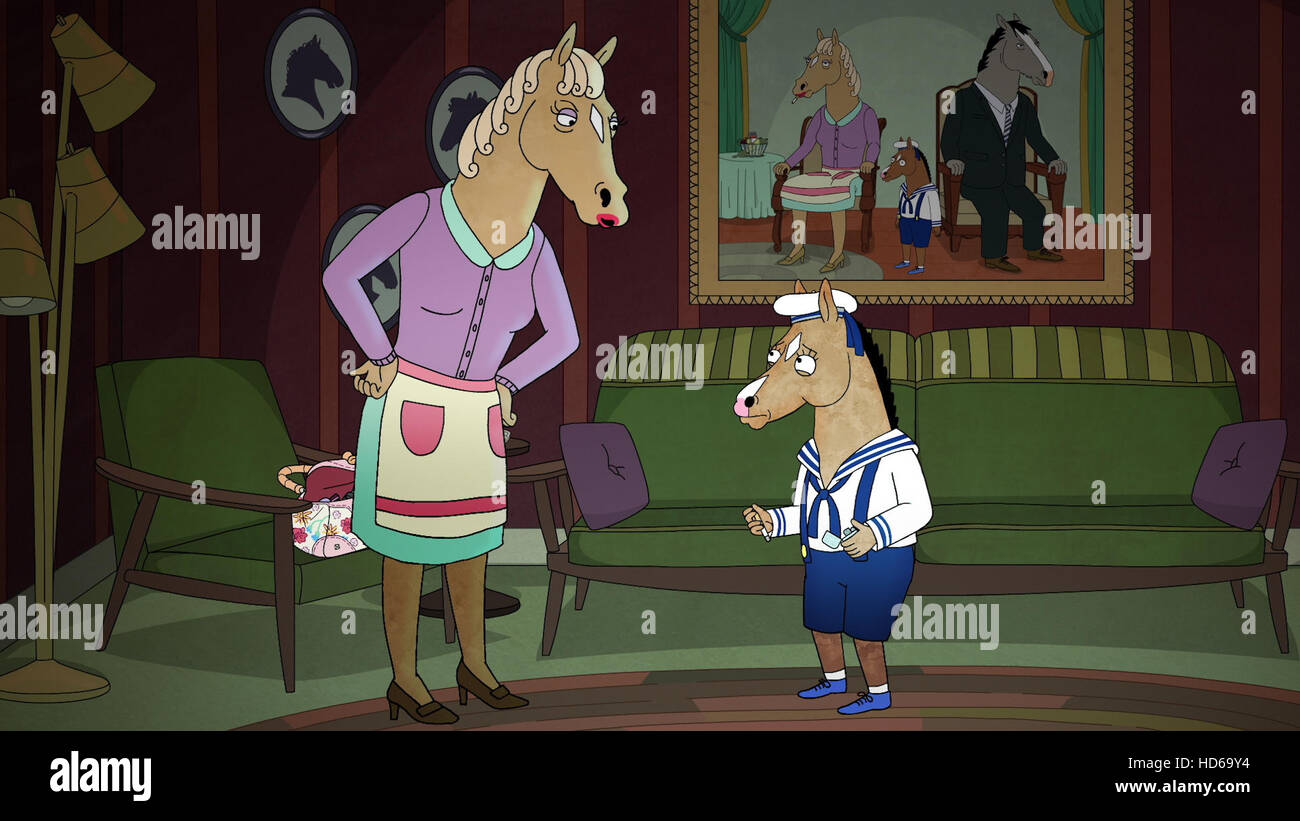
Beatrice Horseman is primarily voiced by the Emmy-nominated actress Wendie Malick. Malick provided the iconic, acerbic voice for the character throughout all six seasons of the Netflix original series BoJack Horseman (2014–2020). While...
Beatrice Horseman is primarily voiced by the Emmy-nominated actress Wendie Malick. Malick provided the iconic, acerbic voice for the character throughout all six seasons of the Netflix original series BoJack Horseman (2014–2020). While Malick voices the adult and elderly versions of the character, actress Majandra Delfino voices Beatrice as a child and teenager in specific flashback sequences.
Contents
Wendie Malick: The Definitive Voice of Beatrice Horseman
To understand the character of Beatrice Horseman, one must first understand the specific vocal gravity that Wendie Malick brought to the role. Malick is a veteran of the industry, known for her sharp timing and distinctive, slightly husky voice that carries an inherent sense of authority and world-weariness. In the context of BoJack Horseman, these traits were essential for portraying a woman who was both a victim of her circumstances and a perpetrator of emotional abuse toward her son.
Malick’s performance as Beatrice is often cited by critics as one of the highlights of the series' voice acting. Unlike many animated "villains," Beatrice required a voice that could transition seamlessly from cruel and dismissive to confused and vulnerable. This was particularly evident in the show's later seasons, where Beatrice's struggle with dementia became a central plot point. Malick’s ability to manipulate her tone to reflect the cognitive decline of the character—shifting from the sharp, "Upper East Side" intellectualism of her youth to the fragmented, raspier whispers of her final days—provided a hauntingly realistic portrayal of aging.
Before taking on the role of Beatrice, Wendie Malick had already established herself as a titan of television. She is perhaps best known for her roles as Nina Van Horn on Just Shoot Me! and Victoria Chase on Hot in Cleveland. Her experience in multi-cam sitcoms gave her the comedic "punch" necessary for the show’s dark humor, while her dramatic range allowed for the devastating emotional beats that defined Beatrice’s arc.
The Complexity of the Beatrice Horseman Character
Beatrice Horseman is not a traditional antagonist. While she is undoubtedly the source of much of BoJack’s trauma, the series uses her character to explore the concept of generational trauma. Wendie Malick’s voice work is the bridge that allows the audience to feel empathy for a character who is often objectively unlikable.
The writing for Beatrice, led by creator Raphael Bob-Waksberg, demanded a voice that sounded "expensive" but hollow. Beatrice was born into the wealthy Sugarman family, and her voice needed to reflect that pedigree. Malick utilizes a Mid-Atlantic-adjacent cadence that suggests high social standing, which contrasts sharply with the gritty, often nihilistic reality of her life in Los Angeles and Michigan.
Breaking Down "Time's Arrow"
The Season 4 episode "Time's Arrow" is widely considered one of the greatest episodes in animated history, and it serves as a showcase for Malick’s range. In this episode, the narrative is told through the fractured lens of Beatrice’s dementia. Malick’s voice performance here is nuanced; she has to play multiple versions of Beatrice simultaneously—the rebellious debutante, the neglected housewife, and the dying woman who can no longer recognize her own son.
The technical execution of this role involved recording lines that felt disconnected from the visual reality of the scene to mimic the effects of memory loss. Malick’s delivery of the line "I see you," which carries a double meaning throughout the series, is a prime example of how a simple phrase can be transformed through vocal inflection into something both terrifying and deeply sad.
Supporting Voices: Majandra Delfino and the Sugarman Ancestry
While Wendie Malick is the primary voice, the character’s backstory is expanded by Majandra Delfino. Delfino voices the young Beatrice (then Beatrice Sugarman) during her formative years. This casting was crucial for establishing the "before" state of the character—a time when Beatrice was still capable of hope and romanticism before her spirit was crushed by her father’s coldness and her mother’s lobotomy.
Delfino’s performance provides the necessary contrast to Malick’s. Her voice is higher, clearer, and lacks the cynical "edge" that Malick brings to the adult version. This vocal transition serves as a structural device in the show, signaling to the audience which era of the Horseman timeline they are witnessing.
The Horseman family tree is further populated by other notable voice talents who helped shape Beatrice’s world:
- Matthew Broderick voiced Joseph Sugarman, Beatrice’s father, providing a chillingly "pleasant" voice to a man who committed horrific acts of emotional negligence.
- Jane Krakowski voiced Honey Sugarman, Beatrice’s mother, whose tragic descent into silence after a lobotomy heavily influenced Beatrice’s view of womanhood and emotion.
Technical Voice Performance and Direction
The recording process for BoJack Horseman followed a standard industry practice where actors often recorded their lines individually rather than in a "radio play" style ensemble. This makes Malick’s chemistry with Will Arnett (who voices BoJack) even more impressive. Despite rarely being in the booth together, the timing of their barbs and the weight of their silences feel perfectly synchronized.
From a technical standpoint, the sound engineers on the show had to balance Malick’s naturally resonant voice with the specific acoustic needs of the environments Beatrice inhabited—from the echoing halls of the Sugarman summer house to the cramped, sterile environment of a nursing home. The use of "vocal fry" and deliberate pauses in Malick’s later-season performances helped convey the physical fragility of the character.
Wendie Malick’s Broader Career and Industry Impact
As of 2026, Wendie Malick’s career continues to be a benchmark for longevity in Hollywood. With over 100 credits to her name, she has moved effortlessly between live-action and voice acting. Her work on BoJack Horseman remains a significant part of her legacy, proving that veteran sitcom stars can find a second life in "prestige" adult animation.
Malick has also lent her voice to other major animated projects, including The Emperor's New Groove (as Chicha) and The Owl House (as Eda Clawthorne). In The Owl House, she plays a much more heroic and maternal figure, which showcases her ability to use her signature vocal tone for vastly different character archetypes. However, it is the role of Beatrice Horseman that arguably allowed her the most psychological depth, challenging the audience's perceptions of motherhood and aging.
Comparative Analysis of the Horseman Family Cast
The following table outlines the key voice actors who portrayed the Horseman and Sugarman families, highlighting the pedigree of the cast that surrounded the Beatrice character.
| Character | Voice Actor | Primary Role / Relation | Notable Vocal Trait |
|---|---|---|---|
| Beatrice Horseman | Wendie Malick | BoJack's Mother | Acerbic, rasping, sophisticated |
| Young Beatrice | Majandra Delfino | Beatrice (Flashbacks) | Youthful, hopeful, rebellious |
| BoJack Horseman | Will Arnett | Son / Protagonist | Gravelly, cynical, baritone |
| Butterscotch Horseman | Will Arnett | Husband | Mimics 1950s "tough guy" tropes |
| Joseph Sugarman | Matthew Broderick | Father | Mid-century "cheerful" authority |
| Honey Sugarman | Jane Krakowski | Mother | Melodic, then hauntingly flat |
| Crackerjack Sugarman | Lin-Manuel Miranda | Brother | Energetic, tragic, heroic |
| Hollyhock | Apareka Nancherla | "Daughter" (Niece) | Soft, anxious, inquisitive |
The Legacy of Beatrice Horseman in Animation
The character of Beatrice Horseman changed the landscape of how older women are portrayed in animation. For decades, the "cruel mother" trope was a caricature. Through the combination of writing and Wendie Malick’s performance, Beatrice became a case study in psychology.
The "Beatrice episodes"—specifically "The Old Sugarman Place" and "Time's Arrow"—are frequently taught in screenwriting and animation courses as examples of non-linear storytelling. The voice acting is a critical component of this, as the audio cues provided by Malick help the viewer navigate the character's deteriorating mind without the need for constant visual exposition.
Frequently Asked Questions
Did Wendie Malick win an Emmy for voicing Beatrice Horseman?
While Wendie Malick did not win an Emmy specifically for BoJack Horseman, the show itself received multiple nominations, and Malick has been nominated for two Primetime Emmys in the past for her work on Just Shoot Me!. Her performance as Beatrice is widely considered one of the greatest "snubs" in the Outstanding Character Voice-Over Performance category.
Why did Will Arnett voice Beatrice’s husband, Butterscotch?
Will Arnett voiced both BoJack and his father, Butterscotch Horseman. This was a deliberate creative choice by the showrunners to emphasize the cyclical nature of the family's trauma and the fact that BoJack, despite his best efforts, sounds and acts increasingly like the father he despised. This choice also highlighted the isolation of Beatrice, who was trapped between two men with the same voice.
Is Majandra Delfino related to Wendie Malick?
No, Majandra Delfino and Wendie Malick are not related. Delfino was cast because her vocal quality could plausibly age into Malick’s distinctive tone. Delfino is well known for her role in the television series Roswell.
How many episodes does Wendie Malick appear in?
Wendie Malick is credited in 28 episodes of BoJack Horseman. While she is not in every episode, her presence is felt throughout the series, and she is a guest star in every season, with Season 4 being her most prominent arc.
Does Beatrice Horseman appear in the series finale?
Beatrice Horseman died in Season 5, so she does not appear as a living character in the series finale. However, her influence on BoJack’s psyche is a major theme of the final episodes, and she appears in the penultimate episode, "The View from Halfway Down," which takes place inside BoJack’s mind.
Final Recommendation
For those interested in the art of voice acting, a re-watch of BoJack Horseman with a specific focus on the Sugarman family arc (Season 4) is highly recommended. Pay close attention to how Wendie Malick uses breath and silence to convey Beatrice’s dementia. If you are looking for more of Malick’s work, her performance in The Owl House provides a fascinating contrast to the darkness of Beatrice Horseman, showing the full spectrum of her vocal capabilities.
For further exploration of the show's production, the official companion book, BoJack Horseman: The Art Before the Horse, offers deep dives into the casting process and the development of the character designs that Malick so brilliantly brought to life.
Image Gallery