Understanding the East Palestine Chemical Explosion: Environmental Impact and 2026 Status
The 2023 chemical explosion and derailment in East Palestine, Ohio, remains a significant case study in industrial safety and environmental recovery. As of 2026, the region has transitioned from active remediation to long-term health m...
The 2023 chemical explosion and derailment in East Palestine, Ohio, remains a significant case study in industrial safety and environmental recovery. As of 2026, the region has transitioned from active remediation to long-term health monitoring and legal settlement distribution, following the massive $600 million class-action resolution and comprehensive soil excavation projects completed by the EPA and Norfolk Southern.
Contents
The Core Incident: Chronology of the Derailment and Controlled Release
On February 3, 2023, a Norfolk Southern freight train carrying hazardous materials derailed in East Palestine, Ohio, near the Pennsylvania border. The primary cause, as identified by the National Transportation Safety Board (NTSB), was an overheated wheel bearing on car 23, which failed to be detected in time by trackside defect detectors. Of the 150 cars, 38 derailed, many of which contained highly flammable and toxic chemicals.
The most critical moment occurred on February 6, 2023, when officials authorized a "vent and burn" of five tank cars containing vinyl chloride. This decision was made to prevent a catastrophic Boiling Liquid Expanding Vapor Explosion (BLEVE), which authorities feared could send shrapnel and toxic chemicals across a much wider radius. This controlled release resulted in the iconic and harrowing black plume of smoke that defined the "chemical explosion" in the public consciousness.
While the "explosion" was a controlled tactical decision, the immediate fallout necessitated the evacuation of thousands of residents and sparked a multi-year environmental crisis. By 2026, the focus has shifted from the fire and smoke to the invisible persistence of chemicals in the groundwater and the long-term biological effects on the local population.
Chemical Profile: What Was Released?
The environmental and health risks associated with the East Palestine incident were driven by a specific cocktail of industrial chemicals. Understanding these substances is crucial for comprehending the remediation efforts that continued through 2025 and into 2026.
| Chemical | Primary Use | Health Risks | Environmental Behavior |
|---|---|---|---|
| Vinyl Chloride | Plastic (PVC) production | Known human carcinogen; liver damage (angiosarcoma). | Highly volatile; degrades in air but can linger in soil/water. |
| Butyl Acrylate | Adhesives and coatings | Respiratory irritation; skin sensitization. | Mid-range volatility; can cause persistent odors in waterways. |
| Ethylhexyl Acrylate | Plasticizers and resins | Carcinogenic potential; skin/eye irritation. | Low solubility; binds to organic matter in stream beds. |
| Ethylene Glycol Monobutyl Ether | Solvents and cleaners | Kidney and liver toxicity; blood disorders. | Highly soluble; moves quickly through groundwater systems. |
By 2026, air monitoring for these specific volatile organic compounds (VOCs) has largely ceased as levels returned to baseline, but the monitoring of dioxins—toxic byproducts of burning chlorinated chemicals—remains a point of study for environmental scientists assessing long-term soil health.
Environmental Remediation: The "Dig and Haul" Strategy
The cleanup of the East Palestine site was one of the most intensive "dig and haul" operations in recent American history. Under the direction of the U.S. Environmental Protection Agency (EPA), Norfolk Southern was required to remove all contaminated soil and treat millions of gallons of water.
Soil Excavation and Disposal
The remediation team removed over 175,000 tons of contaminated soil. This included the soil beneath the tracks themselves, which required the temporary removal of rail lines to reach deep-seated contamination. In 2026, the site of the derailment has been backfilled with clean soil and gravel, though it remains under periodic inspection to ensure no "leaching" occurs into the nearby Sulphur Run and Leslie Run creeks.
Water Restoration and Sentinel Wells
Water safety remains the most sensitive issue for the community. The "sentinel well" network—a series of monitoring wells placed between the derailment site and municipal water sources—continues to provide data in 2026. These wells act as an early warning system. According to the EPA’s East Palestine Response page, continuous testing of the municipal water supply has consistently shown no levels of derailment-related chemicals above safety thresholds since the initial response.
Legal Settlements and Compensation Framework
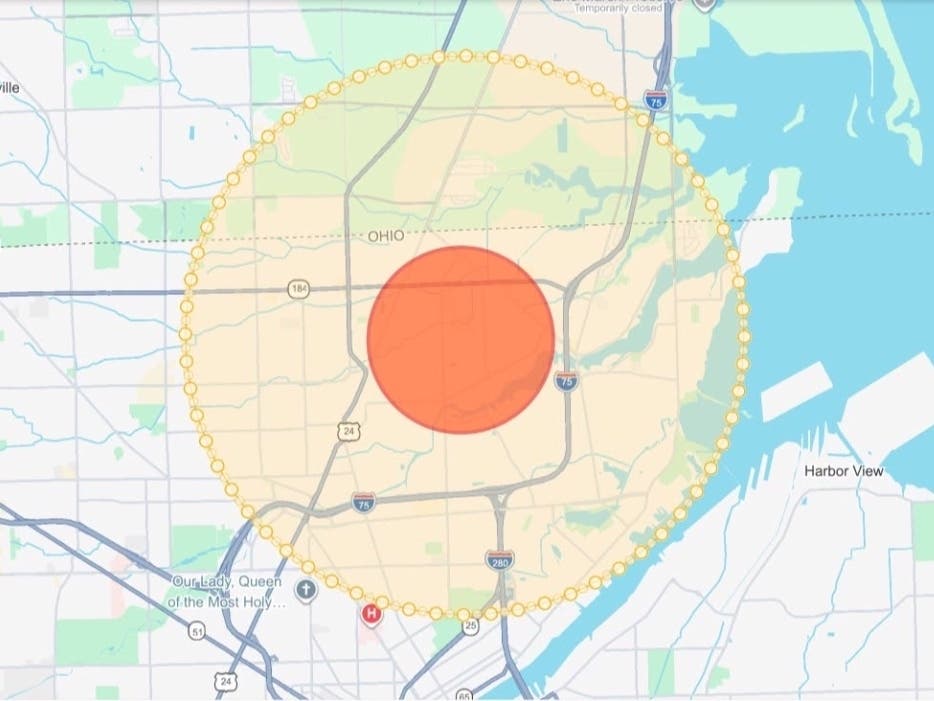
A major milestone was reached with the $600 million class-action settlement, which received final approval in late 2024. By 2026, the distribution of these funds has largely been completed, providing financial relief to residents and businesses within a 20-mile radius of the derailment.
The settlement was structured to address three primary areas:
- Personal Injury: Direct payments to individuals who experienced health issues or who waived the right to future claims in exchange for immediate compensation.
- Property Damage: Compensation for the diminished value of homes and the cost of professional cleaning services.
- Business Losses: Support for local enterprises that suffered during the evacuation and the subsequent "stigma" period that affected regional tourism and commerce.
In addition to the class action, Norfolk Southern reached a separate $310 million settlement with the federal government to cover past and future cleanup costs, as well as a $25 million community health program. This program is a critical component of the 2026 landscape, providing ongoing medical screenings for residents.
Long-Term Health Monitoring in 2026
The primary concern for residents three years after the explosion is the potential for "latent" health issues, particularly those related to vinyl chloride exposure. In response, the East Palestine Health Registry was established to track the long-term wellness of those living within the impact zone.
The medical monitoring program focuses on:
- Hepatic Health: Routine screenings for liver function, given vinyl chloride's known link to rare liver cancers.
- Respiratory Function: Assessing long-term asthma or chronic obstructive pulmonary disease (COPD) symptoms linked to the 2023 smoke plume.
- Mental Health Services: Addressing the "disaster trauma" and anxiety that have persisted within the community since the evacuation.
Independent researchers from institutions like Case Western Reserve University continue to conduct peer-reviewed studies on the local ecosystem. These studies are vital for verifying official government data and providing the community with a secondary layer of scientific oversight.
Legislative Reform: The Railway Safety Act
The Ohio chemical explosion served as a catalyst for significant federal legislative debate. The Railway Safety Act, while facing various hurdles in Congress, eventually led to several Department of Transportation (DOT) rule changes that are fully operational in 2026.
Key regulatory shifts include:
- Two-Person Crew Requirement: A formalization of the rule requiring at least two crew members on Class I railroads to ensure safety redundancy.
- Improved Defect Detectors: Mandatory standards for the spacing and maintenance of "hot box" detectors (bearing sensors) to prevent the type of mechanical failure seen in East Palestine.
- Hazardous Material Notification: Enhanced requirements for railroads to provide real-time data to local first responders regarding the contents of trains passing through their jurisdictions.
These changes were supported by the National Transportation Safety Board (NTSB), which emphasized that the East Palestine disaster was "entirely preventable" had modern sensor technology and better communication protocols been in place.
Frequently Asked Questions
Is the water in East Palestine safe to drink in 2026?
Yes, according to the Ohio EPA and independent monitoring agencies. The municipal water system is drawn from deep wells that are protected by a thick layer of clay, and sentinel wells monitor for any chemical migration. Residents on private wells are still encouraged to participate in annual testing programs provided by the state.
What happened to the $600 million settlement money?
The settlement funds were distributed to residents and business owners within 20 miles of the site. The highest payments were generally reserved for those within the 0-2 mile "hot zone." By 2026, the claims process has closed, and most eligible participants have received their final disbursements.
Can vinyl chloride stay in the soil for years?
Vinyl chloride is a volatile organic compound, meaning it tends to evaporate when exposed to air. However, if it is trapped in groundwater or deep soil without oxygen, it can persist. This is why the EPA mandated the "dig and haul" of over 175,000 tons of soil—to ensure no pockets of the chemical remained to leach into the environment over time.
Are there still evacuations or restricted zones in East Palestine?
No. All evacuation orders were lifted within a week of the 2023 incident. By 2026, the town is fully operational, and the derailment site has been remediated. There are no "no-go" zones, though monitoring equipment remains visible in certain areas.
What should I do if I lived in the area during the explosion?
If you were within the impact zone during the 2023 event, you should ensure you are enrolled in the Voluntary Health Registry. Even if you are not currently experiencing symptoms, participating in the 20-year medical monitoring program is essential for early detection of potential long-term health issues and ensures you are part of the official data set.
Next Actions for Residents and Researchers
For those still navigating the aftermath of the Ohio chemical explosion, the most critical next step is documentation and proactive health management. Residents should maintain a comprehensive file of their medical screenings and any correspondence with the settlement administrators.
For environmental researchers and safety advocates, the East Palestine incident remains a primary reference point for the "Right to Know" laws regarding hazardous materials. Staying engaged with the EPA’s post-cleanup monitoring reports is the best way to ensure that the recovery remains on track and that the lessons learned from the 2023 explosion continue to inform safer rail transport across the United States.
Image Gallery