Where to Play Squash Near Me: Finding the Best Courts and Clubs in 2026
To find squash courts near you in 2026, the most effective method is to utilize the official "Find a Court" locators provided by national governing bodies like England Squash, US Squash, or the World Squash Federation. Additionally, mu...
To find squash courts near you in 2026, the most effective method is to utilize the official "Find a Court" locators provided by national governing bodies like England Squash, US Squash, or the World Squash Federation. Additionally, multi-sport booking platforms such as Playtomic or MyCourts offer real-time availability for local leisure centers, private health clubs, and dedicated squash academies.
Contents
Identifying the Right Type of Squash Facility
Finding a place to play squash is no longer just about searching for a map pin; it is about matching your skill level and social needs to the specific type of facility available. In 2026, the landscape of squash facilities is divided into three primary categories: public leisure centers, private member clubs, and specialized high-performance academies.
Public Leisure Centers and Municipal Hubs
Public leisure centers remain the most accessible entry point for new players. These facilities are usually operated by local councils or third-party management firms. They typically offer "pay-as-you-play" models, meaning you do not need a monthly commitment to book a court.
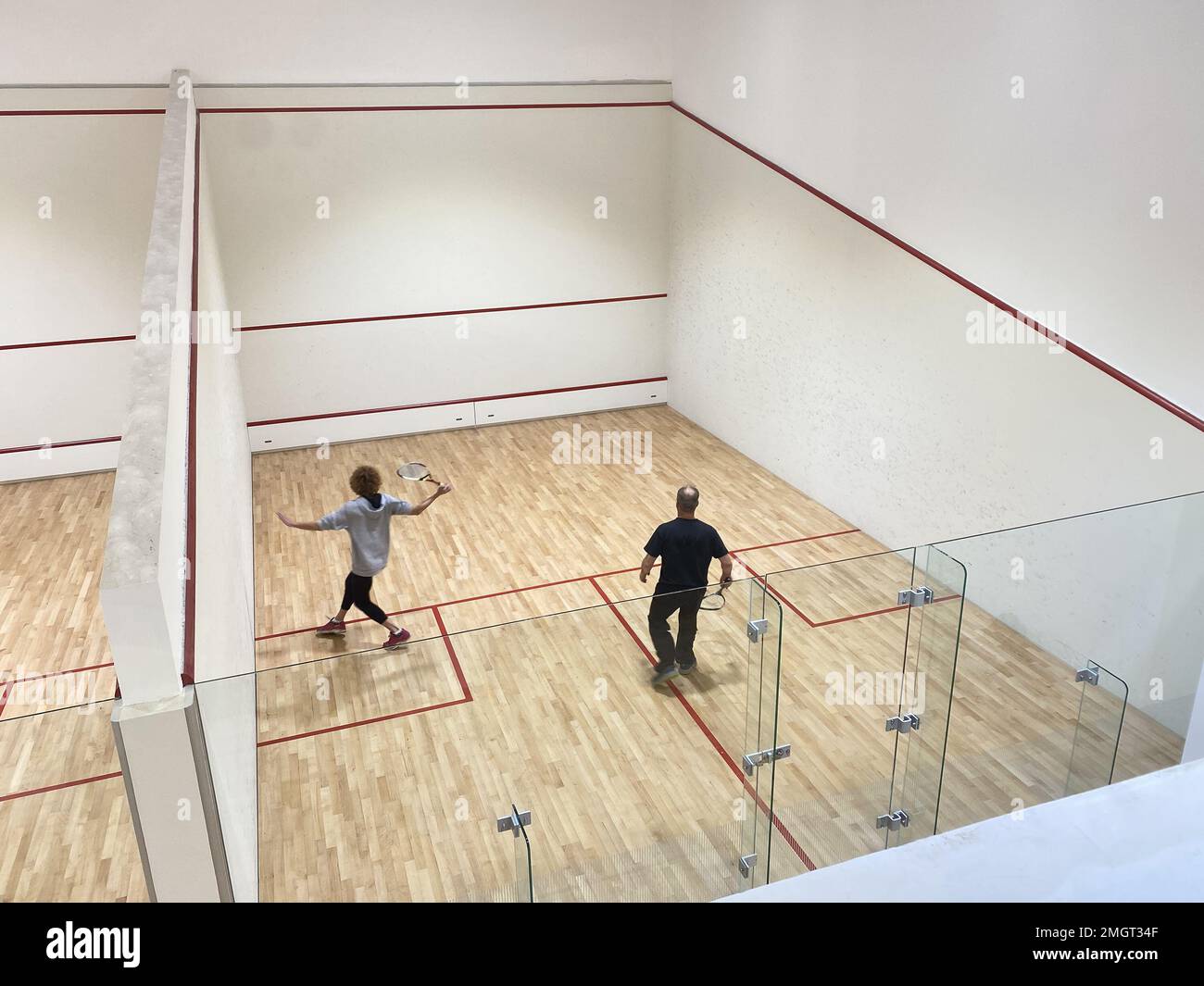
However, users should be aware that maintenance levels can vary. While many municipal centers upgraded their facilities following the surge in interest after squash was confirmed for the 2028 Olympic Games, some older courts may still feature traditional "hard" plaster walls rather than modern glass-back designs. If you are looking for a casual game without the pressure of a club environment, these are your best options.
Private Multi-Sport Health Clubs
High-end health clubs, such as those operated by David Lloyd or Virgin Active, often include squash courts as part of a broader fitness package. These facilities are ideal for players who want to combine their court time with gym sessions, swimming, or sauna use.
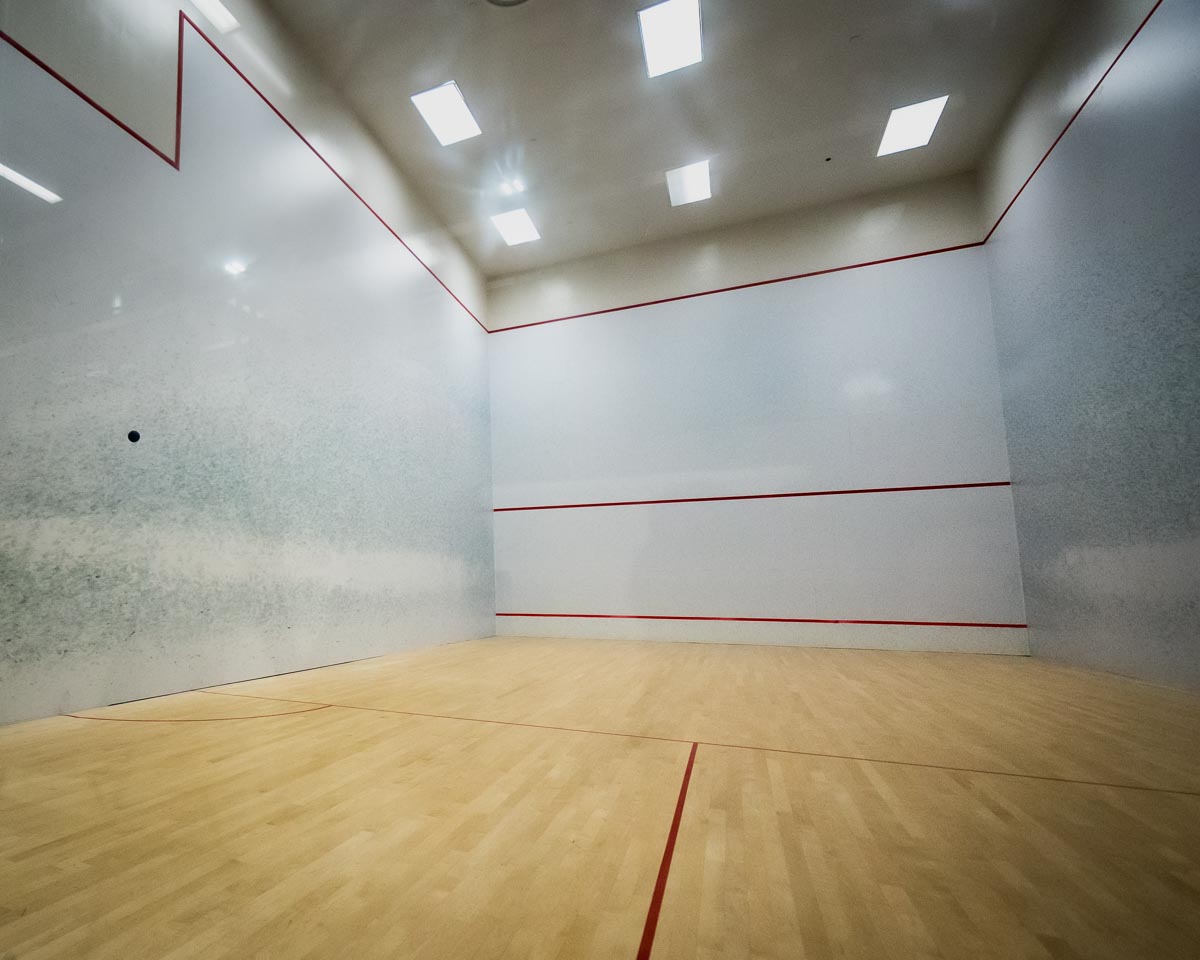
The primary advantage of private clubs is the quality of the environment. Courts are generally well-maintained, climate-controlled, and feature sprung timber floors that reduce the impact on your joints. The downside is the cost; these facilities usually require a recurring monthly membership fee, which may be prohibitive for occasional players.
Dedicated Squash and Racket Clubs
For the serious enthusiast, a dedicated squash club is the gold standard. These organizations focus entirely on racket sports, fostering a deep sense of community. Here, you will find internal leagues (ladders), team matches against other clubs, and professional coaching staff.
In 2026, many of these clubs have integrated InteractiveSquash technology—augmented reality systems projected onto the front wall that offer training drills and gamified practice sessions. If your goal is to improve your ranking or find regular competitive partners, a dedicated club is the most effective choice.
Digital Tools and Platforms for Booking
The days of calling a reception desk to book a court are largely over. In 2026, several digital ecosystems dominate the squash booking market, making it easier to find "where to play squash near me" with a few taps on a smartphone.
National Governing Body (NGB) Locators
The first step for any player should be visiting their country's official squash portal. These sites maintain verified databases of affiliated clubs that meet safety and technical standards.
- England Squash: Features a comprehensive map-based "Club Finder" that filters by distance and facility type. England Squash Finder
- US Squash: Provides a directory of certified centers across the United States, including school and university courts often open to the public. US Squash Club Search
Third-Party Booking Apps
Apps like Playtomic have revolutionized access to racket sports. By aggregating data from various independent clubs and public centers, these platforms allow you to see court availability in real-time, pay through the app, and even find players of a similar skill level to join your match. This is particularly useful if you are traveling and need a court in an unfamiliar city.
University and Collegiate Courts
Do not overlook local universities. Many higher education institutions have world-class squash facilities that are open to the general public during off-peak hours or through community memberships. Because universities often host elite-level competitions, their courts are frequently built to World Squash Federation (WSF) specifications.
Technical Specifications: What Makes a Good Court?
When evaluating a facility, understanding the technical requirements of a standard court ensures a better playing experience and reduces the risk of injury. The WSF dictates specific dimensions and materials that reputable clubs must follow.
| Feature | Standard Specification (Singles) | Why It Matters |
|---|---|---|
| Court Length | 9.75 meters (32 feet) | Ensures consistent movement patterns. |
| Court Width | 6.40 meters (21 feet) | Affects the strategy of "widening" the game. |
| Floor Material | Sprung unsealed timber | Absorbs shock and provides optimal grip. |
| Wall Finish | Flat, smooth plaster or glass | Ensures a predictable ball bounce. |
| Lighting | Minimum 500 Lux | Essential for tracking a fast-moving ball. |
If you encounter a court with a concrete floor or uneven walls, exercise caution. Non-sprung floors can lead to shin splints and knee problems over time, while inconsistent wall surfaces can make competitive play frustrating.
Costs and Membership Models in 2026
The cost of playing squash has remained relatively stable, though the shift toward digital "on-demand" access has introduced new pricing tiers.
- Pay-as-you-play (Public): Expect to pay between $10 and $25 (£8 to £20) per 40-minute or 45-minute session. Prices are typically lower during off-peak hours (weekdays before 5:00 PM).
- Monthly Club Memberships: These range from $40 to $120 (£35 to £100) per month. While more expensive upfront, they usually include unlimited court bookings (subject to fair use) and access to club nights.
- Guest Fees: If you are playing at a private club as a non-member, you will likely be charged a guest fee ranging from $5 to $15 in addition to the court cost.
Many clubs in 2026 have also introduced "Racket-Only" memberships, which are more affordable than full-service gym memberships but still grant access to leagues and tournaments.
How to Verify a Quality Facility
Before committing to a membership or a long-distance drive, perform a quick verification of the facility. A high-quality squash venue should ideally have:
- Affiliation: Check if the club is affiliated with its National Governing Body. This ensures they follow official safeguarding and coaching standards.
- Temperature Control: Squash balls require heat to bounce correctly. A court that is too cold will result in a "dead" ball, while a court that is too hot can be physically exhausting. Look for facilities with active ventilation.
- Changing Facilities: Verify the availability of showers and lockers, especially if you are playing during a work lunch break.
- Pro Shop or Stringing Services: Facilities that offer on-site racquet restringing and equipment sales generally cater more seriously to squash players.
Essential Equipment to Bring
Most facilities that offer squash courts also provide equipment rental, but having your own gear is preferable for consistency. At a minimum, you will need:
- Non-Marking Shoes: This is a non-negotiable rule at almost every court. Shoes with black soles can leave permanent scuffs on the timber floors. Look for specific indoor court shoes with gum-rubber soles for maximum traction.
- Eye Protection: While not always mandatory for adults in casual play, eye protection is highly recommended and often required for juniors and in competitive doubles. The speed of the ball in 2026—often exceeding 150 mph at the professional level—makes eye safety a priority.
- The Correct Ball: Beginners should use a ball with a blue dot (faster, more bounce) or red dot. Intermediate and advanced players use the double yellow dot, which requires consistent hitting to stay warm and bouncy.
Joining the Squash Community: Leagues and Ladders
The best way to ensure you continue playing is to integrate into a local league. Most clubs operate a "box league" or "ladder" system. In this format, players are grouped into small divisions of 4 to 6 people of similar ability. You have a set timeframe (usually a month) to play everyone in your box. At the end of the month, the top players move up a division, and the bottom players move down.
This system is the most effective way to meet new partners and ensures you are always challenged by opponents at your own level. Many cities also host "Social Squash" or "Club Nights," where you can show up and play short matches against various people for a flat entrance fee.
Frequently Asked Questions
Do I need a membership to play squash?
No, many public leisure centers and some private clubs offer pay-as-you-play options. However, joining a club is often more cost-effective if you plan to play more than once a week, as it provides access to leagues and social events.
Is squash a good workout for beginners?
Squash is widely considered one of the most efficient cardiovascular workouts. It improves agility, hand-eye coordination, and endurance. Beginners should start with a high-bounce ball (blue or red dot) to keep rallies going longer and maximize the aerobic benefits.
Can I rent a racket at the court?
Most commercial and public centers offer racket and ball rentals for a small fee (typically $3 to $7). If you are trying the sport for the first time, renting is a great way to test different racket weights before purchasing your own.
How do I find a coach near me?
The best way to find a certified coach is through the national governing body's website (e.g., England Squash or US Squash). They maintain registries of coaches who have completed official certification levels and have passed background checks.
What should I wear to play squash?
Standard athletic wear—shorts and a t-shirt—is appropriate. The most critical requirement is non-marking indoor court shoes. Running shoes are often discouraged because their high profiles can lead to ankle rolls during the lateral movements required in squash.
Next Steps for New and Returning Players
If you are ready to get back on the court, your first action should be to download a booking app like Playtomic or visit the World Squash Federation website to find a local affiliate. Start by booking a single session at a public center to gauge your current fitness level. If you enjoy the experience, look for a local club with an active box league; this is the proven path to consistent play and rapid improvement. With the sport's inclusion in the upcoming Olympics, there has never been a better time to find a court and join the global squash community.
Image Gallery