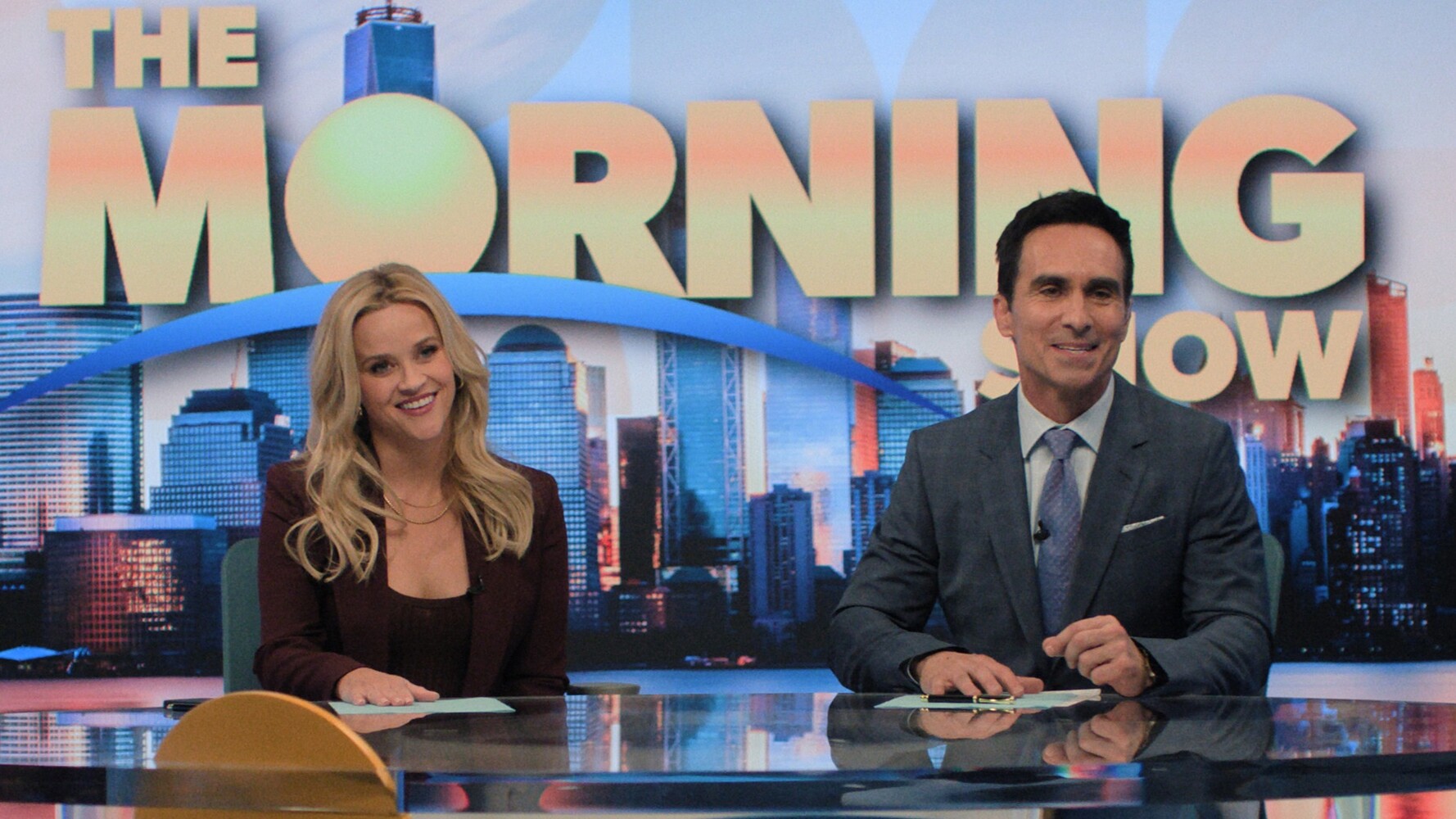
The Morning Show Season 4 Episode 1 Summary and Narrative Analysis
The premiere of The Morning Show Season 4 picks up in the high-stakes aftermath of the UBA network’s volatile corporate restructuring. As the landscape of morning television faces unprecedented challenges from digital convergence and s...
The premiere of The Morning Show Season 4 picks up in the high-stakes aftermath of the UBA network’s volatile corporate restructuring. As the landscape of morning television faces unprecedented challenges from digital convergence and shifting political climates, the first episode navigates the delicate power balance between Alex Levy and Bradley Jackson, setting the stage for a season defined by institutional survival and personal reinvention.
Contents
The State of UBA in the Post-Merger Landscape
As of 2026, the fictional UBA network remains the central battleground for the series. Following the conclusion of Season 3, where the network’s future was left hanging in the balance of a potential acquisition, Season 4 Episode 1 addresses the immediate fallout. The episode establishes that while the merger talks have stabilized, the cultural rot within the organization remains a persistent threat to its longevity.
The narrative focuses on the internal transition of power. Executives are no longer merely concerned with ratings; they are preoccupied with the optics of their legacy in an era of rapid information dissemination. The premiere underscores that the "Morning Show" brand is no longer just a television program—it is a digital entity that must constantly justify its existence to shareholders and a skeptical public. This shift creates a distinct tension for Alex Levy (Jennifer Aniston), whose ambition is increasingly tied to the platform’s digital survival, and Bradley Jackson (Reese Witherspoon), who is grappling with the personal consequences of her past whistleblowing and clandestine alliances.
Character Trajectories and Evolving Motivations
The premiere serves as a structural reboot, placing characters in new configurations that challenge their established roles. For viewers following the series, understanding the character motivations is essential to interpreting the conflict:
- Alex Levy: Her evolution from a traditional anchor to a power broker is cemented in this episode. She acts not just as the face of the network, but as an unofficial strategist navigating the board’s demands.
- Bradley Jackson: Her arc in the first episode centers on the cost of integrity. Now operating on the fringes of the UBA inner circle, she is forced to weigh her commitment to the truth against the necessity of institutional protection.
- Cory Ellison: The CEO’s survival instinct remains the driving force of the show. In Episode 1, Cory is shown attempting to consolidate control, but his influence is waning as external forces—specifically new stakeholders with different priorities—begin to exert pressure.
The episode expertly manages the fallout of the previous season’s explosive finale, ensuring that the audience is grounded in the new reality of the characters' lives without needing to rely on a recap of every minor plot point. Instead, the focus is on the psychological toll of their choices.
Technical and Industry Challenges Depicted
The Morning Show distinguishes itself by integrating real-world media industry challenges into its fictional narrative. In Season 4 Episode 1, the writers lean heavily into the intersection of technology and broadcast journalism. The show depicts the friction between traditional linear broadcasting and the demands of on-demand, algorithmic content consumption.
This theme is not merely background noise; it dictates the characters' actions. The production budget for the network is under scrutiny, and the episode highlights the technical difficulties of maintaining a premium "prestige" look for a morning show that is simultaneously being dismantled for parts by corporate interests. The cinematography mirrors this, with tighter shots and colder lighting reflecting the characters' isolation despite being constantly under the glare of studio spotlights.
Comparison of Institutional Shifts
To better understand the stakes presented in the episode, it is useful to compare the organizational status of UBA at different stages of the series.
| Feature | Pre-Merger (Season 3) | Post-Merger (Season 4) |
|---|---|---|
| Primary Goal | Market Expansion | Institutional Stability |
| Corporate Structure | Founder-led / Private | Stakeholder-driven / Public |
| Network Focus | Ratings Dominance | Digital Integration |
| Internal Culture | Volatile/High-Risk | Defensive/Reactive |
| Key Player | Cory Ellison | Board Coalition |
This transition highlights why the first episode feels so distinct from previous premieres. There is less focus on the spectacle of the morning show itself and more focus on the machinations happening in the executive offices, which are now more cramped, sterile, and unforgiving.
Addressing Viewer Inquiries
How does the premiere handle the cliffhangers from last season?
The episode uses a temporal skip to address the immediate aftermath of the UBA crisis. Rather than showing the physical fallout, it portrays the psychological and professional consequences. The resolution is not neat; it emphasizes that some relationships within the network are permanently altered, particularly the bond between Alex and Bradley.
Does the show focus more on news or corporate drama in this episode?
The balance leans heavily toward corporate drama. While the morning show production is visible, the primary action involves the power struggle over the future of the company, reflecting the ongoing shift in the television industry towards corporate consolidation.
Is the tone consistent with previous seasons?
The tone is notably darker. While previous seasons thrived on high-energy, fast-paced conflict, this premiere adopts a more deliberate, tense atmosphere. It signals a season that is interested in the long-term consequences of power, rather than just the immediate scandal.
What are the main obstacles for the protagonists?
The main obstacles are twofold: external corporate oversight that ignores the "human" element of broadcasting, and internal personal baggage that prevents the protagonists from aligning their goals effectively.
How does the episode utilize the 2026 industry context?
By acknowledging the rise of AI-driven content generation and the decline of traditional advertising models, the episode grounds the fictional network in the actual difficulties faced by real-world media conglomerates in 2026.
Strategic Outlook and Next Actions
The season opener effectively resets the board for a complex game of institutional survival. For those analyzing the show’s trajectory, it is crucial to pay attention to the secondary characters introduced in this episode, as they likely represent the board's new interests rather than the legacy concerns of the UBA staff.
The primary task for the characters moving forward is to maintain the illusion of control while the fundamental machinery of their business is being replaced. For the audience, the best way to track the unfolding season is to pay close attention to the shifts in the "morning show" segment topics—often, the subject matter discussed on-air by the characters is a direct reflection of the political or corporate power struggle happening behind the scenes.
If you are catching up on the series, prioritize understanding the current hierarchy at UBA before proceeding to the subsequent episodes. The relationships established in the final moments of Episode 1 are likely to dictate the alliances for the remainder of the season, and missing the nuances of these initial power dynamics will make future plot developments difficult to parse.
Image Gallery