Grande Communications: Understanding Your Residential and Business Connectivity Services
Grande Communications serves as a significant regional telecommunications provider, offering high-speed internet, digital television, and telephone services primarily to residential and business customers across various markets in Texa...
Grande Communications serves as a significant regional telecommunications provider, offering high-speed internet, digital television, and telephone services primarily to residential and business customers across various markets in Texas. Operating under the umbrella of Astound Broadband, the company provides a mix of cable and fiber-based network infrastructure designed to meet modern bandwidth demands. Whether you are a new subscriber or a long-term customer, understanding the service model, technical infrastructure, and account management procedures is essential for optimizing your home or office connectivity.
Contents
Evolution and Corporate Structure: The Transition to Astound Broadband
For many users, the name "Grande Communications" is synonymous with regional service in Texas, particularly in cities such as Austin, San Antonio, San Marcos, and the surrounding regions. In 2021, the company was integrated into the wider Astound Broadband brand. While the name Grande Communications remains recognized by long-term customers, the operational infrastructure, billing systems, and customer support portals are now managed under the Astound Broadband framework.
This transition was designed to streamline service delivery across multiple regional brands—including Wave, RCN, and Grande—to leverage a unified national network backbone. For consumers, this shift implies access to a broader range of service tiers, more robust technical support, and updated hardware deployment policies compared to when the company operated as a strictly independent regional entity. Understanding this corporate relationship is critical when searching for official support documentation or managing your account, as most digital interactions now direct users to the Astound domain.
Core Service Offerings and Technical Capabilities
Grande Communications, through its Astound Broadband identity, primarily utilizes a hybrid-fiber coaxial (HFC) network, with selective expansion into fiber-to-the-home (FTTH) technology. This technical approach allows for a range of service tiers that cater to different household and business needs, from basic browsing to gigabit-speed connectivity.
Internet Connectivity Tiers
The core of the service offering is high-speed internet. Current service levels are categorized by download speeds, which typically range from 300 Mbps to 1.2 Gbps depending on your specific address and the local network infrastructure.
- Essential Tier: Suitable for small households with light usage, such as email, basic web browsing, and standard-definition video streaming.
- Intermediate Tier: Designed for households with multiple devices, streaming services, and video conferencing needs.
- Gigabit Tier: Aimed at power users, large households, and home offices requiring high bandwidth for cloud-based applications, large file transfers, and 4K streaming on multiple concurrent devices.
Digital Television and Telephone
In addition to data services, the company provides traditional digital television packages. Unlike pure streaming services, these offerings often require specific proprietary hardware, such as a set-top box or a digital adapter, to decode signals. Telephone services are provided as Voice over IP (VoIP), which leverages the internet connection to provide phone service. This can be bundled with internet and television to achieve a lower overall monthly cost through multi-service discounting.
Comparative Overview of Service Tiers and Requirements
Selecting the appropriate tier requires an analysis of your household's usage patterns. The following table outlines standard expectations for internet service tiers, though availability varies by location and infrastructure readiness.
| Service Tier | Typical Download Speed | Recommended Use Case | Hardware Requirement |
|---|---|---|---|
| Starter | 300 Mbps | Browsing, Email, Social Media | DOCSIS 3.1 Modem |
| Advanced | 600 Mbps | Streaming, Remote Work | DOCSIS 3.1 Modem |
| Ultra/Gig | 1 Gbps+ | 4K Gaming, Large File Sync | DOCSIS 3.1 Modem |
Note: All speeds are "up to," meaning actual performance may fluctuate based on network congestion, home wiring quality, and the age of your connected devices.
Prerequisites for Installation and Service Activation
When you initiate service with Grande Communications, several prerequisites must be met to ensure a seamless installation. Whether you are moving into a new location or switching providers, the following steps are standard:
- Serviceability Check: Not every address in a served city has access to the full suite of services. Use the official website’s address lookup tool to verify if your specific location is within the active footprint.
- Home Wiring Verification: Because the service relies on coaxial cabling, ensure that your desired location has an active "wall outlet" (coax jack) connected to the ISP’s infrastructure. If the location has been inactive for a long period, a technician visit may be required to verify signal integrity.
- Hardware Compatibility: While the company provides gateways (a combination modem and Wi-Fi router), you may choose to provide your own hardware. If you do, ensure the device is on the official list of "approved modems." Using an outdated or unapproved modem can result in slower speeds or an inability to connect to the network entirely.
Troubleshooting Common Connectivity Issues
If you experience service interruptions, troubleshooting in a logical sequence often resolves the issue without the need for a technician.
- Power Cycle the Equipment: Unplug the power cord from both your modem and your router. Wait 30 seconds, then plug in the modem first. Allow the lights to stabilize, then plug in your router. This process clears the temporary memory and forces the modem to re-establish a "handshake" with the provider's local node.
- Check Physical Connections: Ensure the coaxial cable is tightened securely to both the wall plate and the back of the modem. A loose connection can cause packet loss or intermittent drops.
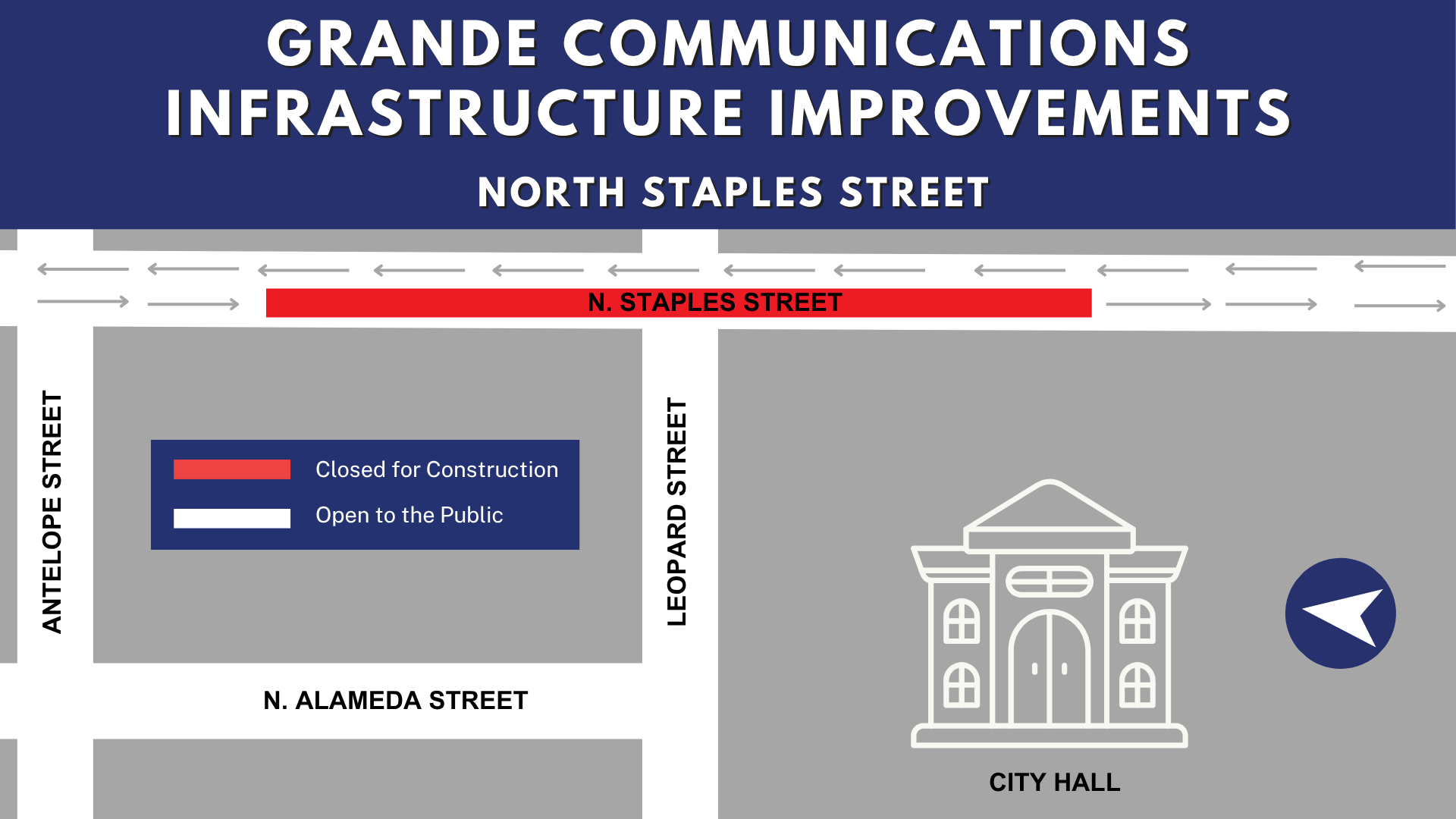
- Review Local Outages: Check the status portal for your region. Extreme weather or local construction in Texas, such as road work or power grid maintenance, often results in temporary service drops that are outside of your home network’s control.
- Check for Data Limits: While many plans are marketed as "unlimited," certain older or promotional contracts may include data caps. If you have exceeded your allotment, your speeds may be throttled until the next billing cycle.
Managing Your Account and Billing
Account management is handled through the Astound Broadband portal. Users can view bills, set up automatic payments, and monitor data usage through this interface. It is highly recommended to sign up for paperless billing, as some promotional pricing structures rely on enrollment in AutoPay and electronic billing.
If you are planning to discontinue service, ensure that you return all rented hardware to a local service center or via the provided shipping label. Failure to return modems or set-top boxes typically triggers a non-return fee, which can be substantial.
Frequently Asked Questions
Is Grande Communications the same as Astound Broadband?
Yes. Grande Communications is now a part of the Astound Broadband family. While the brand name Grande is still used for regional recognition in Texas, all primary account management, billing, and technical support are consolidated under the Astound Broadband brand.
Does the company require a long-term contract?
This depends on the promotion you select. Many plans are offered as "no-contract" options, but these may come with higher monthly fees or fewer hardware perks. Always read the terms of your specific service agreement, as promotional pricing often expires after 12 or 24 months.
Can I use my own router with their service?
Yes, you can use your own Wi-Fi router. However, you must still use a modem provided by or approved by the company to interface with the cable network. If you use your own router, the company’s support staff may be limited in their ability to troubleshoot Wi-Fi issues, as they lack visibility into non-proprietary equipment.
What should I do if my internet speed is lower than advertised?
First, perform a speed test using a wired Ethernet connection directly to the modem, rather than over Wi-Fi. If the wired speed is significantly lower than your plan allows, contact support to have them run a "line test." If the wired speed is fine but Wi-Fi is slow, you likely need a better router or a mesh Wi-Fi system to improve coverage within your home.
Are there data caps on my internet plan?
Most current Astound/Grande residential plans include unlimited data. However, verify your specific service agreement, as older legacy plans or specific localized offerings might still have data thresholds that trigger a performance reduction or additional fees.
Recommendation and Next Steps
For current or prospective users, the most effective way to maintain high-quality service is to ensure your internal hardware is current. If you have been using the same modem for more than three years, consider checking your account to see if you are eligible for an equipment upgrade. Modern DOCSIS 3.1 modems are significantly more efficient at handling the high bandwidth demands of 2026. If you are experiencing persistent service issues, log in to your account dashboard to check for localized maintenance alerts before scheduling a service technician, as this can save you from unnecessary service fees for on-site visits caused by network-side outages.
Image Gallery