Understanding the Role of Positive Antibodies in Modern Public Health
In public health, positive antibodies signify previous exposure to a pathogen or successful immunization. They serve as critical biomarkers for serosurveillance, allowing health agencies to estimate population immunity, track disease s...
In public health, positive antibodies signify previous exposure to a pathogen or successful immunization. They serve as critical biomarkers for serosurveillance, allowing health agencies to estimate population immunity, track disease spread, and refine vaccination strategies to prevent outbreaks and manage endemic conditions effectively across global populations in our current 2026 landscape.
Contents
Defining Positive Antibodies: Protection vs. Pathogenesis
To understand the significance of positive antibodies in public health, one must first distinguish between the various biological contexts in which they appear. An antibody, or immunoglobulin (Ig), is a Y-shaped protein produced by B-lymphocytes in response to a foreign substance (antigen). In the realm of public health, a "positive" result on an antibody test—often referred to as seropositivity—can carry two very different meanings depending on the pathogen in question.
For many vaccine-preventable diseases, such as measles, mumps, or rubella, positive antibodies are a marker of protection. They indicate that the individual’s immune system has "learned" to recognize the pathogen, either through natural infection or vaccination, and is likely prepared to mount a defense upon future exposure. Conversely, for chronic or latent infections such as HIV or Hepatitis C, positive antibodies traditionally serve as a primary screening tool to identify active or past infection that requires clinical intervention and public health follow-up to prevent further transmission.
The Biological Signature: IgM, IgG, and IgA
The timing and type of antibody detected are vital for epidemiological modeling. Public health officials categorize antibodies into several classes:
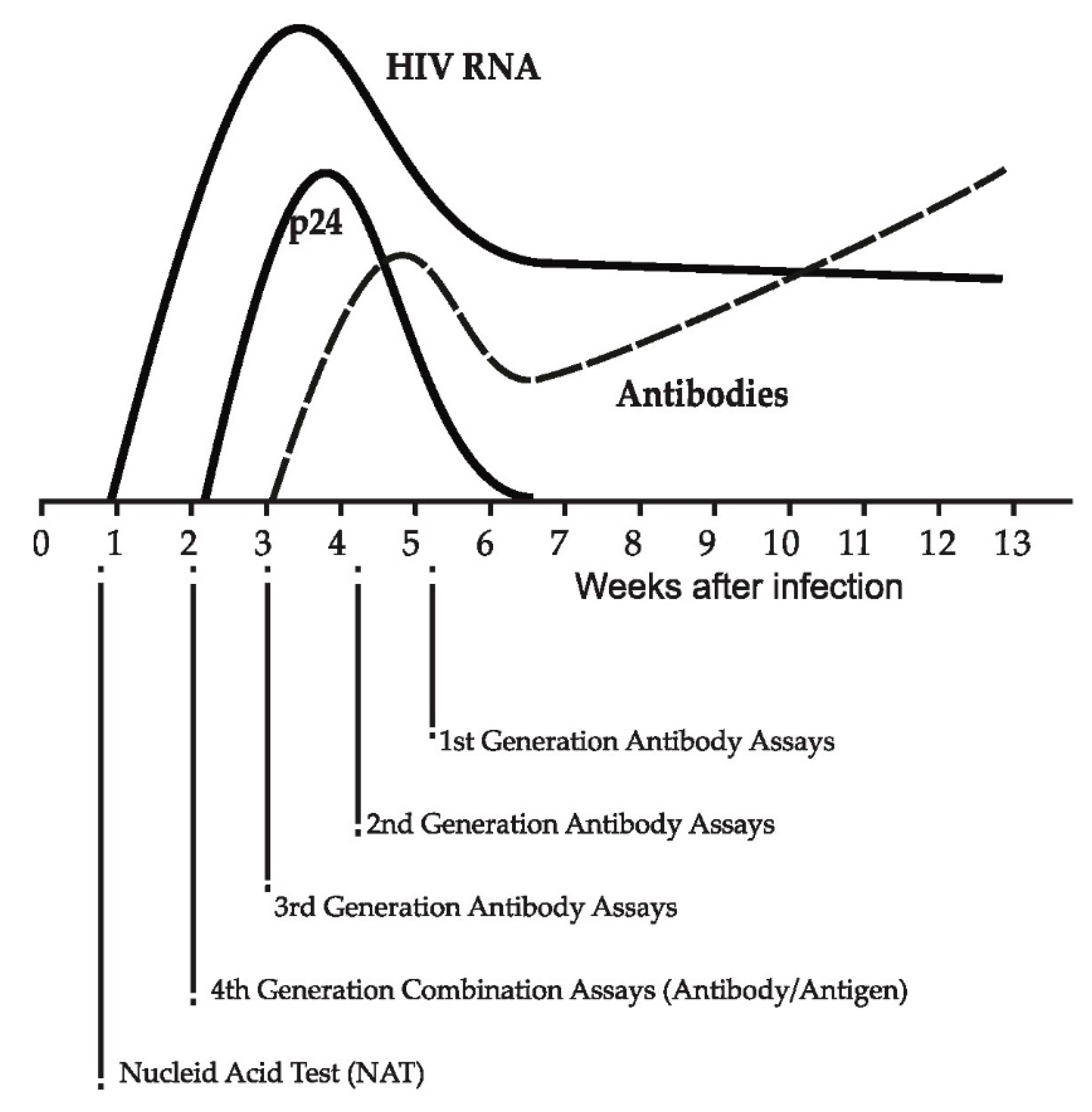
- IgM (Immunoglobulin M): These are the first antibodies produced in response to an infection. A positive IgM result usually indicates a recent or acute infection, triggering immediate public health actions like contact tracing.
- IgG (Immunoglobulin G): These appear later and persist much longer. In public health surveys, IgG prevalence is the gold standard for measuring the historical reach of a virus within a community.
- IgA (Immunoglobulin A): Primarily found in mucosal areas (like the respiratory tract), these are increasingly monitored in 2026 to understand local immunity against airborne pathogens.
Infection-Induced vs. Vaccine-Induced Seropositivity
A major challenge in 2026 public health surveillance is "differentiation." For example, with pathogens where multiple vaccines are in use, such as SARS-CoV-2 or modernized influenza shots, scientists must distinguish between antibodies generated by a vaccine and those generated by a natural infection. This is often achieved by testing for different parts of the virus. If a vaccine targets the "Spike" protein but the virus also contains a "Nucleocapsid" protein, testing for anti-nucleocapsid antibodies can reveal how much of the population has been naturally infected despite high vaccination rates.
Public Health Surveillance Strategies in 2026
By 2026, the integration of serological data into national health security frameworks has become standardized. No longer relying solely on symptomatic case counts, which often miss asymptomatic spread, public health departments utilize serosurveys—large-scale blood sampling projects—to paint a more accurate picture of community health.
Serosurveys: The Population Health Thermometer
Serosurveys provide the "denominator" that is often missing in public health data. If a city records 1,000 cases of a new respiratory virus, but a serosurvey reveals that 100,000 people have positive antibodies, the perceived lethality and urgency of the virus change dramatically. This data allows for:
- Calculating True Fatality Rates: Determining the actual risk of death across the entire infected population, not just those who sought hospital care.
- Identifying Immunity Gaps: Pinpointing specific neighborhoods or age groups where antibody levels are low, indicating a need for targeted vaccination "catch-up" campaigns.
- Evaluating Vaccine Efficacy: Monitoring how long antibodies persist in the general population after a mass rollout to determine the optimal timing for booster doses.
Integrating Serological Data into Global Health Security
The World Health Organization (WHO) and the Centers for Disease Control and Prevention (CDC) now utilize unified digital platforms to share seroprevalence data. In 2026, this "Global Serosurveillance Network" acts as an early warning system. If a surge in positive antibodies for a specific zoonotic (animal-borne) pathogen is detected in a rural region, it triggers a "One Health" investigation before the pathogen can evolve into a human-to-human epidemic. For more information on international standards, the WHO Global Health Observatory remains the primary repository for such data.
Clinical Interpretation and Public Health Response
When a laboratory reports "positive antibodies," the public health response is dictated by the specific pathogen's regulatory protocol. This is particularly relevant for mandatory reporting requirements that physicians must follow.
The Challenge of Cross-Reactivity and False Positives
A persistent technical hurdle in public health is cross-reactivity. This occurs when an antibody test for one virus returns a positive result because the patient was actually exposed to a different, but structurally similar, virus. For instance, antibodies from a previous Dengue infection can sometimes cause a false positive on a Zika virus test. Public health laboratories mitigate this through "confirmatory testing," such as the Plaque Reduction Neutralization Test (PRNT), which is more specific but more labor-intensive.
Correlates of Protection: Determining "How Much" is Enough
A "positive" result is often binary (yes/no), but public health researchers are increasingly focused on the "titer" or concentration of antibodies. The "Correlate of Protection" (CoP) is the specific level of antibodies required to prevent disease. In 2026, many public health guidelines for healthcare workers or travelers depend on meeting these specific quantitative thresholds rather than a simple positive/negative result.
| Pathogen | Primary Antibody Type | Public Health Implication of "Positive" | Confirmatory Step Required? |
|---|---|---|---|
| Measles | IgG | Indicates long-term immunity; no further action needed. | Rarely; clinical history suffices. |
| HIV-1/2 | IgG/IgM | Indicates chronic infection; requires immediate linkage to care. | Yes; Nucleic Acid Test (NAT). |
| Hepatitis C | IgG | Indicates past or current infection; 25% clear naturally. | Yes; HCV RNA test. |
| SARS-CoV-2 | IgG (Spike/N) | Indicates prior exposure/vaccination; used for trend analysis. | No; typically for surveillance only. |
| Polio | IgG | Confirms success of childhood immunization programs. | No; used in population surveys. |
Specific Public Health Applications in 2026
The utility of antibody data extends beyond simple tracking; it is a tool for active intervention and resource allocation.
Chronic Disease Management: HIV and Viral Hepatitis
For HIV and Hepatitis C, positive antibodies are the gateway to elimination programs. Under the "Ending the HIV Epidemic" goals for 2030, positive antibody tests in 2026 are linked to immediate antiretroviral therapy (ART) starts. In these cases, the "positive" result is not a sign of safety but a call to action to lower the individual’s viral load to "undetectable," which in turn makes the virus untransmittable (U=U).
Emerging Threats: Tracking Zoonotic Spillovers
With the rise of avian influenza (H5N1) and other potential pandemic threats, positive antibodies in high-risk groups—such as agricultural workers or wildlife biologists—provide the first evidence of "spillover." If a worker tests positive for H5 antibodies but never showed severe symptoms, it suggests the virus is moving into the human population more quietly than expected, necessitating a shift in respiratory surveillance and personal protective equipment (PPE) mandates. Detailed surveillance guidelines are available through the CDC's Division of Viral Diseases.
Policy Implications: From Vaccination to Border Control
Positive antibodies directly influence the laws and regulations governing movement and public safety.
- School Entry Requirements: Most jurisdictions in 2026 allow serological evidence of immunity (a positive IgG test) to satisfy vaccination requirements for diseases like chickenpox or measles if vaccination records are unavailable.
- Occupational Health: Hospitals require "positive" antibody status for Hepatitis B among surgical staff. If a staff member tests negative despite vaccination, a "re-challenge" dose is mandated.
- Disaster Response: In the wake of natural disasters, public health teams prioritize vaccines for communities where serosurveys show low antibody prevalence for waterborne or crowded-environment diseases like Hepatitis A.
Practical Guidance for Healthcare Providers and Policy Makers
When managing positive antibody data, public health professionals should adhere to several "best practice" pillars to ensure data integrity and patient safety:
- Verify the Test Platform: Ensure the test used is FDA-cleared or WHO-prequalified for the specific population being screened. Rapid Diagnostic Tests (RDTs) are excellent for field use but may require laboratory confirmation for individual diagnosis.
- Contextualize the Result: A positive antibody result in a symptomatic patient means something very different than in an asymptomatic screening program. Always correlate serology with clinical presentation.
- Data Privacy: Antibody status, especially for stigmatized diseases, must be handled with the highest level of cryptographic security. In 2026, most public health agencies use de-identified aggregated data for reporting to protect individual identities.
- Communication: Clearly explain to the public that a "positive" antibody result for a respiratory virus does not necessarily mean "permanent immunity." Education regarding waning immunity and the potential for reinfection is essential to prevent risky behavior.
Frequently Asked Questions
Does a positive antibody test mean I am currently contagious?
Not necessarily. For most viruses, antibodies (especially IgG) develop after the contagious period has passed. However, for chronic infections like HIV or certain stages of Syphilis, you can be both antibody-positive and contagious. Clinical follow-up is always required to determine the stage of infection.
How long do positive antibodies stay in the system?
The duration varies by pathogen and the individual's immune system. Measles antibodies usually last a lifetime, whereas antibodies for coronaviruses or the flu may wane within months or years. This "waning" is why public health officials monitor population levels to decide when to recommend boosters.
Can a vaccine cause a "false" positive for an actual infection?
In many cases, yes. A vaccine is designed to trigger antibody production. If a diagnostic test cannot distinguish between vaccine-induced antibodies and infection-induced ones, the test will be positive. Public health labs use "differentiation assays" (like the DIVA principle) to solve this problem.
What should I do if I have a positive antibody test for a disease I don't remember having?
This is common and often indicates an "asymptomatic" or "subclinical" infection where your body fought off the virus without you feeling sick. However, you should consult a healthcare provider to ensure the result isn't a cross-reactive "false positive" and to see if any follow-up care is needed for chronic conditions.
Is a positive antibody test as good as a vaccination record?
For many schools and employers, a certified laboratory report showing positive IgG antibodies is legally equivalent to a vaccination record for specific diseases. However, requirements vary by jurisdiction and specific disease, so always check local health department regulations.
Practical Recommendation: Next Actions
If you are a public health official or a healthcare provider, the next step in utilizing antibody data is the implementation of Multiplex Serology. Unlike traditional tests that look for one antibody at a time, multiplex platforms can screen for antibodies against dozens of pathogens simultaneously from a single drop of blood. This approach is the most cost-effective way in 2026 to monitor the health of a community and identify emerging gaps in immunity before they lead to an outbreak. For laboratory standards and technical protocols, refer to the Clinical and Laboratory Standards Institute (CLSI).
Image Gallery