How Transamerica $50,000 Whole Life Insurance at Age 76 Works
Transamerica’s $50,000 whole life insurance for a 76-year-old operates as permanent coverage that remains in force for the rest of the insured's life, provided premiums are paid. It features a guaranteed death benefit, fixed monthly pr...
Transamerica’s $50,000 whole life insurance for a 76-year-old operates as permanent coverage that remains in force for the rest of the insured's life, provided premiums are paid. It features a guaranteed death benefit, fixed monthly premiums that will never increase, and a cash value component that grows over time at a set interest rate. At age 76, this policy is typically issued through simplified underwriting, meaning it often requires a medical questionnaire but no physical exam.
Contents
Core Mechanics of Transamerica Whole Life Coverage
Whole life insurance is often referred to as "permanent" insurance because it does not expire after a set term. For an individual entering a policy at age 76 in 2026, the contract is designed to mature at age 121. If the insured is still living at that age, the policy typically pays out the face amount in cash. However, for most policyholders, the primary function is the delivery of the $50,000 death benefit to beneficiaries to cover final expenses, debts, or legacy gifts.
The Guaranteed Death Benefit
The $50,000 face amount is the cornerstone of the policy. Unlike "graded" death benefit policies offered by some competitors for high-risk seniors, Transamerica’s standard whole life (often under their "Solutions" series) typically provides the full $50,000 benefit from the first day the policy is active, provided the applicant meets the health requirements for an "Immediate Solution" plan. This ensures that even if the policyholder passes away shortly after the first premium payment, the beneficiaries receive the total amount tax-free under current IRS guidelines.
Level Premiums for Life
One of the most significant concerns for seniors on fixed incomes in 2026 is inflation and rising costs. Transamerica whole life policies utilize "level premiums." This means the monthly or annual cost is locked in at the time of purchase. Even as the insured moves from age 76 into their 80s and 90s, and even as their health may decline, the premium remains identical to the amount agreed upon at the start.
Cash Value Accumulation
Every premium payment is divided into three parts: the cost of insurance, administrative fees, and the contribution to the policy’s cash value. At age 76, the cash value grows more slowly than it would for a younger applicant because the cost of insurance is higher. However, this cash value is a "living benefit." The policyholder can take a loan against the $50,000 policy's cash value for emergencies or use it to pay premiums if they face temporary financial hardship. It is important to note that any outstanding loans at the time of death are deducted from the $50,000 payout.
Eligibility and Underwriting at Age 76
Securing $50,000 in coverage at age 76 requires a specific type of evaluation. While some companies only offer "guaranteed issue" (no questions asked) for small amounts like $10,000, a $50,000 policy usually requires "simplified issue" underwriting.
The Application Process
Transamerica’s process for seniors in 2026 focuses heavily on prescription drug history and a series of "Yes/No" health questions. At age 76, the underwriter is looking for stability. They will typically ask about:
- Chronic Conditions: Recent history of heart disease, stroke, or cancer (usually looking back 2 to 5 years).
- Daily Living: Whether the applicant requires assistance with activities like bathing, dressing, or eating.
- Hospitalization: Recent stays in a hospital or nursing home facility.
- Medications: Transamerica performs a digital pharmaceutical background check to see what medications have been prescribed in the last decade, which helps them verify the health answers provided.
Medical Exam Requirements
For a $50,000 whole life policy at age 76, a full medical exam (including blood work and physicals) is often waived in favor of the simplified underwriting mentioned above. However, if the applicant has complex health issues, Transamerica may request an "Attending Physician’s Statement" (APS) to get a clearer picture from the applicant's primary doctor.
The Transamerica "Solutions" Product Series
Transamerica often categorizes its senior whole life products under the "Solutions" brand. For a 76-year-old, there are usually three distinct tiers based on health:
- Immediate Solution: This is the gold standard for healthy seniors. It provides the full $50,000 benefit immediately.
- 10-Pay Solution: A variation where the policy is fully "paid up" after 10 years. For a 76-year-old, this means by age 86, they no longer owe premiums, but the $50,000 coverage remains in force until death.
- Easy Solution: This is generally a "graded" benefit policy. If the applicant has significant health issues at 76, they might only qualify for this tier. If death occurs due to natural causes in the first two years, the beneficiaries might only receive the premiums paid plus interest (usually 10%), rather than the full $50,000.
| Feature | Immediate Solution | Easy Solution (Graded) |
|---|---|---|
| Death Benefit | Full $50,000 from day one | Limited in first 2 years |
| Medical Questions | Comprehensive | Minimal |
| Premium Cost | Lower | Higher |
| Cash Value | Begins accumulating early | Accumulates slower |
| Issue Age Max | Usually 85 | Usually 80 |
Cost Factors and Premium Estimates in 2026
The cost of a $50,000 policy at age 76 is determined by three primary factors: gender, tobacco use, and the specific underwriting tier.
Gender and Longevity
Statistically, women have a longer life expectancy than men. Therefore, a 76-year-old female will typically pay less for the same $50,000 policy than a 76-year-old male. In 2026, actuarial tables continue to reflect this gap, though the difference varies by state regulations.
Tobacco Usage
Smoking or using nicotine products significantly increases the premium. For a senior at 76, being a "non-smoker" (usually defined as no nicotine use for at least 12 months) can reduce the monthly premium by 30% to 50% compared to a smoker of the same age.
Premium Range Examples
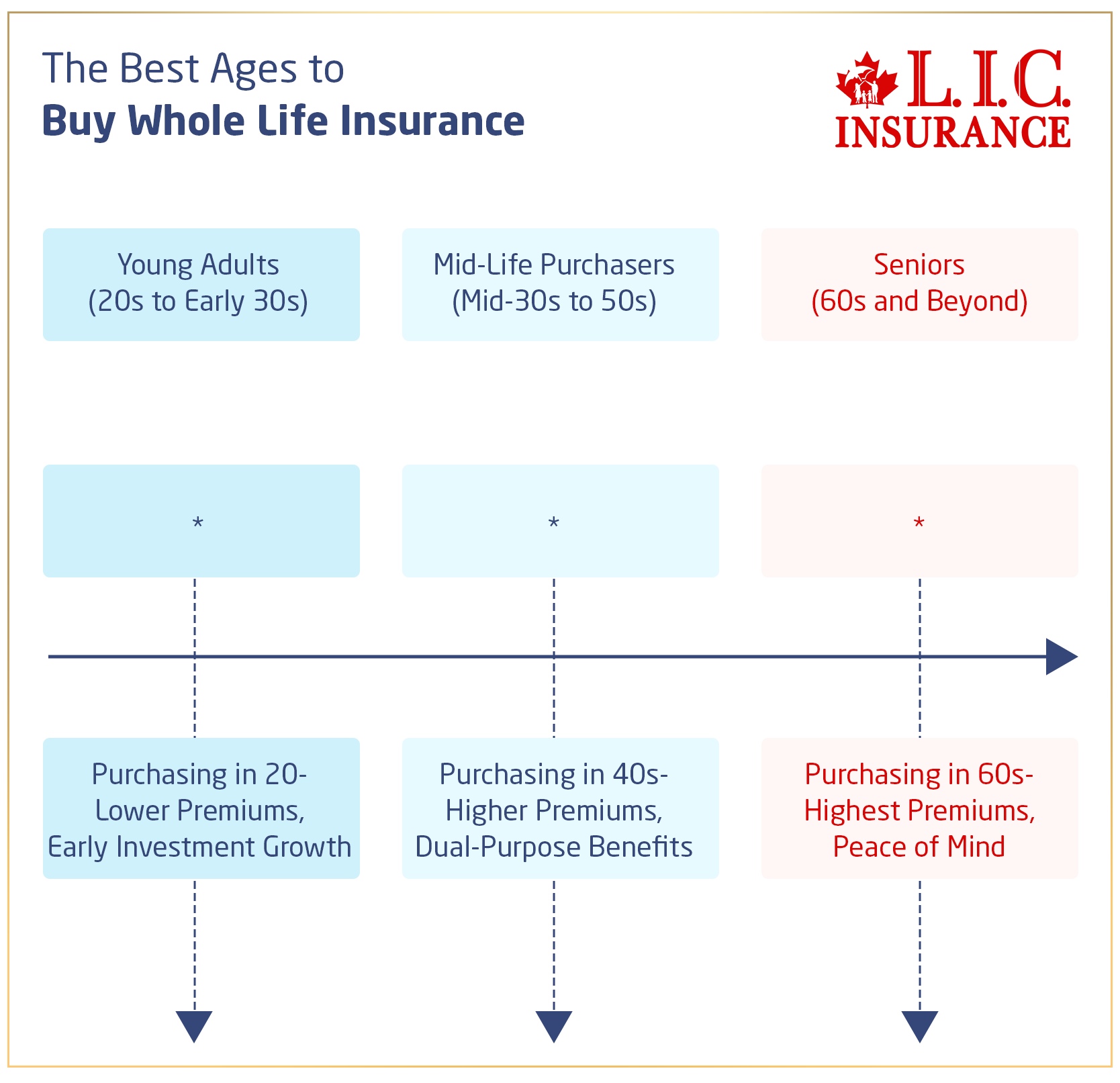
While exact pricing is subject to individual health, a non-smoking 76-year-old might expect premiums to fall within the following ranges for $50,000 of coverage:
- Females: $250 – $350 per month.
- Males: $325 – $475 per month.
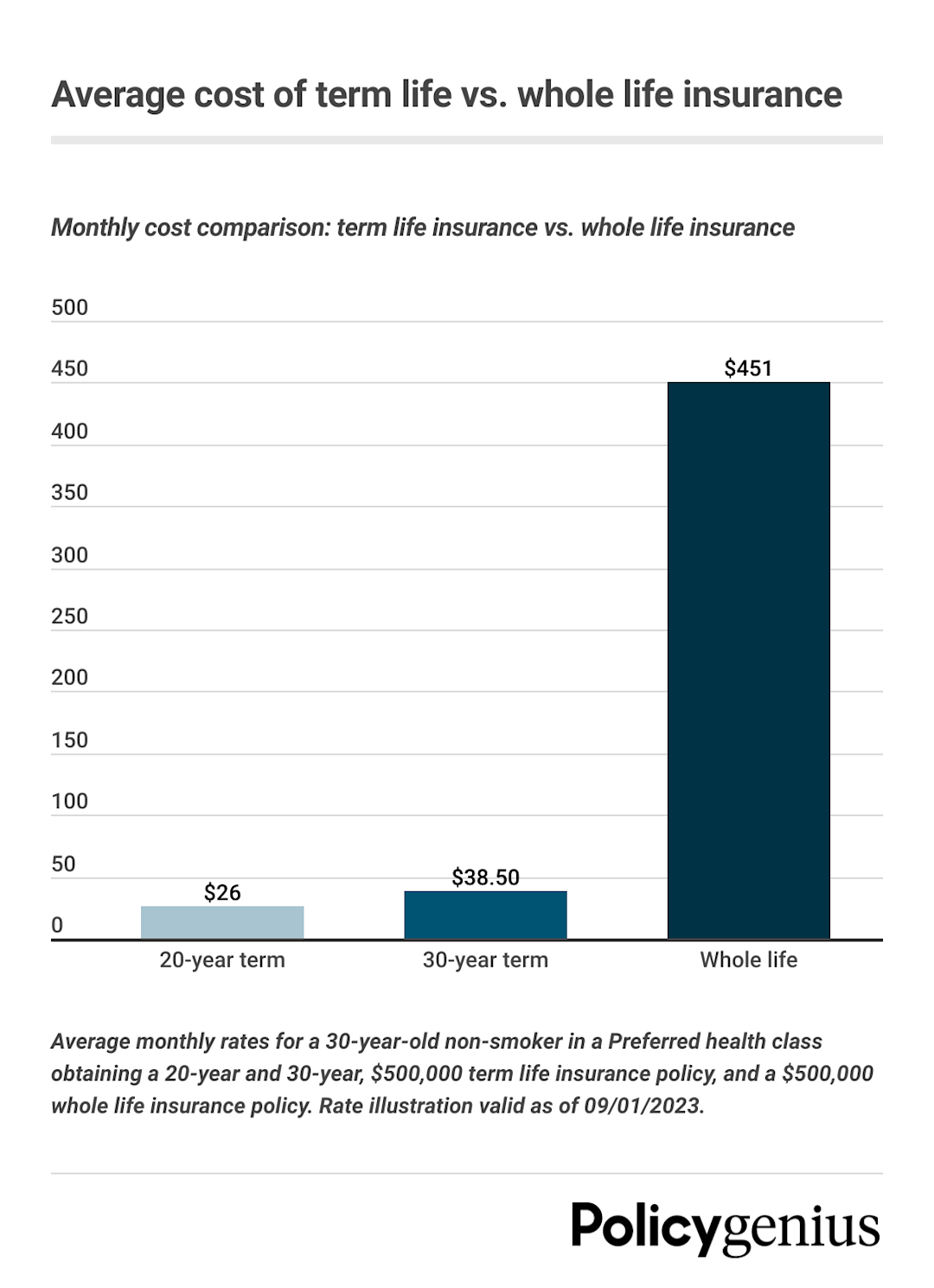
These figures represent a significant monthly commitment, which is why many seniors choose whole life specifically for the guarantee that the price will never increase as they get older.
Why Choose $50,000 at Age 76?
Selecting a $50,000 face amount is a strategic choice. While "Final Expense" policies often hover around $10,000 to $15,000, a $50,000 policy serves broader financial goals.
Beyond the Funeral
By 2026, the average cost of a traditional funeral and burial has risen significantly. A $50,000 policy covers these costs (typically $10,000–$15,000) and leaves a substantial "cushion" for other needs. This cushion can be used by beneficiaries to:
- Pay off an outstanding mortgage or car loan.
- Cover final medical bills or hospice expenses not handled by Medicare.
- Provide a tax-free inheritance to grandchildren for education or down payments.
Asset Protection
For seniors concerned about the Medicaid spend-down process, certain whole life policies can be structured or used in ways that assist with long-term care planning, though rules vary by state. The $50,000 death benefit is generally protected from creditors in many jurisdictions, ensuring the money goes directly to the intended family members.
Common Pitfalls and Considerations
Applying for significant coverage at 76 requires due diligence to avoid common mistakes that can lead to claim denials or financial strain.
Truthfulness on Applications
The "Contestability Period" is a standard two-year window starting from the policy's effective date. If the insured passes away within these first two years, Transamerica has the right to review the original application for accuracy. If a 76-year-old fails to disclose a known heart condition or a specific medication, the company may deny the $50,000 claim and only refund premiums.
Policy Loans and Interest
While the ability to borrow against the cash value is a benefit, it is not "free money." Transamerica charges interest on these loans. If the interest is not paid, it is added to the loan balance. If the total loan balance ever exceeds the cash value, the policy could lapse, leaving the 76-year-old without any coverage after years of paying premiums.
Inflation vs. Fixed Benefits
While $50,000 is a substantial sum in 2026, its purchasing power may decrease over the next 15 to 20 years. Unlike some universal life policies, standard whole life benefits do not typically increase unless the policy is structured to use "dividends" to purchase "paid-up additions." It is important to confirm if the specific Transamerica product chosen is eligible for dividends, as Transamerica is a stock company, not a mutual company, and their whole life products may function differently than those from mutual insurers like New York Life or MassMutual.
Frequently Asked Questions
Can I get Transamerica whole life if I have diabetes at age 76?
Yes, Transamerica often accepts applicants with Type 2 diabetes, provided it is well-controlled with medication and there are no severe complications like neuropathy or retinopathy. The premium may be higher than for a non-diabetic, but as long as the condition is stable, you can typically qualify for an "Immediate Solution" or "Easy Solution" plan.
Does the $50,000 death benefit decrease as I get older?
No. One of the primary advantages of Transamerica whole life insurance is that the death benefit is guaranteed. Whether you pass away at age 77 or 107, the payout remains $50,000, provided you have not taken any loans against the policy that remain unpaid.
How long does it take for Transamerica to pay the claim?
Transamerica generally aims to process death claims within 7 to 14 business days once they receive the completed claim forms and a certified death certificate. However, if the death occurs during the two-year contestability period, the investigation may take longer.
What happens if I can no longer afford the premiums?
If you can no longer pay the premiums, you have several "non-forfeiture" options. You can use the accumulated cash value to pay the premiums (automatic premium loan), surrender the policy for its current cash value, or convert the policy into a "Reduced Paid-Up" policy. In a reduced paid-up scenario, you stop paying premiums, and in exchange, the $50,000 death benefit is lowered to a smaller amount that is guaranteed for the rest of your life.
Is a medical exam required for a 76-year-old?
In most cases, for a $50,000 face amount, Transamerica uses simplified underwriting which does not require a paramedical exam (no needles or scales). They rely on your answers to health questions and a review of your medical and prescription records.
Next Steps for Applicants
If you are 76 and considering a $50,000 Transamerica whole life policy, the first step is to obtain a personalized illustration. This document will show exactly how the cash value grows and what the guaranteed premiums will be. It is also advisable to consult with a licensed independent agent who can compare Transamerica’s rates with other senior-focused carriers to ensure you are receiving the most competitive price for your specific health profile. Ensure you have your current list of medications and dosages ready, as these will be the primary drivers of your eligibility and final premium costs.
Image Gallery