In Vitro Cost in California: 2026 Pricing, Insurance Laws, and Expense Breakdown
In California, the average cost of a single in vitro fertilization (IVF) cycle ranges between $15,000 and $30,000+ when including necessary fertility medications, laboratory procedures, and diagnostic monitoring. Base clinic fees typic...
In California, the average cost of a single in vitro fertilization (IVF) cycle ranges between $15,000 and $30,000+ when including necessary fertility medications, laboratory procedures, and diagnostic monitoring. Base clinic fees typically start around $12,000 to $18,000, while specialized add-ons, genetic testing, and prescription drugs add thousands more to the final out-of-pocket total.
Contents
Disclaimer: Fertility care pricing, clinic fee structures, and health insurance mandates vary by individual medical situation, facility location, and health plan type. The following information serves as an educational breakdown and does not constitute formal medical, legal, or financial advice.
Average Base Cost of an IVF Cycle in California
The base cost of an IVF treatment cycle covers the core clinical services necessary to stimulate the ovaries, retrieve eggs, fertilize them in an embryology laboratory, and transfer a fresh embryo into the uterus. In California, base clinical fees generally range from $12,000 to $18,000 per cycle, though premium urban practices in cities such as Los Angeles, San Francisco, and San Diego often charge higher baseline rates.
It is critical to recognize that a "base package" rarely reflects the full price tag of a complete treatment plan. Most baseline clinical quotes include only the immediate clinical protocols:
- Ovarian Monitoring: Frequent ultrasound examinations and blood tests (estradiol, progesterone, LH) during the stimulation phase to track follicular development.
- Egg Retrieval Procedure: Transvaginal ultrasound-guided follicular aspiration performed by a reproductive endocrinologist.
- Sperm Preparation: Standard lab processing and washing of a fresh or frozen semen sample.
- Standard Fertilization: In vitro co-incubation of retrieved eggs with prepared sperm.
- Embryo Culture: Incubating and monitoring developing embryos in the embryology lab through day 3 or day 5/6 (blastocyst stage).
- Fresh Embryo Transfer: Clinical placement of one or more embryos into the uterine cavity.
When evaluating clinic baseline quotes, patients must verify whether anesthesia fees (typically $500 to $1,000) and lab facility access fees are included or billed separately by independent providers.
Essential Add-Ons and Variable Costs
Because baseline packages cover only simple, fresh IVF cycles, most real-world treatment plans incur significant additional costs for procedures required for medical reasons or chosen to maximize success rates.
Total Out-of-Pocket Cost Structure:
- Base Clinical Cycle ($12,000 – $18,000)
- Injectable Medications ($3,000 – $8,000)
- Specialized Lab Add-ons (ICSI, PGT-A: $3,500 – $8,000)
- Embryo Freezing & Storage ($1,000 – $2,500 base + annual fees)
Ovarian Stimulation Medications ($3,000 – $8,000)
Fertility medications account for one of the largest single variable expenses in IVF. Injectable gonadotropins (such as Follistim, Gonal-F, Menopur) alongside hCG or Lupron triggers and GnRH antagonists (Ganirelix, Cetrotide) must be customized based on a patient’s ovarian reserve, age, and Body Mass Index (BMI). Because pharmacies bill these prescriptions separately from the medical clinic, they are almost never included in initial clinic pricing estimates.
Intracytoplasmic Sperm Injection / ICSI ($1,500 – $3,000)
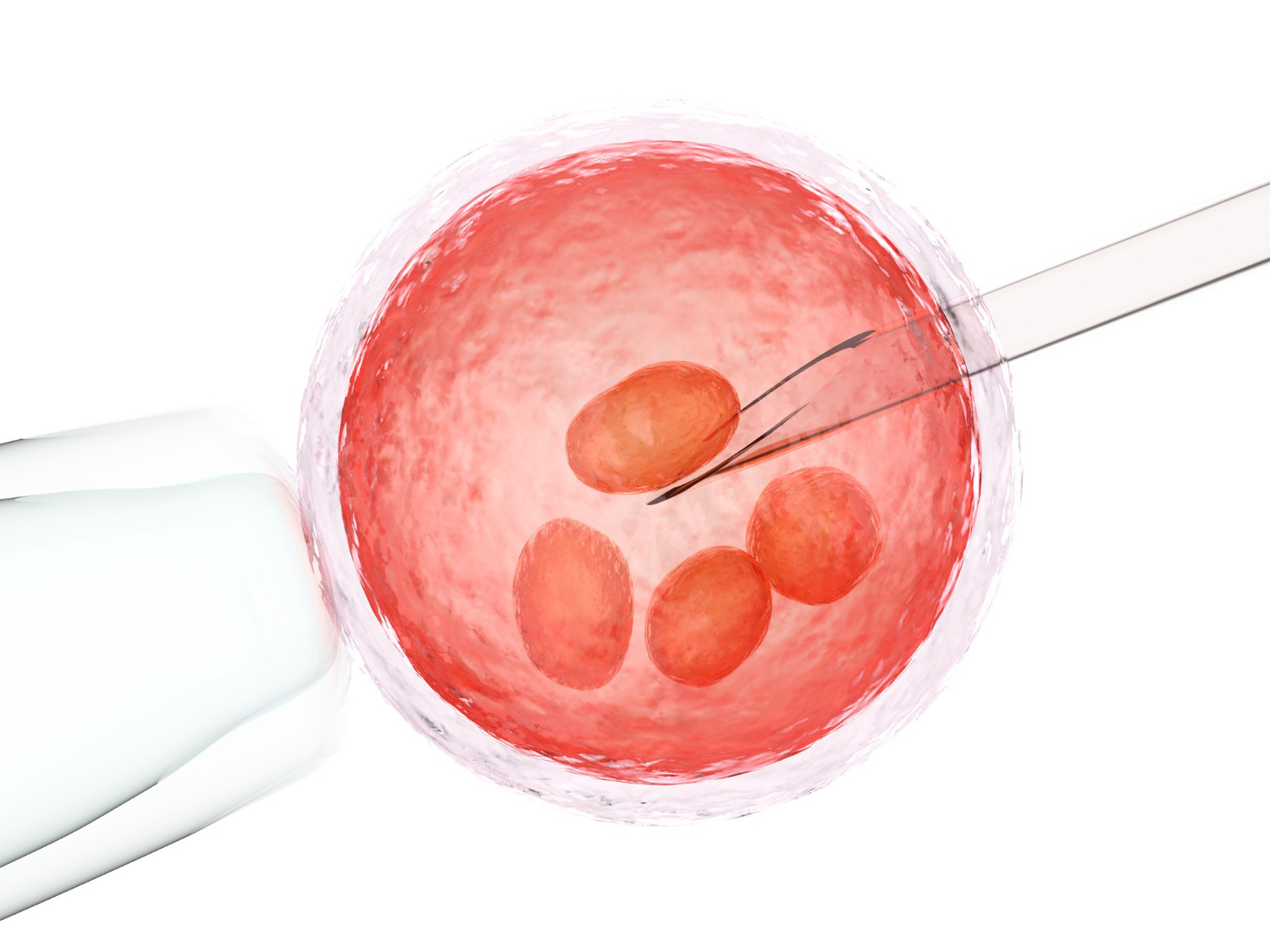
When severe male factor infertility, low sperm motility, low morphology, or prior fertilization failure is present, embryologists use ICSI to inject a single high-quality sperm directly into each mature egg. Many California clinics mandate ICSI if preimplantation genetic testing is planned.
Preimplantation Genetic Testing / PGT ($2,500 – $5,000+)
PGT evaluates blastocysts for chromosomal abnormalities (PGT-A) or specific inherited genetic mutations (PGT-M/PGT-SR) prior to transfer. The total cost usually comprises two parts: a clinic biopsy fee ($1,500 to $2,500) paid to the fertility center, and a genetic laboratory processing fee ($150 to $350 per embryo tested) paid to an external genetics lab (such as Igenomix, Natera, or CooperSurgical).
Frozen Embryo Transfer / FET ($3,000 – $6,000)
Modern reproductive endocrinology increasingly favors "freeze-all" protocols where embryos are cryopreserved and transferred during a subsequent, un-stimulated natural or medicated cycle. If a fresh transfer is skipped or if multiple transfer attempts are required, each subsequent FET cycle incurs its own clinical fee, monitoring costs, and preparation medication charges.
Cryopreservation and Storage ($500 – $1,500 per year)
Freezing excess high-quality embryos or unfertilized eggs involves an initial cryopreservation fee (often $500 to $1,000), followed by an annual storage fee ($500 to $1,200 per year). Storage costs are frequently waived for the first 6 to 12 months in multi-cycle packages.
California Insurance Mandates and Legal Protections
Navigating health insurance for IVF in California requires understanding state legislative changes, employer plan types, and federal regulatory boundaries.
Senate Bill 729 (SB 729) Mandate
Historically, California law required fully insured health plans to offer coverage for infertility treatments, but specifically excluded IVF from the mandatory coverage requirement unless employers opted to purchase an add-on rider.
With the passage and phased implementation of California Senate Bill 729 (SB 729), the state enacted historic changes to fertility coverage regulations. Under this legislation, state-regulated large-group health insurance plans and health care service plans in California are required to cover diagnosis and treatment of infertility and fertility services, including up to three completed IVF cycles.
However, patients must be aware of critical jurisdictional exceptions:
- Self-Insured / Self-Funded ERISA Plans: Large national employers that self-insure their health plans are governed by federal law (ERISA) rather than state insurance mandates. These plans are exempt from California state health mandates unless the employer voluntarily chooses to offer the benefit.
- Religious Exemptions: Religious employers may opt out of providing fertility coverage that conflicts with their religious tenets.
- Small-Group and Individual Market Timelines: Small business and individual health plans have distinct implementation schedules and regulatory thresholds under state guidelines.
Medi-Cal Coverage Limits
As of 2026, Medi-Cal (California's Medicaid program) provides coverage for underlying diagnostic tests to identify the cause of infertility and medical treatments for underlying conditions (such as endometriosis or hormonal imbalances). However, standard Medi-Cal does not cover advanced assisted reproductive technologies, including elective IVF cycles, embryo storage, or PGT testing.
Comprehensive California IVF Cost Comparison Table
The following table outlines standard estimated price ranges across major California metropolitan areas (Los Angeles, San Francisco Bay Area, San Diego, Sacramento) for common IVF services.
| IVF Component / Service | Estimated Out-of-Pocket Range (CA) | Included Services & Key Cost Drivers |
|---|---|---|
| Initial Consultation & Workup | $300 – $1,200 | Baseline blood panels, transvaginal ultrasound, semen analysis, hysterosalpingogram (HSG), saline infusion sonogram. |
| Base IVF Cycle (Fresh) | $12,000 – $18,000 | Ovarian monitoring, egg retrieval, physician fees, standard lab culture, fresh embryo transfer. |
| Stimulation Medications | $3,000 – $8,000 | Injectable hormones (FSH, LH), antagonists, trigger shots. Varies heavily by patient dosage and pharmacy discounts. |
| ICSI Procedure | $1,500 – $3,000 | Microinjection of individual sperm. Often required for male factor or prior to embryo genetic biopsy. |
| PGT Biopsy & Lab Analysis | $2,500 – $5,000 | Embryology biopsy fee + genetic testing lab fees (billed per embryo or in batches of 4 to 8 embryos). |
| Frozen Embryo Transfer (FET) | $3,000 – $6,000 | Uterine preparation monitoring, thawed embryo transfer procedure, post-transfer hormonal support meds. |
| Embryo Cryopreservation | $500 – $1,200 | Initial flash-freezing (vitrification) process for embryos or unfertilized oocytes. |
| Annual Cryo-Storage Fee | $500 – $1,500 / year | Maintenance and liquid nitrogen tank monitoring fees (billed annually after initial complimentary window). |
| Total Estimated First Cycle | $18,500 – $32,000+ | Combined total for a complete cycle including medications, ICSI, PGT-A, and initial embryo transfer. |
Financial Options and Cost-Reduction Strategies
Given the substantial capital required for fertility treatment, prospective patients in California utilize several strategies to reduce out-of-pocket spending and manage cash flow.
Multi-Cycle Packages and Refund Guarantees
Third-party administrative programs (such as WINFertility, Bundl, or Univfy) partner with selected California fertility clinics to offer bundled pricing. These programs allow eligible patients to pay a fixed, discounted rate for two or three IVF cycles. Certain plans include "shared risk" or refund components, returning up to 80%–100% of the program fee if treatment does not result in a live birth or ongoing pregnancy. However, qualification typically depends on age and clinical prognosis.
Tax-Advantaged Accounts (HSA / FSA)
Under IRS guidelines, IVF procedures, diagnostic tests, and prescribed fertility medications qualify as eligible medical expenses under Health Savings Accounts (HSA) and Flexible Spending Accounts (FSA). Utilizing pre-tax dollars allows patients in higher California income tax brackets to achieve effective savings of 25% to 40% on out-of-pocket costs.
Non-Profit Grants and Military Discounts
Several national and California-based non-profit organizations offer financial grants to offset fertility expenses (e.g., the Baby Quest Foundation, Men Having Babies, and the Cade Foundation). Furthermore, major specialty pharmacy networks participate in patient assistance programs (such as Compassionate Care or Reunion Diabetes/Fertility Support), offering income-based discounts of 10% to 75% on brand-name fertility medications. Active-duty military personnel and veterans may also qualify for clinic discounts or specialized VA fertility benefits.
Specialized Medical Financing
Specialty medical lenders (e.g., CapexMD, Future Family, LendingClub Patient Solutions) offer dedicated fertility loans. While these allow families to spread payments across 24 to 80 months, applicants should carefully evaluate fixed interest rates, origination fees, and total lifetime interest costs before signing.
Common Hidden Fees and Financial Pitfalls
When comparing prospective clinics across California, quote disclosures can vary dramatically. Patients should explicitly query clinics regarding the following commonly overlooked expenses:
- Anesthesia Billing: In many surgical centers, anesthesia during egg retrieval is administered by an independent anesthesiology group that bills separately ($500 to $1,000) from the clinic's facility fee.
- Canceled Cycle Fees: If an ovarian stimulation response is inadequate and the cycle is canceled prior to retrieval, clinics charge for monitoring ultrasounds and bloodwork performed up to that point. Patients must clarify how much of their base package fee is refunded or credited toward a subsequent attempt.
- Out-of-Network Diagnostic Labs: Bloodwork and genetic screening ordered by a fertility specialist may be processed by external laboratories that do not contract with the patient's health insurance, resulting in surprise out-of-network bills.
- Embryo Storage Price Escalations: Initial storage rates are often locked in for the first year, but annual fees can increase over time. Patients planning long-term storage for future family building should request long-term fee schedules.
Frequently Asked Questions
How much does a single IVF cycle cost out-of-pocket in California?
A comprehensive out-of-pocket single cycle—including baseline clinical care, injectable medications, ICSI, and genetic testing—typically costs between $18,500 and $32,000. Simple base cycles without medications or advanced lab testing start around $12,000 to $15,000.
Does health insurance in California cover IVF in 2026?
Coverage depends on your specific health plan type. Under California Senate Bill 729 (SB 729), state-regulated large-group health plans must cover fertility services, including IVF. However, self-funded ERISA plans (commonly offered by large national employers), religious organizations, and certain small-group plans may remain exempt. Always verify benefits directly with your human resources department or plan administrator.
Why are IVF costs higher in California compared to other states?
California fertility clinic fees reflect higher regional operational expenses, including medical real estate leases, competitive salaries for specialized embryologists and reproductive endocrinologists, and advanced laboratory compliance standards mandated by state regulations.
Are fertility medications included in clinic pricing quotes?
No. Fertility medications are dispensed by specialized retail or mail-order pharmacies, not directly by fertility clinics. Because prescription dosages vary based on individual hormone levels and ovarian response, medication costs ($3,000 to $8,000) are billed separately.
Can I deduct IVF costs on my state and federal income tax returns?
Yes. Qualifying medical expenses that exceed 7.5% of your Adjusted Gross Income (AGI) can be deducted on federal tax returns if you itemize deductions. Eligible expenses include IVF clinical fees, lab fees, prescribed medications, and travel expenses directly related to medical care. Consult a certified tax professional regarding specific California state tax deductibility rules.
Next Steps for Patients
To avoid unexpected costs and establish an accurate financial plan for IVF in California, follow these practical steps:
- Request an Itemized Fee Schedule: Ask candidate clinics for a complete, line-item fee schedule that explicitly states what is included in the base package and what is billed as an add-on (anesthesia, ICSI, PGT biopsy, storage).
- Obtain a Written Insurance Verification: Contact your health plan's Member Services department to determine whether your employer's plan falls under California's state mandates (SB 729) or is an exempt self-insured ERISA plan. Ask for specific clinical pre-authorization requirements.
- Compare Specialty Pharmacies: Shopping around and applying for manufacturer assistance programs (such as Compassionate Care or RxBridge) before ordering injectable medications can save thousands of dollars per cycle.
- Evaluate Financial Bundles Early: If multi-cycle packages or refund programs are desired, review eligibility criteria early, as many programs require clinical screening and medical records review prior to initiating treatment.
Image Gallery